Barn Again: Reimagining the Barn with Reclaimed Timber
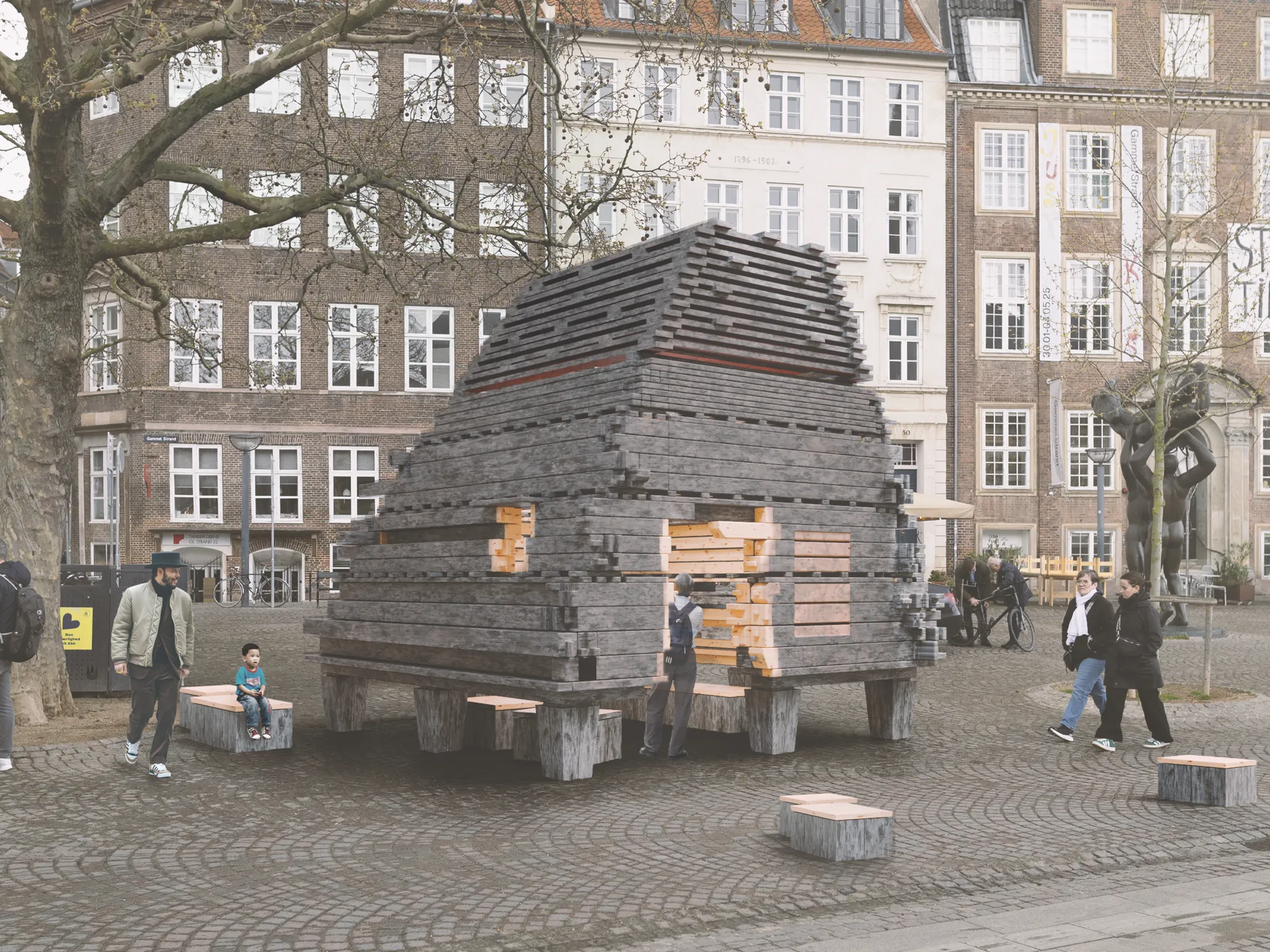

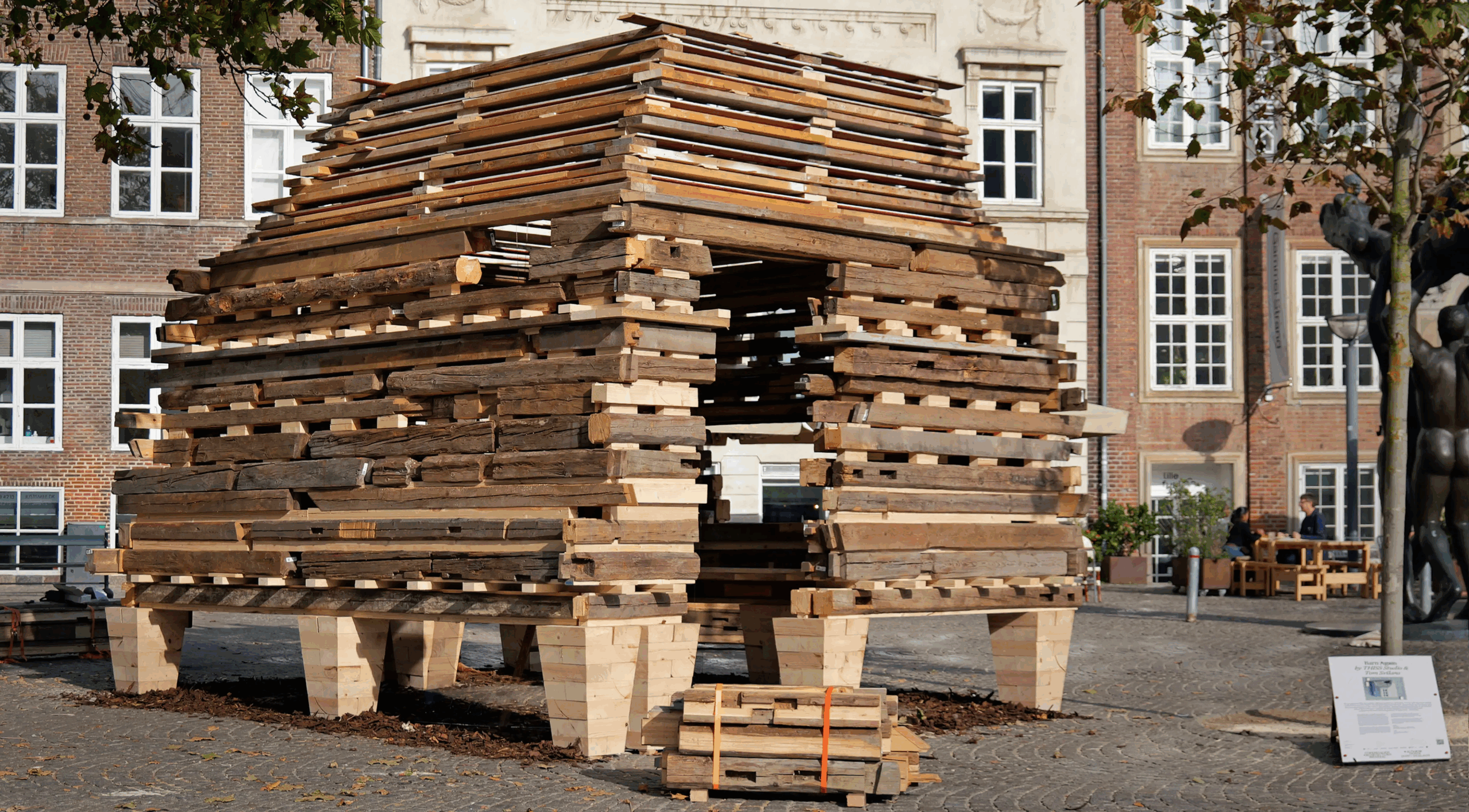

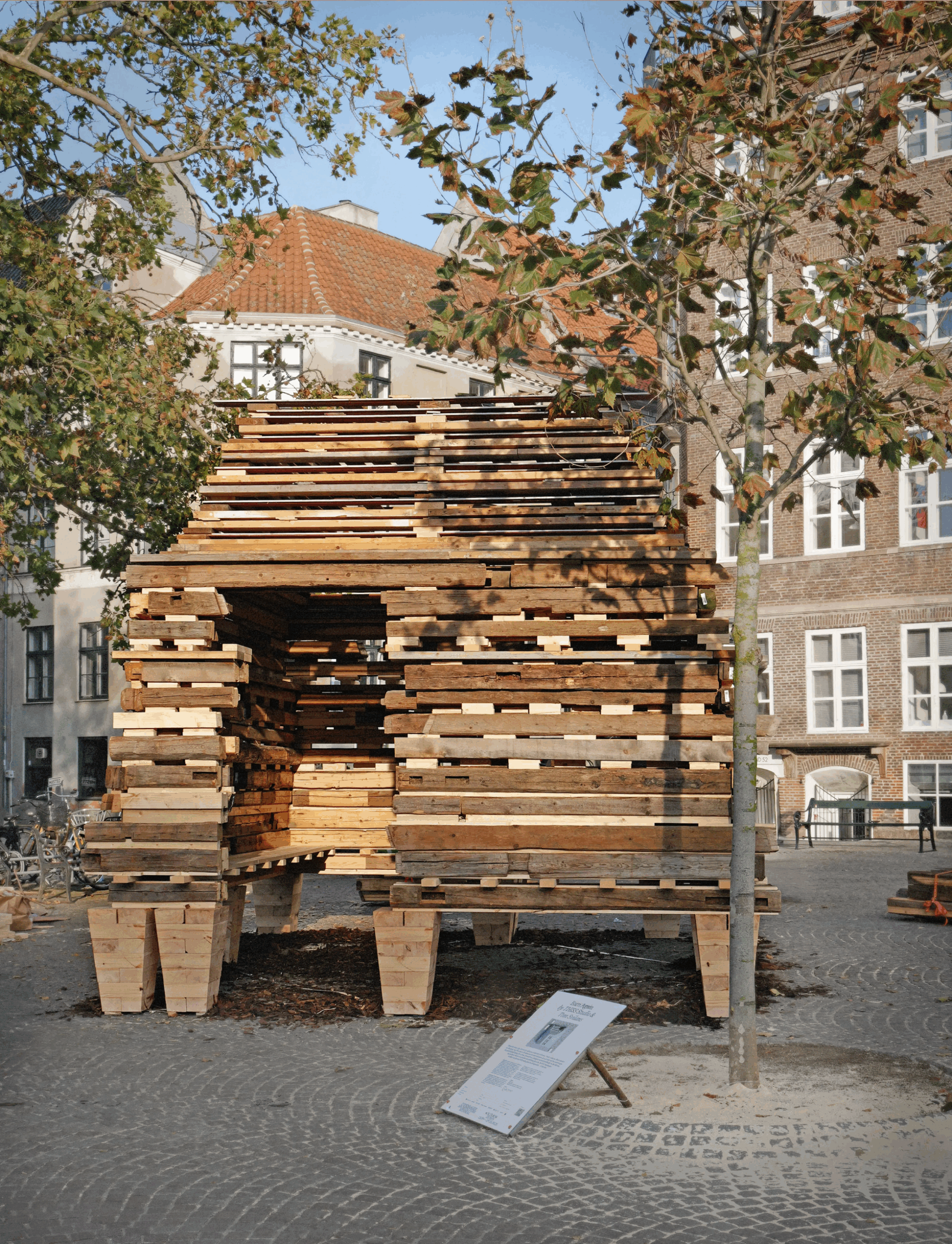
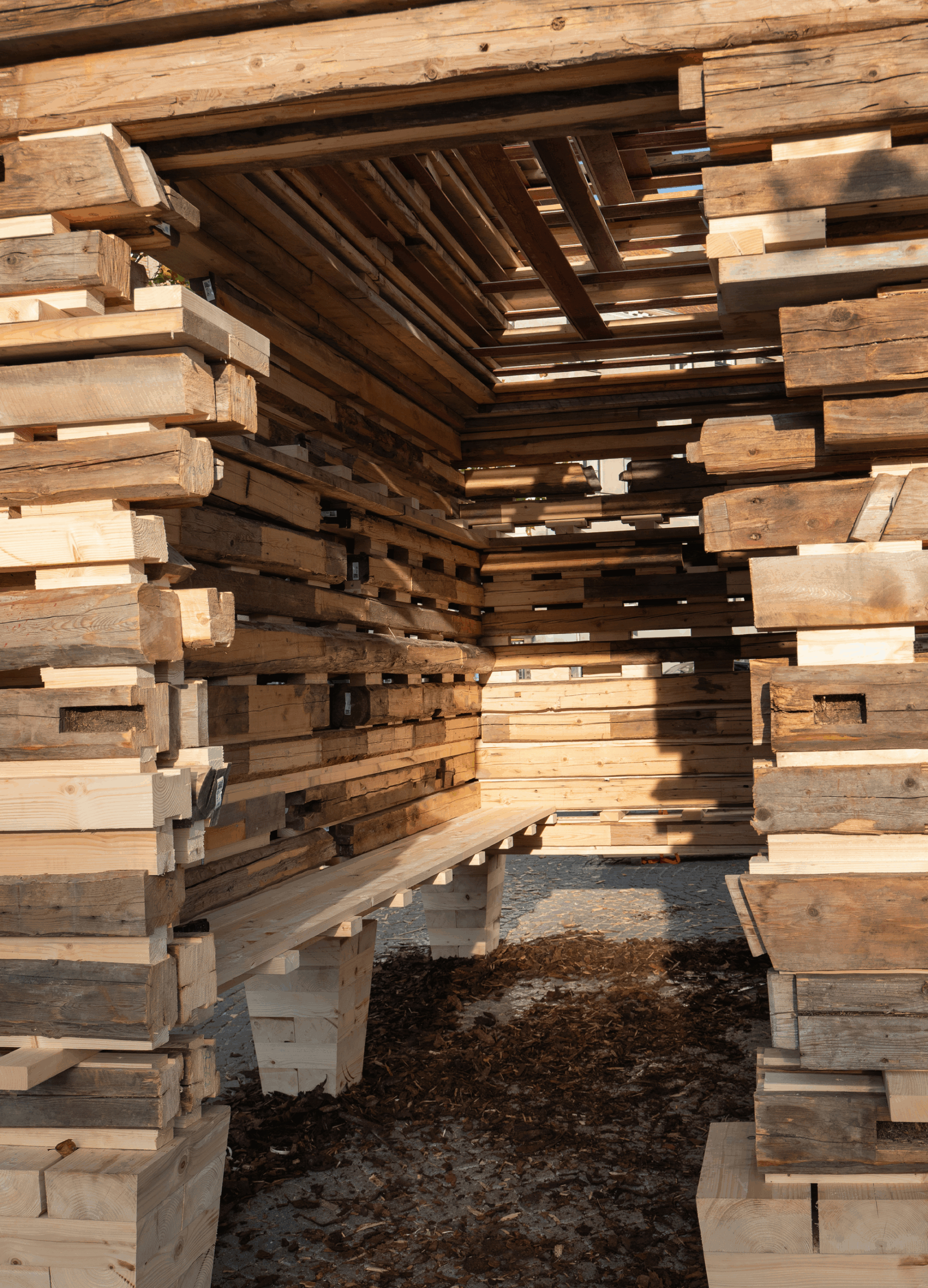
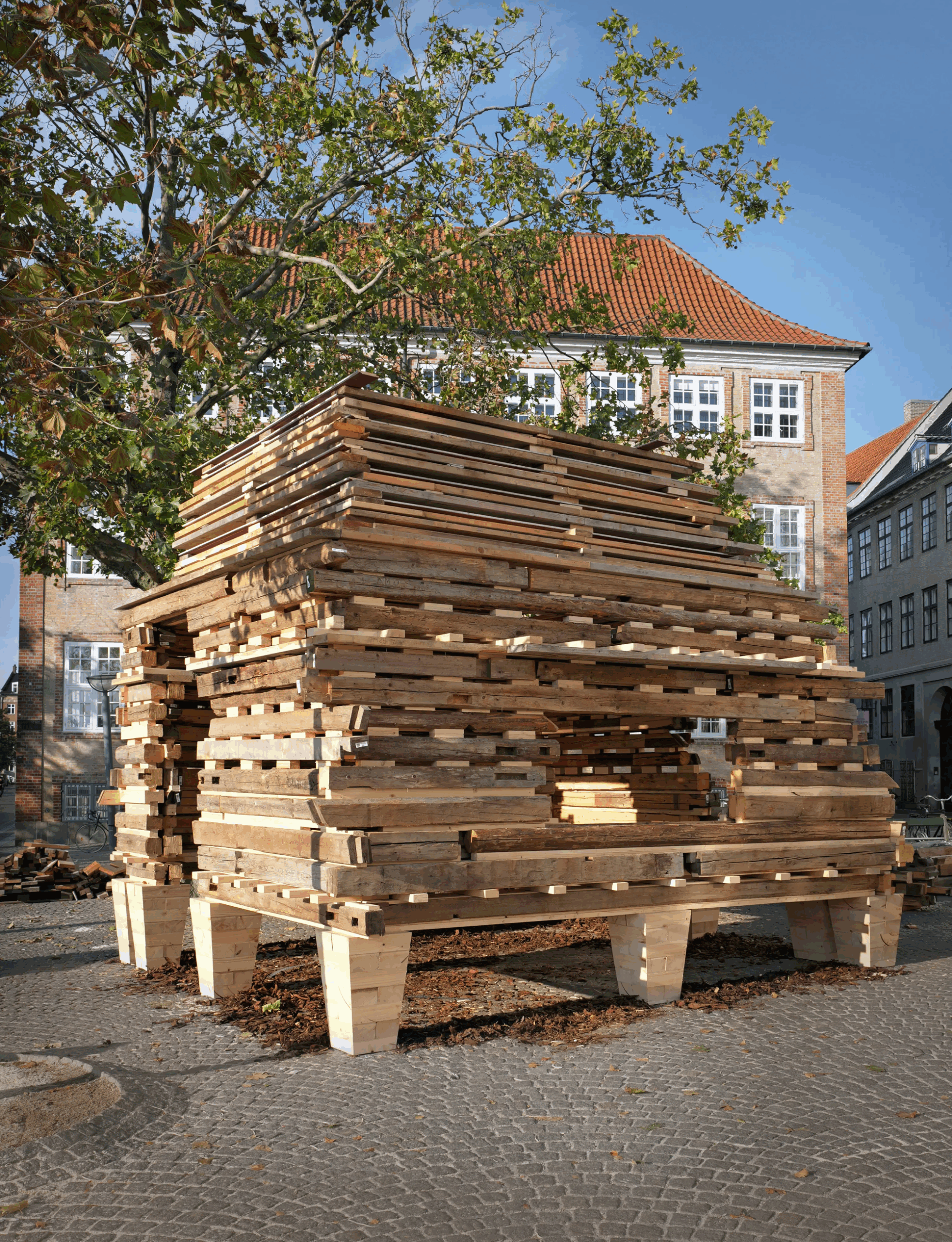
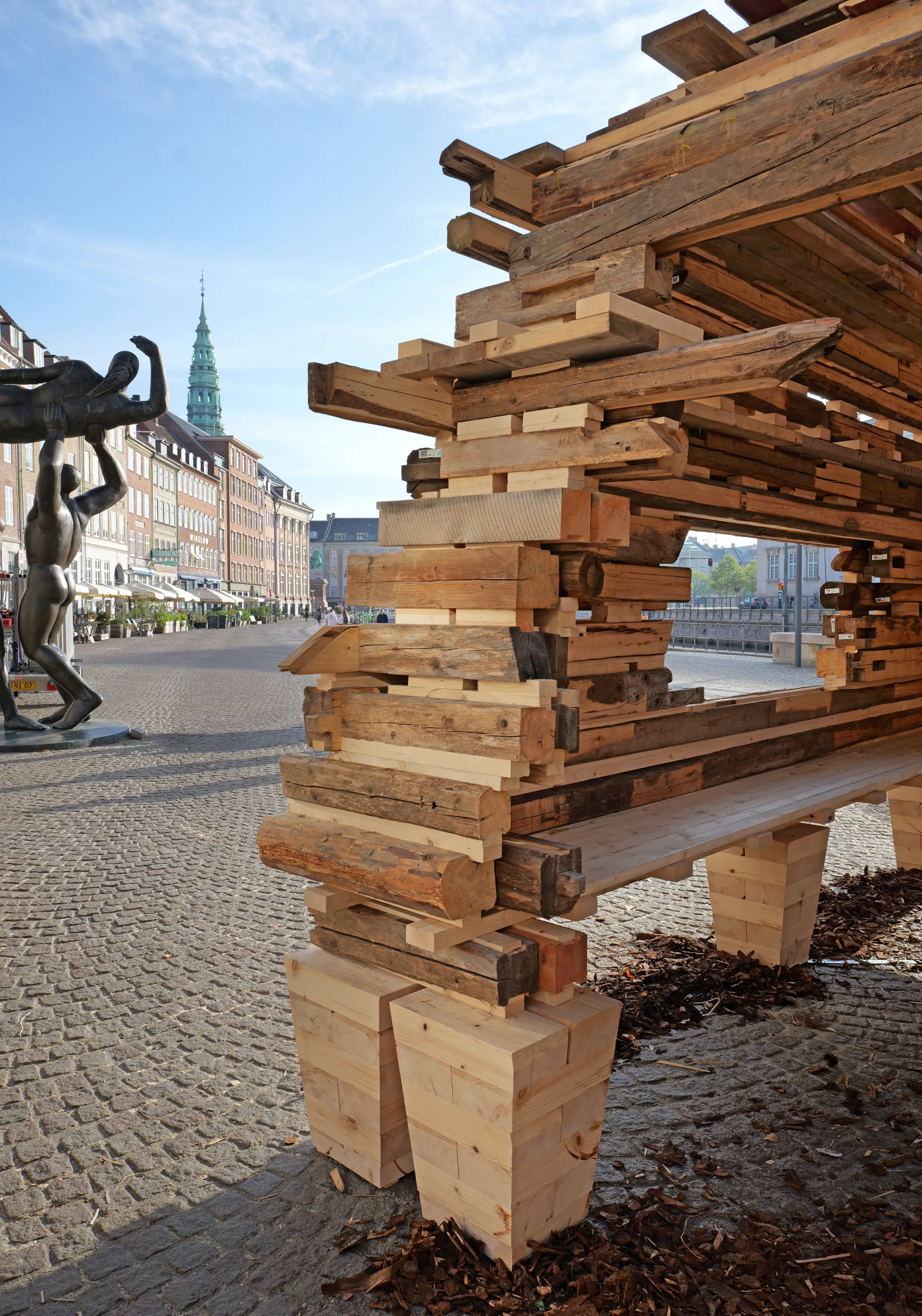
As part of the Copenhagen Architecture Biennial 2025, architectural designer Tom Svilans and London-based THISS Studio present Barn Again. The pavilion reinterprets the traditional Norwegian barn through the expressive use of reclaimed timber.
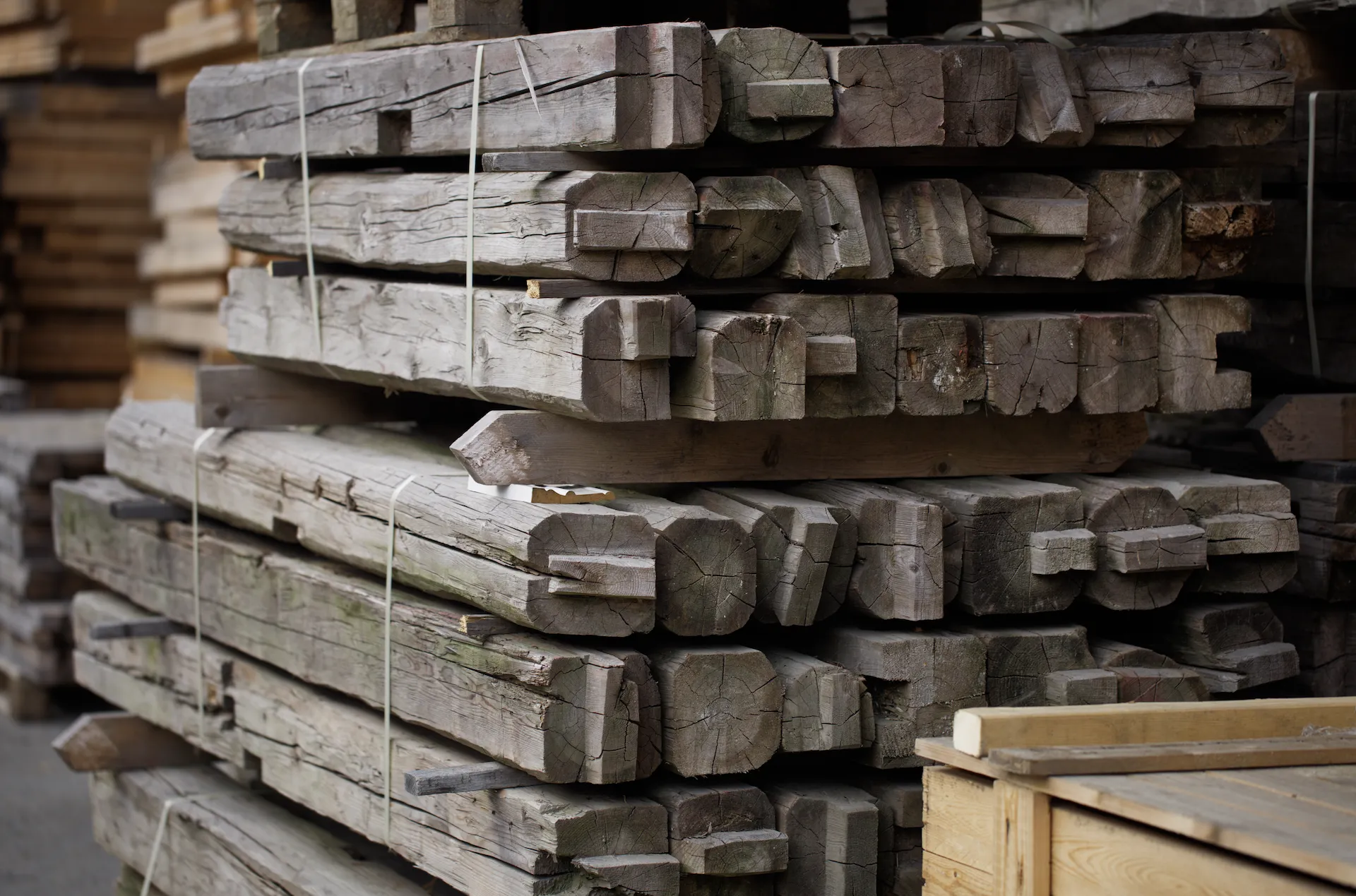
The project responds directly to the biennial’s theme of “Slow Down”. It invites reflection on material life cycles and the pace of construction. By salvaging timber from a disused barn—weathered wood that has already served a purpose—the designers extend the value of these materials. As a result, they demonstrate how architectural heritage can be reconfigured for a new and contemporary role.
Material Innovation and Craft
Barn Again combines the tactile qualities of aged, reclaimed timber with the precision of machine-made joinery. The structure forms a cocoon-like pavilion in the plaza at Gammel Strand, where its rural typology contrasts with the urban setting.
Through this design, traditional handcraft meets advanced digital fabrication. This creates a dialogue between past and future ways of building. For architects and designers, the pavilion shows how reclaimed wood can act as both a structural and expressive material. The interplay between patina-rich surfaces and digitally cut joints highlights the aesthetic and technical possibilities of circular timber design.
Circular and Sustainable Design
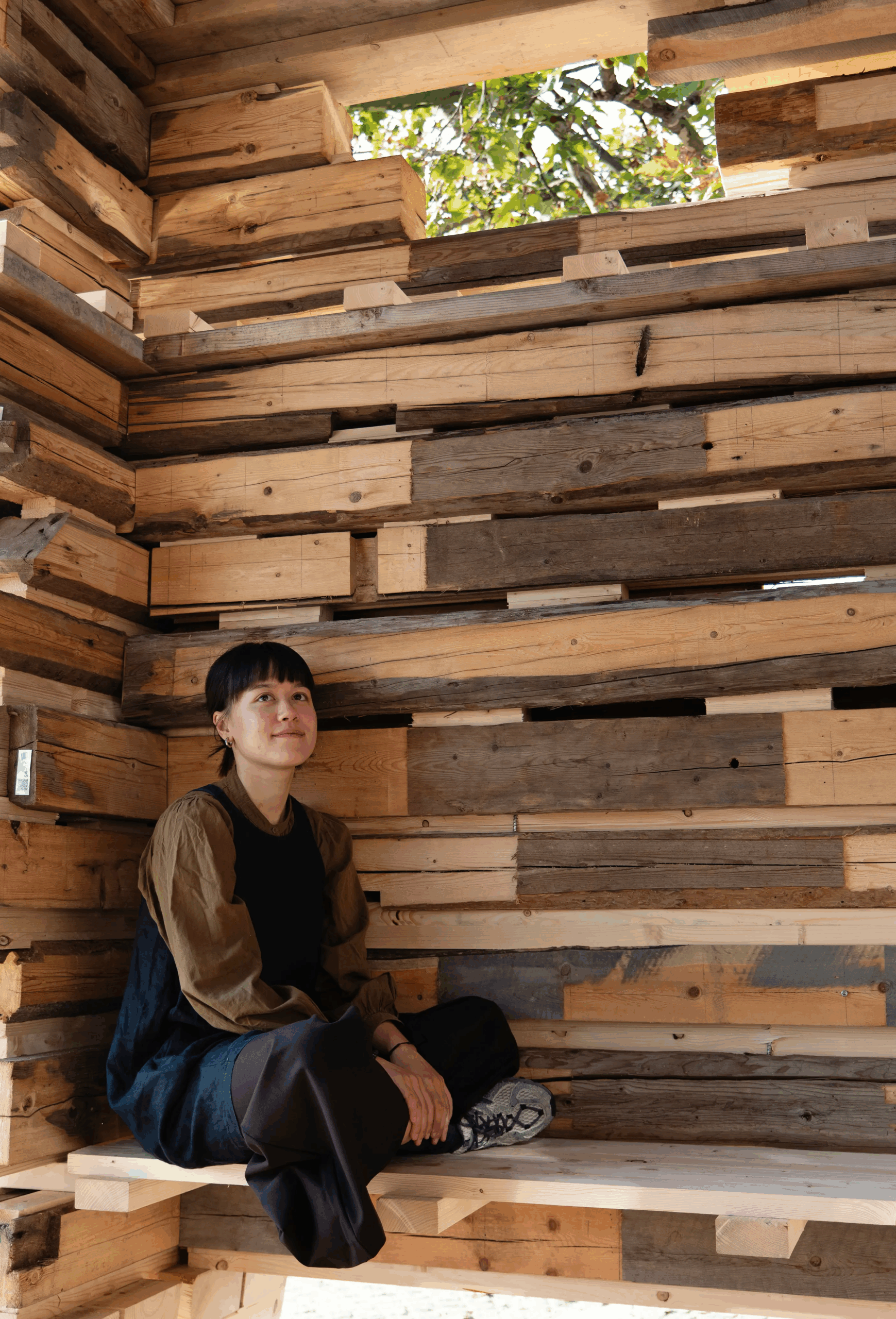
Beyond its architectural form, Barn Again embodies the principles of circularity and sustainability. By elongating the lifespan of the material, the project challenges conventional ideas of waste and efficiency in construction. Moreover, it offers a place of pause in the city while promoting a vision of slower, more ecological approaches to building.
As jury member and curator Chrissie Muhr observed, the selected pavilions articulate “a most current and forward-looking architectural agency, situated within the broader transition toward circular building.” Therefore, the project stands as an inspiring model for designers who want to integrate reclaimed materials, sustainable craftsmanship, and innovative reuse strategies into their own practice
Source: Copenhagen Architecture Biennial
Photos: Maja Flink / Tom Svilans / Copenhagen Architecture Biennial

Comments