Search
48 results for “filament”
- Fishy Filaments
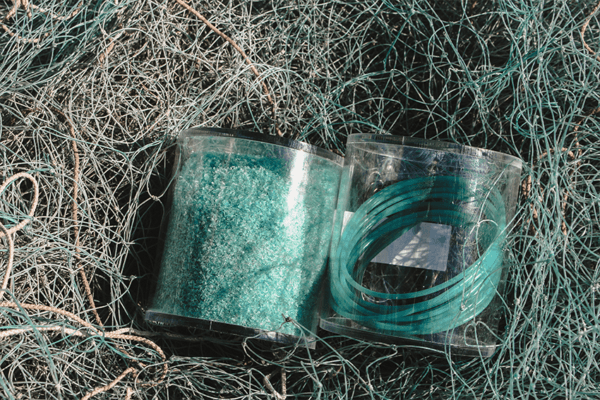
- Fishy FilamentsFishy Filaments™ aims to provide a win-win solution to fishing communities by taking end-of-life fishing gear and transforming it into commercially viable products that have the potential for a multitude of uses. The high quality 3D printer filament is made from 100% recycled marine nylon.
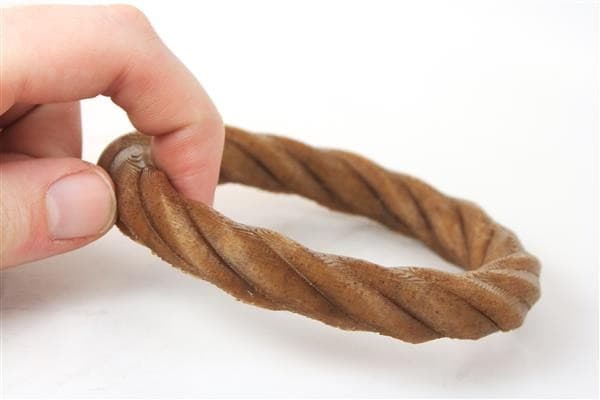
- Special FilamentsThe ability to 3d print with various materials on your desktop 3d printer appears to be a very important aspect for many users. Therefore, Colorfabb ventured into the world of composites for 3d printing at home with materials such as woodFill, bronzeFill, copperFill and bambooFill.
- Fascinating 3D printing filaments3D printing is the future of manufacturing, whether it’s in construction or for products. This production method deposits only the amount of material needed…
- Harnessing Fungal Filament Structures to Create Stronger, Sustainable MaterialsEngineers at Binghamton University (SUNY) have discovered a way to make biodegradable materials stronger—by studying mushrooms. Their research shows that the internal structure of…
- ExtrudeX: A Desktop Recycler Turning 3D-Print Waste into New FilamentAs 3D printing becomes increasingly integrated into professional design practice—from architectural modelmaking to experimental fashion and product development—the issue of material waste continues to…
- Recycled HIPS filamentThe recycled HIPS (High Impact Polystyrene) filament is made from the inside of old refrigerators. The material is up to 100% recycled. After extensive testing and optimising, Refil has created a premium quality recycled filament. The material can be glued and painted, making it ideal for scale models.
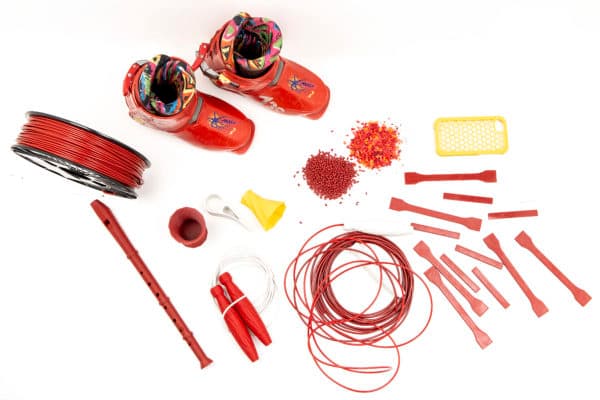
- Creamelt TPU-R filamentCREAMELT TPU-R is an elastic filament for 3D printers that consists of 100% recycled ski boots. For the recycling, people with disabilities of the ARGO workshop in Davos collect old ski boots and disassemble them. After a chemical analysis and colour sorting, the plastic is shredded, remelted and extruded into new filaments.
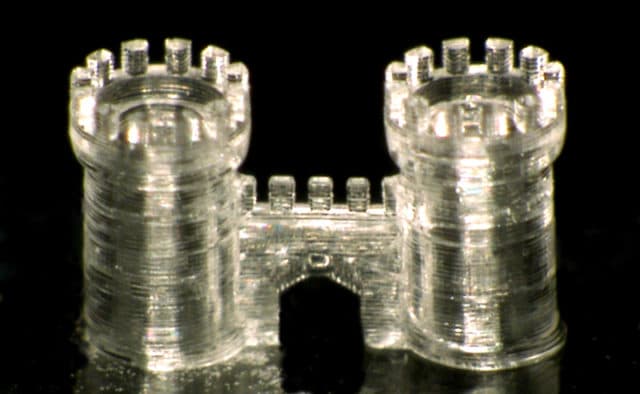
- 3D printing with glass filament at homeIn the past years, 3D printers have become affordable enough that people can have them at home. The development of filaments has gone just…
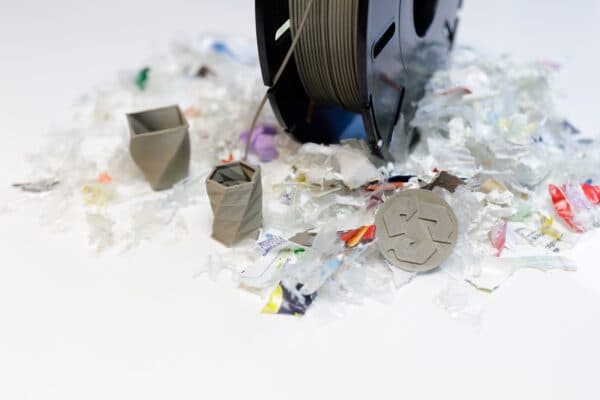
- Recycled Plastic Packaging Waste Developed into 3D Printing FilamentResearchers from the Fraunhofer Institute for Manufacturing Technology and Advanced Materials IFAM and Hochschule Bremen – City University of Applied Sciences have developed a…
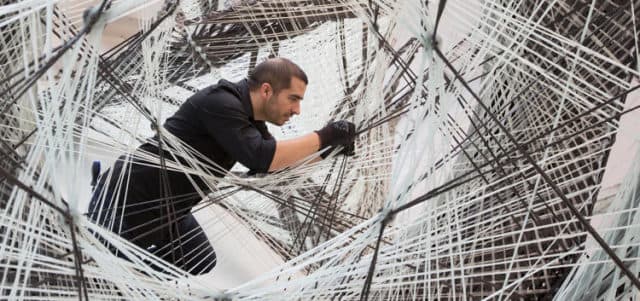
- Elytra Filament Pavilion Features New Robot-Fabricated Building MaterialThis week, the robot-fabricated Elytra Filament Pavilion opened at the Victoria & Albert museum in London. It's unusual structure is made from a super…
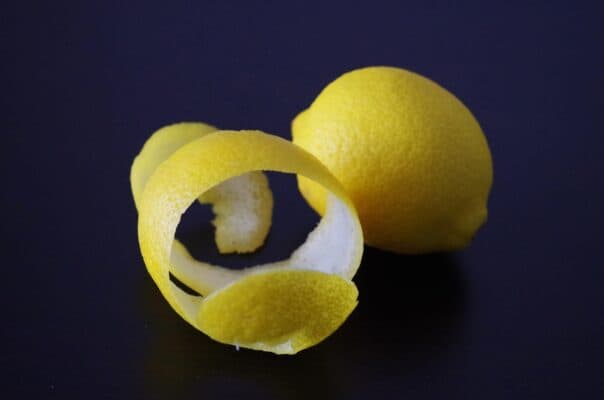
- Lemon Peel Waste Turned Into Bio-Based Textile FilamentsResearchers have developed a circular method that transforms lemon peel waste from juice production into biobased textile filaments. The study shows how food industry…
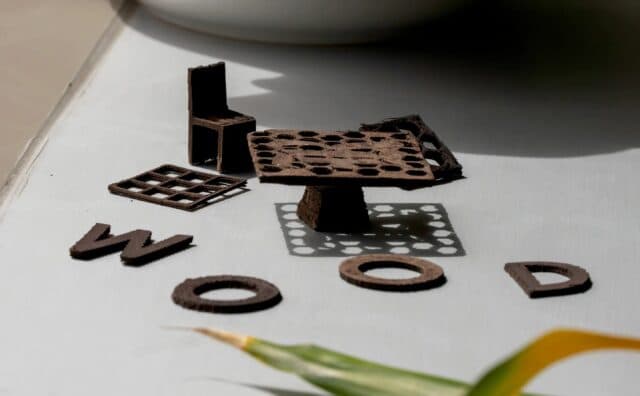
- A 3D print filament made out of wood components onlyResearchers from Rice University in the US developed a 3D print filament made up of only wood’s natural components, allowing to print ‘truly’ wooden…
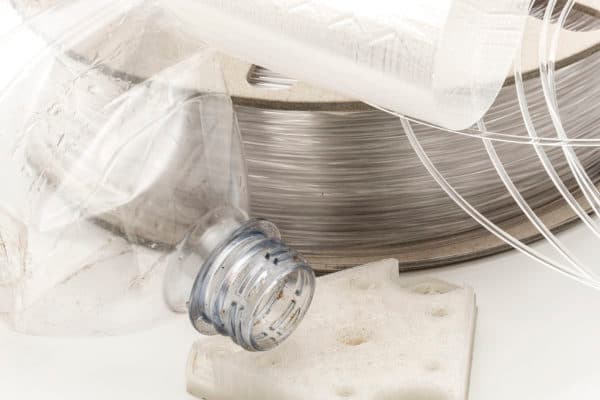
- RefilThis recycled PET filament is made from old PET bottles. It’s up to 90% recycled and is a premium quality recycled filament. The recycled PET filament prints really easy. It's strong, flexible and almost no warping during printing. Furthermore it's a very clean plastic, meaning that it's food contact acceptable (FCA) and you won't have any smell during printing.
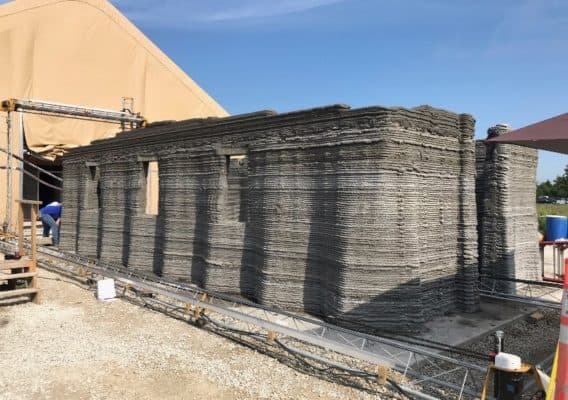
- How 3D printing can aid the military3D printing can be used to make anything from small objects to whole houses. Today, we show two projects in which this manufacturing technique…
- Eco-friendly printing with beer, coffee and hempThis month, 3d printing filament company 3Dom USA in collaboration with biocomposite company c2Renew presented their latest product 'Entwined', a biobased, sustainable 3d printing…
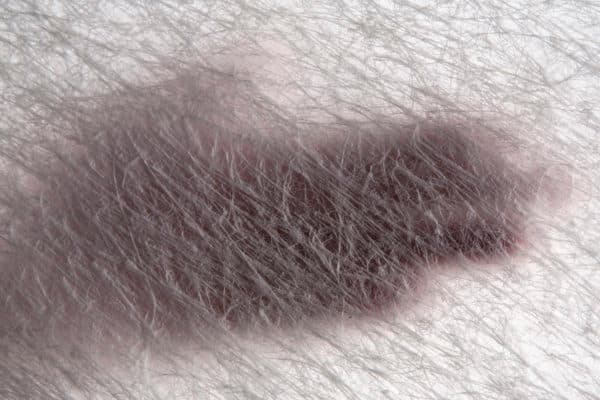
- CocoonThis silk like material is great for lamps. Process: the filament is sprayed onto the rotating frame until it is fully covered with the first layer of filaments. A few hours later, the ‘cocoon’ receives a coating. For this, a special coating material is being applied to the woven frame that combines with the filaments with the effect that the shade receives an extremely elastic skin.
- ReFil: The Sustainable 3D Printing Material from Better Future FactoryA large number of currently available 3D printers make use of a plastic-based ink called ‘filament’. Makers use these filaments to 3D print products…
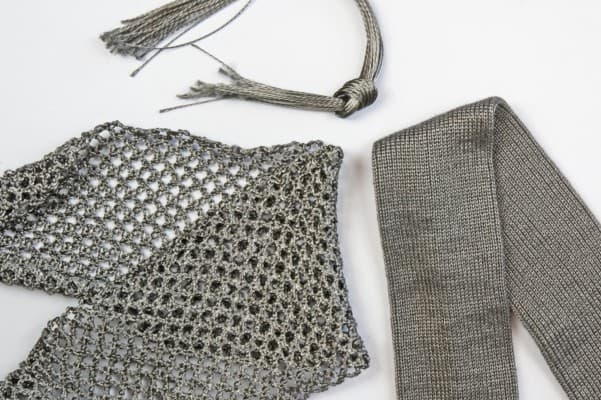
- Bekaert Bekinox VNBekaert Bekinox® VN continuous stainless steel filament yarn is the most flexible and durable electrically conductive filament yarn.
- SustainaPrint: A Greener Approach to Stronger 3D PrintingResearchers at MIT’s Computer Science and Artificial Intelligence Laboratory (CSAIL), in collaboration with the Hasso Plattner Institute, have developed SustainaPrint, a toolkit that makes…
- A 3D printed kinetic installation made of recycled plasticDesign studio Atelier DARN created a kinetic installation made of 3D printed pieces made of recycled plastic. For the 2024 edition of Festival des…
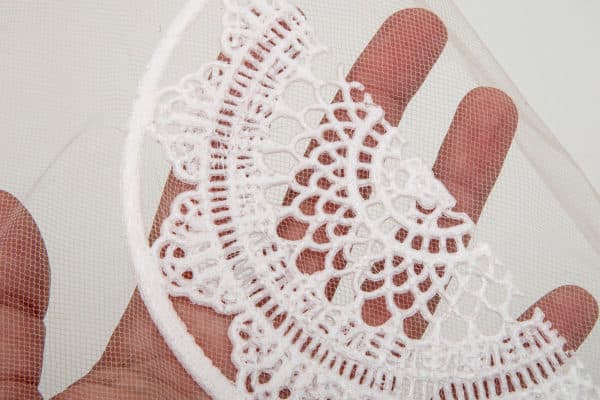
- Lace 3D print on tulleace is a delicate fabric made of white yarns in an open structure. Labeledby tried to mimic this authentic look of lace, using a digital manufacturing technique: 3D printing. White tulle was used as base and 3D printed with a white filament on top of it. Labledby digitalised a lace pattern and printed this 2D pattern on top of the tulle. They used a semi flexible filament because they wanted to mimic the look but also the feel of lace; non stretchable but not too rigid as well.
- 3D printed textile-based lampsWith her project Conductive Origami, Jerusalem-based industrial designer Yael Akirav designed a series of lamp shades inspired by origami, by 3D printing conductive filament…
- ColbackUsing so-called 'bi-component' yarns based on a higher melting polymer constituting a stiff core filament surrounded by a lower-melting skin polymer, a unique 'non-woven' can be made. The non-wovens can be used for various applications including primary backing for tufted carpets, filtration support media and carriers for coatings, laminated polymers etc.