Search
48 results for “glaze”
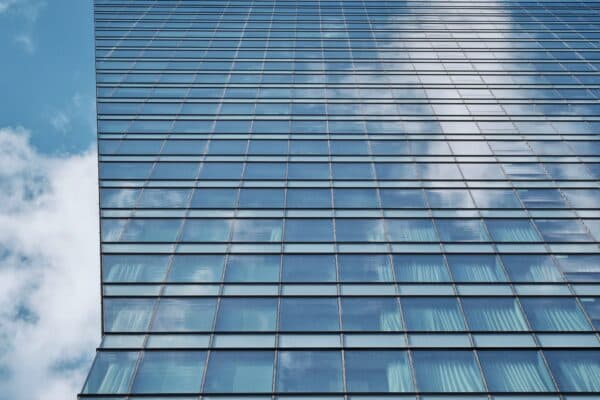
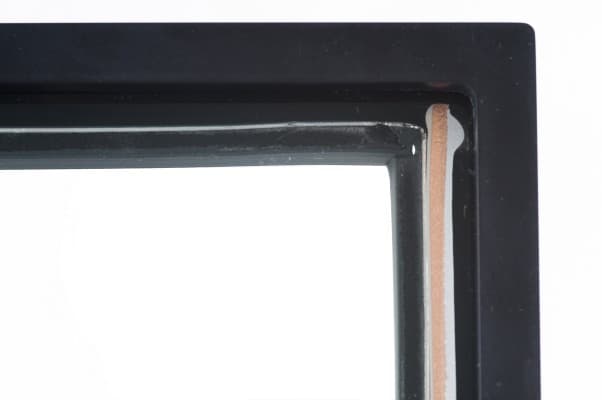
- WAVETHRUWAVETHRU is a high-performance material innovation designed to mitigate the radio signal attenuation caused by thermally insulated glazing. As building envelopes increasingly rely on coated double-glazing to meet energy efficiency and insulation standards, these materials often act as barriers to mobile signal penetration.
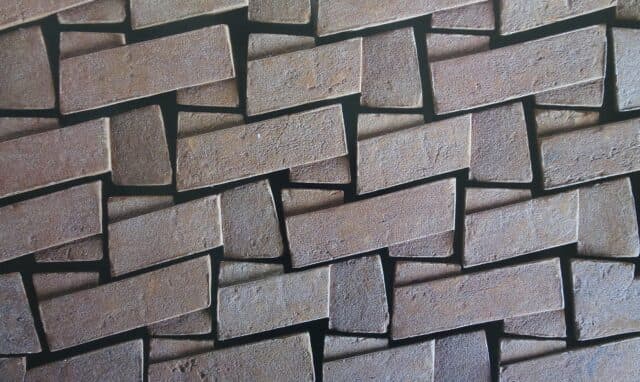
- JEWEL BRICK – Knit brickSix basic shapes that, in varying compositions, lead to infinite combinations, creating walls with a surprising relief that dazzles the eyes. Playful observations stimulate perception. The application of glazes can add an extra layer to this. This way of designing is not about an individual stone. It is about the many combinations that contain the possible compositions to create walls that resemble a warm sweater that makes you feel cherished.
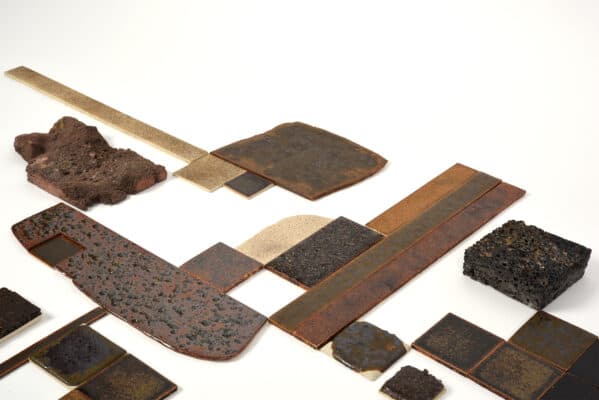
- ScoriaThe scoria series explores new stone glazing methods while working among the unique material features of volcanic scoria. Unlike traditional stone glazing, the low melting point of volcanic scoria allows for the use of solid rock pieces in the crafting of the glaze. This results in a layer that is significantly thicker than usual and forms a distinct layer of matter on top of the ceramic carrier. These unique features offer a whole new range of possible glazing techniques. Rocks upon ceramics.
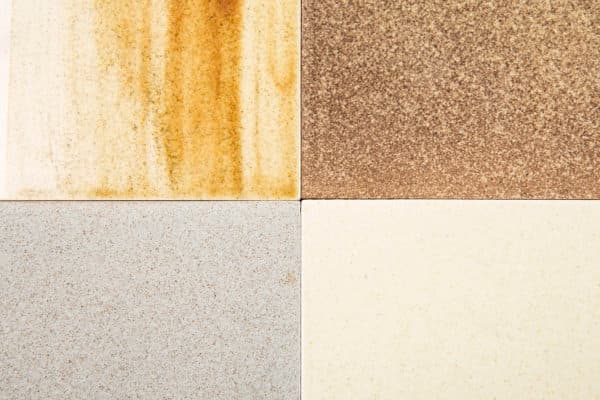
- Biofuel Waste is BlissThe Biofuel Waste is Bliss project redefines the use of ashes from bioenergy waste streams, creating new environmentally-friendly materials and architectural products, such as ceramic glazing for tiles and bricks. By incorporating up to 55% ash content in ceramic glazes and clay bodies, the project aims to replace the need for newly extracted materials while reducing the industry's CO2 footprint.
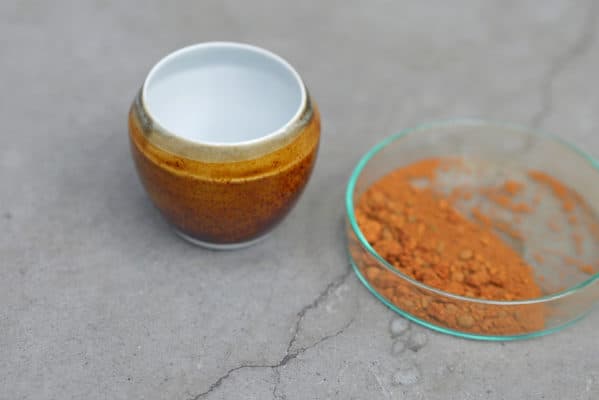
- Ignorance is Bliss project repurposes waste metal as pigmentsWith her ongoing Ignorance is Bliss project, designer Agne Kucerenkaite repurposes metal waste from industries as pigments to make new valuable products, including ceramic…
- Studio Christine JettenStudio Christine Jetten is a unique leading design studio specialized in ceramic surfaces and custom glaze development for architectural ceramics, both façades and interiors.…
- Sky blue 3D TilesThe white to sky-blue glaze is made from a layer of glass. The glass is composed of a mixture of non-organic minerals: metal oxides and silicates. This is mixed with water to form a liquid, which is then poured over the moulded ceramics. Alternatively, products can be immersed or sprayed with the glaze.
- Temperature-Responsive Windows Could Reduce Building Energy UseWindows provide daylight, views and a connection to the outdoors, but they also form a thermally vulnerable part of the building envelope. A scientific…
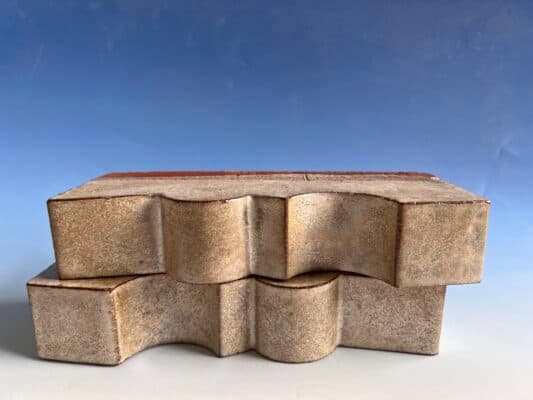
- JEWEL BRICK – StormThese relief bricks create an undulating surface that can be ordered from calm to dramatic. In the shift, relative to each other, a movement is created that is associated with heavy waves. The playful stacking of relief stones creates changing views from different angles and thus different experiences. In doing so the emphasis is on the use of our senses.
- CLEAN-AIR-CITY-CERAMICSClean-Air-City-Ceramics closes a loop. Harmful particulate matter that is captured directly from the polluted air in heavy industry is given a place in the production of glazes for architectural ceramics. Here you can see an example of a tile made from 60% recycled materials and finished with a waste glaze from the Clean-Air-City-Ceramics series.
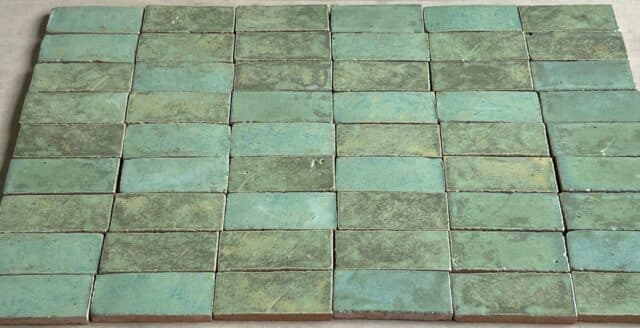
- Terres émailléesThis project transforms this excavated soil and demolition waste into glazed ceramic tiles. These excavated materials, such as clay, marl, sand, limestone, as well as demolition debris like bricks, granite, and glass, find a new purpose. Glaze recipes have been formulated by mixing finely ground waste materials in specific proportions. Clay body recipes have been developed using excavated clays and marls.
- Growing old beautifullyPatina we associate mainly with natural weathering of bronze sculptures. Or with a coating on an object that has been in the ground for…
- ForzGlazeForzGlaze is ceramic glaze made with mineral residue Forz, sustainable resources extracted from mineral residue. The material is used in concrete and other building projects, reducing the need for primary resources. ForzGlaze is suitable for consumers and meets the current environmental demands. The recipe can be customised to change the colour or gloss of the glaze.
- E-GLASE-GLAS® is a glazing unit which emits electronically controlled radiant heat. E-GLAS® is an integrated and invisible heating solution. It allows for increased visual and thermal indoor comfort. At the same time, it resolves structural problems of maintenance and visibility linked to condensation or snow.
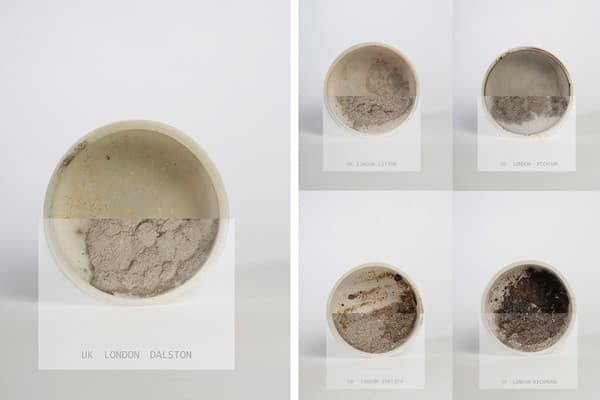
- DUST MATTER(s)DUST MATTER(s) is a case study by Lucie Libotte that examines a common discarded matter - domestic dust - to innovate a new type…
- Lava Tiles (Flower print)Cut lava stones tiles are hand glazed using a special painting technique and then fired at a high temperature. The result is a tile featuring vibrant colours along with the strength, moisture resistance and thermal insulation properties of natural stone. Lava Tiles are also available with a flower print that is created by combining a glazed and silk print on top of the lava stone.
- PLAT DU JOURPLAT DU JOUR is an open-ended collection of glazed tiles made from post-consumer mineral waste and reclaimed clinker tiles from the Soviet era. Whichever mineral waste is locally available at a given moment has the potential to become a significant part of the glaze, upcycling the clinker tiles into vibrant surfaces.
- 3D clay printed ‘Delft Blue’ tilesNew Delft Blue, a project by Dutch architectural design company Studio RAP, reinterprets the world famous design of Delft Blue porcelain, fusing 3D clay…
- Eliminating conduction and convectionHeat travels in three modes, and vacuum effectively eliminates two of them: conduction and convection. Researchers at Guardian Industries have recently unveiled a new…
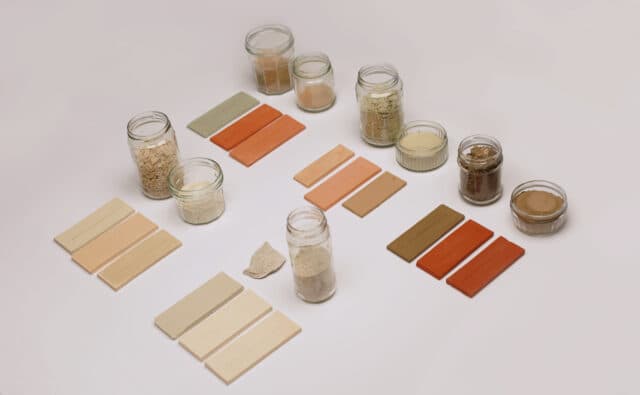
- Ceramic sandCeramic sand explores the question what the effect of sand is on the colour and structure of ceramic pieces. Using various kinds of sand from various places, designer Marin Jansen experimented with adding sand to clay. In addition, she also used sand to make glaze. The same sand added in a glaze but fired in different ways (oxidation, 1260 C, reduction and oxidation 1050 C) gives different results.
- ArtileWith the Artile process, photographic imagery can be applied to swimming pool and glazed wall tiles. After firing at very high temperatures the finished design is encapsulated within the glaze matrix giving the protection from light and weather. The Artile is colour, fade and UV resistant.
- ClassicoClassico glass is available in three versions. Handcrafted, this version bears a strong resemblance to the glass produces prior to 1920. Classic, glass that was produced between 1920 and 1960. Modern, glass produced after 1960.
- TrosifolTrosifol offers a wide range of products for different applications in architectural glazing. It's available as safety glass. Glass laminated with Trosifol has good properties in respect of safety, security, long term stability, noise reduction and uv protection.
- Kerrigan Architectural TileThese high relief, large format ceramic architectural tiles are designed and manufactured by Bryan Kerrigan, using a high fired stoneware clay body and glazes from Mason Color Works. The hand sculpted ceramic tiles are oversized, glossy, super 3-d pieces that are more art than decor.