Search
48 results for “microorganisms”
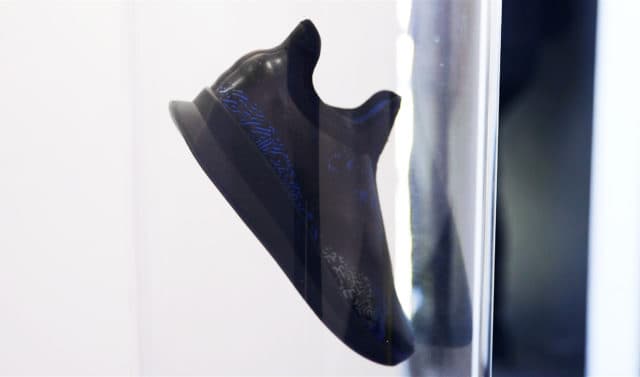
- Micro-organisms that adjust your shoesSports company Puma is working on an experimental sports shoe that uses biologically active materials to adapt to the wearer’s foot. The shoe, presented…
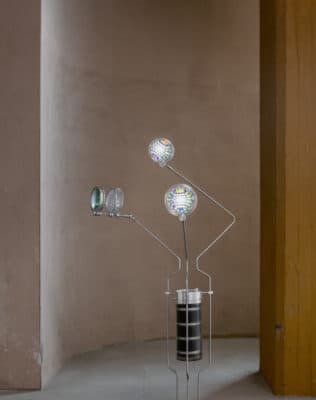
- A light installation powered by micro-organismsFor het project Electric Life, designer Teresa van Dongen developed a light installation powered by micro-organisms commonly found in the muddy soil of rivers…
- Biodolomer® TBiodolomer® T is a biodegradable and industrially compostable bioplastic for sheet extrusion and thermoforming. GAIA has achieved great success by adding minerals to its patented method. Biodolomer® T bioplastics can be broken down by microorganisms. In the process, the microorganisms emit enzymes which break down the polymer chains of the material into smaller molecular components.
- Living Façades: Microbial Coatings for Sustainable ArchitectureA team of researchers and companies, including Graz University of Technology, is developing a groundbreaking way to make building façades come alive. The project,…
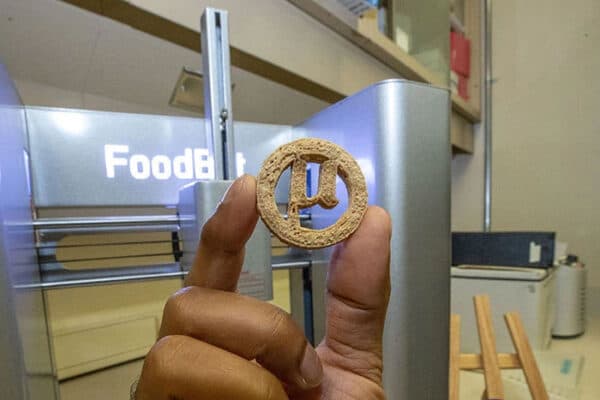
- Microbes Turn PET Waste Into 3D Printed FoodResearchers at Southern Illinois University (SIU) Carbondale have developed a process that uses engineered yeasts to convert plastic and agricultural waste into edible ingredients.…
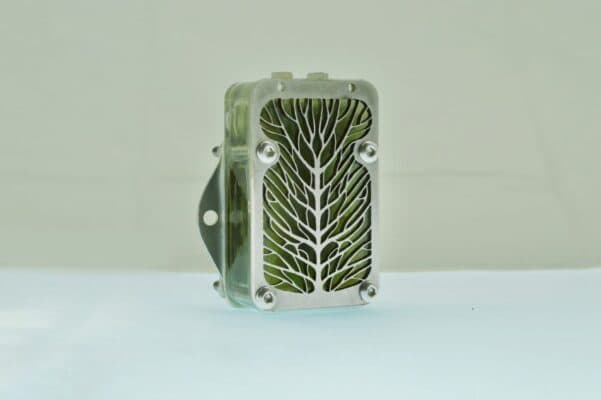
- Living Algae Biocells Offer An Alternative To Disposable BatteriesResearchers at the University of Cambridge have developed a living ‘biocell’ that uses photosynthetic microorganisms to generate electricity continuously. The technology could provide a…
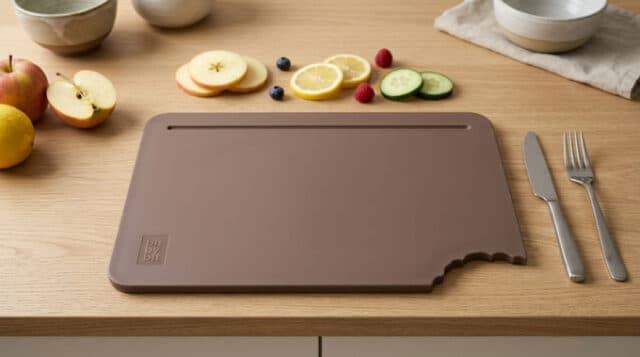
- Biobased PHA Cutting Board Designed To Reduce Microplastic PollutionDutch start-up BitByBit has launched a Kickstarter campaign for a cutting board made from 100% PHA (polyhydroxyalkanoate), a biobased polymer produced by microorganisms. The…
- PHAmicroorganisms convert the carbon sources into PHA, which can then be extracted and purified for various applications. PHA has similar versatility to traditional plastics, allowing for a wide range of applications. However, what sets PHA apart is its ability to biodegrade completely, leaving no trace of harmful microplastics in the environment.
- Dyeing clothes with genetically engineered bacteriaThe British company Colorfix developed a method to genetically engineer bacteria to produce certain colour making enzymes. More than a hundred billion articles of…
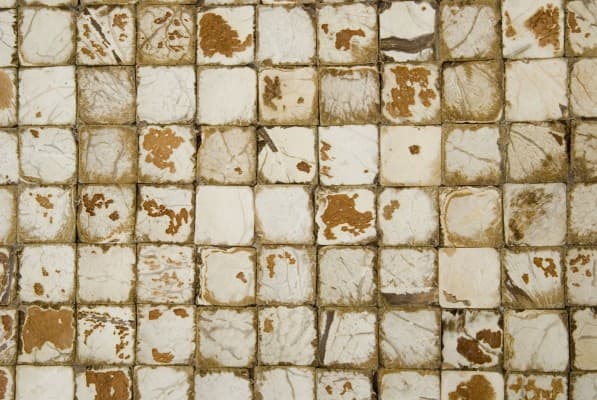
- Coconut TilesEkobe coconut tiles are made from Bahia coconut endocarp (hard coconut shell) using a patented process. It is a natural product which has no environmental impact. The fact that the coconut shell is made of approximately 50% lignin (natural resin), gives it great resistance to decomposition by micro-organisms and insect attack.
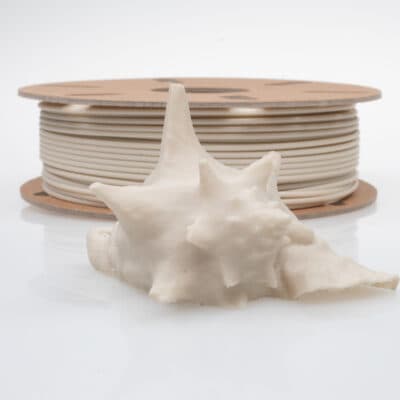
- Fascinating 3D printing filaments3D printing is the future of manufacturing, whether it’s in construction or for products. This production method deposits only the amount of material needed…
- Bio-AmiCoFitexThe Bio-AmiCoFitex coating provides a bio-based anti-bacterial and anti-fungal protection for textile, complying with the criteria of the new biocide regulation that urges manufacturers to apply non-hazardous alternative biocides. The biobased antimicrobials were applied by padding. During padding, a textile is impregnated with additives and a binder via immersion in a solution (often water-based).
- Living Architecture is developing bioreactor bricksA house that can recycle wastewater and generate electricity from sunlight without the need of things like solar panels. Sounds too good to be…
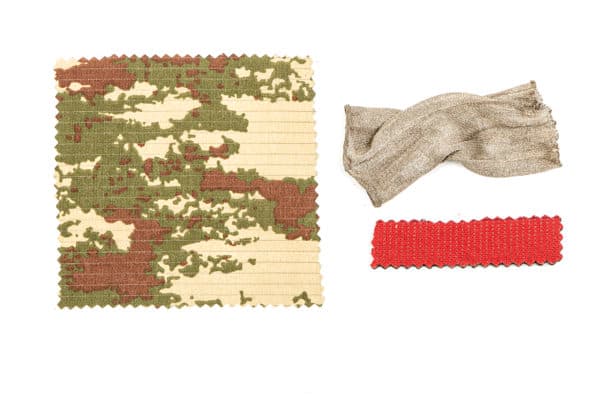
- AgUARDIANThe AgUARDIAN material is an antimicrobial polyurethane fabric. It eliminates odours caused by bacteria and kills 99.99% of all harmful micro-organisms which come in contact with the surface of the material. The silver ions are encapsulated within the .001 polyurethane skin. 75 colours are available, 137cm in width and per 10 yards.
- Grown Materials and Biological Making at Dutch Design Week 2026At Dutch Design Week 2026, taking place in Eindhoven from 17–25 October, designers explore how bacteria and fungi can contribute to material development. Projects…
- Glowing Yeast Workshop Explores Synthetic Biology And BiodesignLifeFabs Institute in London is inviting the public to explore the science behind genetically modified, fluorescent yeast. The hands-on workshop, titled Brew Your Own…
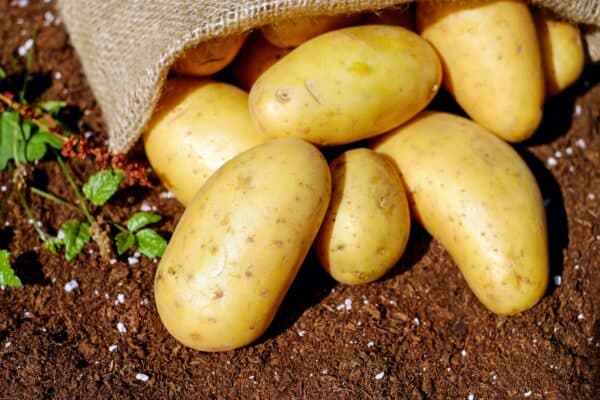
- Engineered Bacteria Turn Potato Starch Into Biodegradable BioplasticResearchers at the University of Barcelona have developed a biodegradable bioplastic from unprocessed potato starch. The material offers a promising alternative to conventional petroleum-based…
- Bacterial Factories Turn CO₂ into Feedstock for Sustainable MaterialsThe chemical industry underpins almost every aspect of modern life, supplying the building blocks for products ranging from textiles and cosmetics to insulation materials…
- Microbes Harvest Metals From Meteorites In SpaceMicroorganisms may play an unexpected yet crucial role in the future of sustainable material sourcing—both in space and on Earth. A recent experiment conducted…
- Lab-Grown Sweater: A New Frontier in Material DesignThe Lab-Grown Sweater represents a revolutionary step in textile development, made from an entirely new type of molecularly engineered biomaterial. Developed by Vollebak in…
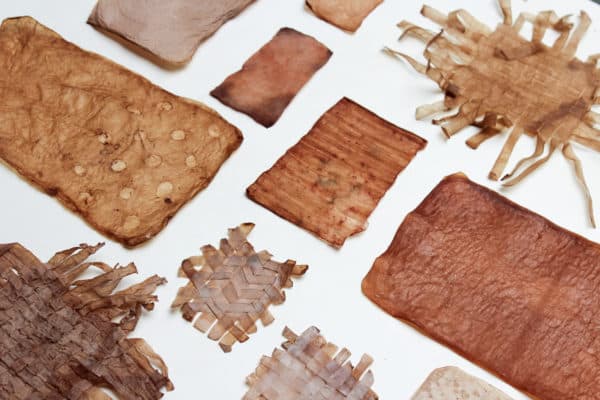
- Biological grown materialStudio Lionne van Deursen developed a collection of biological fabrics dyed with natural pigments. During this ongoing material research the possibilities of a biologically grown material are investigated. Microbes are used to grow this biological material which is made of bacterial cellulose.
- Designing living productsAssociate professor Elvin Karana and her team at the faculty of Industrial Design Engineering at TU Delft in the Netherlands are exploring the potential…
- Turning food waste into biodegradable plasticsCanadian-based company Genecis developed biological processes that convert food waste, otherwise destined for the landfill, into biodegradable plastics. The type of plastic Genecis produces…
- suprlabs ++VESUPRLABS ++VE is a permanent coating of 99.9% pure silver on a textile substrate or other formats (foam, fabric, etc.). It retains all the characteristics of the substrate and hence can be used in any textile-related application with ease. Silver is irreversibly bound to the substrate and becomes a physical part of the base material.