Search
13 results for “oil spills”
- Polymer made from industrial waste could help clean up oil spillsAn international team of researchers at the Flinders University in Australia developed a new polymer made from waste cooking oil and sulphur, a by-product…
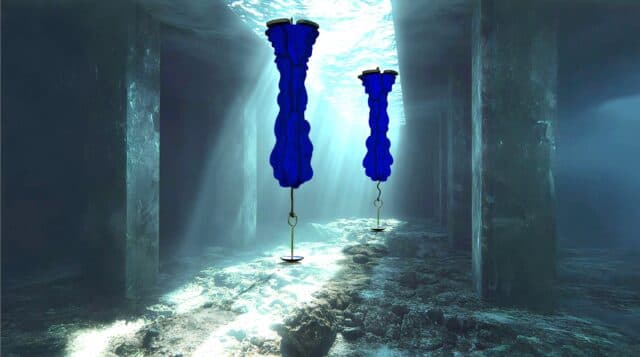
- How architecture can help with oil spillsFor their master thesis project, Greek architects Chrysi Vrantsi and Chrysanthi Vasileli, supervised by Dr Maria Voyatzaki, considered how architecture could help design an…
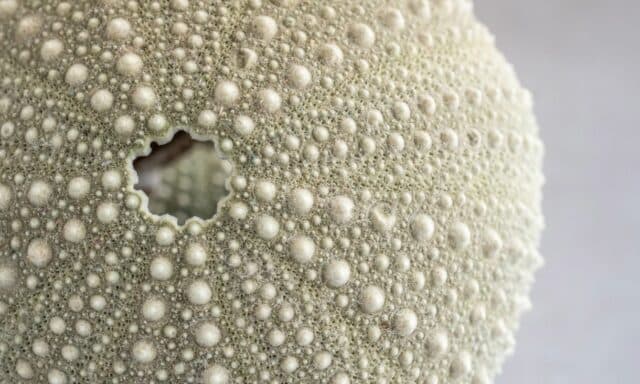
- Sea-Urchin-Inspired Coating Enables Robot To Filter Oil From WaterResearchers at RMIT University in Australia have developed a new oil-water filtration coating inspired by sea urchins. The material captures oil while repelling water.…
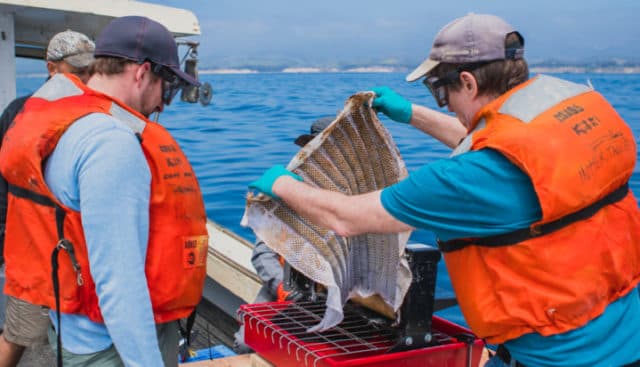
- Polyurethane foam Oleo Sponge successfully removes oil sheenDeveloped last year, the so-called Oleo Sponge, which is made of polyurethane foam, has proven itself in real-life circumstances, cleaning up even hard-to-clean oil…
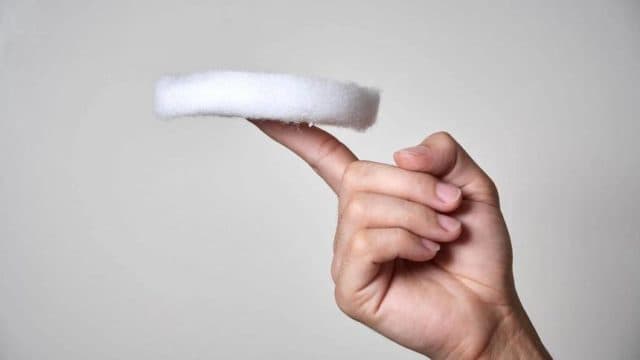
- Discarded Wool Absorbents Target Harbour PollutionSwedish designer Sebastian Fältström has developed Macro Fibers, a reusable system that removes oil and heavy metals from small boat harbours. The project uses…
- Best of 2019: Extracting microplastic from water using magnetsOriginally published on 11 August Irish teenager Fionn Ferreira developed a method to remove microplastic from water using strong magnets. Microplastics are plastic particles…
- Extracting microplastic from water using magnetsIrish teenager Fionn Ferreira developed a method to remove microplastic from water using strong magnets. Microplastics are plastic particles of less than 5mm in…
- A sweater made from human hairHuman Material Loop, a project founded by Studio Zsofia Kollar, explores the possibilities of waste human hair as a material and its integration into…
- A Safer Alternative to Non-Stick CoatingsA research team from the University of Toronto’s Faculty of Engineering has developed a new type of water- and oil-repellent surface coating that performs…
- World’s first PET aerogel is made from recycled bottlesResearchers from the National University of Singapore (NUS) developed what they say is the world’s first PET aerogel, made from recycled plastic bottles. Aerogels…
- The must for mushrooms in material designThe State of the World’s Fungi 2018 report, the first of its kind and written by scientists from Kew Royal Botanical Gardens in London,…
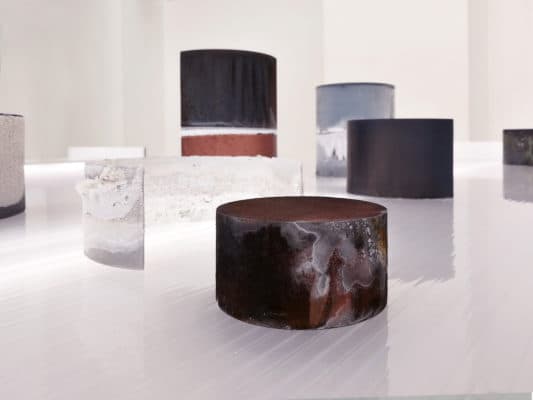
- Future Remnants: exploring human influence on the future of mineralsWith the project Future Remnants, designer Xandra van der Eijk explores what effect humans have on the evolutionary development of mineral formation by exposing metals…
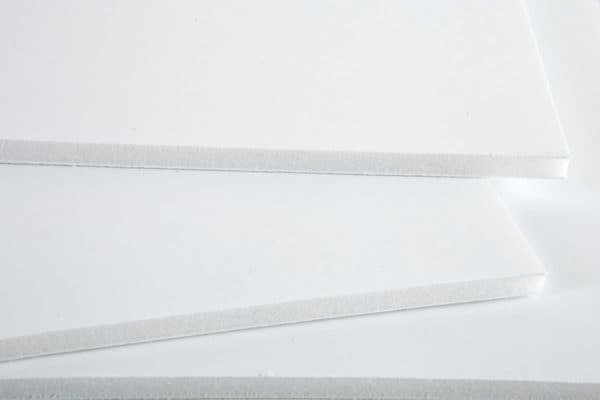
- BioLaminilThe BioLaminil panel does not contain glue and it is laminated by heat with Kraft paper, which is compostable. The foam inside the panel is polystyrene (XPS), which has been modified by adding a mix of bacteria during the extrusion process. Once the material has been disposed of in the landfill or accidentally lost in the environment, the bacteria inside is activated and begin to “digest” the foam.