Search
48 results for “salt”
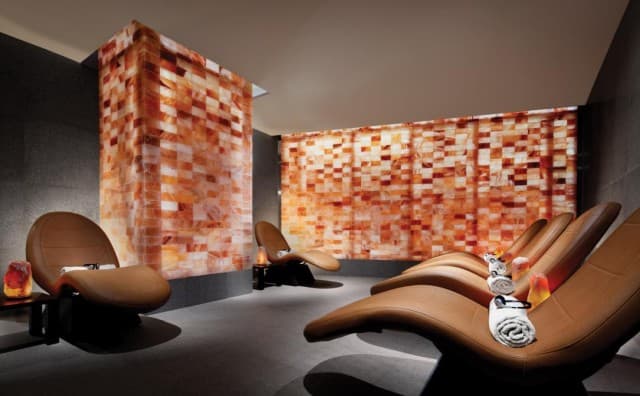
- Himalayan SaltBuilding with salt? Himalayan salt is rock salt or halite from a mine in the Punjab region of Pakistan, a primordial sea. The blocks and tiles are used for saunas but it can be a beautiful translucent wall in every interior. Sauna salt is great for the respiratory system, blood pressure, balancing blood sugar and pH acid levels. It is available in blocks and tiles, and glued with a special glue.
- Bolivia’s Healing Salt Block HotelThe Palacio de Sal (Spanish for "Palace of salt") is located at the edge of Salar de Uyuni, the world's largest salt flat, 350 km…
- Salt-block spa Salt bricks have healing properties and can be used for construction too. They are gaining popularity in modern environments for living and relaxation.…
- 3D printing for lazy people: the salt dressNowadays, you can 3D print with many materials, including salt. For example, there is the ‘3D printed house 1.0’ by Emerging Objects, or the…
- Himalayan Salt BlockHimalayan salt bricks have healing properties and offer a number of beneficial properties to modern living environments. Semi-translucent, the bricks glow a dark peach/pink to orange/burnt colour when lit from behind. Without light from behind, the bricks are a light peach/pink to dark peach/pink.
- Sea salt lamps inspired by the seaThe sea has long since inspired humans, and for materials it’s no different. The sea brings us seaweed and other algae, sand, fish leather,…
- Salt and Concrete HouseMade from concrete and locally harvested salt, the ‘3D Printed House 1.0’ by Emerging Objects is a case study design combining traditional methods of…
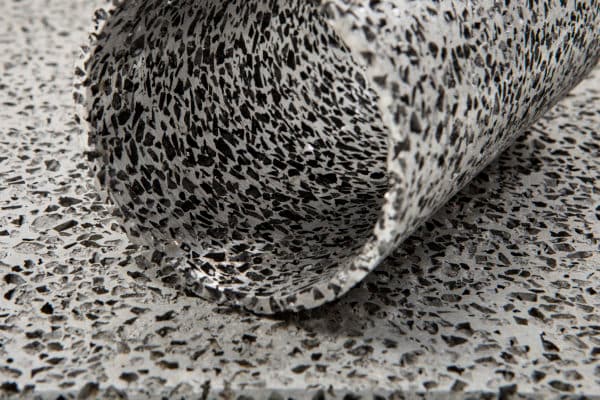
- Aluminium foam with saltThis aluminium foam is made by adding salt or other materials in the casting process. The salt is removed once the aluminium has hardened, turning the material porous. Depending on the size of the salt grains, the porosity can be varied. All openings are connected, which makes the material suitable to use in filter systems. The aluminium is lightweight, shock- and temperature-resistant.
- Salt Project by Eric GeboersRecent TU Delft architecture graduate Eric Geboers has developed a way of separating salt out of seawater in order to create a new type…
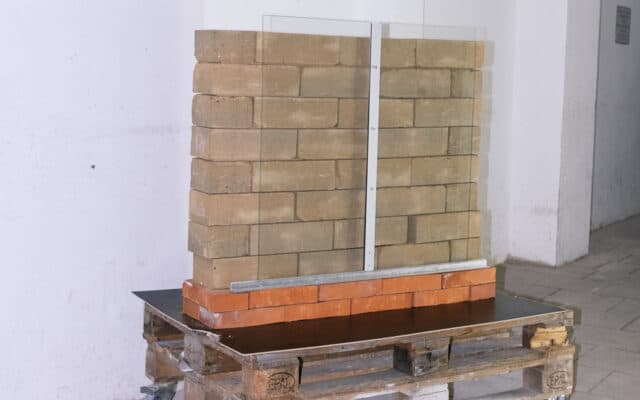
- Building with Sea Salt in the DesertRecent TU Delft architecture graduate Eric Geboers has developed a way of separating salt out of seawater in order to create a new type…
- Solar steam generation system produces clean water from salt waterResearchers at Monash University in Australia developed a solar powered steam generation system that produces clean water from salty water with almost 100 per…
- SALT WATER CLAY Turns Excavated Soil Into Circular Building MaterialA research project in Esbjerg, Denmark, explores how locally excavated clay soils can become sustainable building materials for community architecture. Developed by Tobias Trübenbacher…
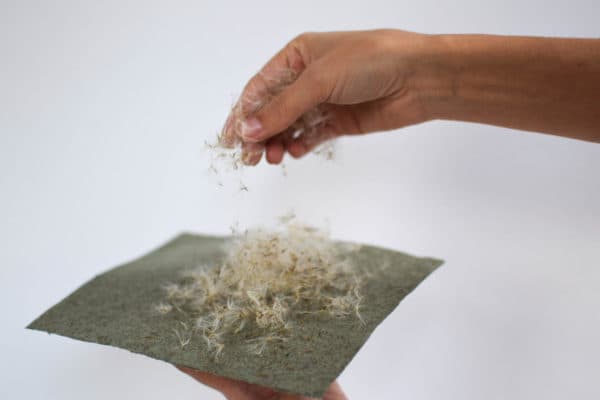
- Freshwater-free textile made from salt-tolerant plantsThe UK-based start-up SaltyCo, a spin-off company from the Royal College of Art and Imperial College London, developed freshwater-free textile by processing salt-tolerant plants,…
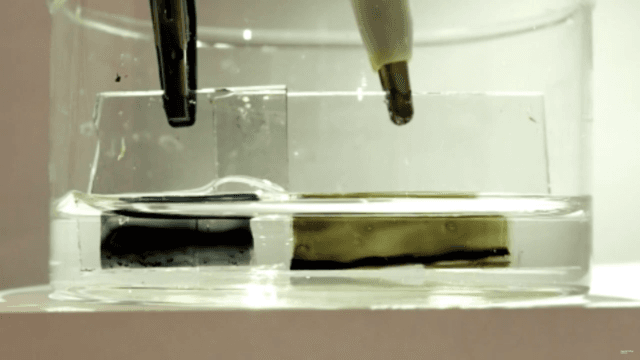
- Non-toxic salt water battery can charge in secondsResearchers at Imperial College London developed a battery prototype using salt water and non-toxic materials that charges extremely fast. The most widely used batteries…
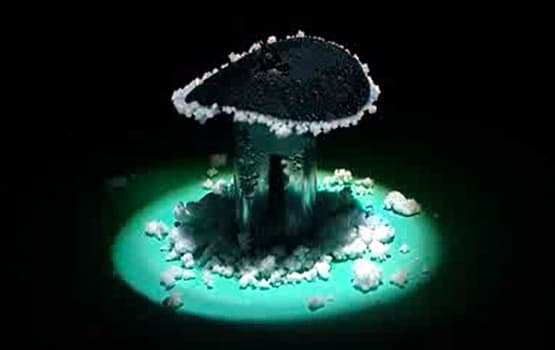
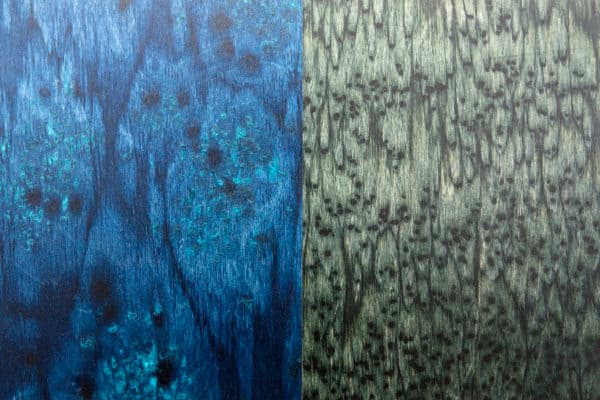
- Osis techniqueLLot LLov transferred the effects of osmosis caused by salt onto wood. First the surface is glazed monochrome or multi-colour, then it is sprinkled with salt. The results are affected by the kind of salt used, humidity and length of reaction time. Big crystals tend to create big rims with strong contrasts, whereas fine crumbs of salt trigger more differentiated patterns with softer gradients.
- Electrically Enhanced Tableware for Low-Sodium DietsKirin Holdings has launched two innovative tableware products that help make low-sodium food taste richer. The new Electric Salt Cup and the upgraded Electric…
- A salty heat batteryCellcius, a spin-off start-up of the Dutch TU Eindhoven and TNO, developed and aims to commercialise a technology that uses solely water and salt…
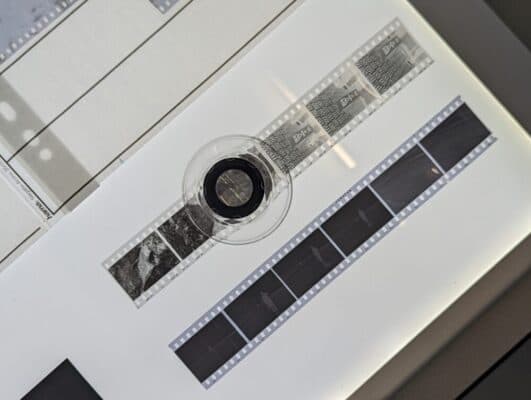
- Phenol Sodium Ascorbate DeveloperThe photographic method comprises three chemical processes - development, stop, fixing - which utilise harmful substances to this day. This project investigates the toxic nature of analogue photographic processes and the sustainable alternatives that are available.
- ResystaSalt water, sun and wind are no problem for this material that can be used in the form of decks for ships, superstructures or landing stages. This fibre reinforced hybrid material is produced with approximately 60% rice husks, 22% common salt and 18% mineral oil, which makes it both environmentally friendly as well as extremely weather resistant.
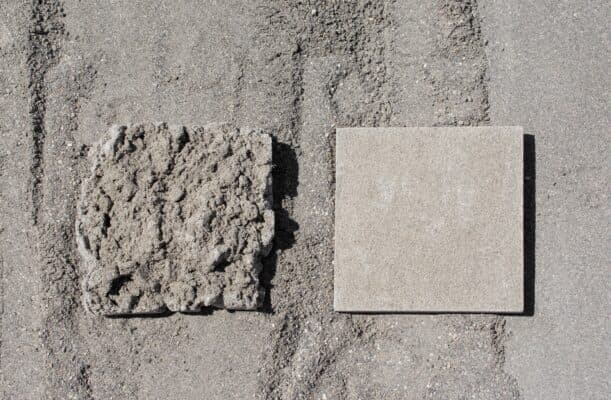
- Ocean ArticulatedOcean Articulated is a recyclable and load-bearing material with locally extracted salt, sand and plant based natural binder. It is water dissoluble and sensitive to the humidity over 80%. Considering the environmental impact of sand extraction and the associated transportation costs, the question arose whether there is a way to use sand as a reusable material and communicate this aesthetically in a form appropriate to the material.
- Nature is a design toolThere is a beetle that can detect fire from 80 km away. That’s 10,000 times further than current fire detection systems. Spider web silk…
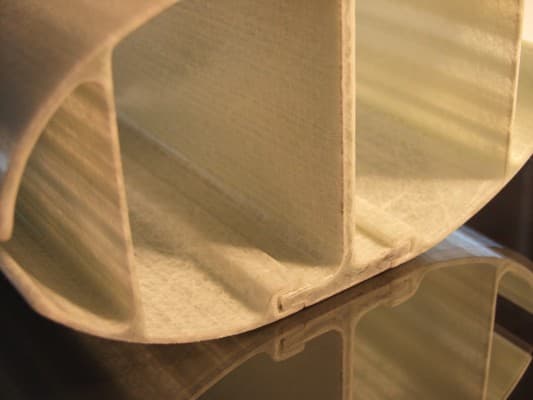
- GRP ProfilesStructures in fibreglass-reinforced are not affected by rain, salt or frost, requiring only cosmetic maintenance. Maintenance costs are therefore lower than costs for similar structures in traditional materials such as concrete, steel and wood.
- Smart materialsSmart materials are replacing installations in architecture. Imagine replacing heating and conditioning installations with materials! A paint for energy, steps that control light, a…
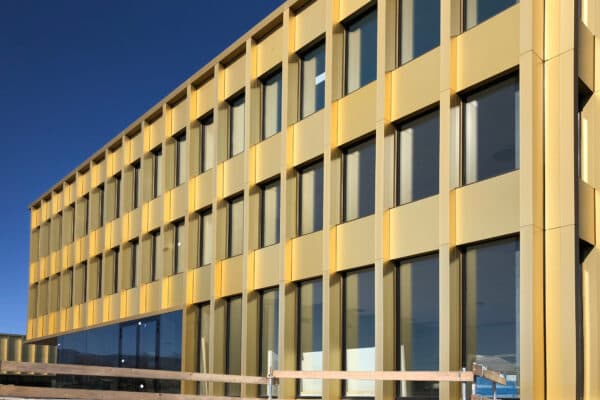
- Sandalor Gold S120Sandalor Gold S120 represents a premium range of gold hues, developed through a meticulous three-step colouring process at Alucol using pure metal salts. This technique results in a sophisticated colour palette with a warm, deep lustre and exceptional vibrancy. The strategic use of varied gold tones helps to mask any slight colour variations that may arise due to process tolerances or differences in base material.