From Invasive Plant to Design Material: Reductio ad Lermaense
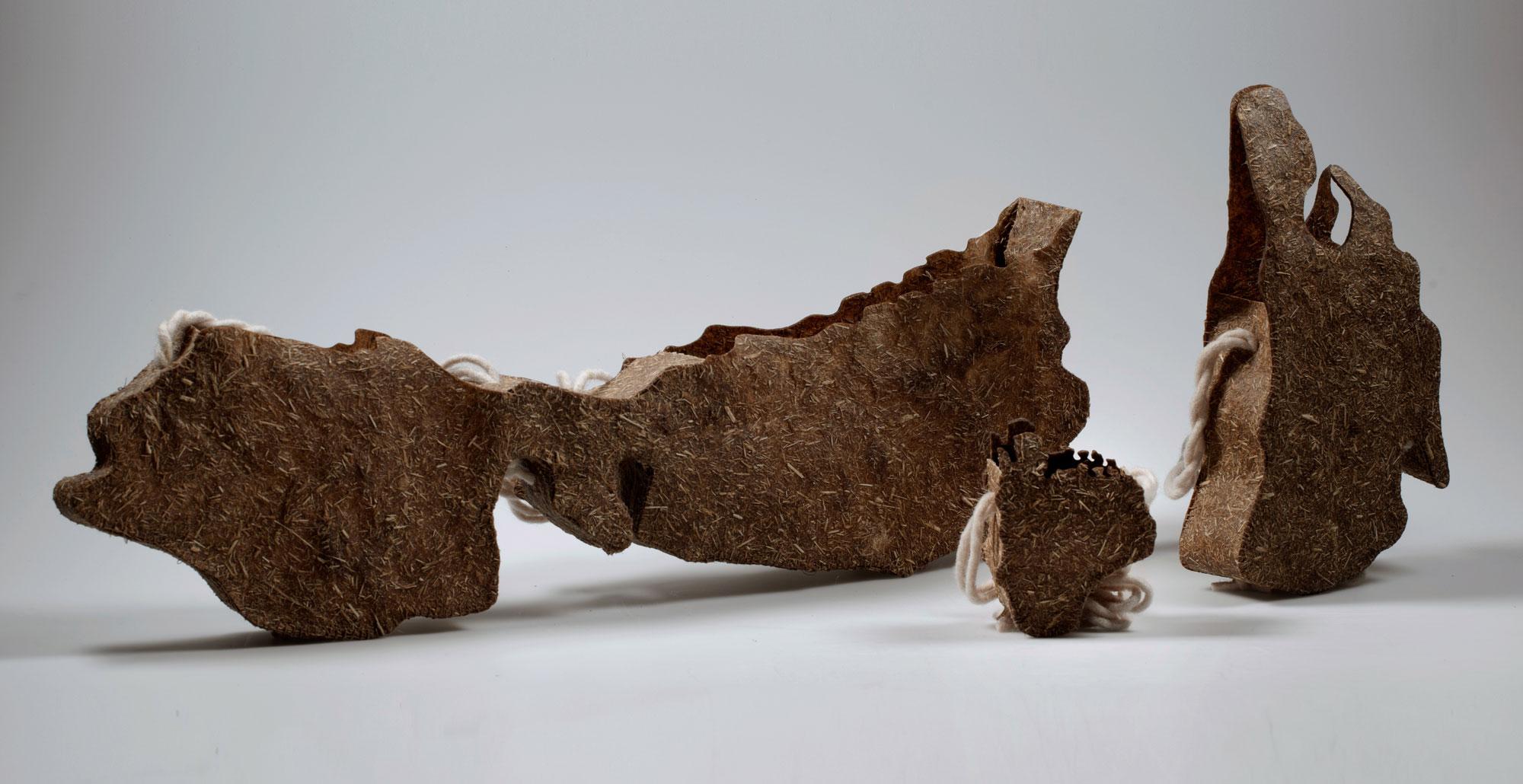
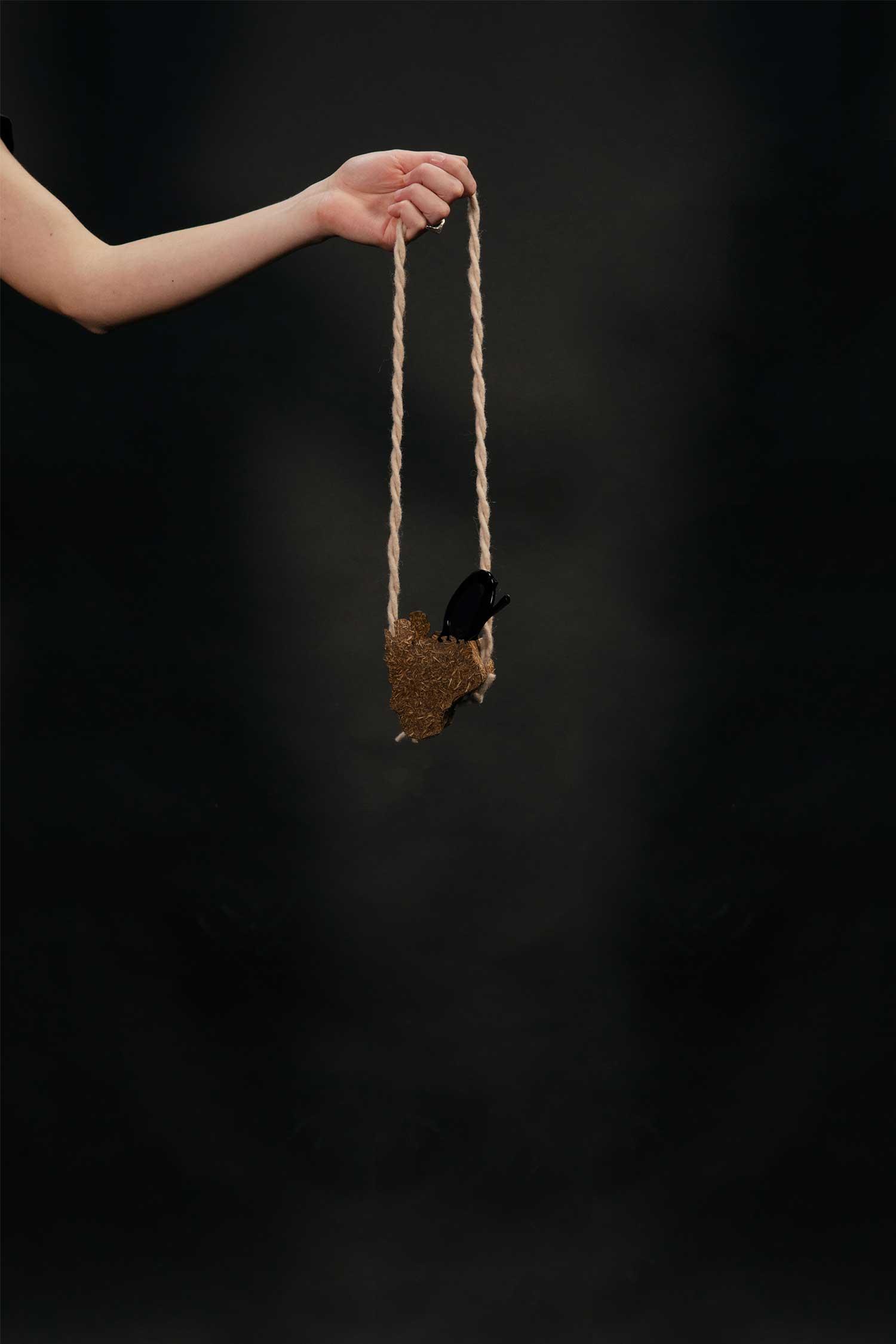
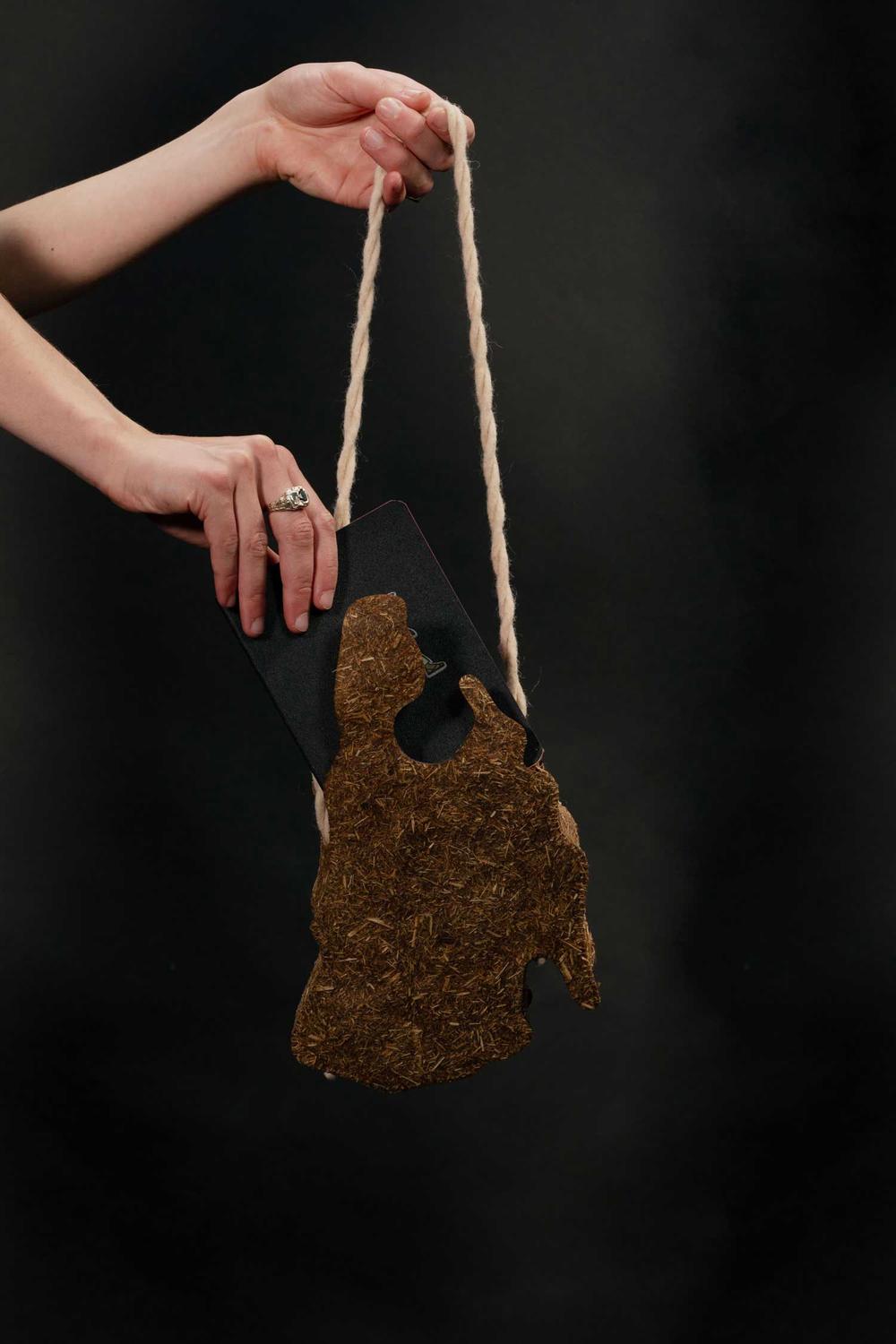
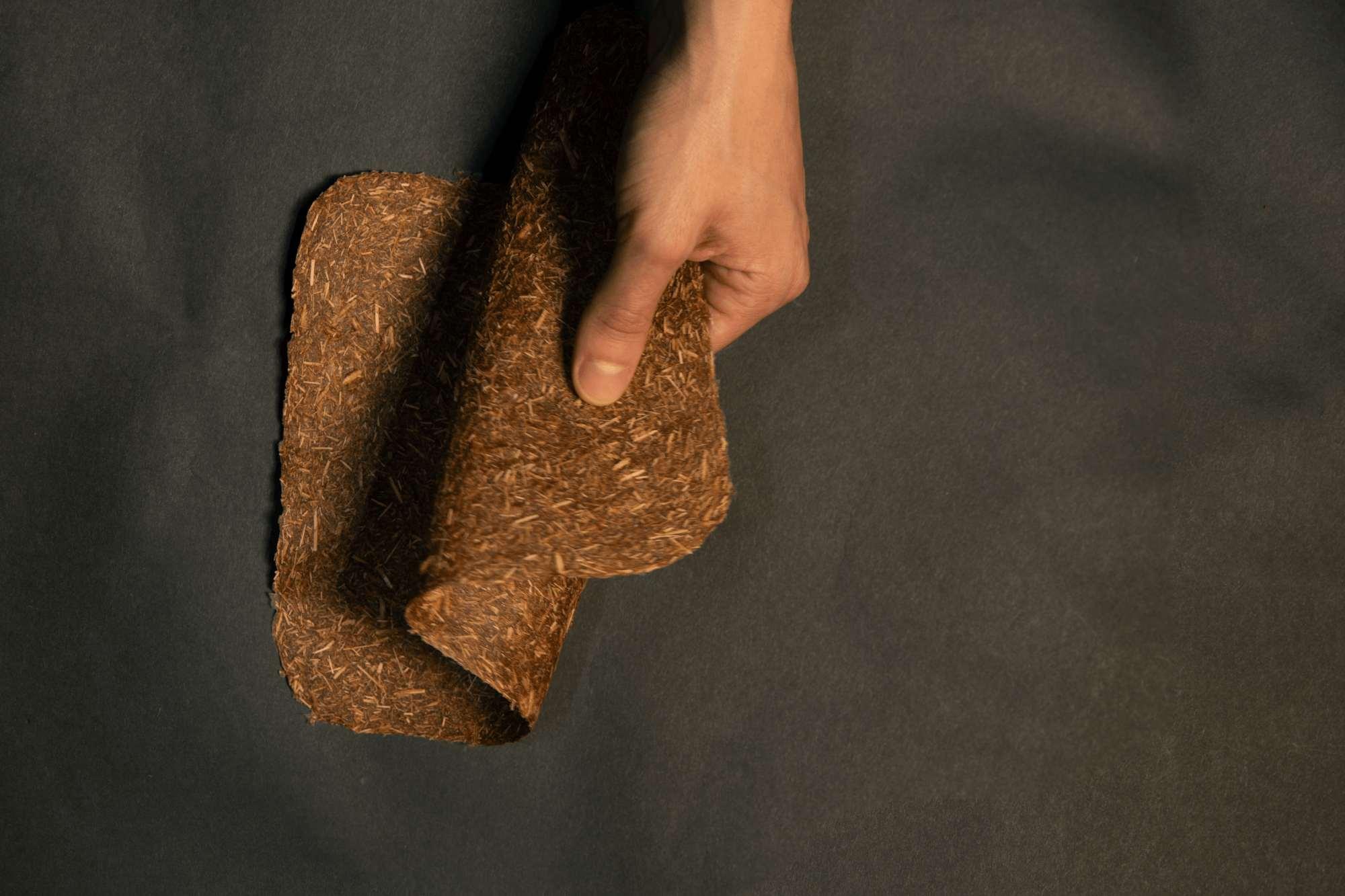
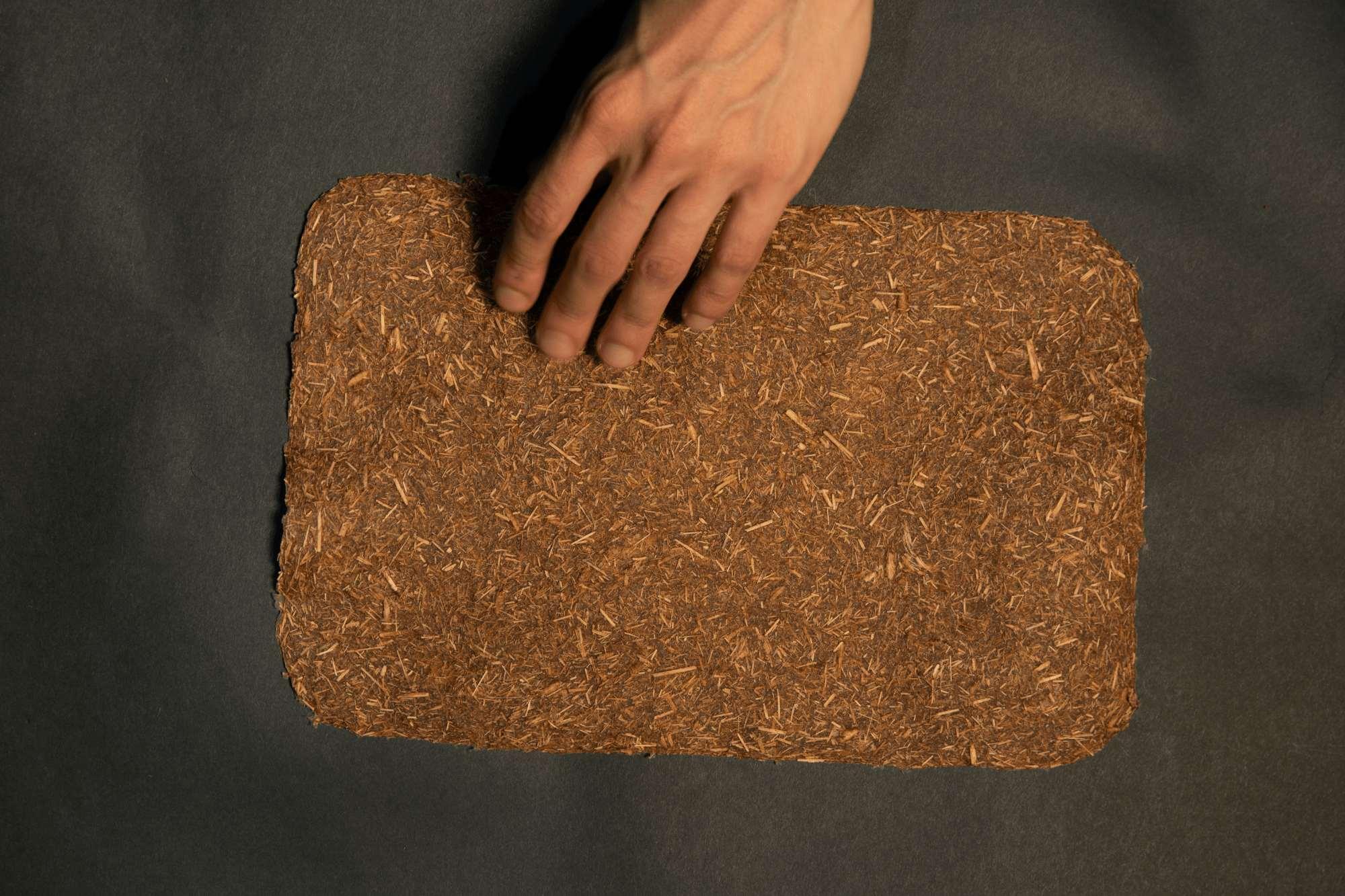

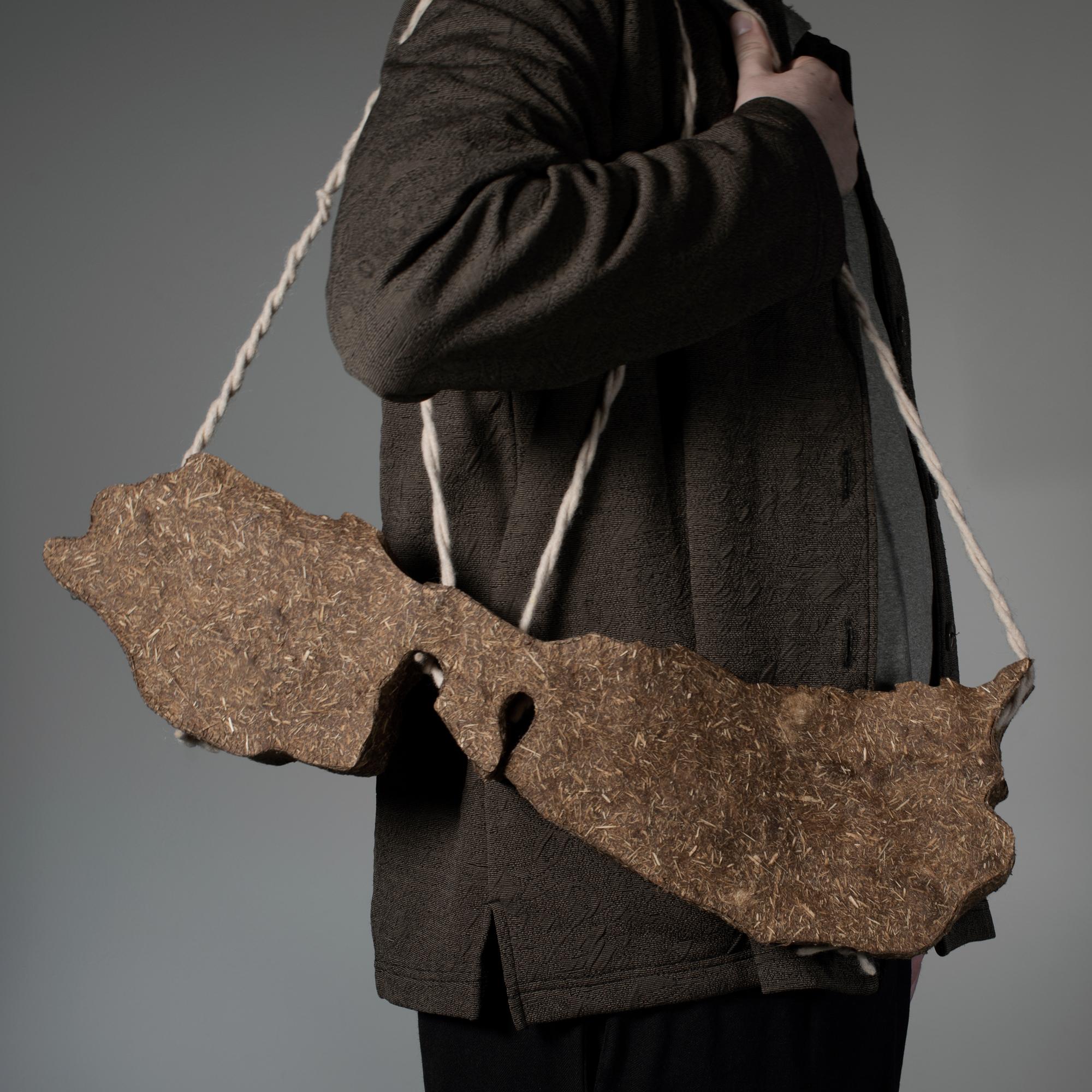
Reductio ad Lermaense is a design project by Manuel Díaz Tufinio that turns an invasive wetland plant into a new biobased material. By transforming bulrush (Typha latifolia) into a leather-like composite, the project demonstrates how species often seen as useless can instead become resources for sustainable design. The resulting collection of three bags tells the story of Mexico’s shrinking Lerma wetlands, while offering designers a glimpse into the potential of circular, plant-based materials.
A Vanishing Wetland
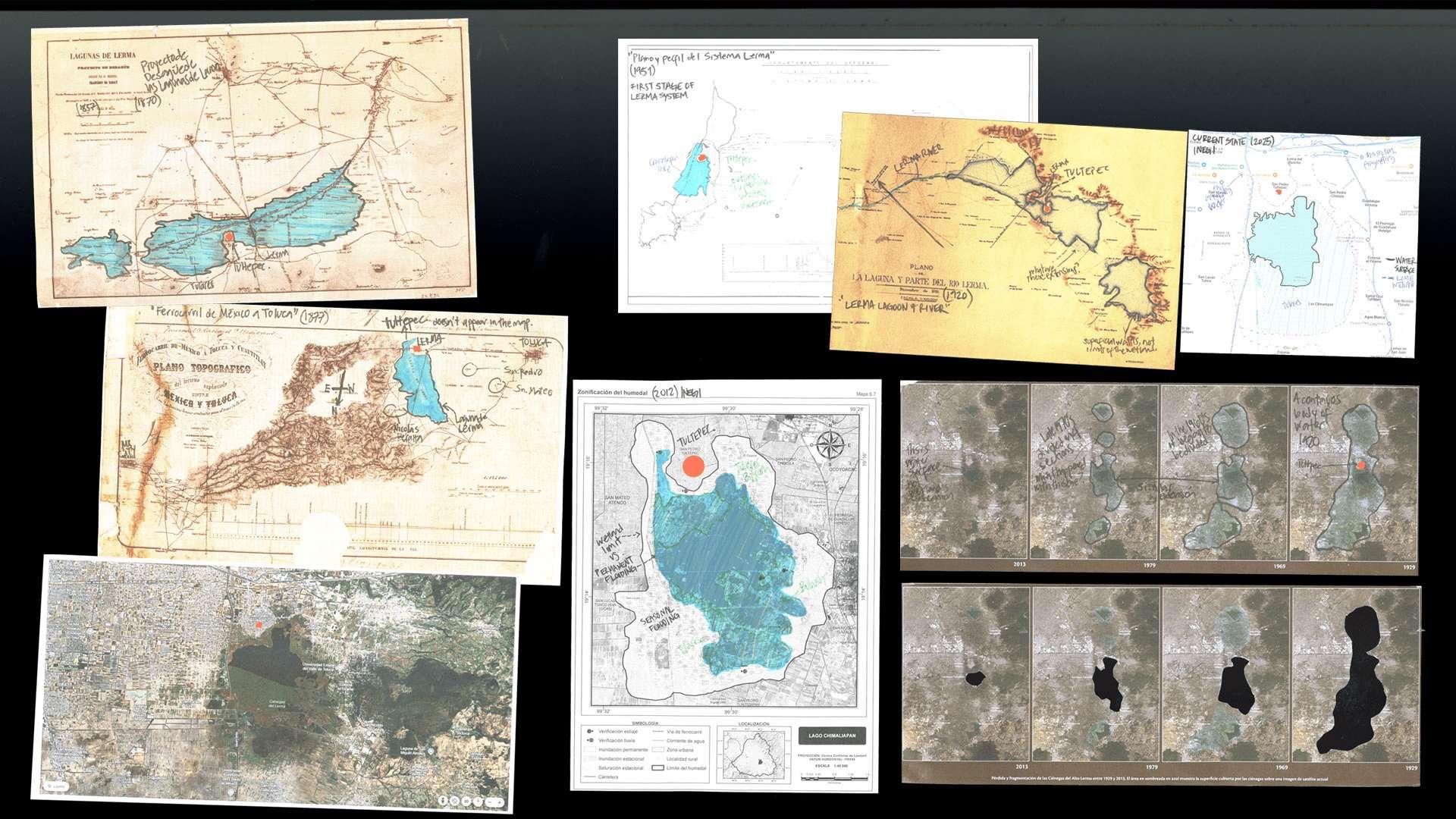
The Ciénegas del Lerma, the largest wetland on Mexico’s central plateau, has shrunk to just 11% of its original size. For over 170 years, pollution and water extraction have harmed local biodiversity and disrupted centuries-old weaving traditions. Once valued for crafts, bulrush is now considered unsuitable by local artisans. Yet the plant continues to spread, creating ecological and cultural tensions.
A New Life for Bulrush
Díaz Tufinio developed Reductio ad Lermaense to show how invasive plants can become valuable resources. Instead of seeing bulrush as waste, he transformed it into a leather-like biomaterial. The project blends tradition with innovation, linking ecological decline to design opportunities.
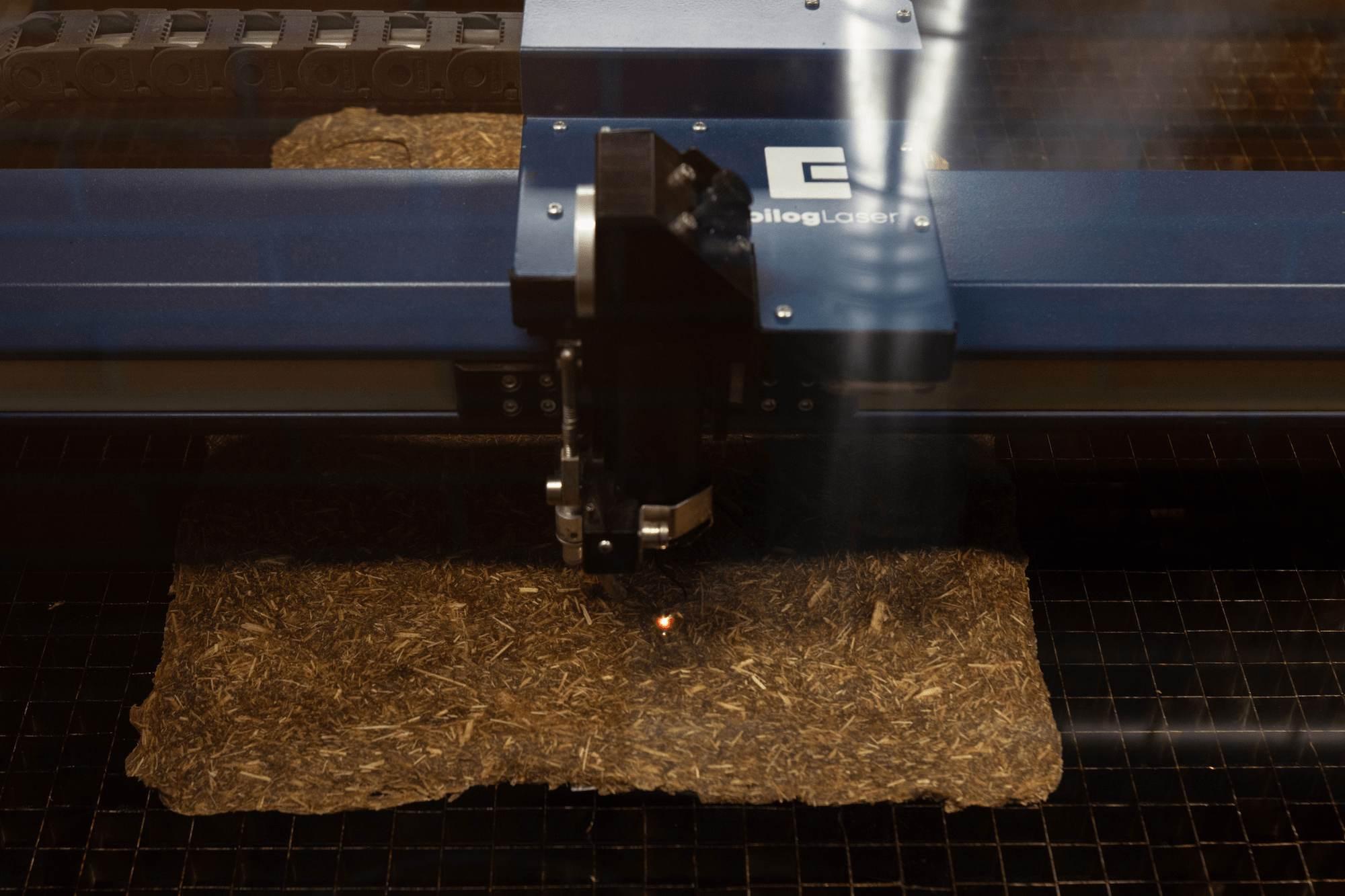
Through extensive testing, Díaz Tufinio created a composite using bulrush fibres and seeds, combined with microcrystalline cellulose (MCC), carboxymethyl cellulose (CMC), and wool. The material proved elastic and durable. He then laser-cut it into precise forms, showing that biobased composites can be both functional and refined.
Bags that Tell a Story
The outcome is a series of three bags. Each bag represents a different stage of the Lerma wetlands: 1870, 1951, and 2025. Their shapes were based on hydrological maps, turning scientific data into visual narratives. The designs act as practical objects, but also as reminders of ecological loss. At the same time, they point toward sustainable futures.
Opportunities for Designers
This project shows how overlooked species can fuel material innovation. For fashion and product designers, bulrush biomaterial offers a sustainable alternative to animal leather and plastics. Architects and interior designers may explore similar composites for panels, furniture, or finishes. Packaging designers could adapt plant-based materials to reduce waste.
By turning an ecological challenge into a design resource, Reductio ad Lermaense highlights the power of creativity. It proves that design can preserve cultural heritage, respond to climate challenges, and open new pathways toward a circular economy.
Source: Manuel Díaz Tufinio
Photos: Manuel Díaz Tufinio / Anne Kinnunen

Comments