Centre Sanaaq: Material-Led Design for a New Cultural Hub in Montréal
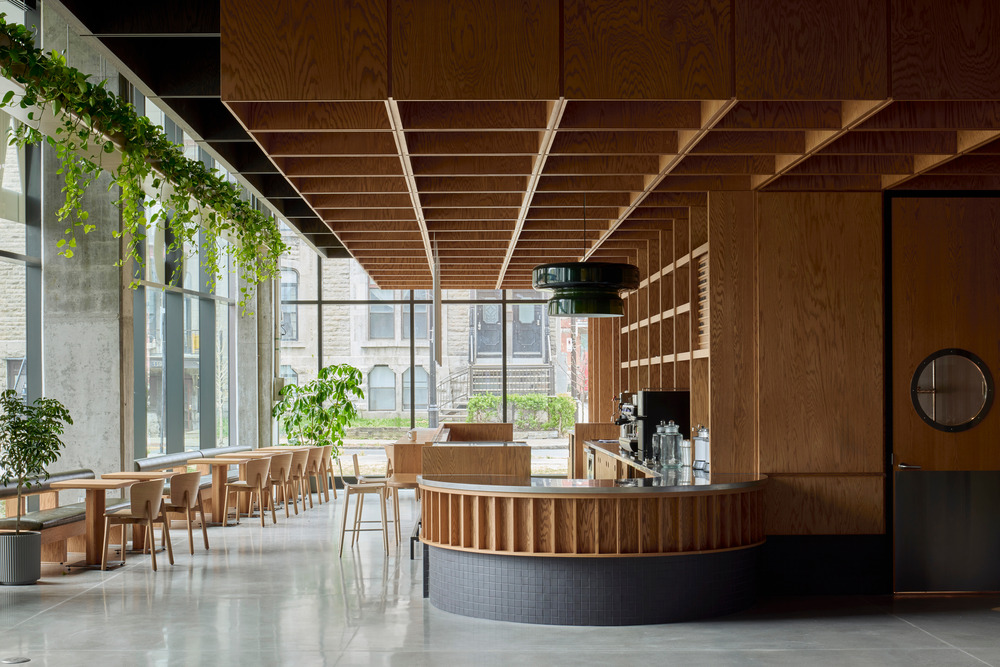
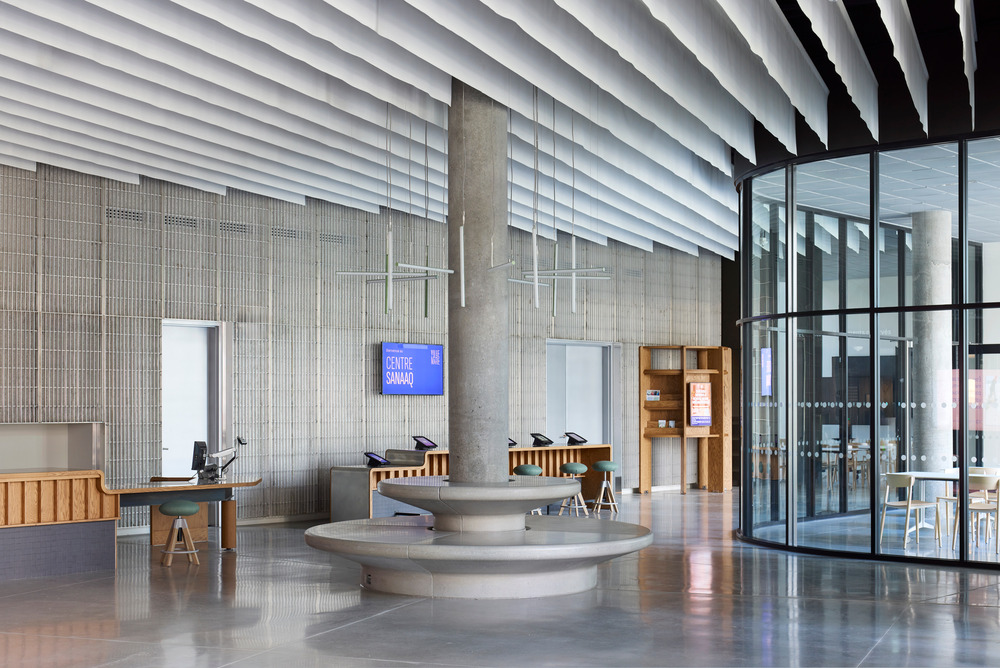
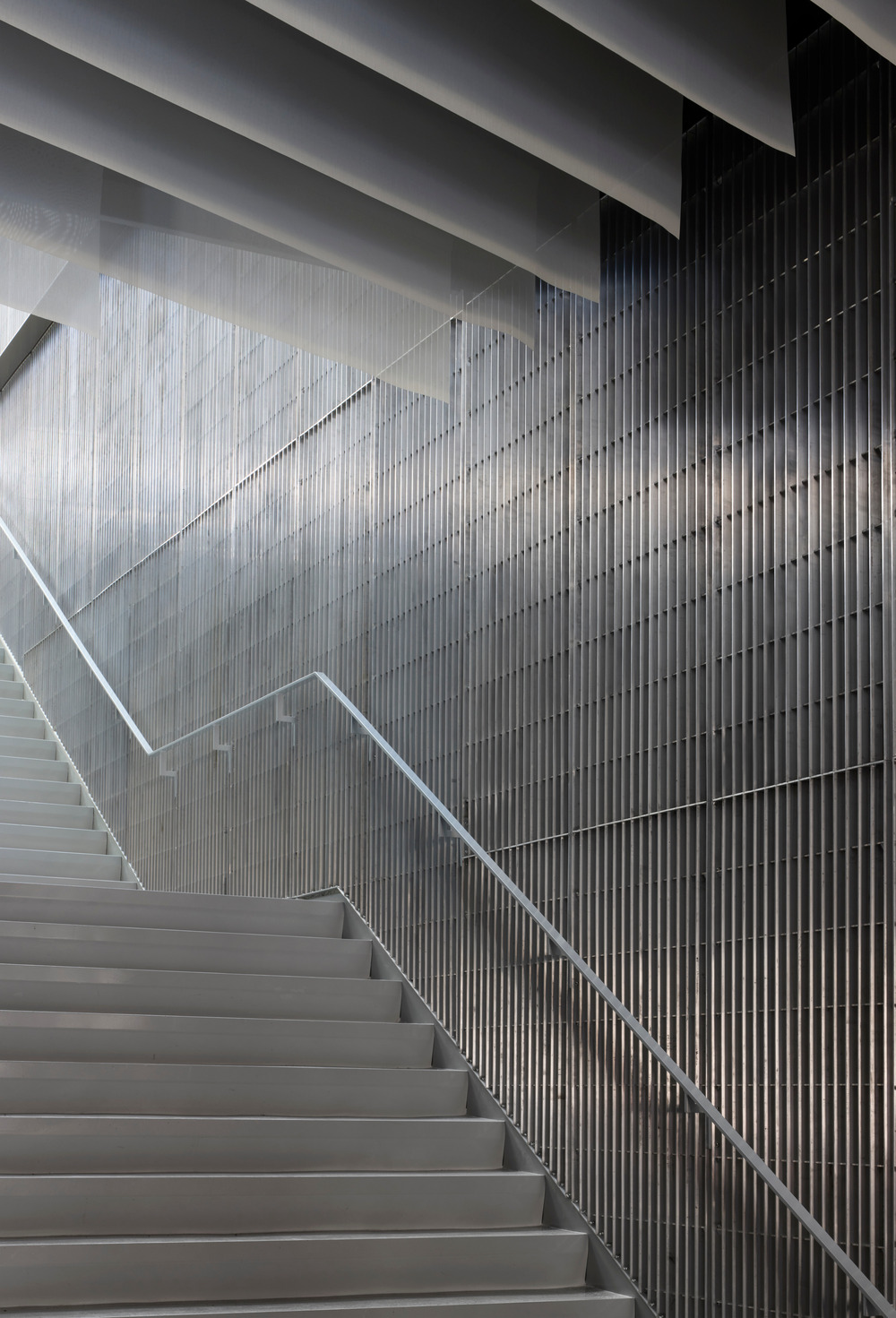
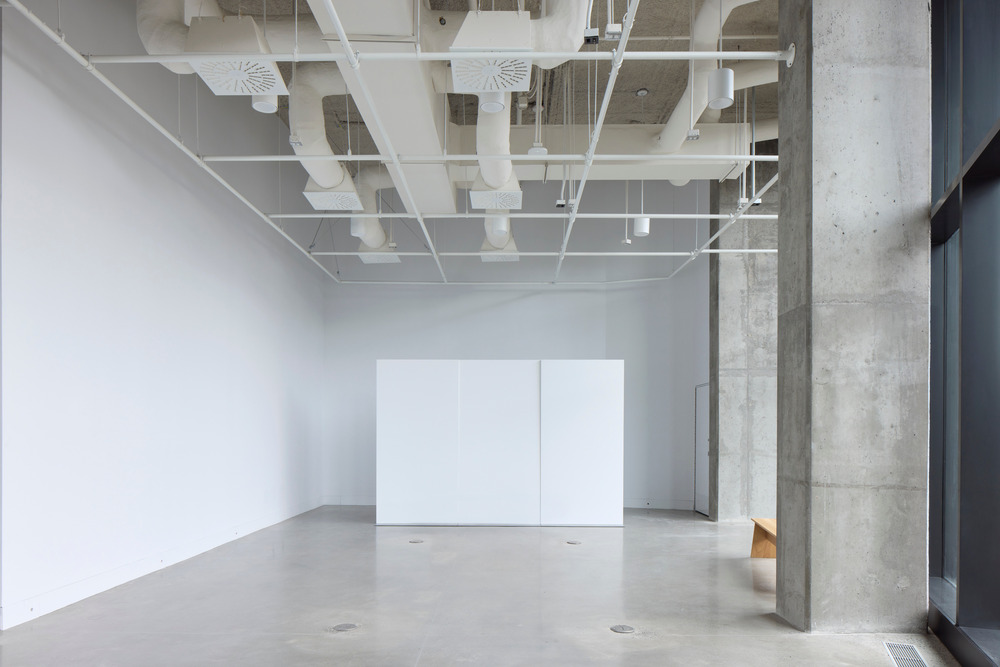
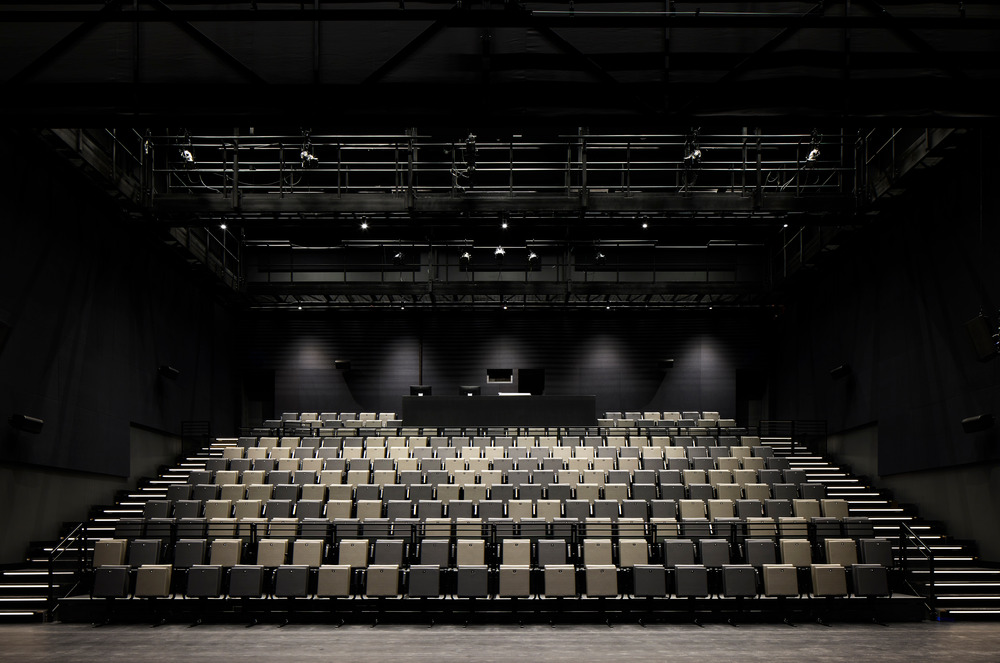
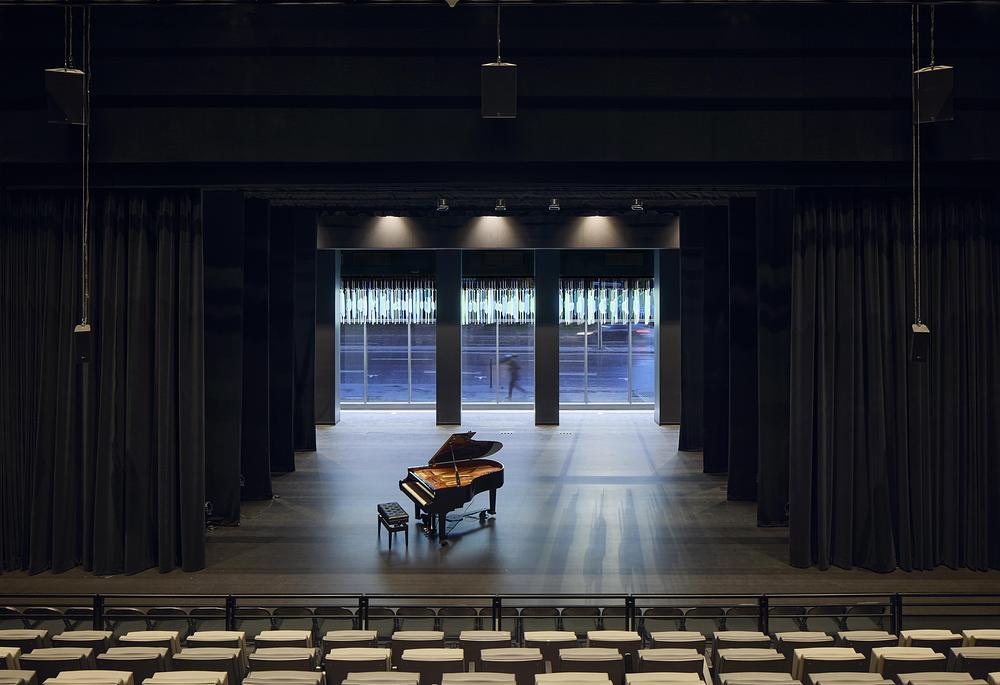
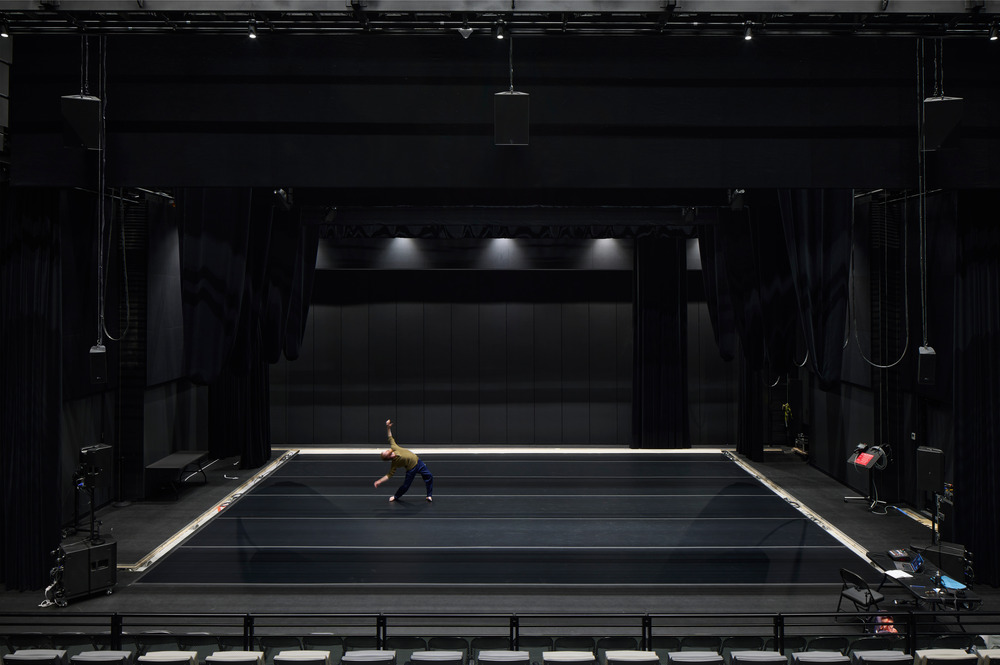
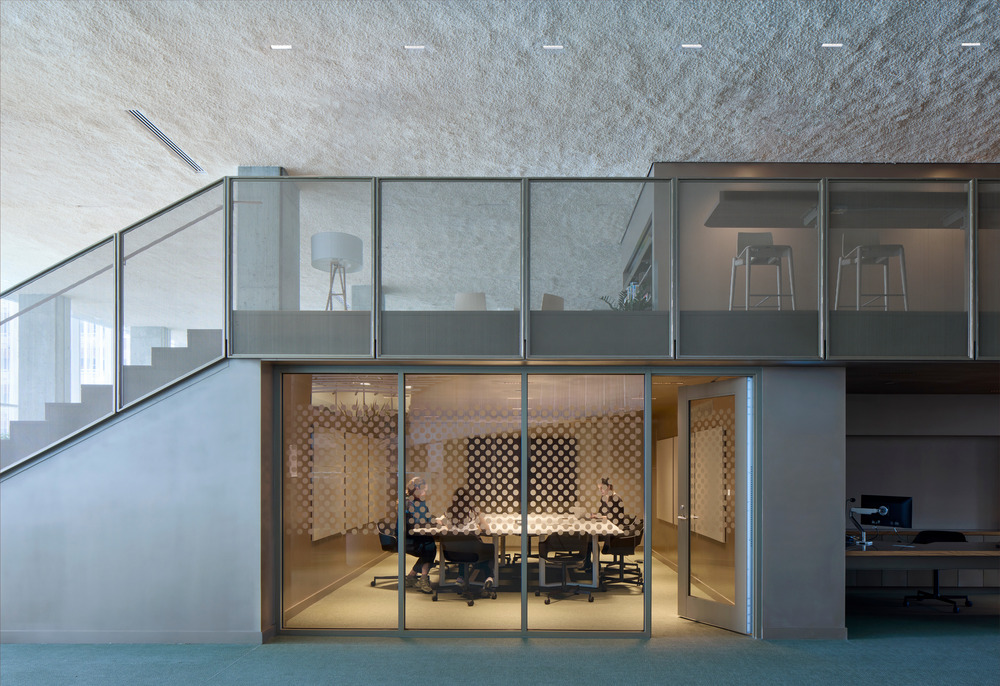

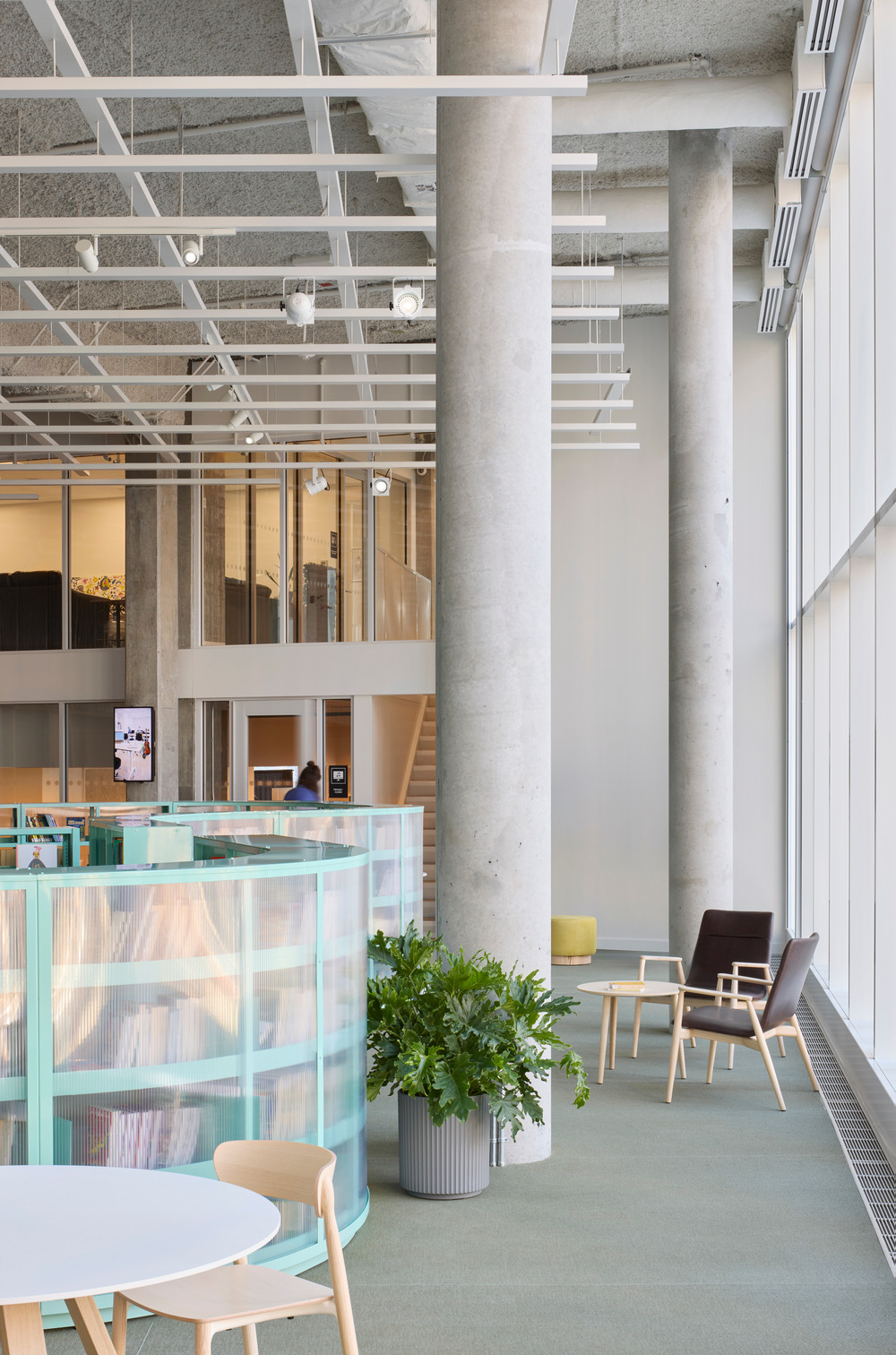
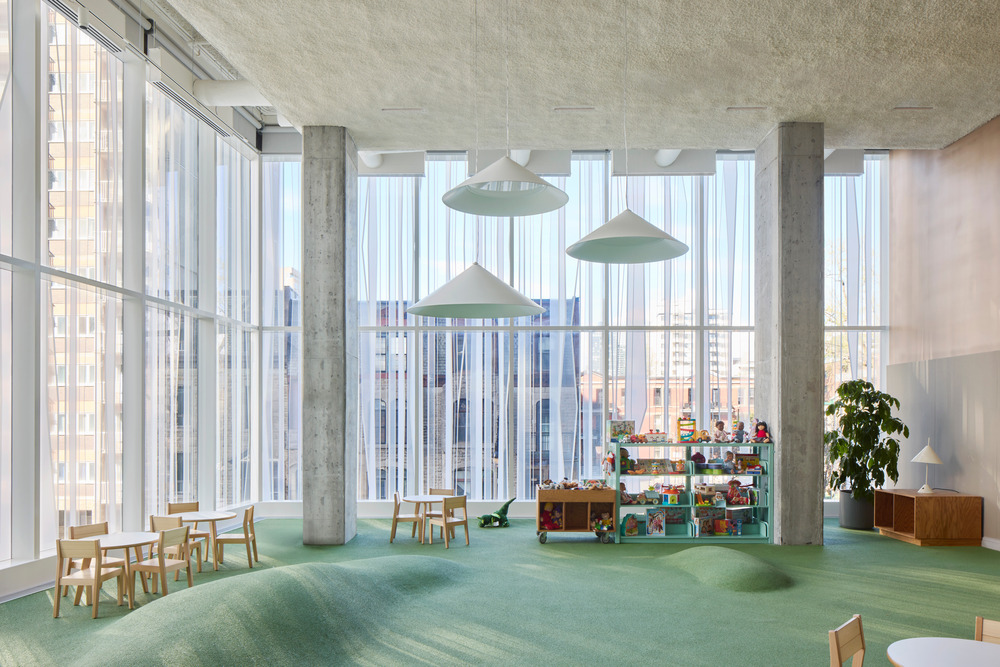
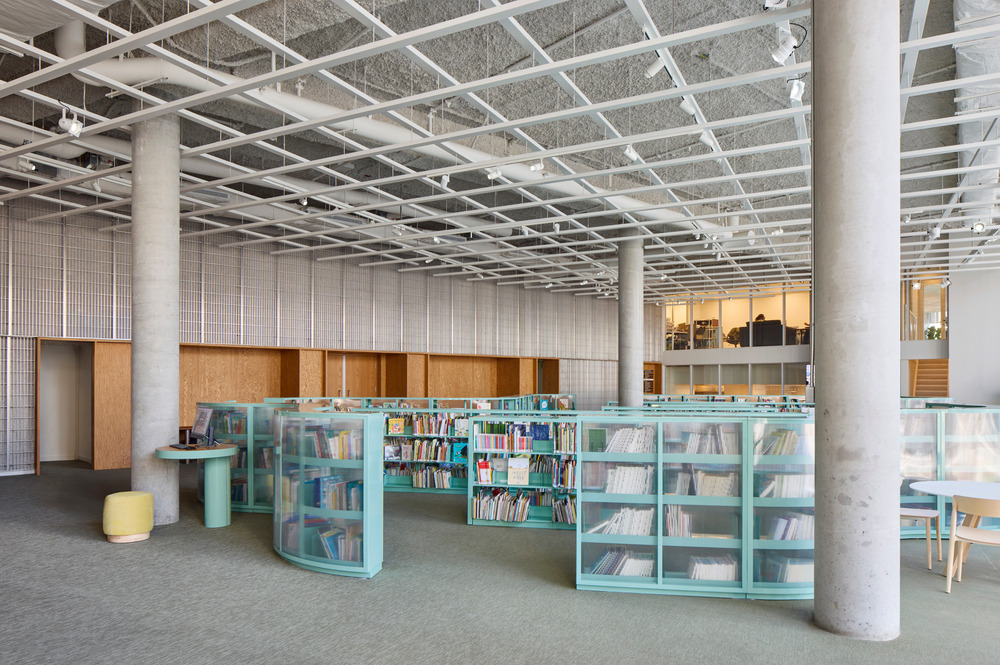
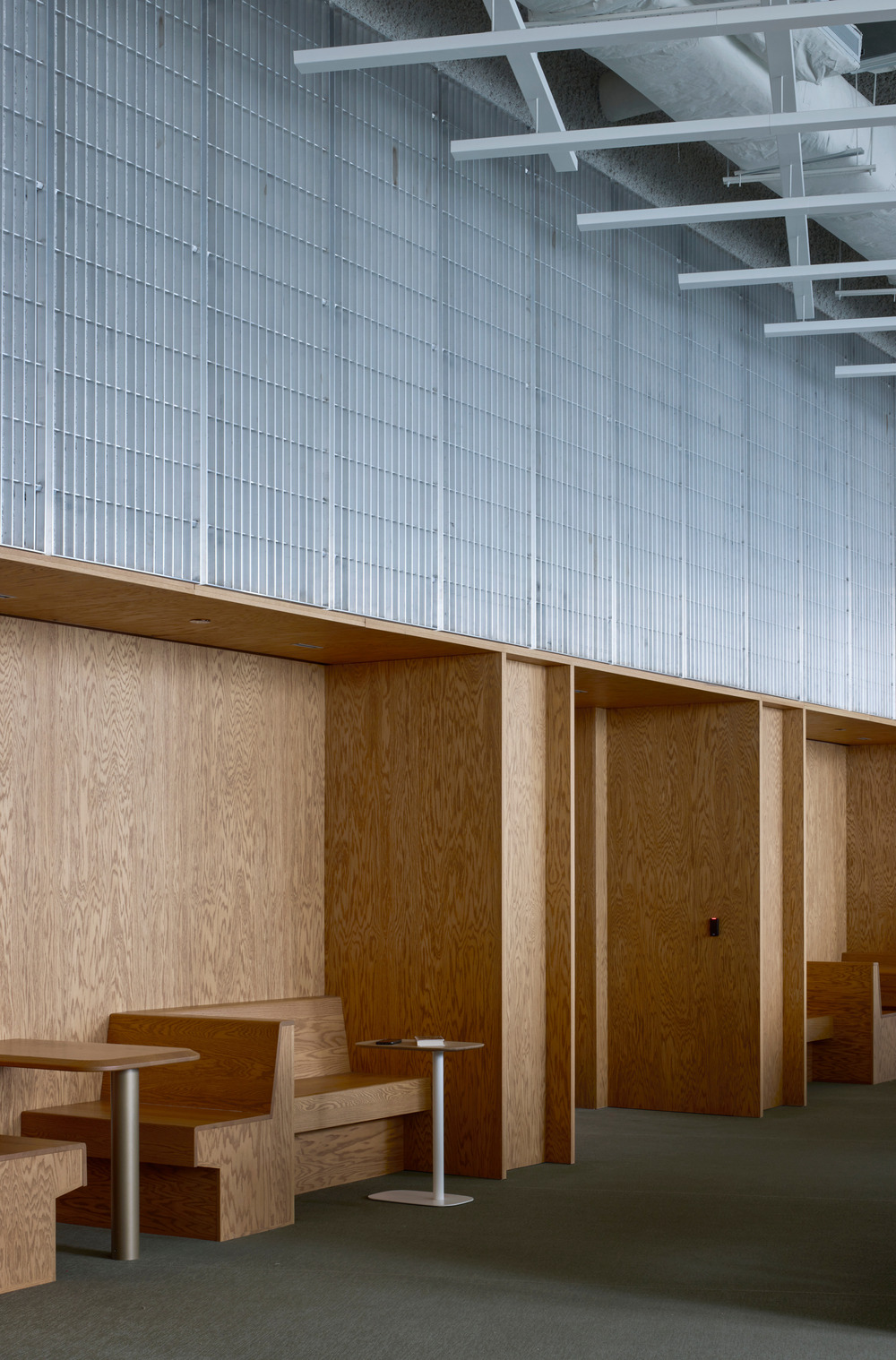
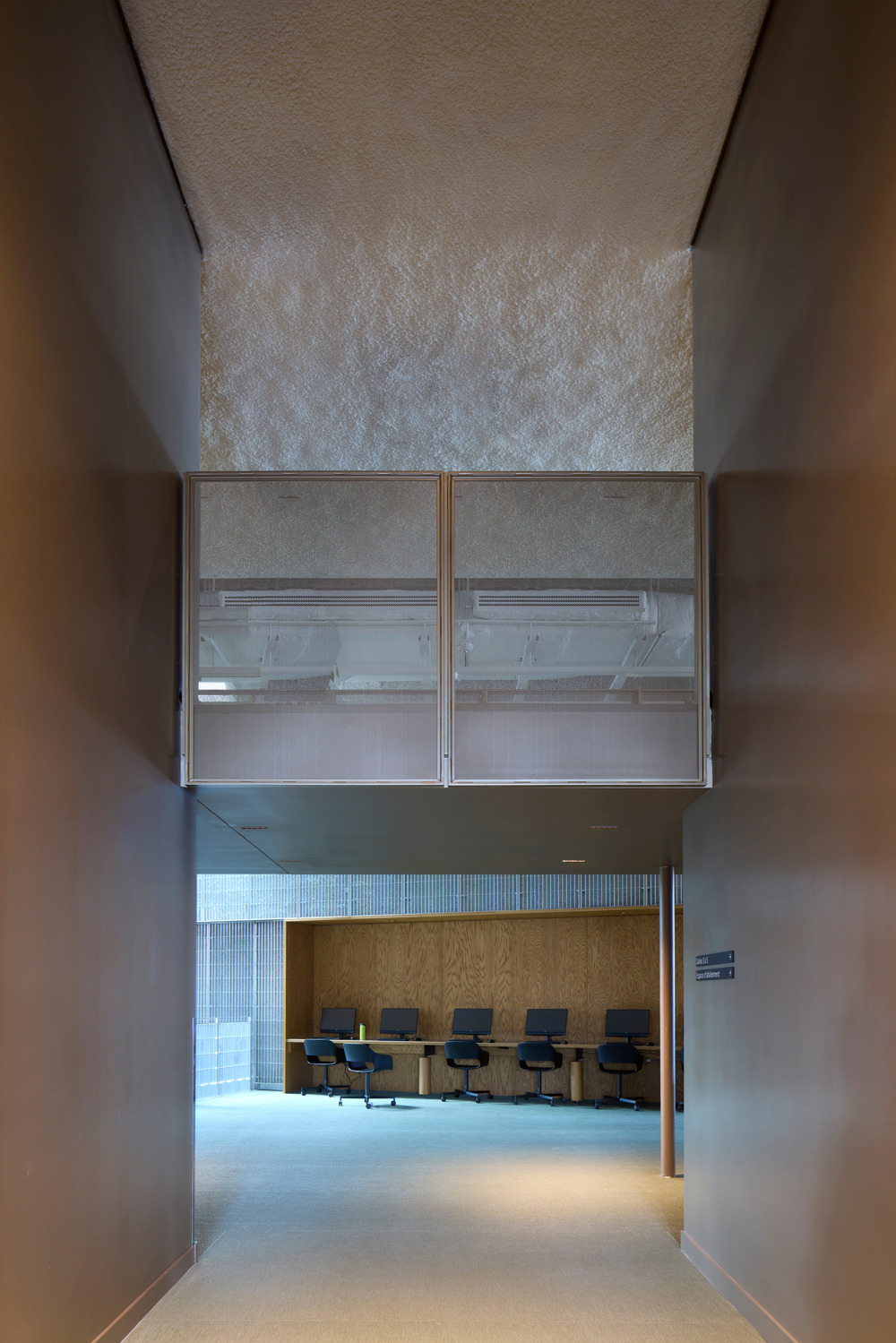
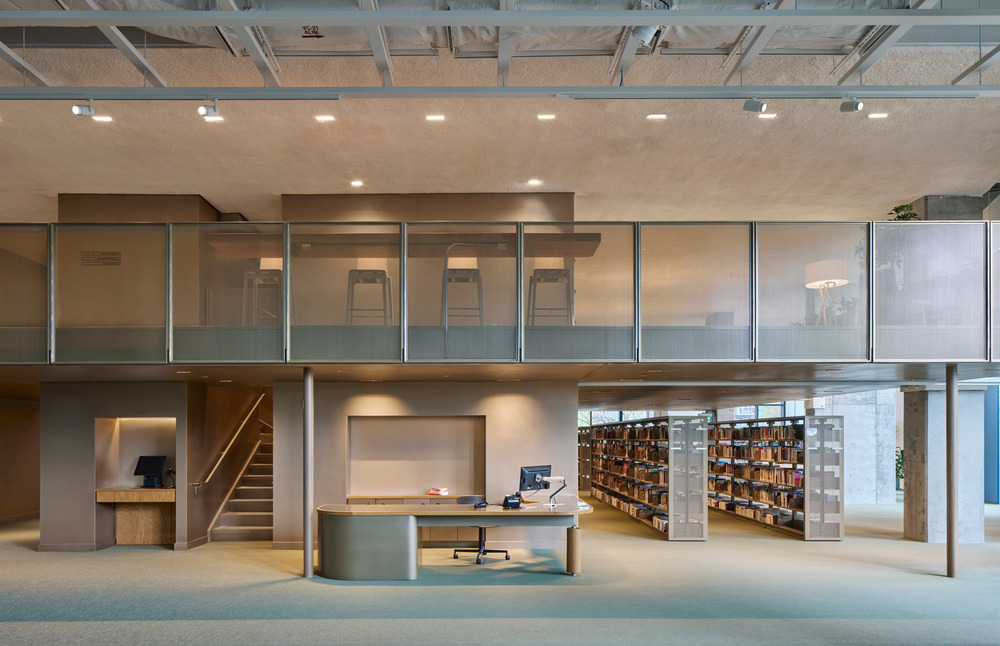
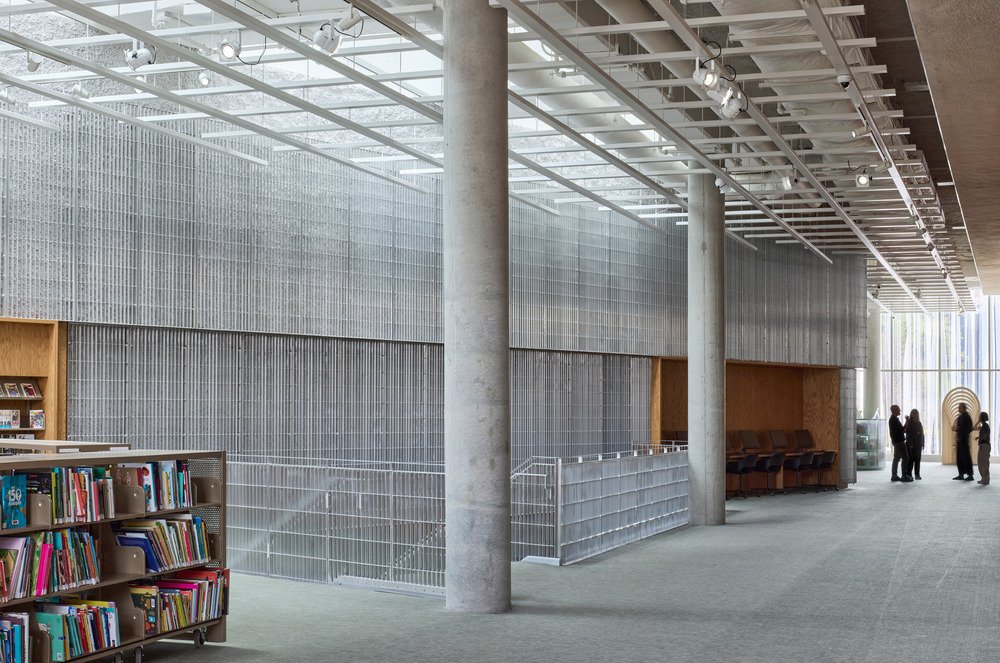
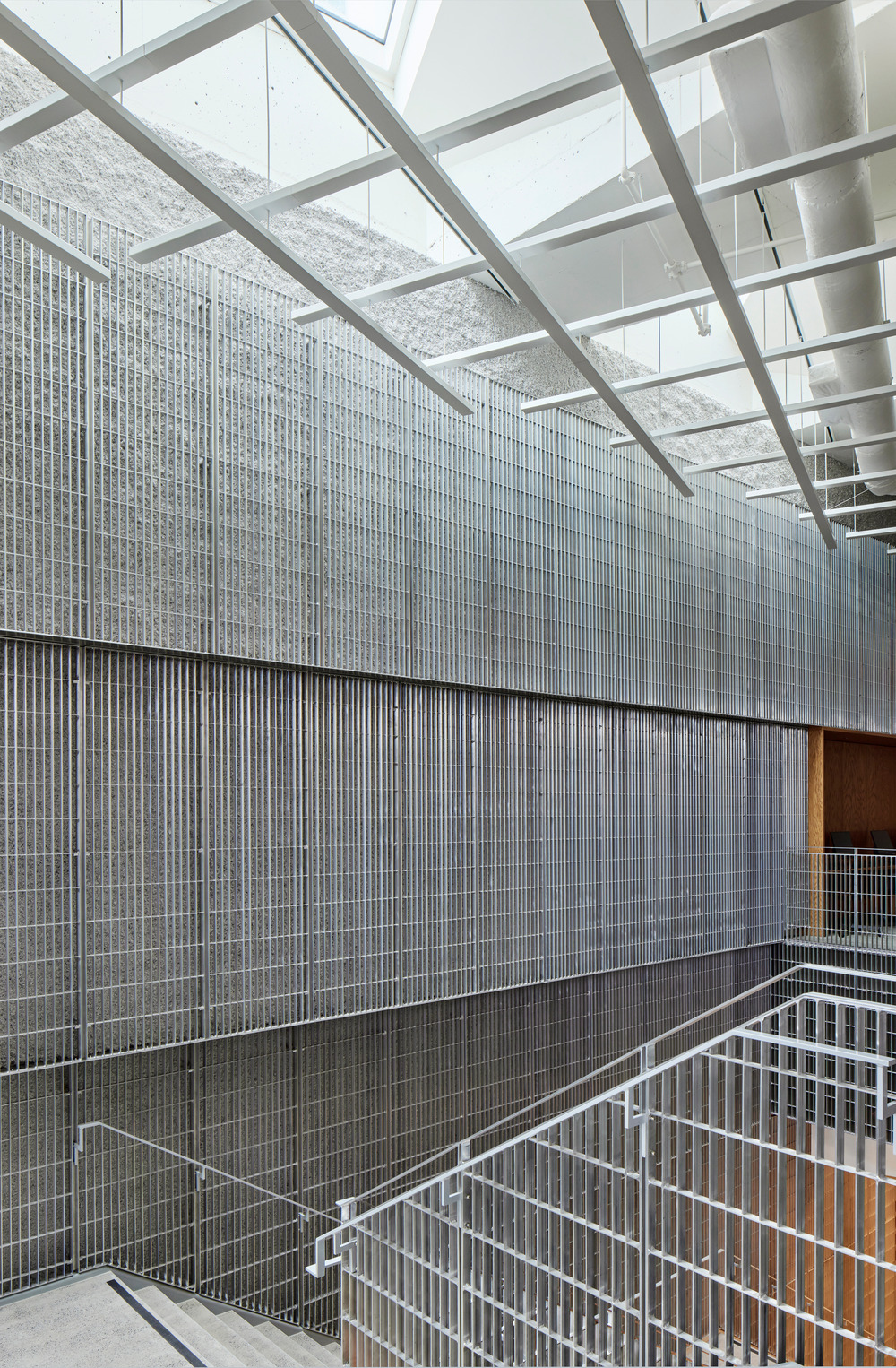
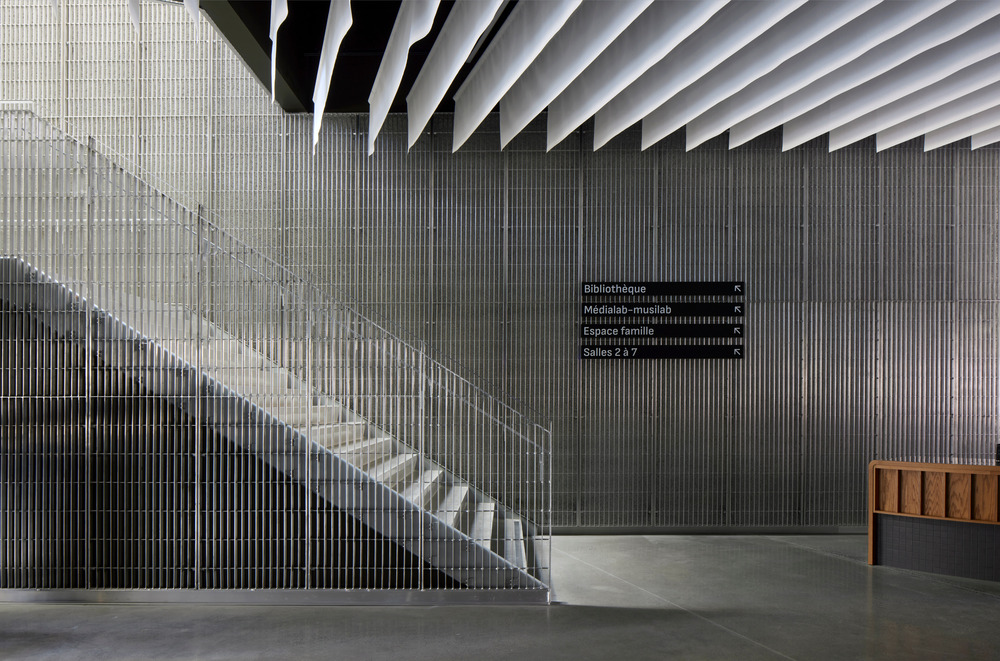
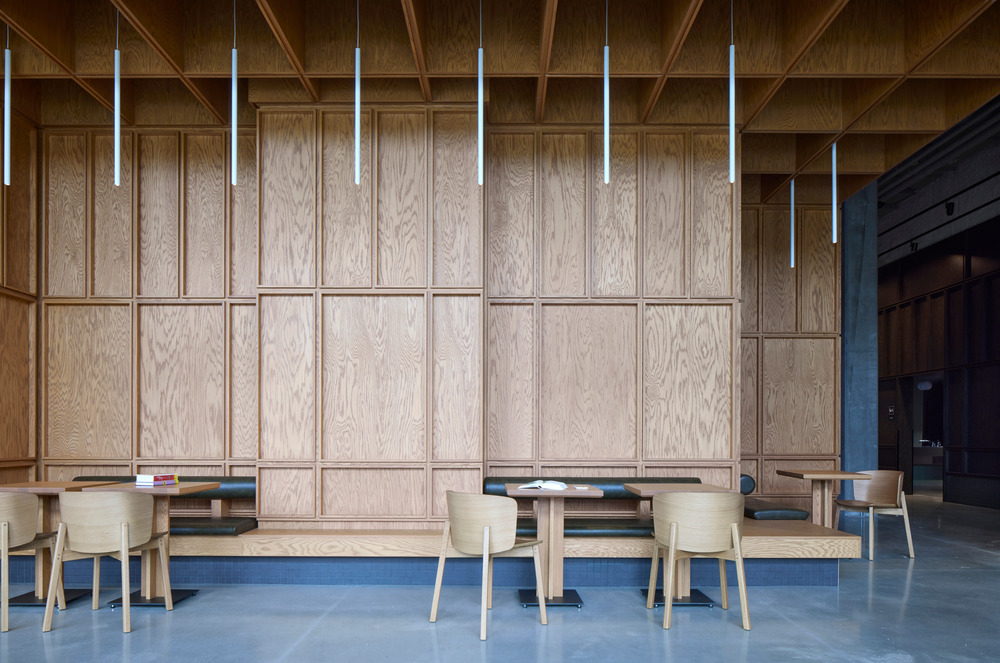
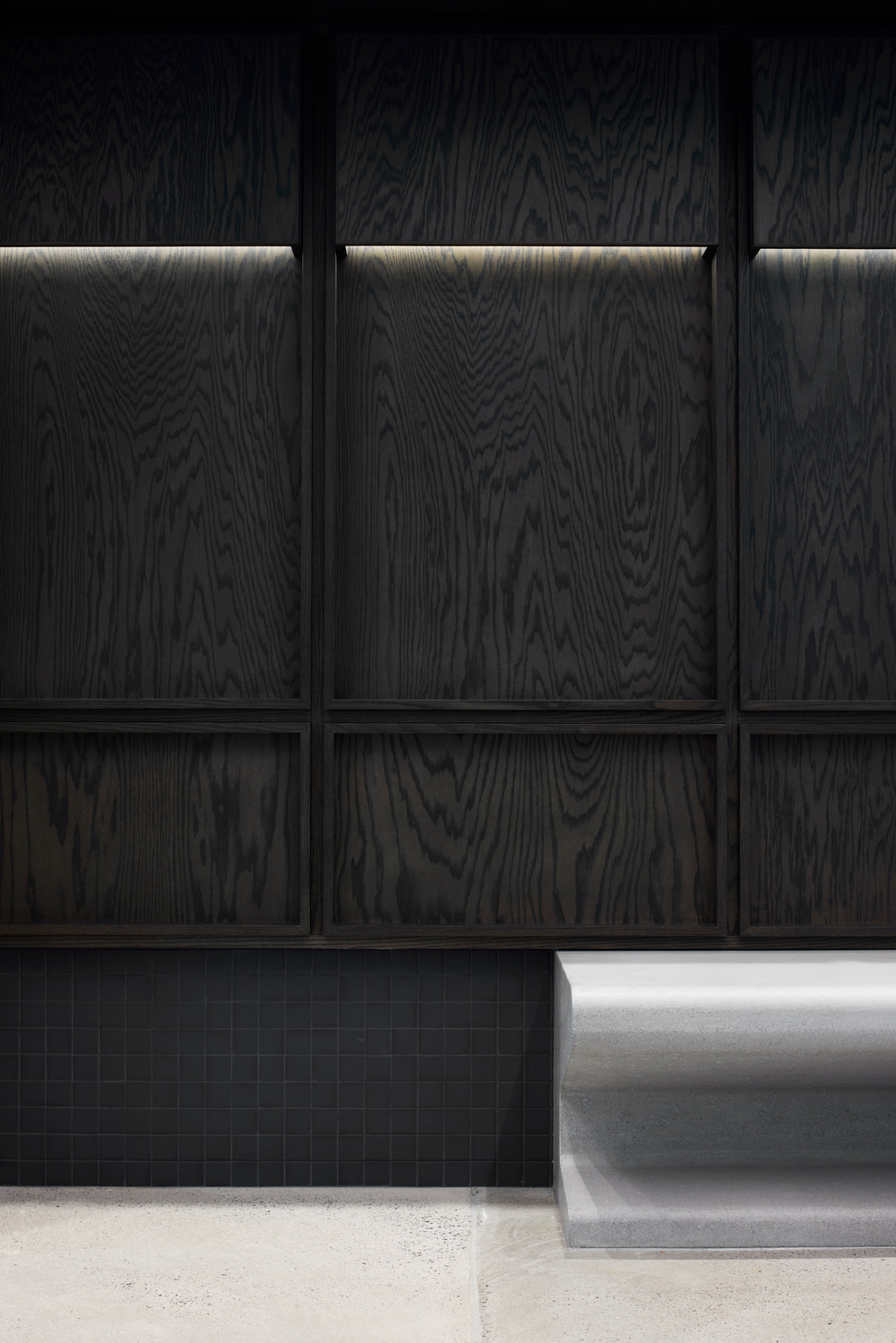
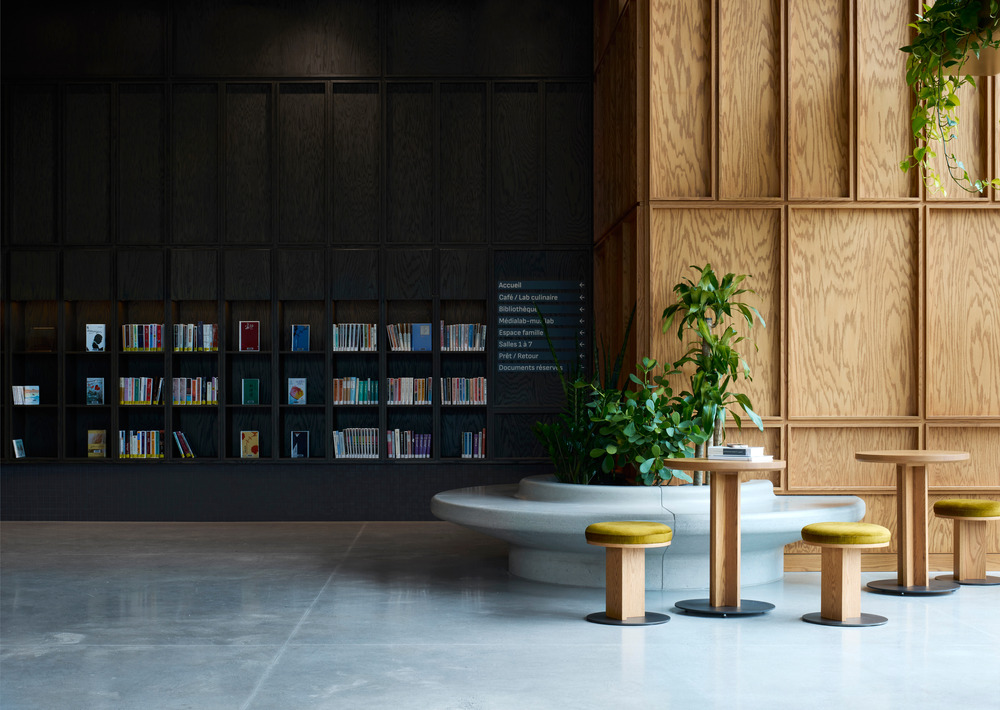
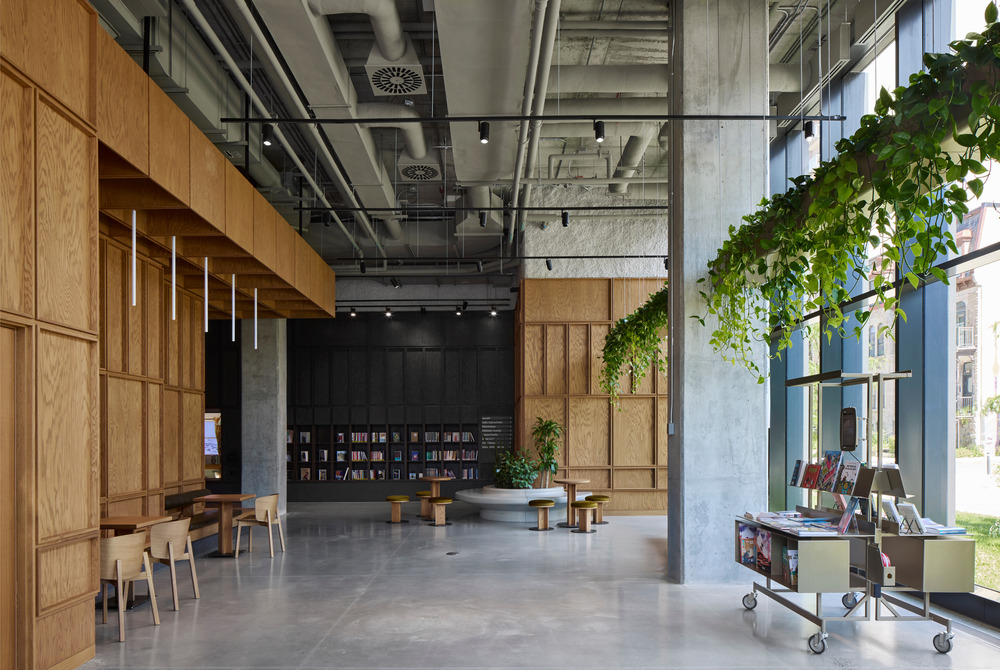
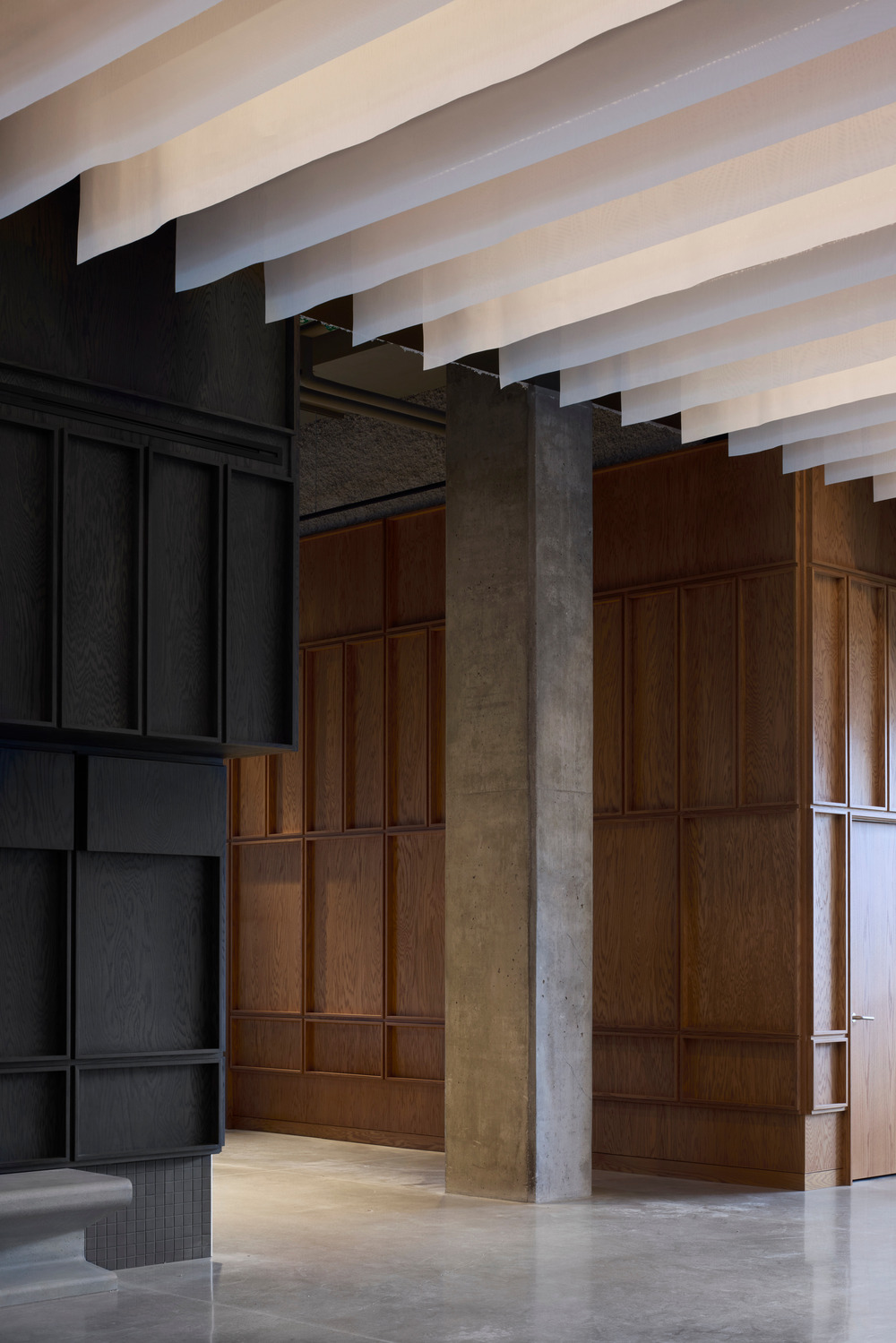
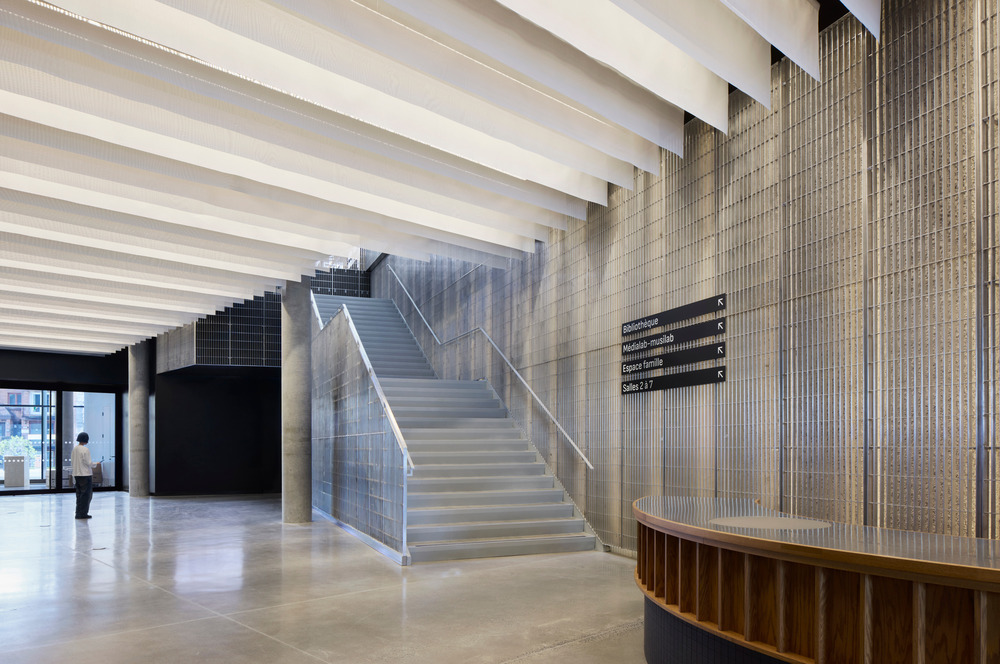
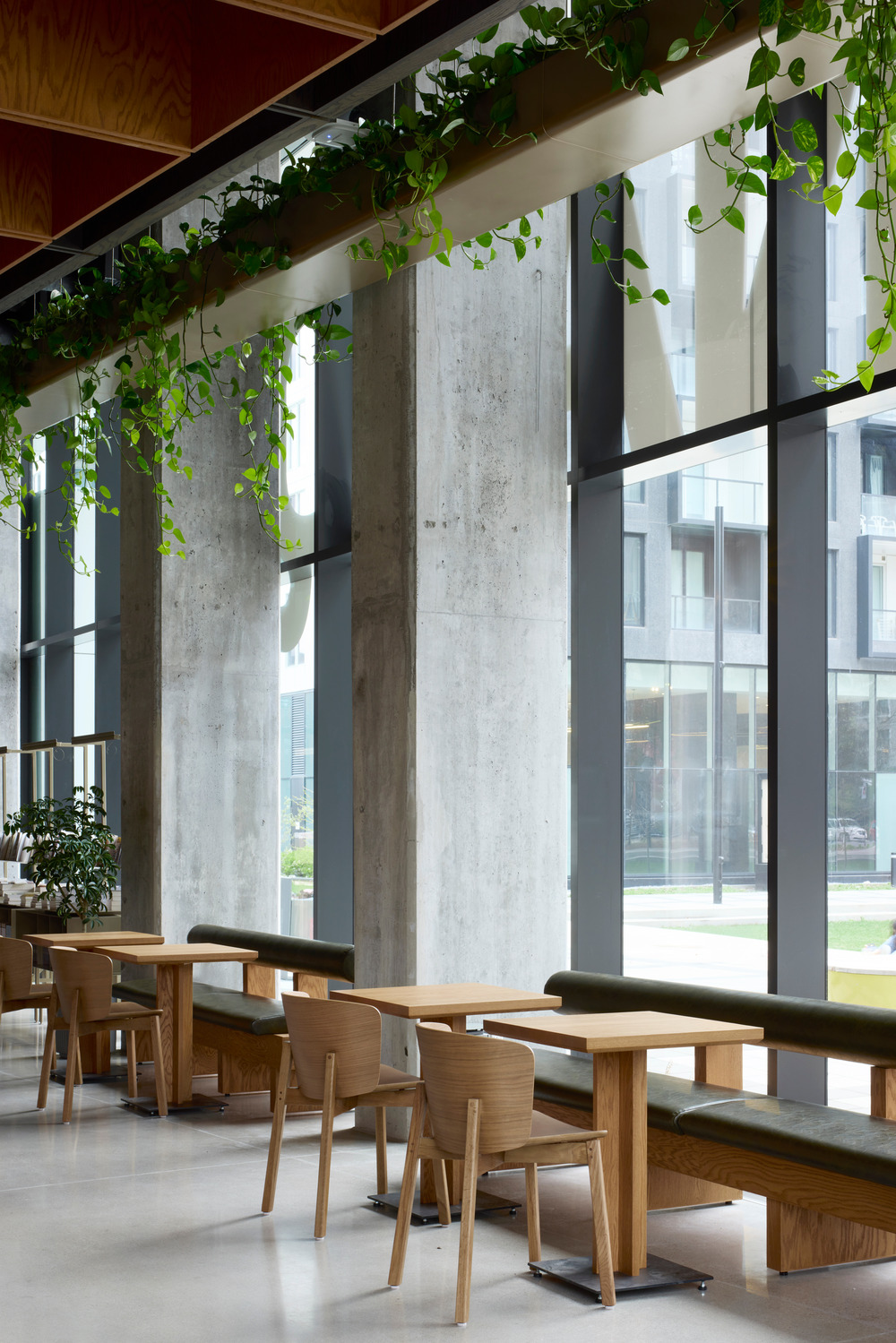
The newly opened Centre Sanaaq in downtown Montréal showcases a material-first approach to public architecture. The design team—Pelletier de Fontenay, Architecture49, and Atelier Zébulon Perron—selected a clear and durable palette that includes aluminium grating, glass, wood panelling, polished concrete, textiles, and biobased sprayed cellulose. These materials support acoustic comfort, visual clarity, and long-term performance. The Centre sits within the podium of a new residential development, where the designers transformed an existing structure into an accessible civic space.
Spatial Organisation and Programme
The name Sanaaq, derived from Inuktitut, means to create or to sculpt. This idea guides the spatial layout. The ground floor centres around an open agora, which connects directly to a café, a performance hall, a multipurpose room, and an express library. A generous staircase brings daylight deep into the building and leads to the upper-level library. Here, visitors find reading areas, study zones, youth collections, and a children’s play space. As a result, the Centre supports a wide range of daily community activities.
To improve clarity, the architects organised the interiors like an “archipelago”. Each zone forms a distinct island, yet each remains linked to the others through open sightlines and fluid circulation. This structure encourages movement and makes the building easy to navigate.
A Collaged Material Palette
Material composition plays a central role. Aluminium grating and glass offer transparency and lightness. In contrast, wood panelling and textiles bring warmth and tactility. Polished concrete provides strength in high-traffic areas. Meanwhile, sprayed cellulose, a biobased acoustic material, adds texture while improving sound absorption.
Because of this mix, the Centre combines durability with comfort. The materials work together visually and technically, which helps the building adapt to different types of use.
Acoustic and Environmental Considerations
The team gave special attention to acoustics. Coffered timber ceilings, suspended fabric panels, and cellulose finishes reduce noise and improve sound quality. These elements create comfortable conditions for performances, workshops, and quiet reading.
The designers also introduced vegetation in selected areas. Plants soften the environment and support wellbeing. In addition, the reuse of the existing podium structure reduces material consumption, while the use of natural and biobased elements further lowers environmental impact.
A Flexible Framework for Community Use
Centre Sanaaq functions as an adaptable framework rather than a fixed form. Its clear layout, robust material palette, and flexible spaces allow the building to evolve with its users. Consequently, it offers a forward-looking model for cultural and community architecture.
Source: v2com
Photos: James Brittain

Comments