Open-Source 3D Printed Footwear Brings Material Innovation to Designers
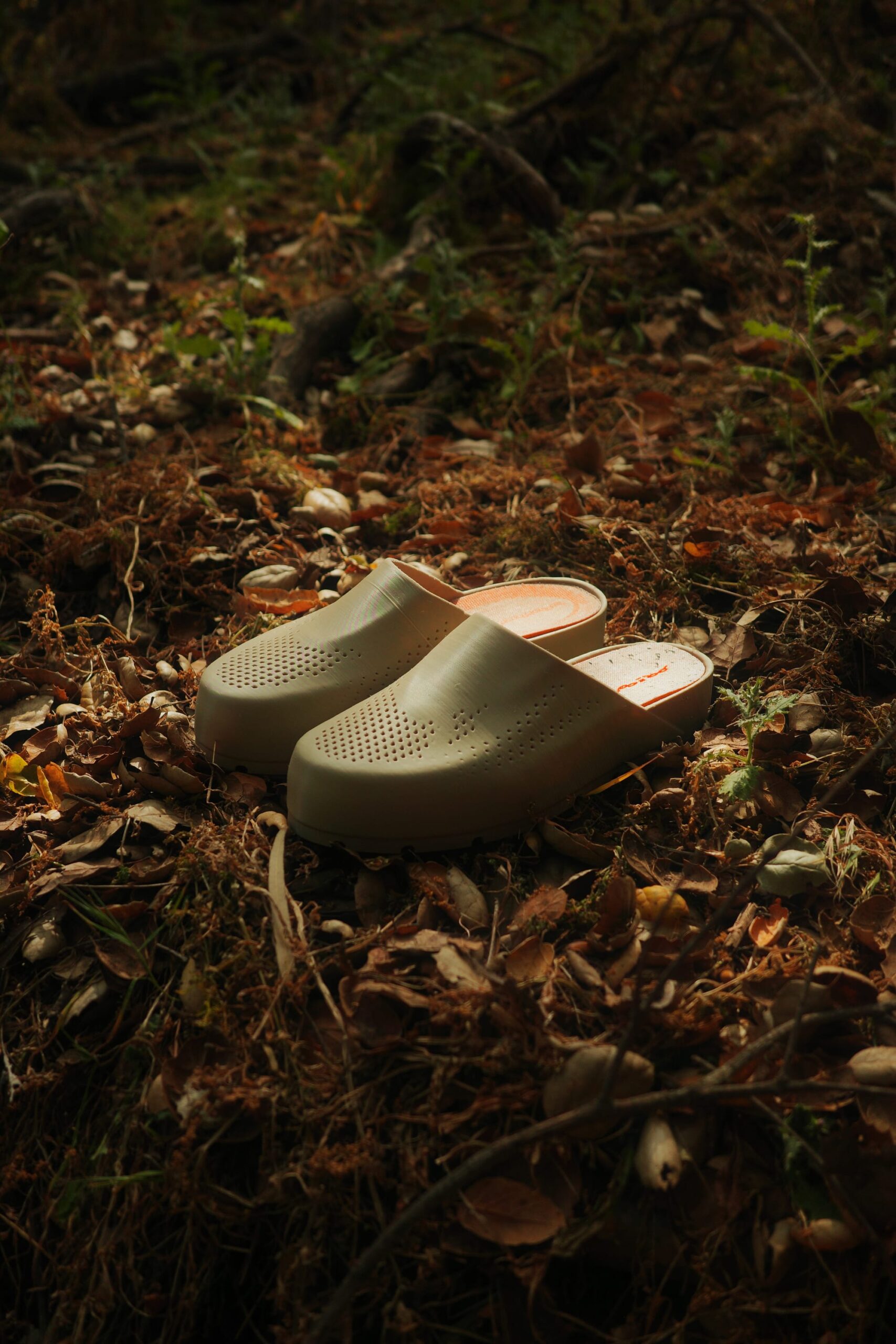
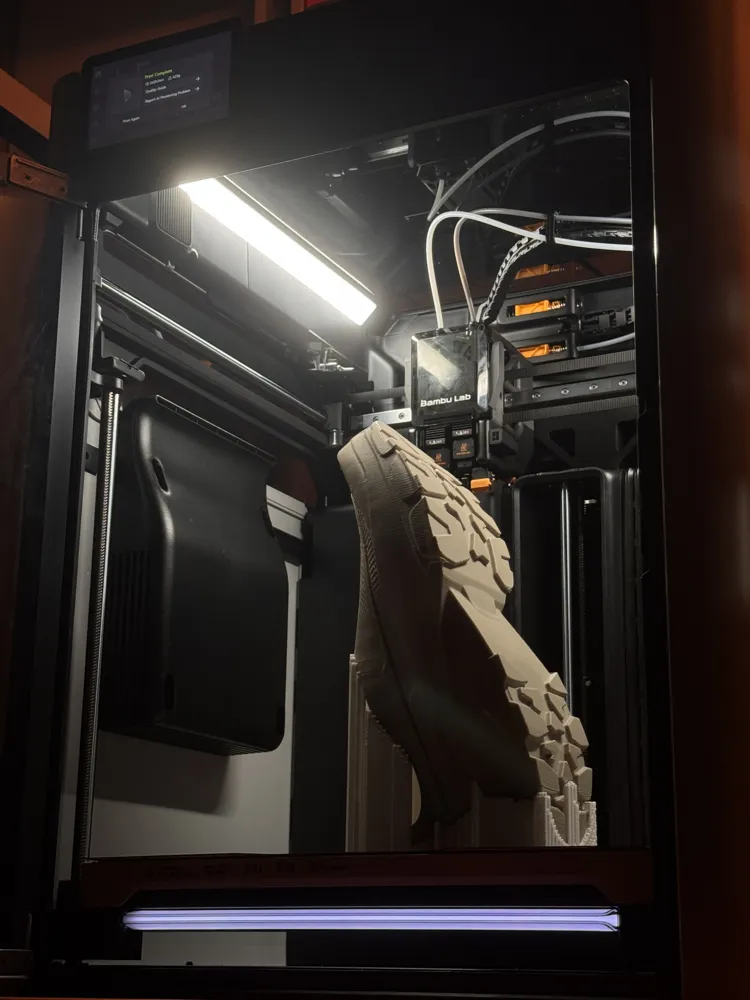
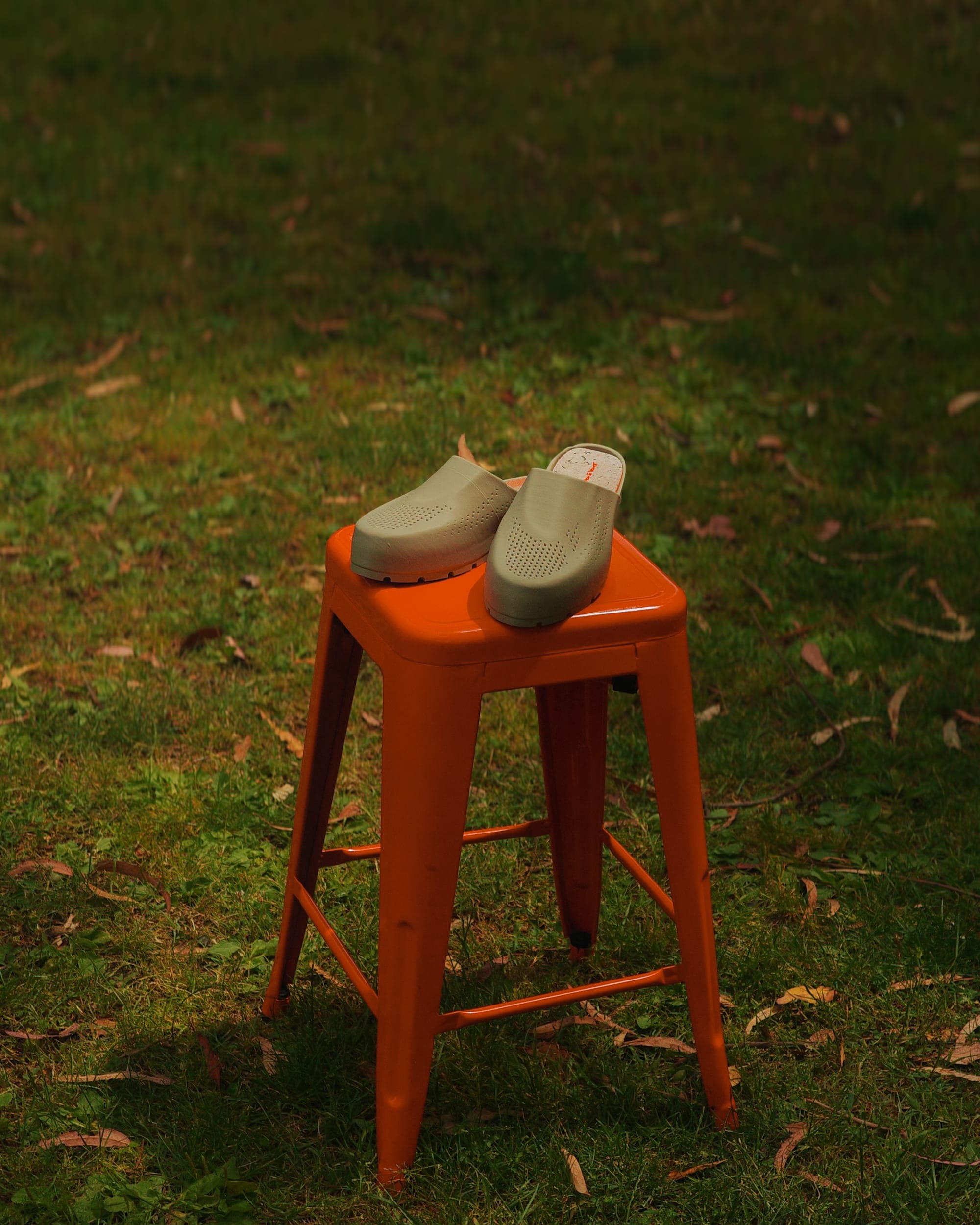
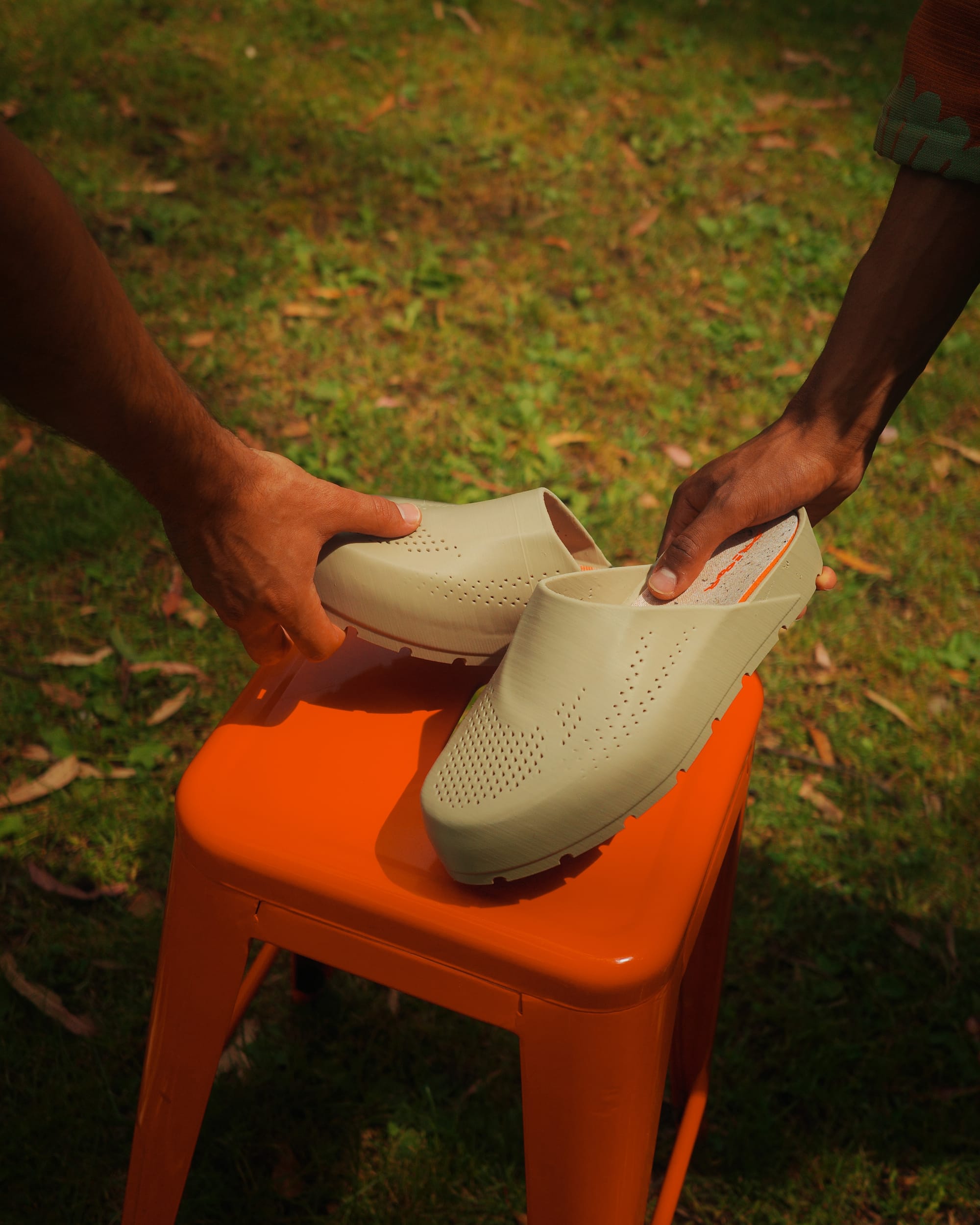
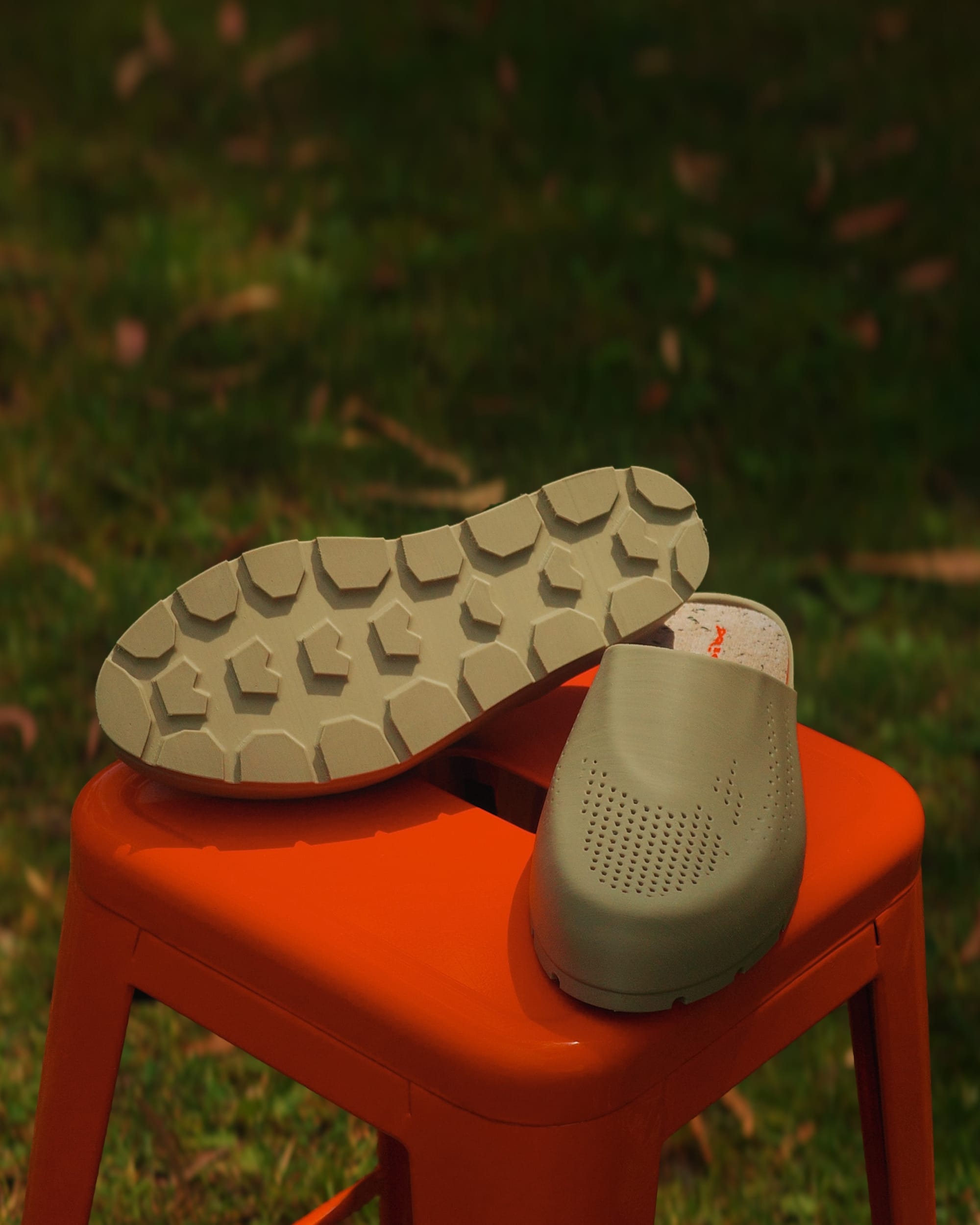
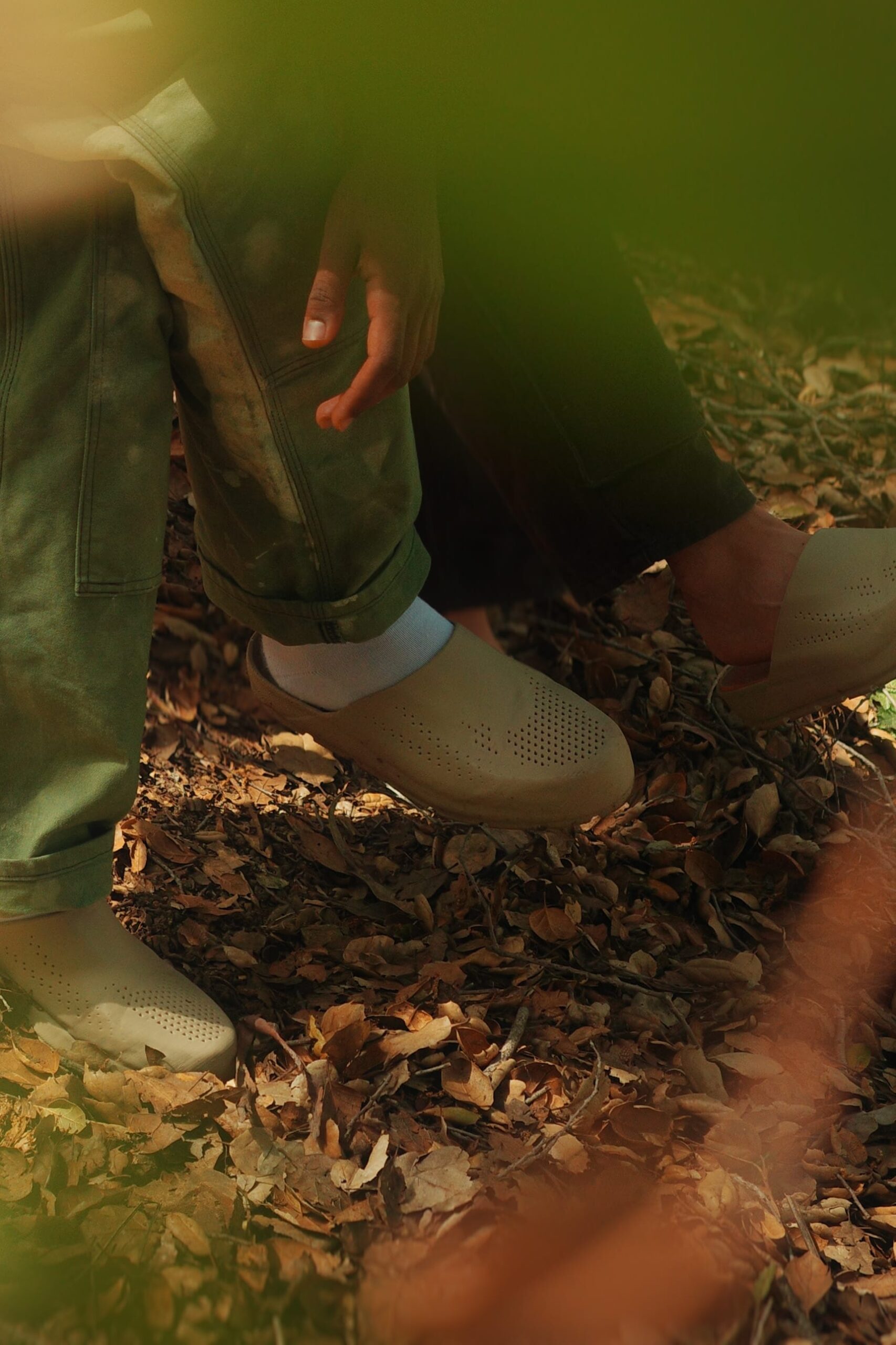
Bambu Lab has partnered with the Los Angeles design-tech studio Presq to make 3D printed footwear more accessible. Together they developed an open-source shoe design that anyone can modify, adapt and print. Major sports brands have experimented with 3D printed shoes for years, yet their models remain closed systems. Designers can buy them, but they cannot change or reproduce them. The collaboration takes a different direction by offering full access to the files and workflow behind the product. As a result, designers gain a new tool for exploring digital fabrication and material innovation.
Materials and the Printing Workflow
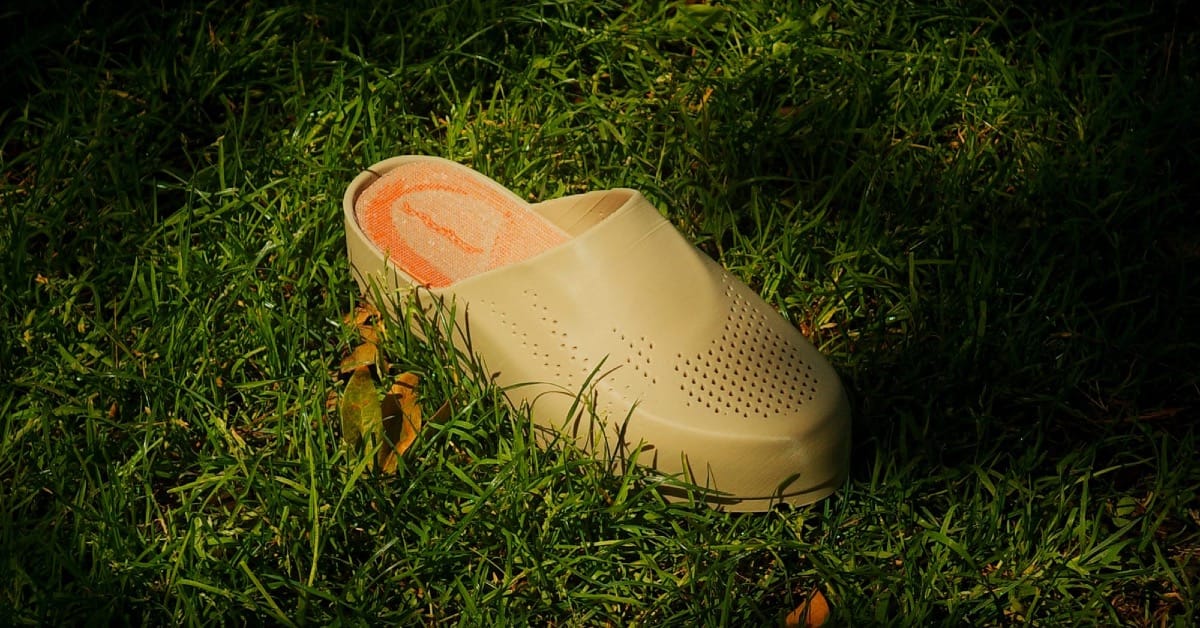
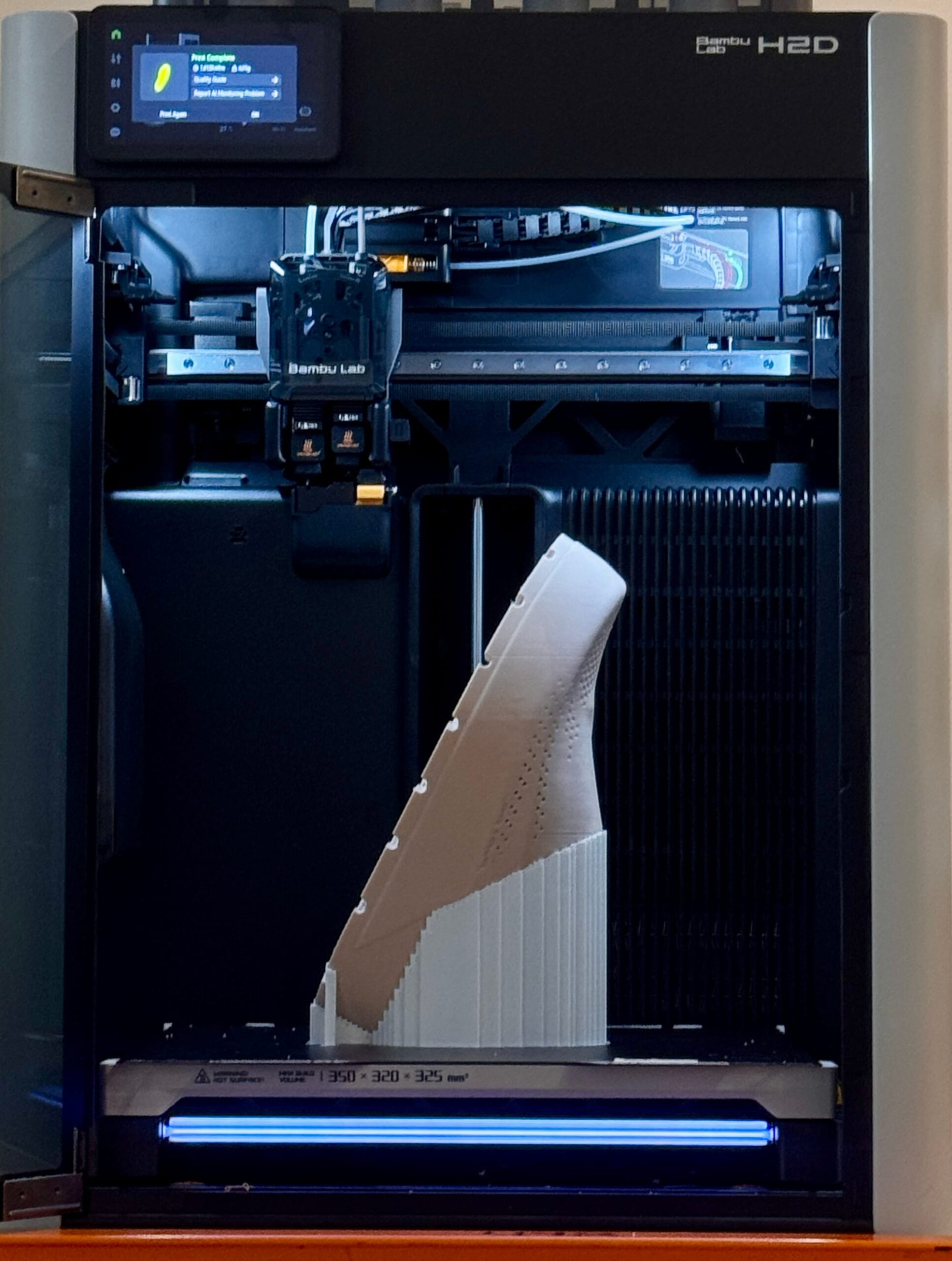
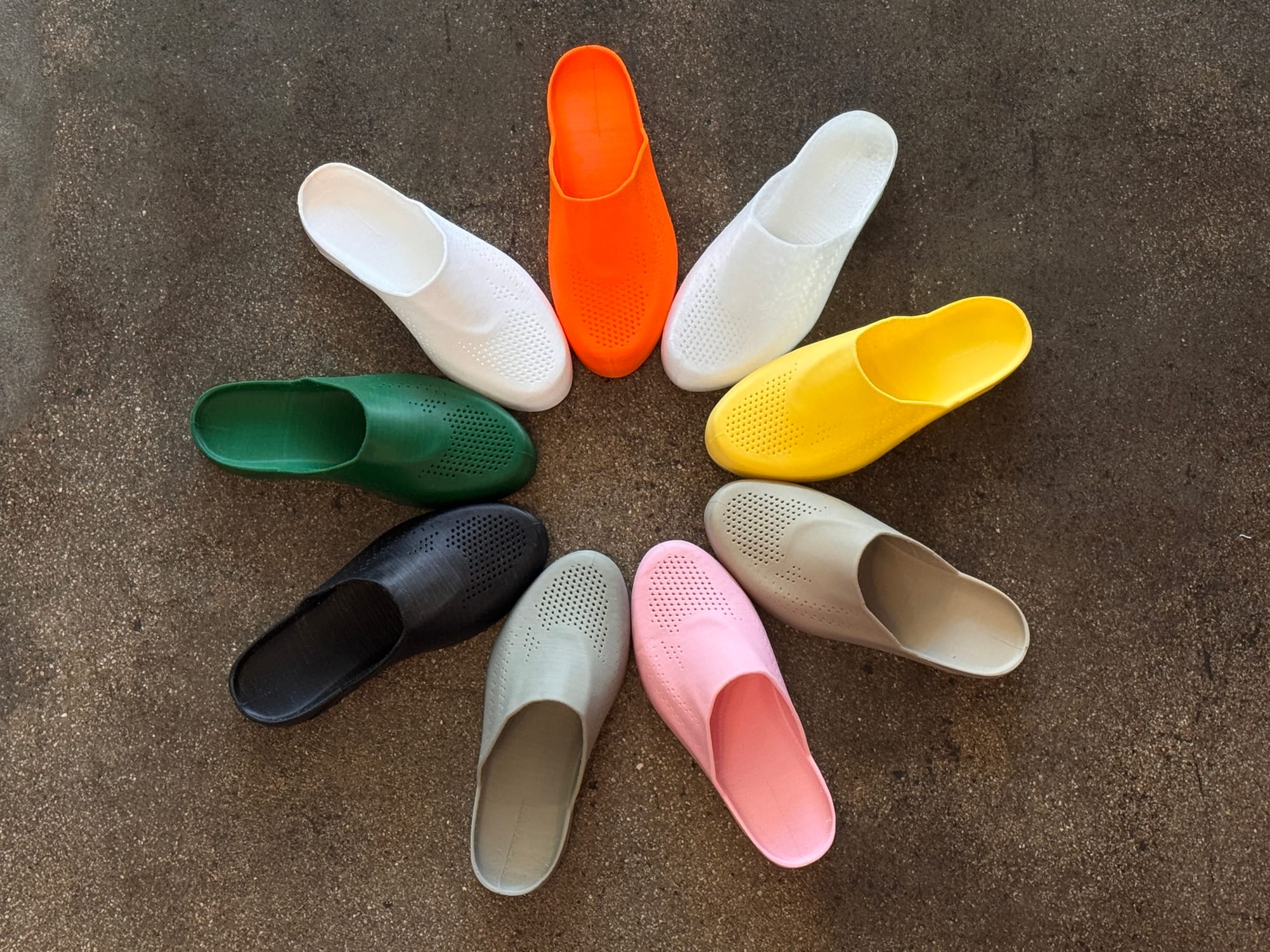
The first shoe, Fig.(0), is designed for practical, wearable use. The shoe prints in matte TPE 85A, a flexible material suited to soft-goods and footwear prototypes. PLA acts as the support material and separates cleanly after printing, which improves the finish and reduces waste. The release includes a US Men’s Size 10 model and a scaling table for adjusting the design to other sizes. It also provides a pre-sliced .3mf file prepared for Bambu Lab H2D printers and the full CAD file. With these resources, designers can quickly start experimenting. They can adjust textures, refine the structure, or test other filaments, including recycled or bio-based options that fit FDM printing.
Outdoor Footwear
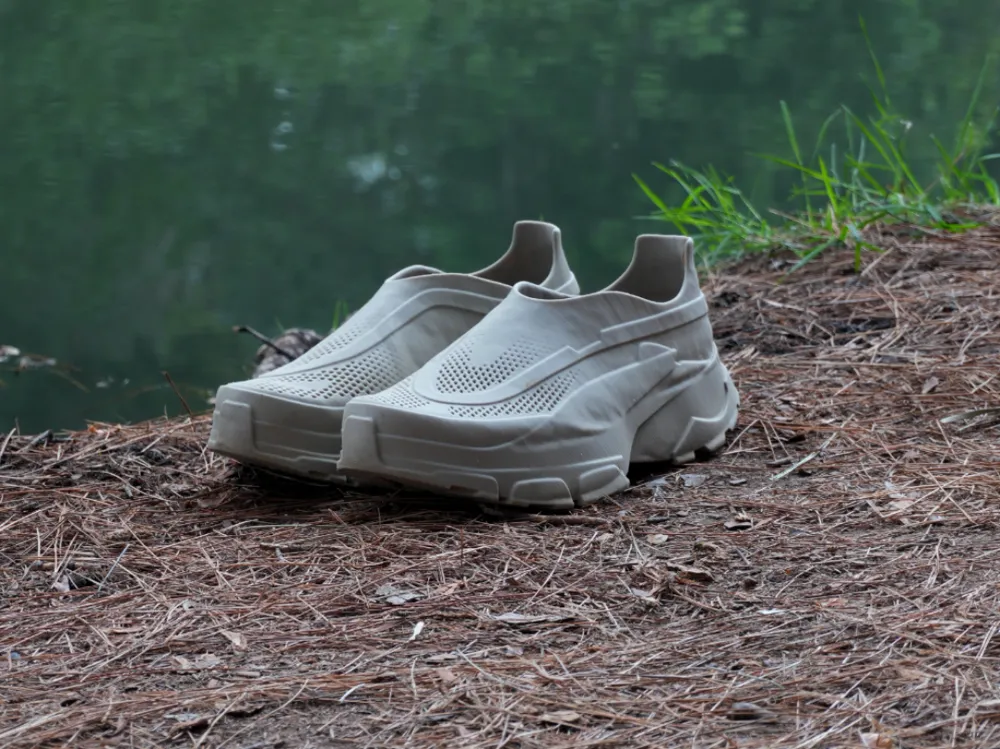
The collaboration has also introduced a second open-source footwear model: Traverse.(0). This design, developed once again in partnership with Bambu Lab, extends the project into outdoor use. Traverse.(0) features a lugged outsole that offers traction on uneven terrain, while the slip-on upper includes perforations that improve airflow and comfort during longer wear. As with the earlier Fig.(0) model, the design encourages customisation and hands-on experimentation.
Towards Local Production
Presq’s “prompt-to-product” approach focuses on local, on-demand manufacturing. This method reduces transport emissions and avoids overproduction. It also supports repair, because designers can simply reprint worn or damaged components. At the same time, the open-source format encourages ongoing material research. Designers can test new polymers or develop shoe components that suit low-impact production methods.
Looking Ahead
Presq plans to release a new design every month, giving designers a steady source of models to adapt and explore. As these releases continue, the project highlights how 3D printing can move beyond early prototypes and into everyday wearables. It shows how digital tools and emerging materials can support more flexible, sustainable and creative design practices in both fashion and product design.
The shoes are available for download on MakerWorld.
Source: Bambu Lab / Presq

Comments