Turning Asbestos into Safe, Carbon-Negative Architectural Materials
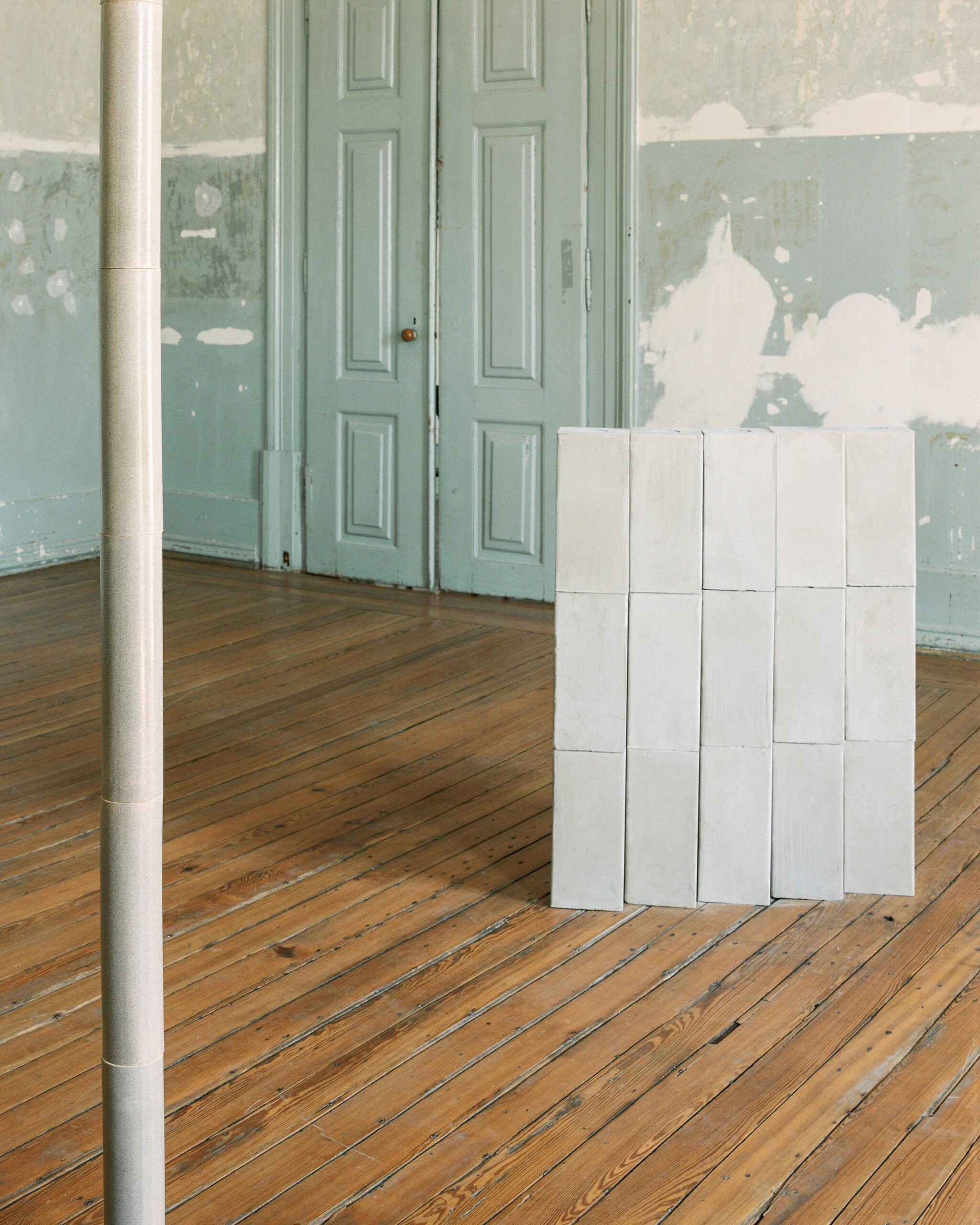
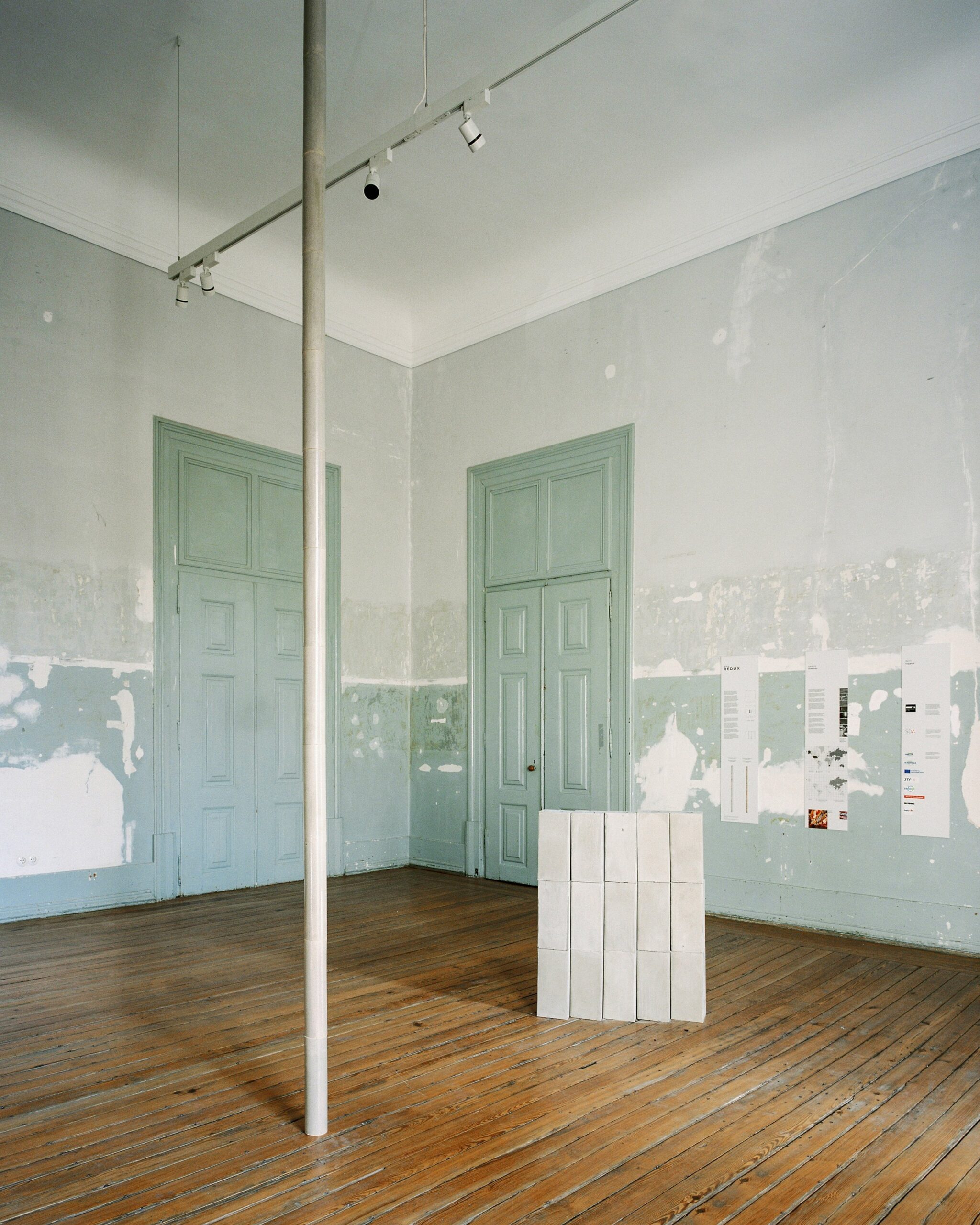
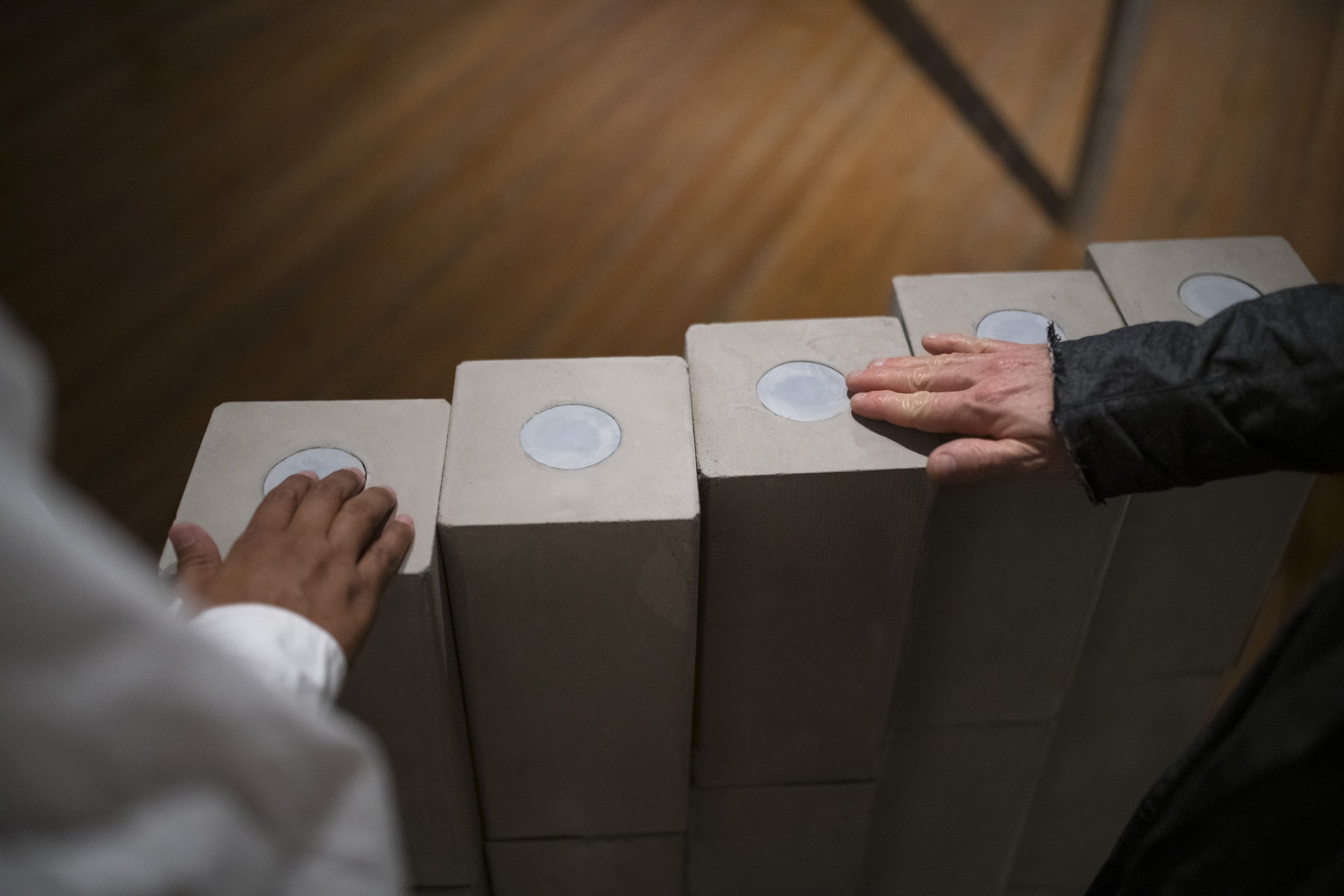
At the 2025 Lisbon Architecture Triennale, Besley & Spresser present 09.ED.15 Redux, an installation that explores a radical transformation: converting asbestos—once a ubiquitous but deadly construction material—into harmless, carbon-negative mineral products with new architectural potential. The project responds directly to the Triennale’s theme, How Heavy Is a City, by confronting the environmental legacy of asbestos that continues to shape both urban and suburban landscapes.
From Hazardous Legacy to Material Innovation
Asbestos was long celebrated as a “miracle material” for its fire resistance and durability. Yet its fibres, when disturbed, are lethal, contributing to hundreds of thousands of deaths annually and generating vast amounts of contaminated waste. Importantly, asbestos itself is a naturally occurring mineral rather than a synthetic toxin; its danger stems from how humans have extracted, processed and deployed it.
09.ED.15 Redux reframes this narrative. Rather than treating asbestos solely as a burden, the project examines how technology can redirect the same human ingenuity that once exploited the mineral toward safe, circular and regenerative applications.
Recrystallised Minerals with Architectural Value
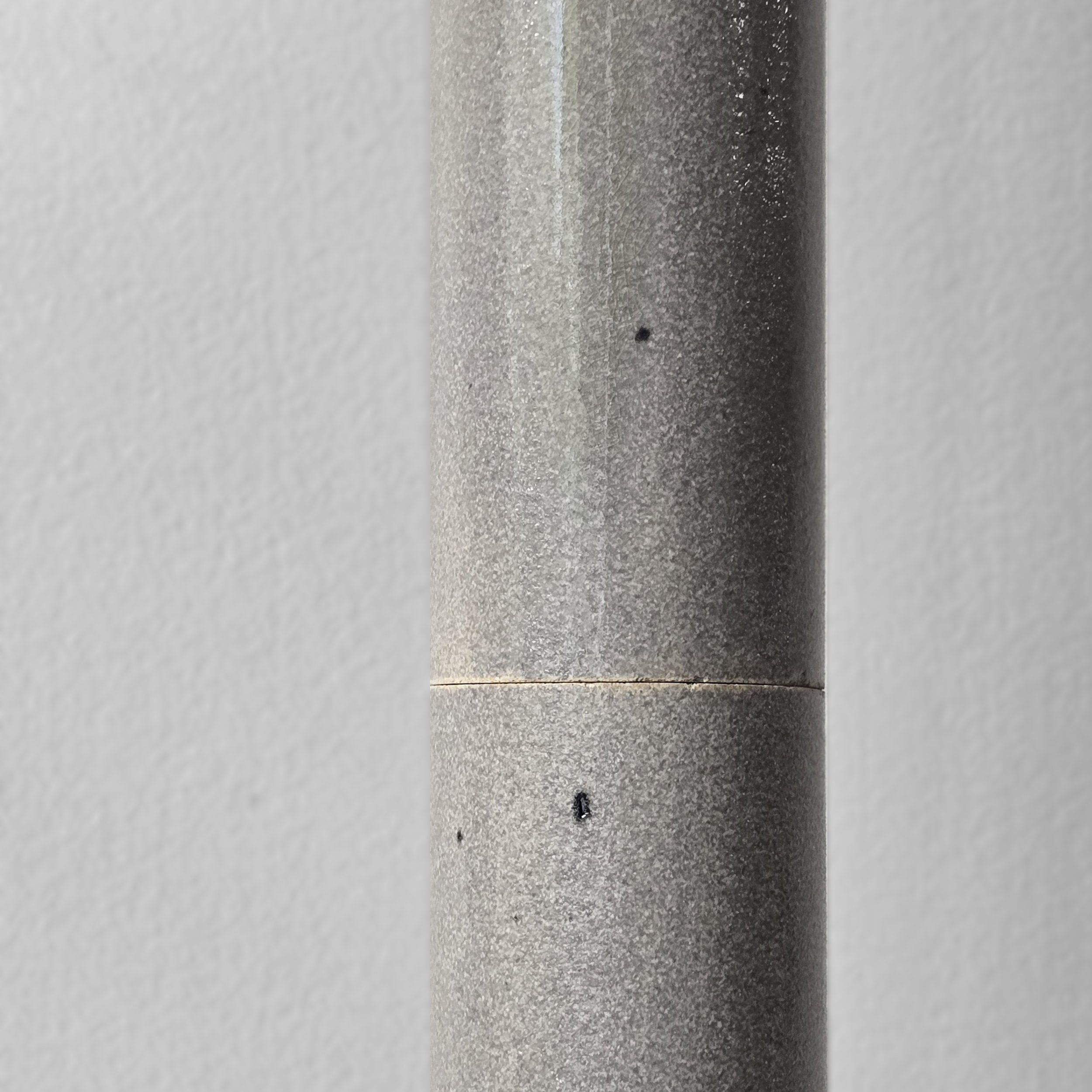
A key innovation showcased in the installation is the recrystallisation of asbestos-containing waste, transforming it into benign mineral forms suitable for architectural use. Research partners such as Asbeter demonstrate how these renewed minerals can replace up to 25% of the cement typically required in concrete production. Given that cement accounts for roughly 8% of global CO₂ emissions, this substitution offers a highly scalable pathway to lowering the carbon footprint of construction.
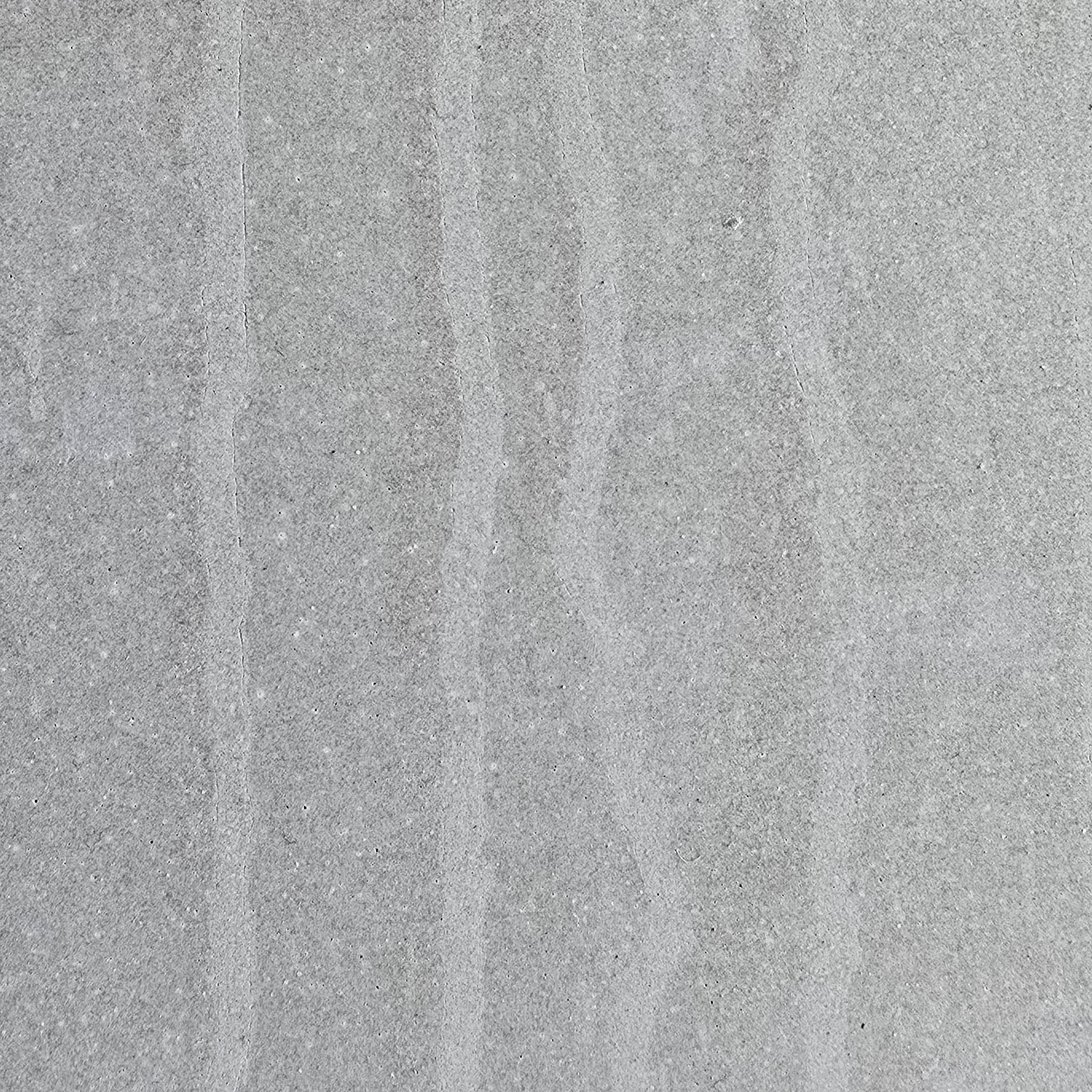
The resulting materials—including mineral glazes and “MACMA” concrete—have potential applications in renders, tiles, glazes, façades and other architectural components, opening new opportunities for designers seeking low-impact, circular solutions.
Circular Urban Regeneration
Beyond material innovation, the project points to a broader shift in how cities source and value their materials. Instead of harvesting ever more limited natural resources, the urban environment itself can become a material reservoir. By safely recycling asbestos from ageing buildings or reclaiming it from landfill, cities can recover significant land areas while reducing hazardous waste streams.
This approach aligns with contemporary priorities in urban sustainability: radical reuse, circular resource flows and the restoration of ecological space. The installation argues that, with the right technologies, cities can evolve from extractive systems into regenerative ones.
A Vision for Future-Proof Material Culture
09.ED.15 Redux ultimately proposes a new relationship with materials: one that acknowledges past harm while embracing the potential of innovation to repair and renew. For architects, designers and urban planners, the project highlights emerging material pathways that support low-carbon construction, circularity, and the responsible transformation of inherited built environments.
Source & photos: Besley & Spresser
Photos: Rui Cardoso / Asbeter / Benedetta Pompili

Comments