GO-OFF and BikeFlip Launch First Helmet Recycling Programme
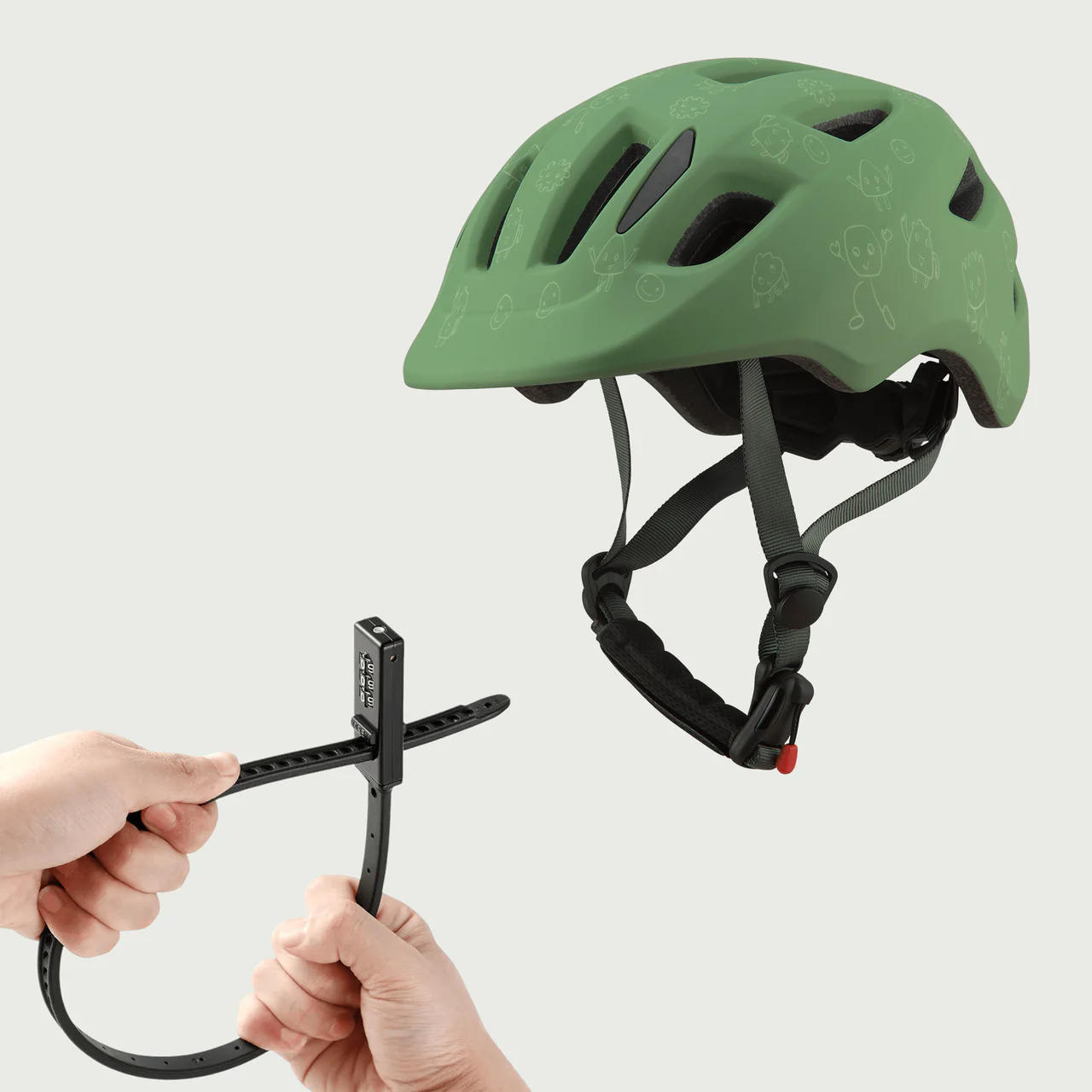
GO-OFF, a Dutch developer of bike, speed-pedelec and ski helmets, has teamed up with BikeFlip, a company known for its circular children’s bicycles and subscription services. Through this partnership, BikeFlip now offers the fully recyclable GO-OFF FIRST children’s helmet in its shops and online. The two companies also introduce what they describe as the world’s first recycling system for bicycle helmets. Their aim is to create a more circular lifecycle for helmets, from use to reuse.
A Recyclable Helmet Designed for Safety and Ease of Use
The GO-OFF FIRST focuses on safety, material efficiency and everyday comfort. Its extended outer shell adds protection to the sides and back of the head. A magnetic clasp helps children fasten the helmet quickly and prevents pinching. The unisex design remains suitable as children grow, which may reduce early replacement.
For product, mobility and wearable designers, this helmet shows how simplified material choices can support recyclability without compromising safety or usability.
A Nationwide Take-Back System for Used Helmets
BikeFlip now places collection units in its stores and offers returns through its online platform. Families can hand in helmets that reached the end of their use phase. GO-OFF and BikeFlip then separate the materials and recycle or reuse them. Traditional helmets often end up as waste because their mixed materials are difficult to process. This programme offers an alternative pathway that keeps resources in circulation and reduces environmental impact.
The collaboration highlights the role of design for disassembly, clear material identification and coordinated logistics in achieving circularity.
Towards More Circular Mobility Products
Both companies see this step as part of a broader shift towards circular products for children’s mobility in the Netherlands. BikeFlip states that the programme fits its mission to integrate circular thinking into the bicycle market. GO-OFF notes that a helmet designed for repeated recycling supports long-term resource efficiency.
For designers, the project offers a relevant case study on how material choices and product architecture can shape end-of-life options, especially in safety-related consumer products.
Source: GO-OFF / Duurzaam Ondernemen

Comments