Transparent Insulation Material Promises Major Energy Savings for Buildings
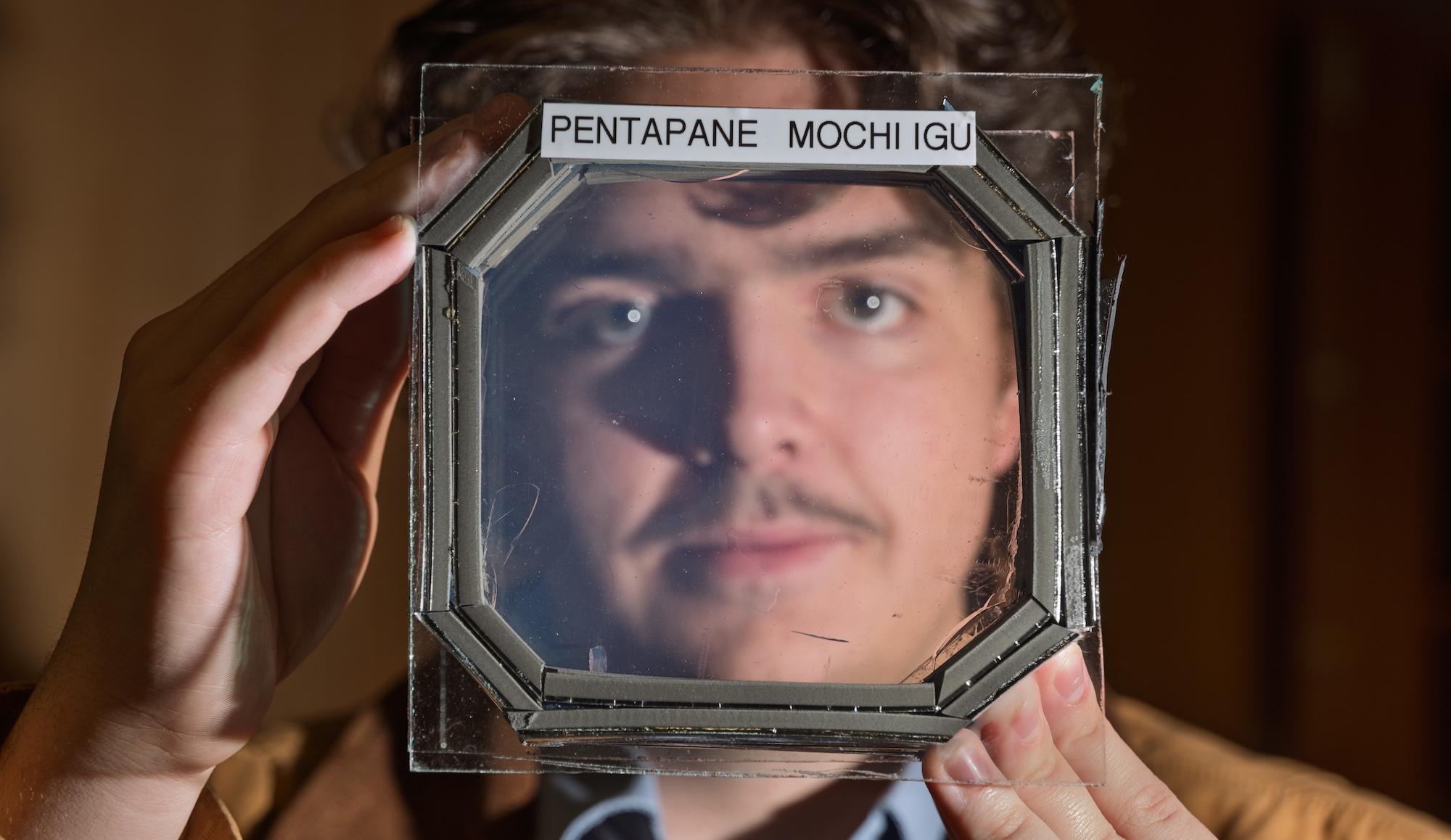
Researchers at the University of Colorado Boulder have developed a new transparent insulation material for windows. The material improves thermal performance while keeping glass clear. It is called MOCHI, short for Mesoporous Optically Clear Heat Insulator.
Windows remain one of the weakest parts of the building envelope. Designers can insulate walls easily, but glazing must stay transparent. As a result, buildings lose large amounts of energy through windows. MOCHI offers a new solution that combines insulation with visual clarity.
How MOCHI Works
MOCHI is a silicone-based gel with a network of extremely small air-filled pores. These pores are far thinner than a human hair. Together, they make up more than 90% of the material. The trapped air slows heat transfer. At the same time, the structure allows light to pass through. Unlike aerogels, MOCHI does not look cloudy. It reflects only about 0.2% of incoming light.
A MOCHI layer of just 5 millimetres already provides strong insulation. Researchers can produce the material as thin sheets or thicker blocks. In the future, designers could add it to existing windows or integrate it into new glazing systems.
Implications for Architects and Designers
For architects and façade designers, MOCHI could support more energy-efficient glass façades. It allows large window areas without the usual thermal penalties. This is especially relevant for homes, offices and public buildings.
Interior designers may also see benefits. Better-insulated windows improve comfort near façades. Indoor temperatures stay more stable throughout the day. This can reduce the need for heating and cooling systems.
Towards Sustainable And Scalable Solutions
At the moment, researchers still produce MOCHI in a laboratory. The process takes time and needs further development. However, the team expects to simplify production. The raw materials are relatively affordable.
Commercial products may still take time. Even so, MOCHI shows how material innovation can improve building performance without sacrificing transparency or comfort.
Source: University of Colorado Boulder
Photo: Glenn Asakawa/CU Boulder

Comments