Underwater 3D Printing Points To A New Future For Sustainable Maritime Construction
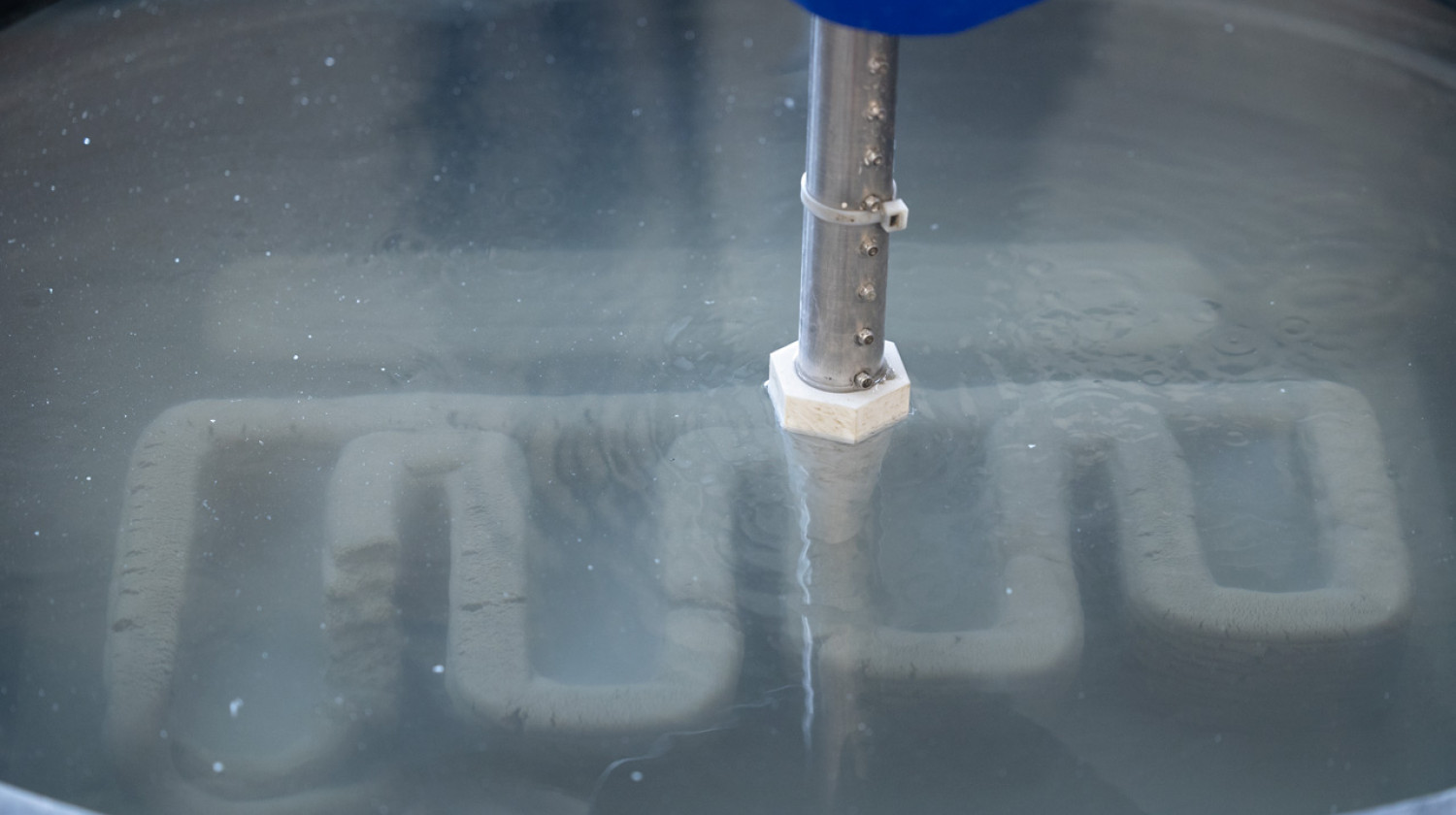
3D printing has already reshaped construction on land, from experimental housing to large-scale infrastructure. Researchers at Cornell University are now taking the technology underwater. Their goal is to 3D-print concrete directly on the seafloor, opening up new possibilities for maritime construction and repair.
This approach could change how architects and engineers design ports, coastal defences and offshore infrastructure. Instead of transporting heavy prefabricated elements or using disruptive building methods, robotic systems could construct structures directly in place. This would significantly reduce disturbance to marine environments.
A Material Challenge Beneath The Surface
Printing concrete underwater presents a major technical challenge. Cement particles can wash away before they bind, which weakens the structure. Traditional solutions rely on chemical additives, but these often make the concrete too thick to pump or difficult to shape.
The Cornell team addressed this by carefully adjusting the concrete mixture. Their goal was to maintain pumpability while ensuring the printed layers could hold their form and bond properly. This balance is critical for reliable structural performance.
Using Seafloor Sediment To Reduce Impact
Sustainability plays a central role in the project. DARPA, which funds the research, required the concrete to consist mostly of seafloor sediment, with only a small amount of cement. Cement production generates significant CO₂ emissions, so reducing its use is essential.
By using sediment found directly on site, the process limits material transport and lowers the environmental footprint. It also challenges conventional ideas about concrete, positioning it as a locally sourced and adaptive material rather than a standardised product.
Robotics, Sensors And Architectural Expertise
Underwater visibility poses another challenge. Fine sediment quickly clouds the water, making visual inspection impossible. To solve this, the team developed sensor systems that monitor the printing process in real time. These sensors allow the robot to adjust its movements and maintain print quality without human intervention.
The project brings together civil engineers, material scientists, roboticists and architects, including architectural robotics specialist Jenny Sabin. This interdisciplinary approach highlights the growing overlap between architecture, robotics and material innovation.
Rethinking Concrete For Extreme Environments
While still in development, underwater 3D printing points towards a future where construction becomes more precise, less invasive and more responsive to local conditions. For architects and designers working with infrastructure, materials and sustainability, the research offers a compelling glimpse of how construction could evolve in fragile environments.
Source & photos: Cornell

Comments