Rijkswaterstaat Tests Fully Biobased Traffic Signs Made From Natural Materials
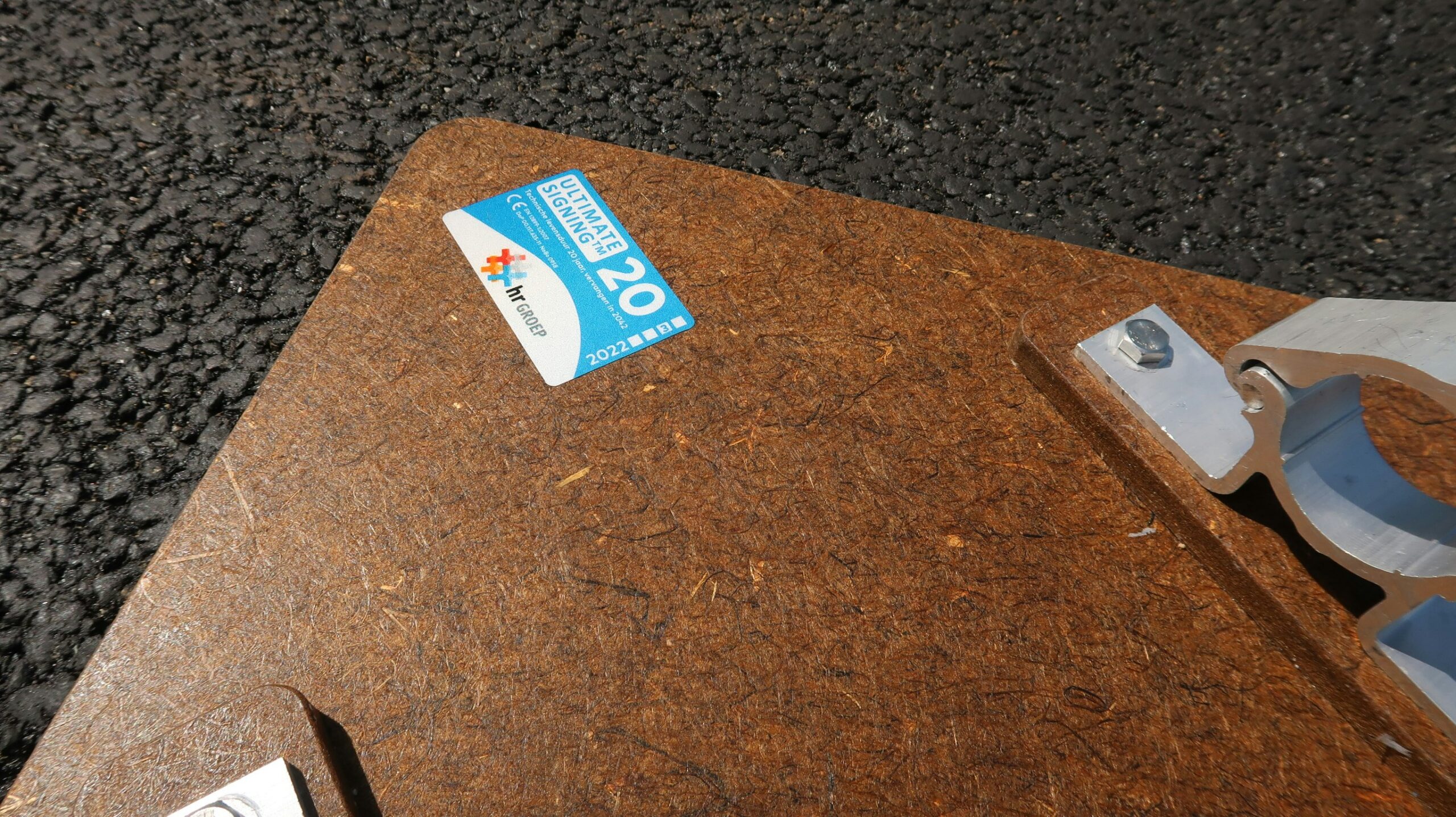
Rijkswaterstaat (the Dutch Directorate-General for Public Works and Water Management) has started testing fully biobased traffic signs along the A58 motorway near Oirschot in the Netherlands. The organisation is working with biomaterials company Plantics to explore whether these renewable signs can replace conventional aluminium versions.
Rethinking Roadside Materials
Each year, Europe produces large numbers of traffic signs. Most use aluminium and fossil-based plastics. These materials are durable but have a high environmental impact. Through the InnovA58 programme, Rijkswaterstaat is exploring more sustainable alternatives in real-world conditions.
The new signs aim to match the performance of standard traffic signage. At the same time, they reduce the use of non-renewable resources. This development is relevant for designers and engineers working on public space, mobility and infrastructure projects.
Hemp And Biobased Resin As Core Materials
The pilot includes 24 traffic signs made from natural and locally sourced materials. Hemp fibre from Groningen forms a key component. Producers combine this fibre with a biobased resin made from residual streams of the sugar industry and plant-based oil production.
This combination creates a strong composite that can withstand outdoor conditions. The material performs under wind, rain and UV exposure. It offers an alternative to metals and petrochemical composites. For product designers and landscape architects, it shows how agricultural waste can become a valuable resource.
Circular Design And End-Of-Life Strategy
The design of the signs focuses on circularity. At the end of their lifecycle, users can separate and recycle the materials. These materials can then return in new products, including future traffic signs.
If a sign breaks due to an accident, the material behaves differently from conventional options. It can biodegrade naturally when it ends up in the surrounding environment. This reduces long-term pollution and supports a regenerative approach to material use.
Real-World Testing In A Living Lab
Rijkswaterstaat will test the signs over a period of 12 months. The signs will face real roadside conditions along the A58. This approach allows the team to monitor durability, safety and maintenance needs. If the results are positive, biobased signage could become a viable option for public infrastructure. This project shows how material innovation can support a more sustainable built environment.
Source & photo: Rijkswaterstaat

Comments