Hemp Waste Shows Promise For Lower-Carbon Bioplastic Films
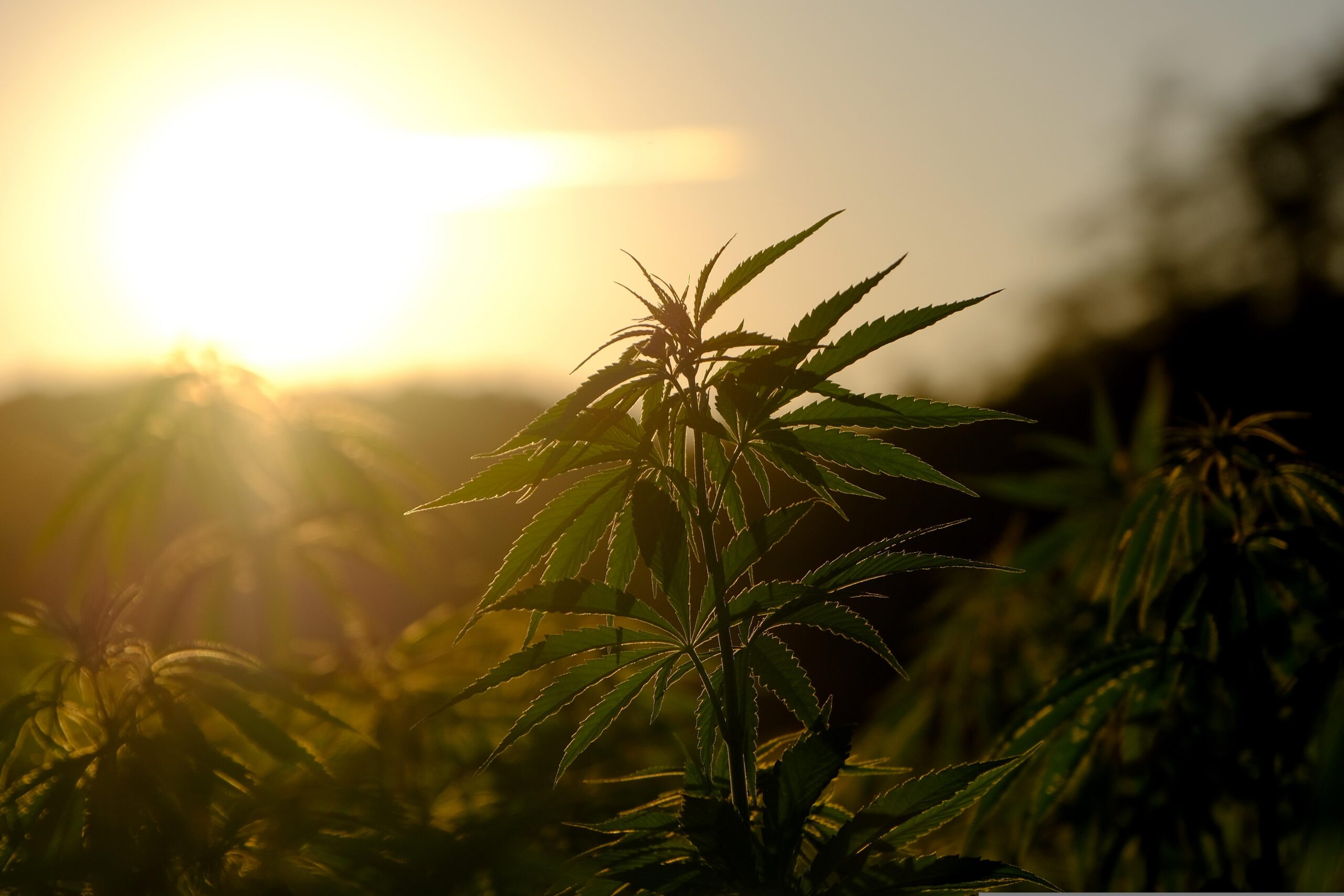
Researchers in South Korea have tested biocomposite films made with hemp hurd, the woody inner part of the hemp stem. This part of the plant often remains as agricultural waste. The study looked at two possible uses: flexible packaging film and agricultural mulch film.
From Residue To Reinforcement
The team processed hemp hurd into microfibres. They then added these fibres to bioplastic blends. For packaging film, they combined the fibres with PLA. For mulch film, they used starch-based thermoplastic, PBAT and hemp hurd microfibres.
The fibres improved the material performance. Tensile strength rose by about 20% for packaging film and 33% for mulch film. The films also reached properties close to fossil-based and reference materials. This makes the material relevant for packaging designers, product developers and landscape applications.
The Importance Of End-Of-Life
The researchers used life cycle assessment to compare different disposal routes in South Korea. These included incineration, industrial composting, anaerobic digestion and landfill. Anaerobic digestion gave the best result. This process turns biowaste into biogas, which can generate electricity. It also produces digestate, which can act as a soil conditioner. For mulch film, this route saved up to 6.1 kg CO₂ equivalent compared with current waste treatment practices in South Korea.
A higher share of hemp microfibres also improved the carbon footprint. It reduced the use of non-renewable energy while keeping useful material properties.
Benefits And Challenges
The study shows that hemp hurd can lower the impact of biocomposites compared with reference bioplastics such as PLA, TPS and PBAT. In the best cases, the material saved up to 2.44 kg CO₂ equivalent and 67.7 MJ of non-renewable energy per kg of mulch film.
There are still challenges. PBAT and electricity use caused the largest environmental impact during production. The results therefore depend on cleaner energy and better polymer sourcing. Biobased alternatives to PBAT could reduce emissions further, but cost and scaling remain barriers.
Towards Circular Film Materials
The study makes clear that biobased plastics are not automatically sustainable. Their impact depends on the recipe, production energy and available waste infrastructure. By turning hemp waste into a functional filler, these biocomposites offer a promising route for lower-carbon film materials. They could support more circular packaging and landscape products, especially where anaerobic digestion or composting is available.
Source: ScienceDirect
Photo: NickyPe

Comments