Corn-Based ‘Plantymer’ Mimics Spider Silk to Create Strong Biodegradable Plastic
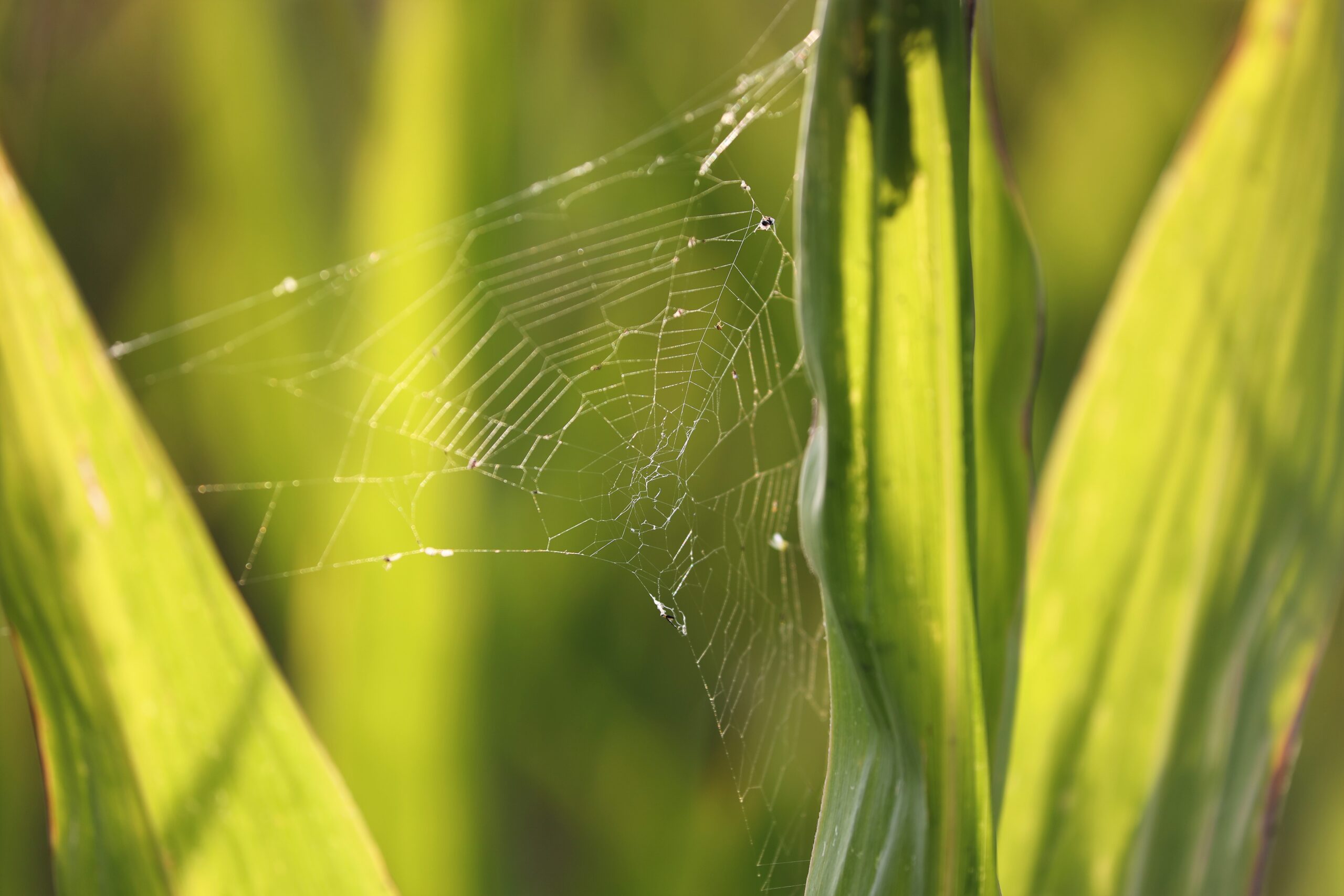
Researchers from China and the Netherlands have developed a new biopolymer from corn protein that combines high performance with biodegradability. Inspired by spider silk, the material could provide a more sustainable alternative to conventional plastics. Potential applications include packaging, textiles and product design.
Learning From Nature
Most plastics used today come from fossil fuels. Their production generates carbon emissions and contributes to plastic waste and microplastic pollution. Researchers have explored plant-based alternatives for many years. However, many biopolymers lack the strength, flexibility and barrier properties needed for commercial applications.
The team focused on zein, a protein found naturally in corn. Manufacturers already produce zein as a by-product of corn processing and bioethanol production. Although renewable and biodegradable, the material is naturally brittle and has seen limited industrial use.
To improve its performance, the researchers turned to nature for inspiration. They studied spider silk, which combines exceptional strength, flexibility and low weight. Spider silk also biodegrades naturally, making it an attractive model for sustainable materials development.
Silk-Inspired Processing
Spiders create silk by carefully controlling water content, acidity and protein alignment. These processes organise the protein molecules into a highly ordered structure. This structure gives spider silk its remarkable mechanical properties.
The researchers applied similar principles to zein. Instead of using conventional plastic processing methods, they reorganised and aligned the protein molecules. This improved the bonding between protein chains and significantly enhanced the material’s performance.
The resulting material, named plantymer, can be processed into fibres, films and thin sheets. Tests showed that it offers a strong combination of strength, flexibility and durability. It also performs well as a barrier against water and oxygen. These properties are particularly relevant for food packaging and protective materials.
Towards More Sustainable Materials
One of plantymer’s most promising features is its biodegradability. According to the researchers, up to 80% of the material breaks down within one month when exposed to soil. This could help reduce the long-term environmental impact associated with conventional plastics.
The material remains in the research phase, and several questions still need answers. Researchers must determine whether production can scale beyond the laboratory. They also need to assess long-term durability and commercial viability.
Despite these challenges, the study highlights the potential of agricultural by-products as feedstocks for advanced materials. By combining plant proteins with bio-inspired processing techniques, researchers have created a promising new material for packaging, textiles and product applications.
Source: Interesting Engineering
Photo: GoranH

Comments