Yeast-Based 3D Printed Material Opens New Possibilities for Circular Architecture
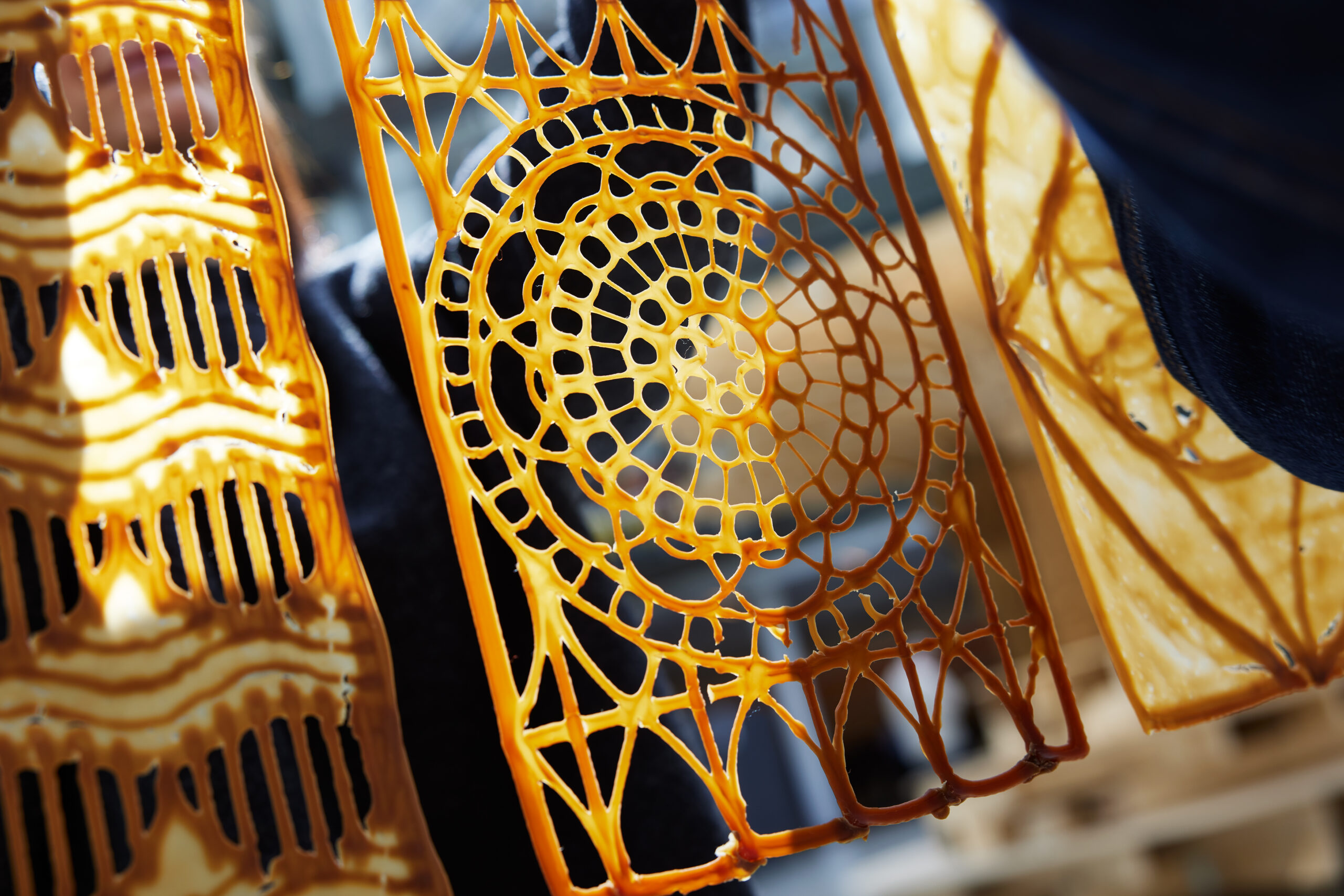
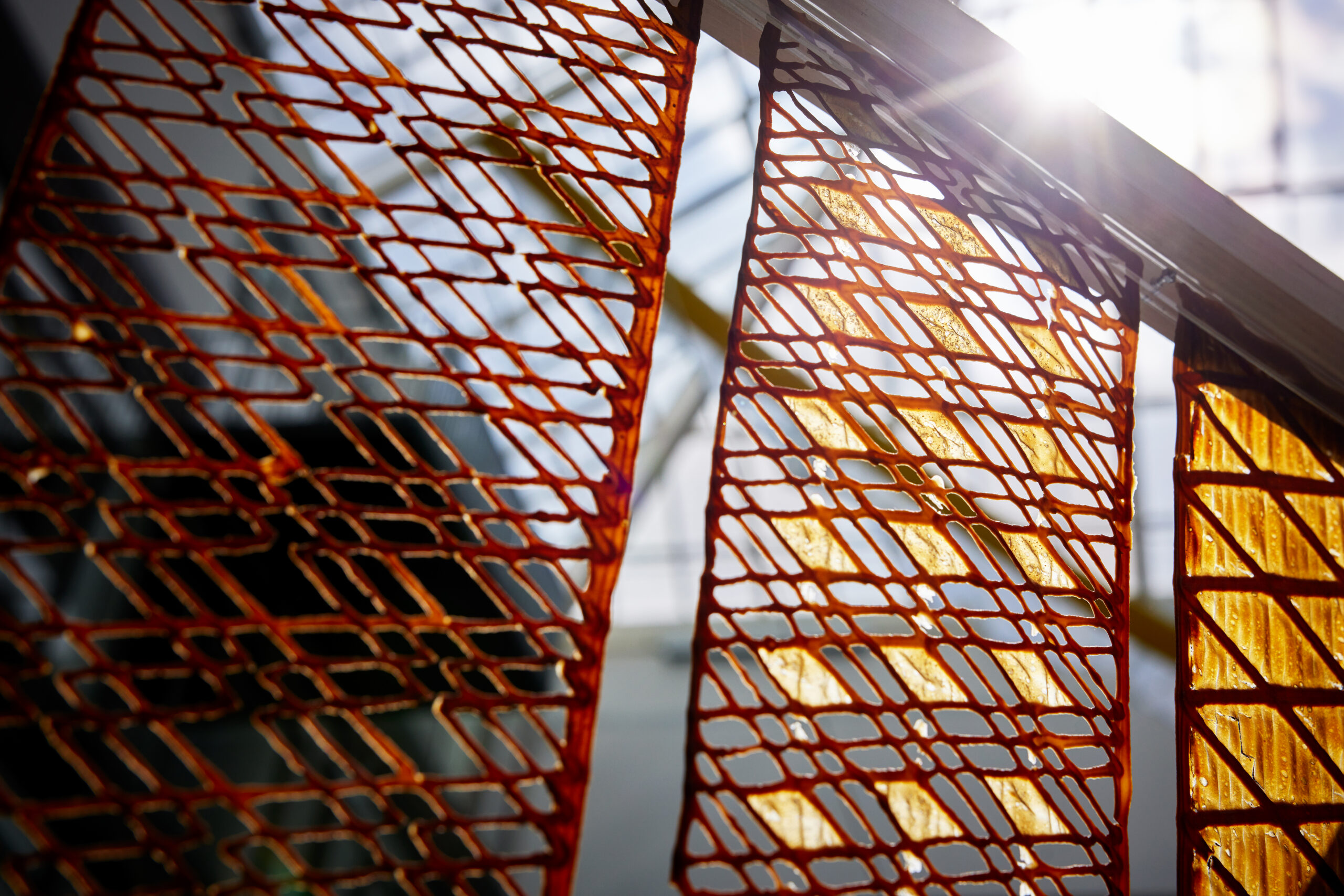
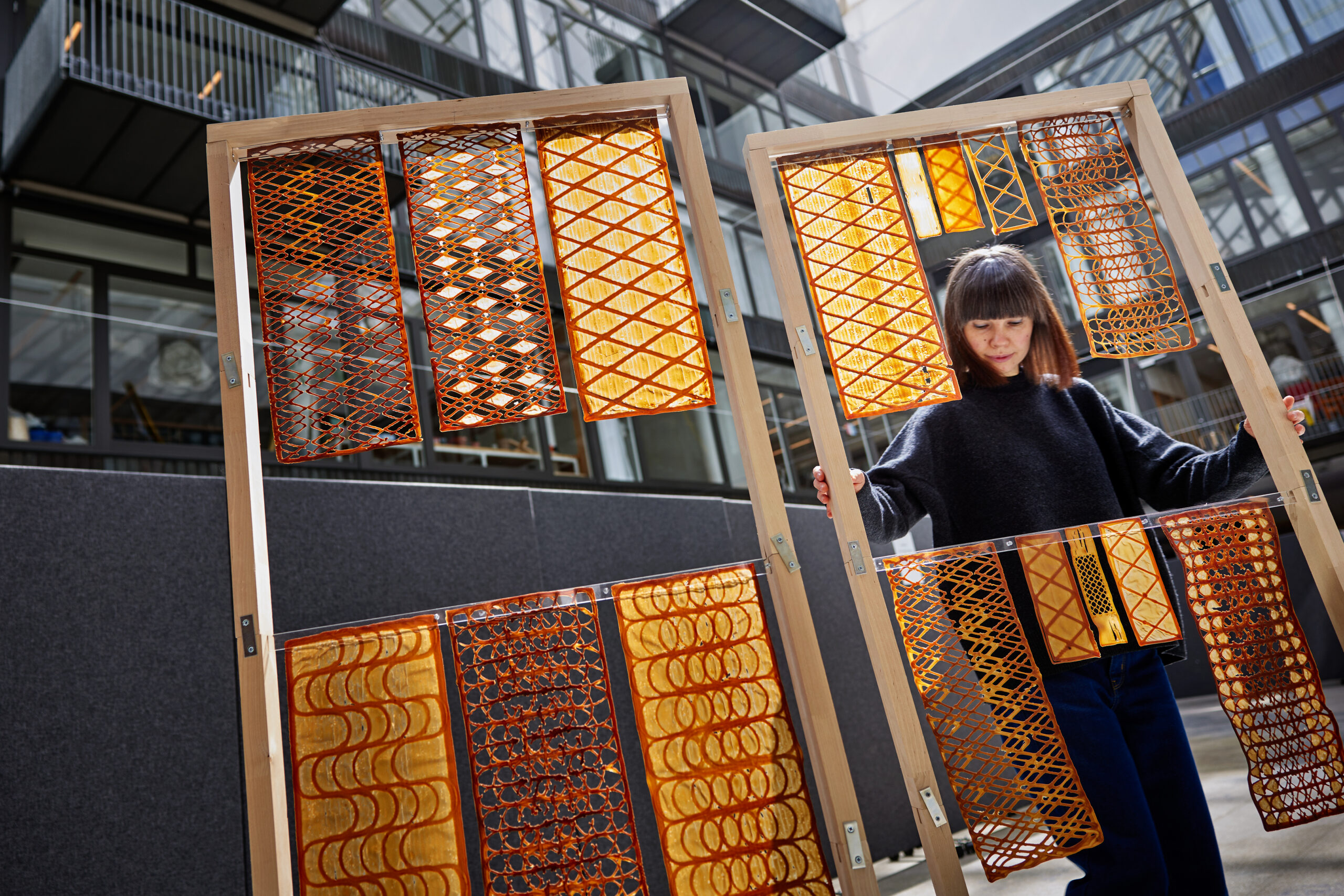
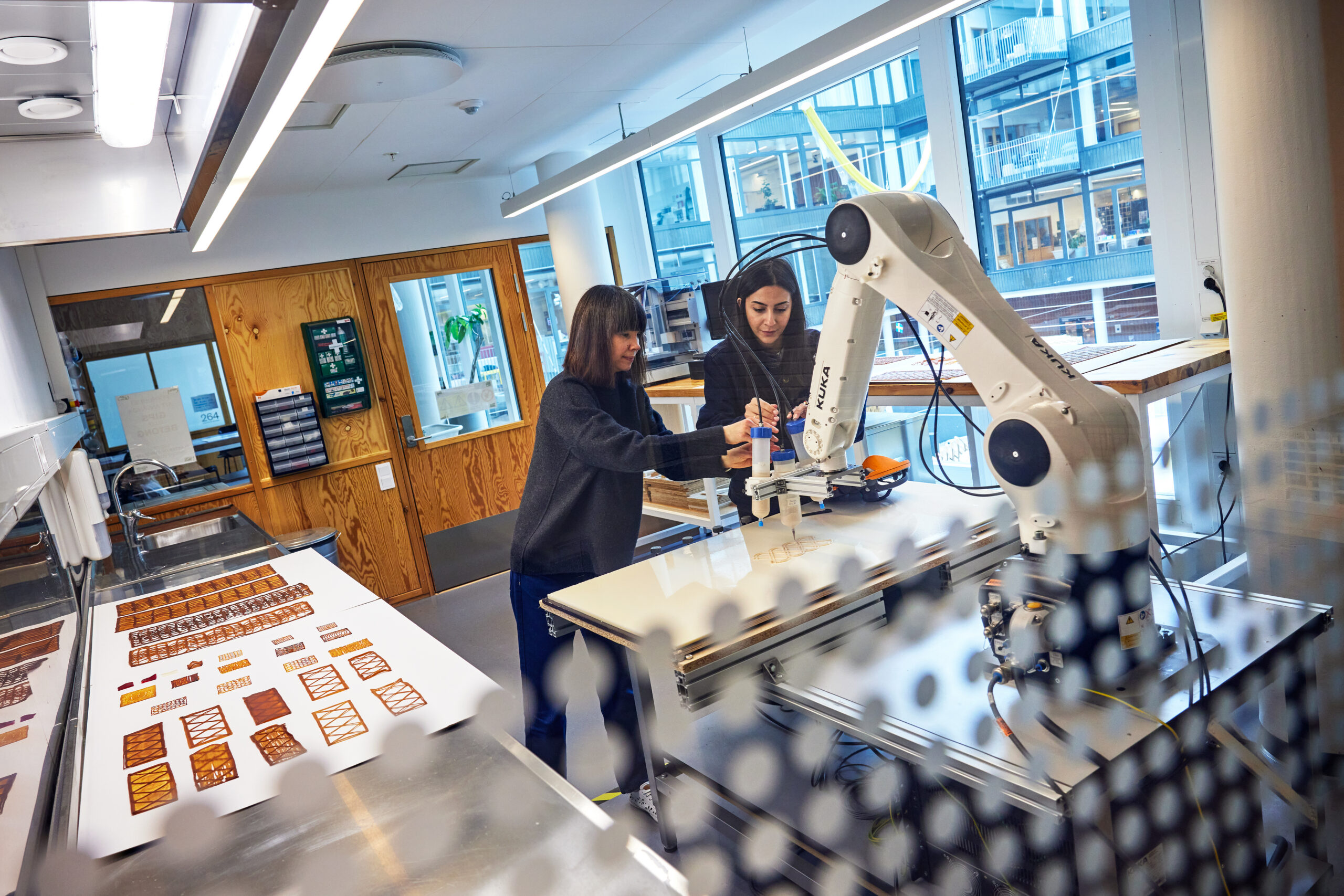
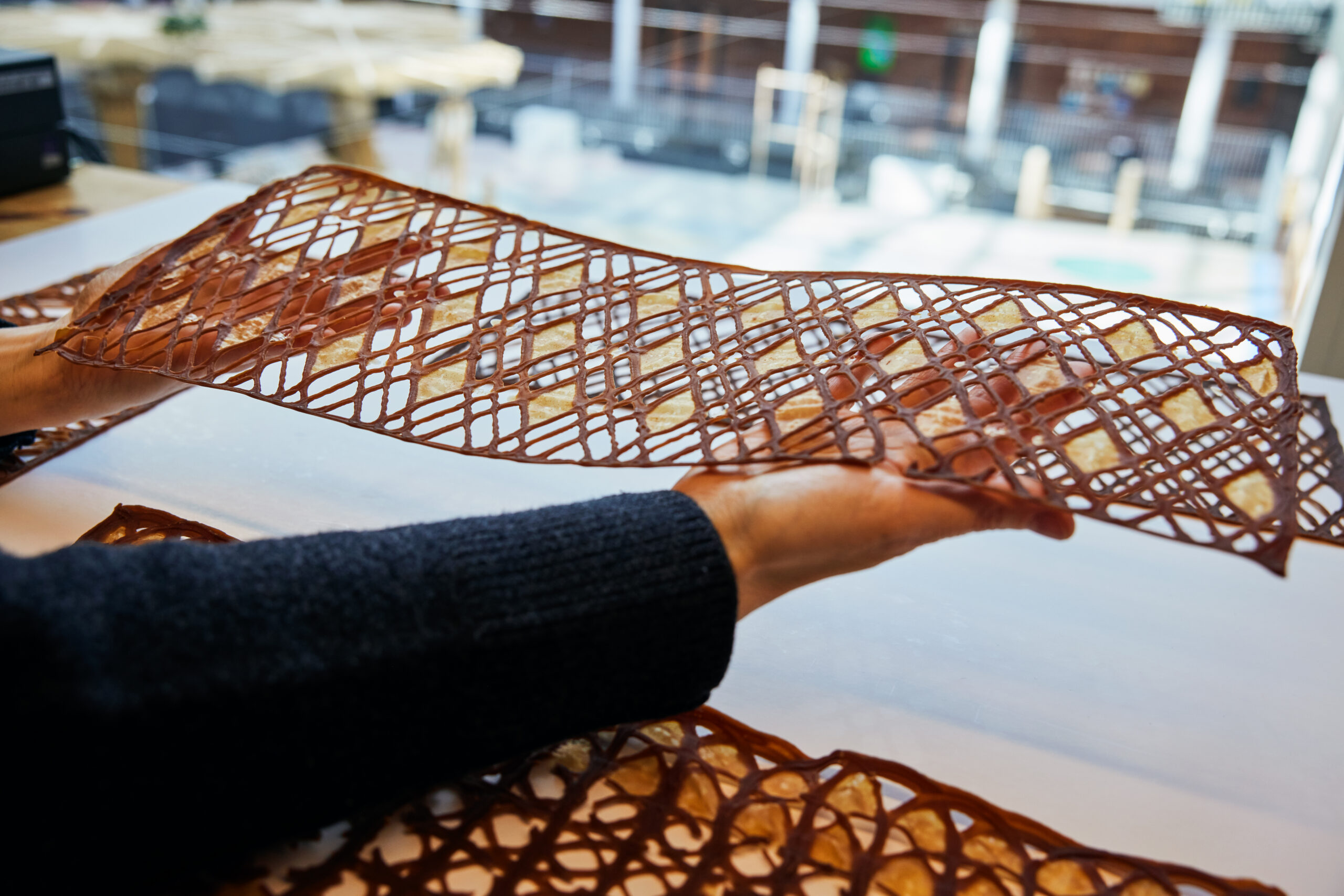
Researchers at Chalmers University of Technology in Sweden have created a fully biobased material using an unexpected ingredient: baker’s yeast. They designed the material for architectural and interior applications and can 3D print it into customised components such as room dividers, wall panels and daylight-modulating screens. The development offers a renewable alternative to plastics, plaster and synthetic textiles.
Turning Renewable Resources Into Architectural Materials
The research team combined baker’s yeast with cellulose fibres from wood, alginate from brown seaweed, plant-based glycerol and water. Together, these ingredients form a printable hydrogel that designers can shape into complex forms through 3D printing.
Professor Malgorzata Zboinska, who led the project, explains that the research explores new ways to combine biobased materials with digital manufacturing. The team also investigated how industrial by-products and residual streams could become valuable resources for the built environment. This approach supports more circular material cycles and reduces dependence on virgin resources.
3D Printing Without Material Waste
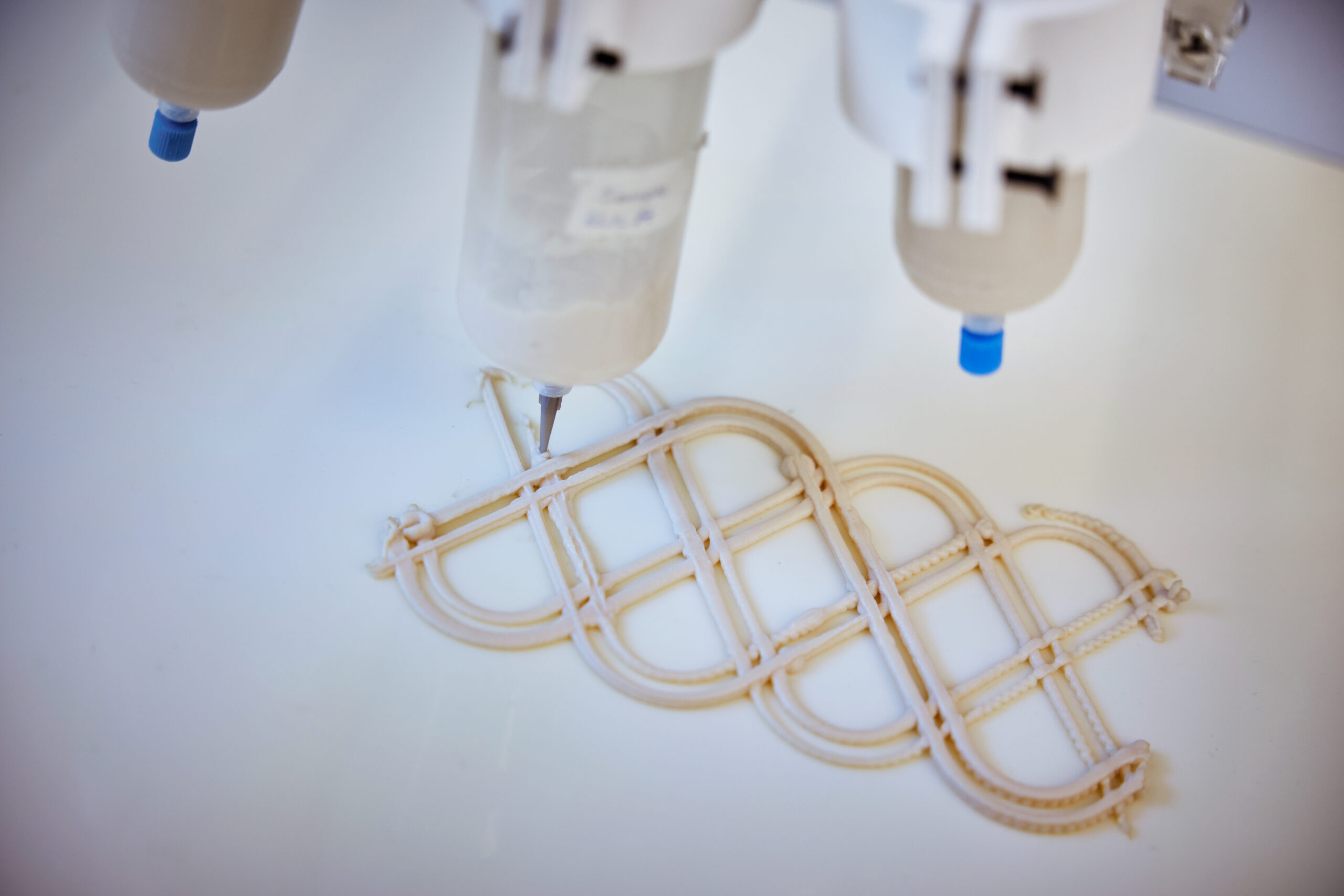
To produce the material, researchers first deactivate the yeast through heating. They then mix it with the remaining ingredients to create a homogeneous paste. Using air pressure, they 3D print the hydrogel at room temperature and allow it to dry naturally.
This manufacturing process requires no energy-intensive heating and no additional support structures. As a result, designers can create complex geometries while minimising material waste.
The technology also provides precise control over shape, texture and transparency. By adjusting the formulation, designers can modify the material’s colour, translucency and surface qualities. Natural pigments and coloured yeast strains further expand the design possibilities.
A New Role for Yeast
Yeast has long played an important role in baking and fermentation, but architects and material researchers have rarely used it as a structural material. In this new formulation, yeast functions as biomass rather than a living organism. It provides volume, stability and binding properties within the material.
The researchers also see opportunities to use residual yeast streams from industries such as brewing and agriculture. Materials that can no longer serve as food or animal feed could find a second life in architectural applications.
Designing for Circular Life Cycles
Unlike conventional building products, which often prioritise long-term durability, this material embraces a circular approach. The biobased composite is biodegradable and can safely return to nature after use.
This characteristic encourages designers to rethink material life cycles. Instead of viewing ageing and degradation as problems, they can incorporate these processes into the design strategy itself.
Towards Future Engineered Living Materials
The project forms part of a broader exploration of Engineered Living Materials (ELMs). Researchers believe future generations of these materials could offer additional functions, such as self-healing properties or the ability to improve indoor air quality.
Before the material can enter large-scale architectural applications, the team must evaluate its structural performance, fire safety, moisture resistance and manufacturing scalability. Even so, the research demonstrates how bio-based materials, digital fabrication and circular design principles can come together to create new possibilities for architecture and interior design.
Source & photos: Chalmers University of Technology

Comments