Mod-U Explores Biodegradable Materials Through Modular Lighting Design
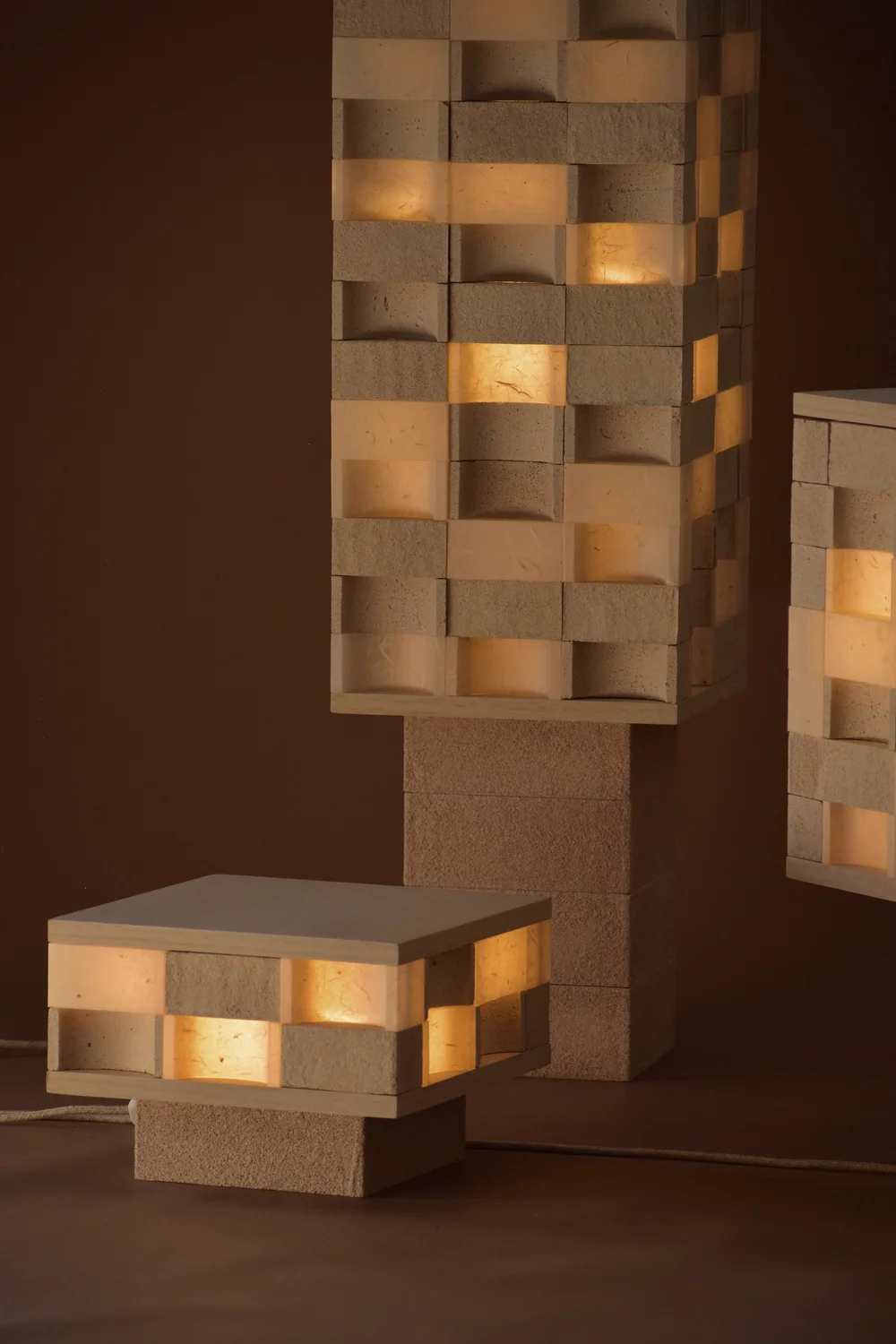
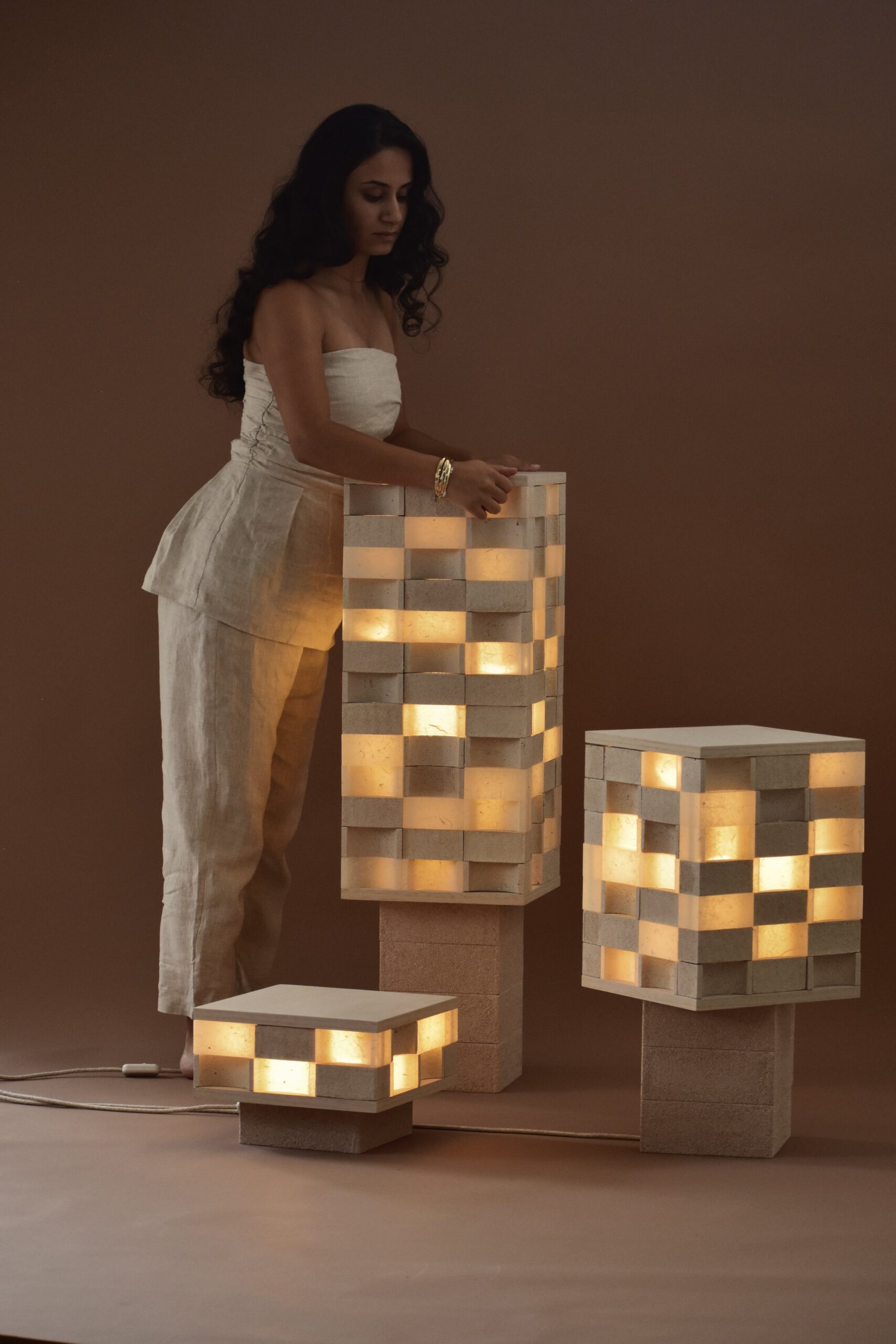
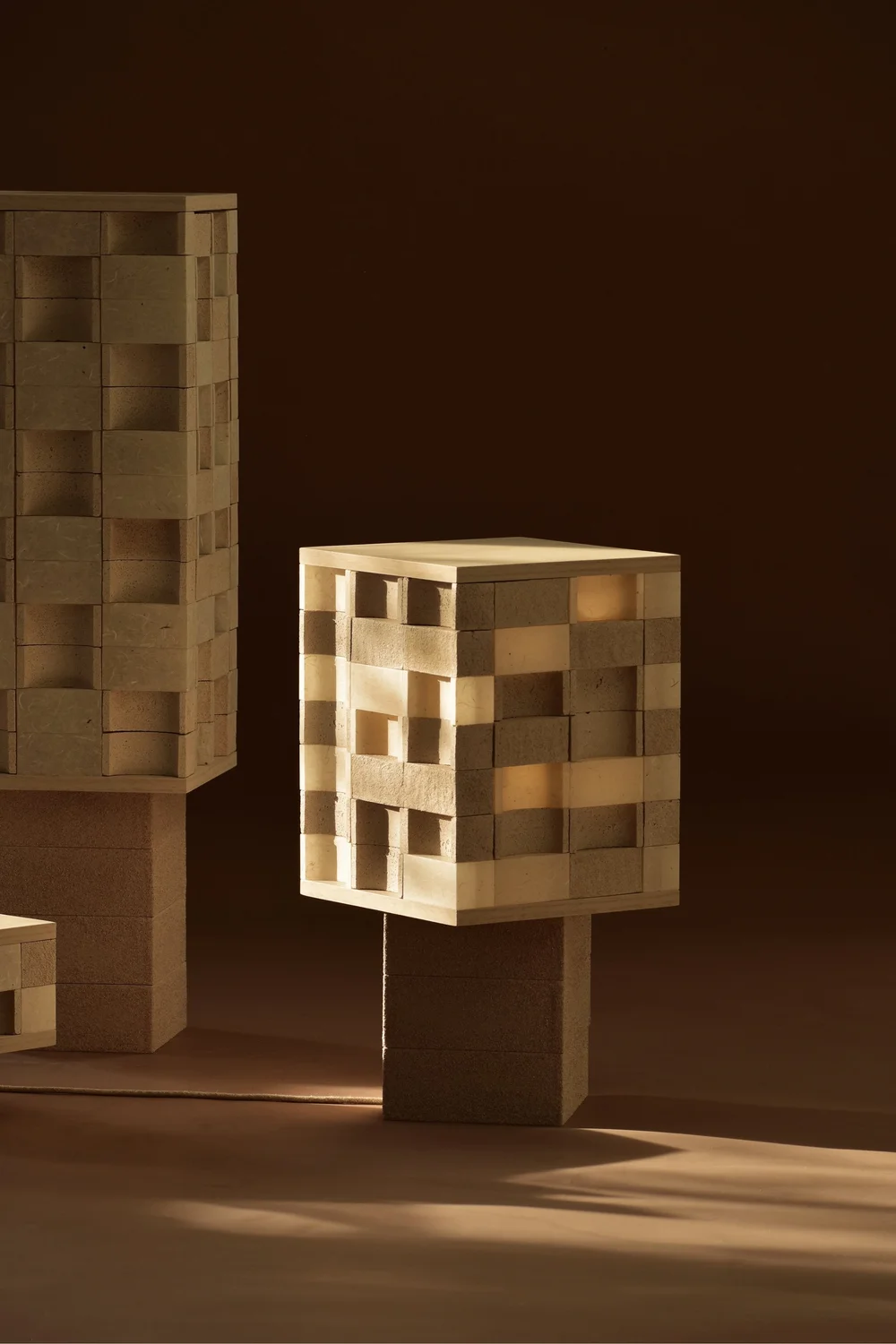
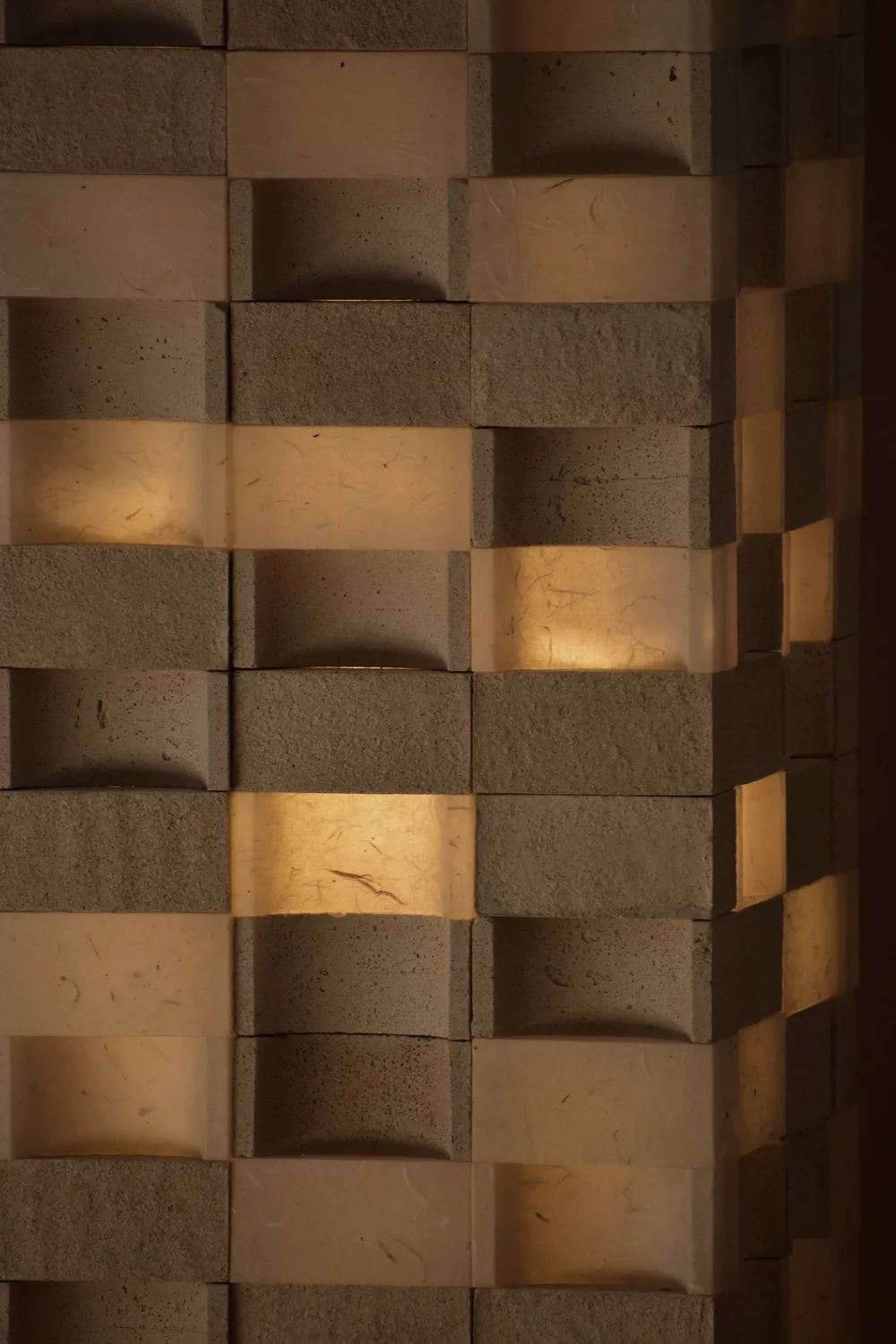
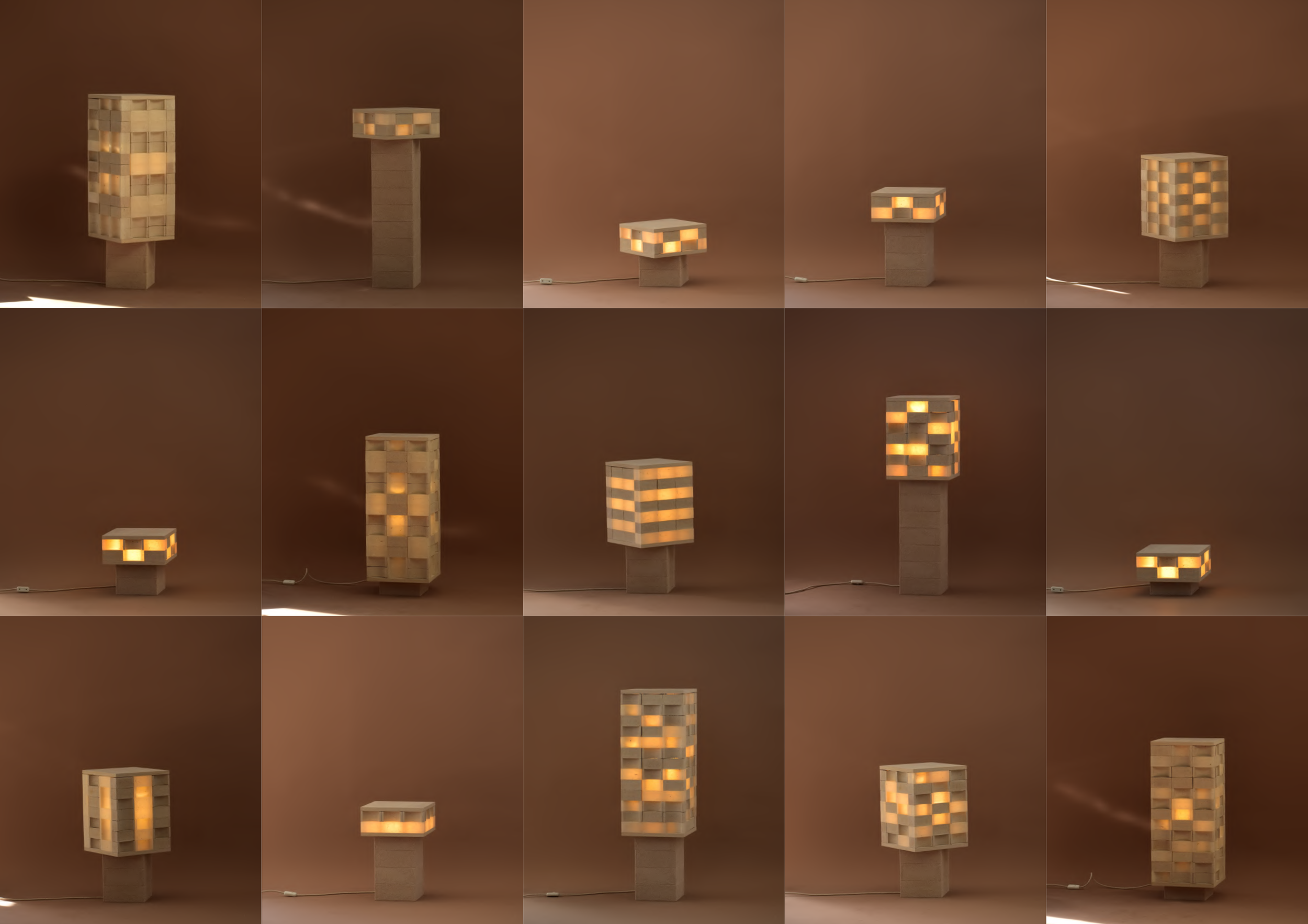
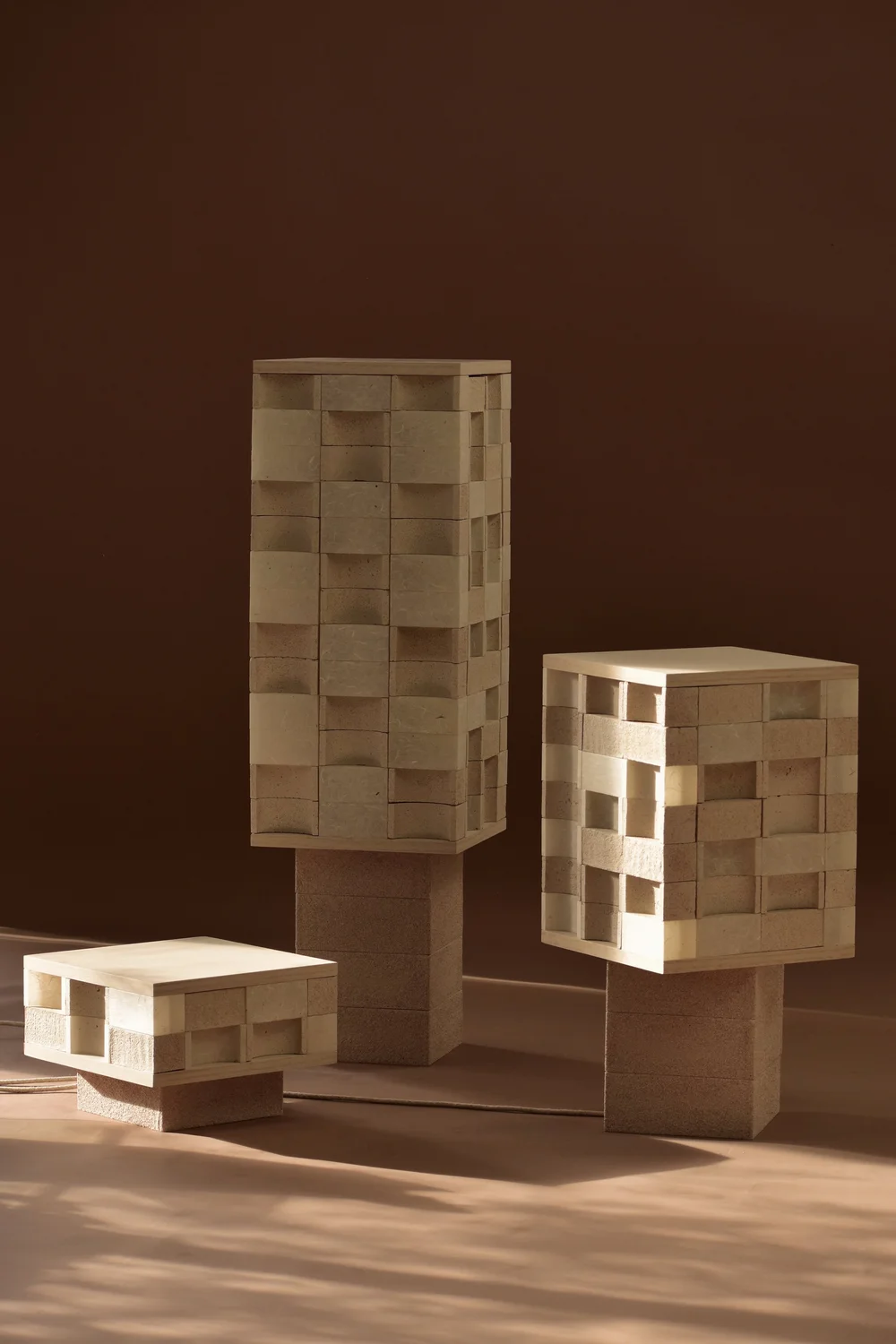
The lighting system Mod-U combines an eggshell composite, PLA-coated Unryu paper and plywood in a modular lighting design by Melbourne-based designer Joanne Odisho. The project demonstrates how designers can use waste-derived, biobased and renewable materials in contemporary lighting products.
Odisho selected these materials as alternatives to conventional plastic components. Together, they create a lightweight structure with a lower environmental impact. The project also highlights how material innovation can support more circular product design.
Eggshell Composite Gives Waste a Second Life
The eggshell composite forms one of the most distinctive elements of Mod-U. Food manufacturers generate large quantities of eggshell waste every year, yet most of it ends up in landfill. Because eggshells contain high levels of calcium carbonate, designers and material developers can use them in composite materials.
By incorporating discarded eggshells, Mod-U transforms a waste stream into a valuable resource. This approach supports circular economy principles and reduces the need for virgin raw materials.
Combining Natural Fibres and Biobased Polymers
The lighting system also features Unryu paper coated with PLA (polylactic acid). Manufacturers traditionally produce Unryu paper from natural fibres, which give the material its characteristic texture and translucent appearance. These qualities make it particularly suitable for lighting applications.
The PLA coating improves durability while maintaining a connection to renewable resources. Manufacturers typically produce PLA from plant-based feedstocks such as corn starch or sugarcane. As a result, it offers a biobased alternative to many fossil-based plastics.
Renewable Timber Components
Plywood completes the material palette and provides structural support. As an engineered wood product, plywood uses timber efficiently and offers good strength-to-weight performance. When sourced from responsibly managed forests, it also represents a renewable material choice.
The natural appearance of plywood complements the eggshell composite and paper elements, creating a cohesive material language throughout the design.
Material Innovation and Product Longevity
Although Mod-U allows users to rearrange and adapt the lighting configuration, its material choices remain at the heart of the project. The combination of waste-derived, biobased and renewable materials demonstrates how designers can reduce reliance on virgin fossil-based resources.
The project shows how thoughtful material selection can contribute to both sustainability and product longevity. At the same time, it offers insight into the growing potential of alternative material systems within lighting and product design.
Source & photos: Joanne Odisho

Comments