Sawdust-Based Foam Offers Biobased Alternative to Polystyrene
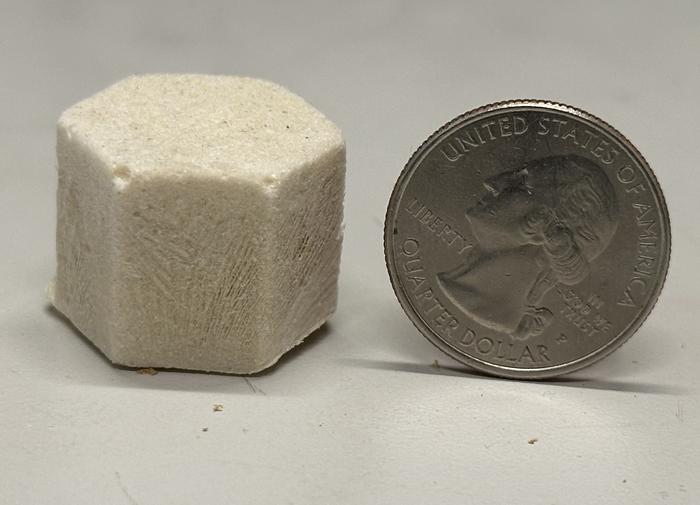
Researchers in the United States have developed a biobased foam from waste sawdust that could replace conventional polystyrene in a range of applications. The material combines sawmill by-products with cellulose-based binders and natural additives. The result is a lightweight foam suitable for packaging and potentially for construction products.
Polystyrene is widely used in protective packaging, insulation and cushioning materials. However, its fossil-based origin and limited recyclability have increased demand for more sustainable alternatives. The new material, developed at the University of Massachusetts Amherst, shows how an abundant waste stream can become a valuable resource.
From Wood Waste to Functional Material
The research team collected both finely processed wood powder and coarse sawdust from local sawmills. They mixed the material with cellulose-based binders, including carboxymethyl cellulose and hydroxypropyl cellulose, together with cross-linking agents. The researchers then moulded, froze and freeze-dried the mixtures before applying a final heat treatment.
Tests revealed little difference between foams made from processed wood powder and those made from unprocessed sawdust. This finding suggests that manufacturers may need only limited processing before production. As a result, the material could offer both environmental and economic benefits.
Tailorable Properties and Improved Moisture Resistance
The choice of binder influenced the foam’s performance. Carboxymethyl cellulose created a stiffer material than conventional polystyrene, while hydroxypropyl cellulose produced a softer and more flexible foam.
The team also applied a thin beeswax coating to selected samples. The coating improved moisture resistance under humid conditions and did not affect the material’s mechanical properties. According to the researchers, the coated foams remained stable for periods ranging from weeks to months. This stability could prove valuable during storage and transport.
Potential for Packaging and Construction
Impact tests demonstrated promising performance. During testing, the biobased foams absorbed energy more effectively than polystyrene. A 4.5 kg weight bounced 21% less on the new material than on polystyrene of a similar thickness. These results indicate strong protective properties for packaging applications.
The researchers initially developed the foam for protective packaging. However, its lightweight structure, renewable content and mechanical performance suggest wider opportunities. Future applications could include consumer electronics packaging, insulation products and lightweight construction materials.
By transforming sawmill waste into a functional foam, the project demonstrates the potential of circular and biobased materials. It also highlights new opportunities to reduce reliance on fossil-derived foams in both packaging and the built environment.
Source & photo: American Chemical Society (ACS) / EurekAlert!

Comments