3D Printed Ceramic Powerwall Visualises Energy Through Architecture
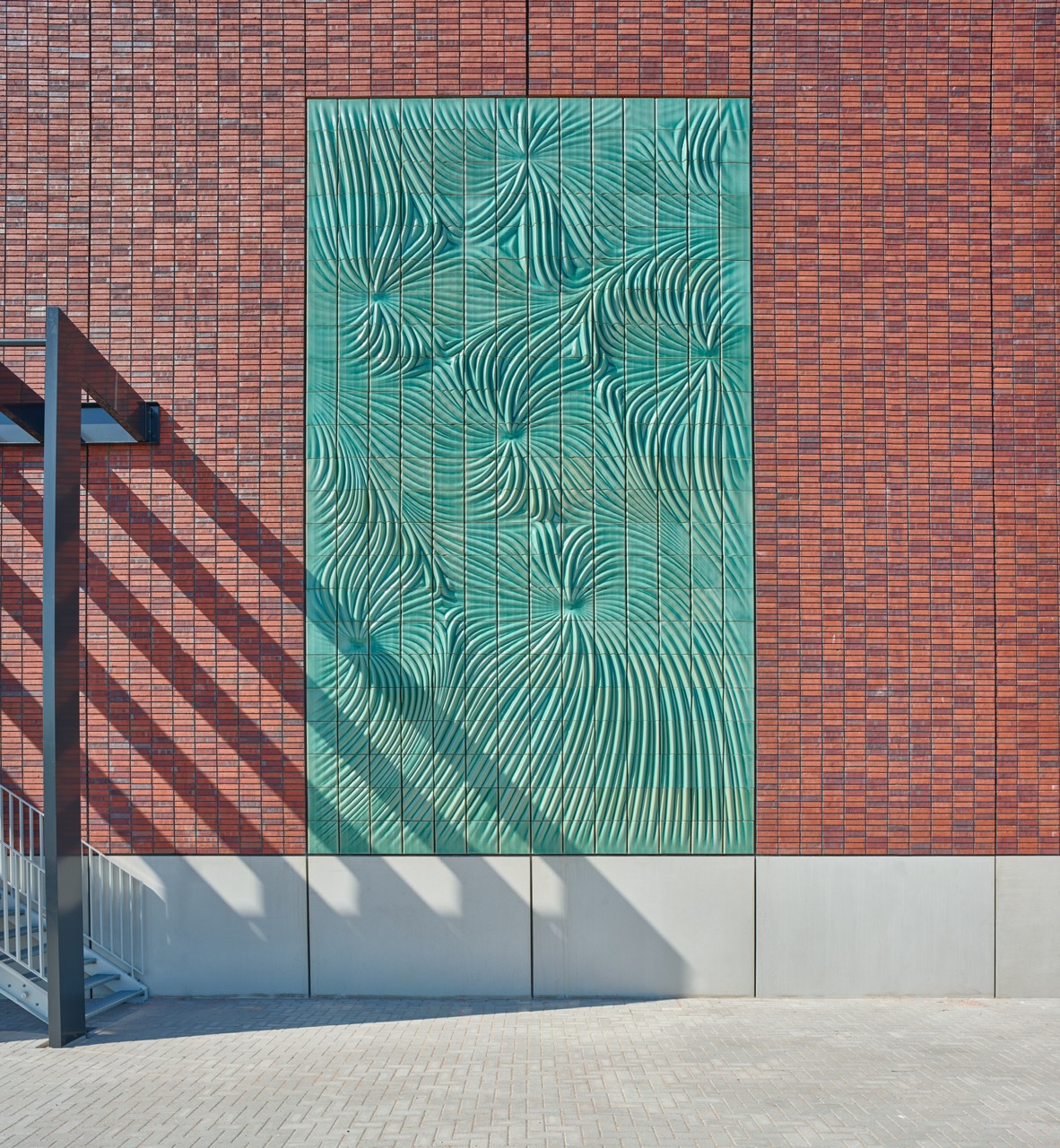
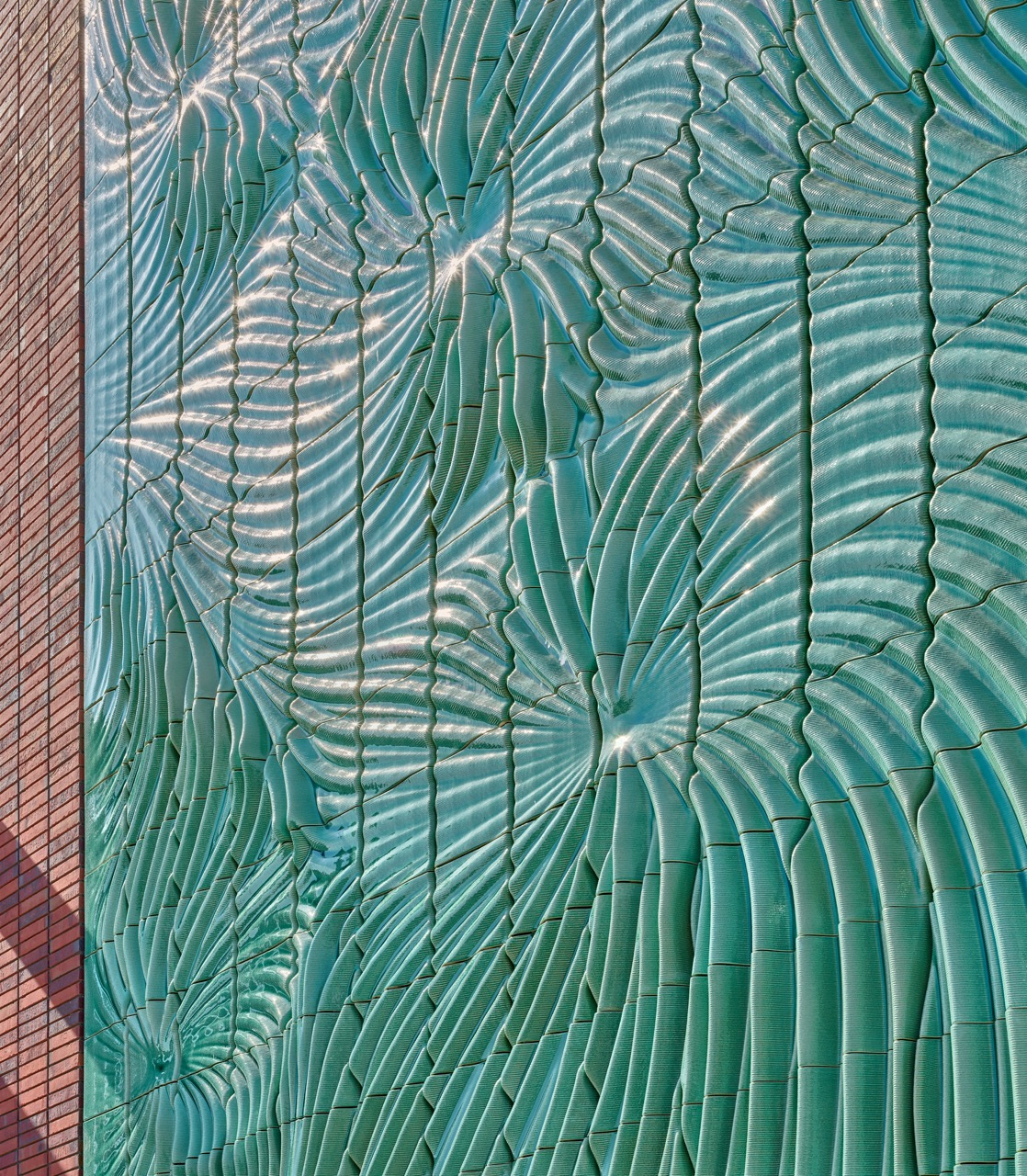
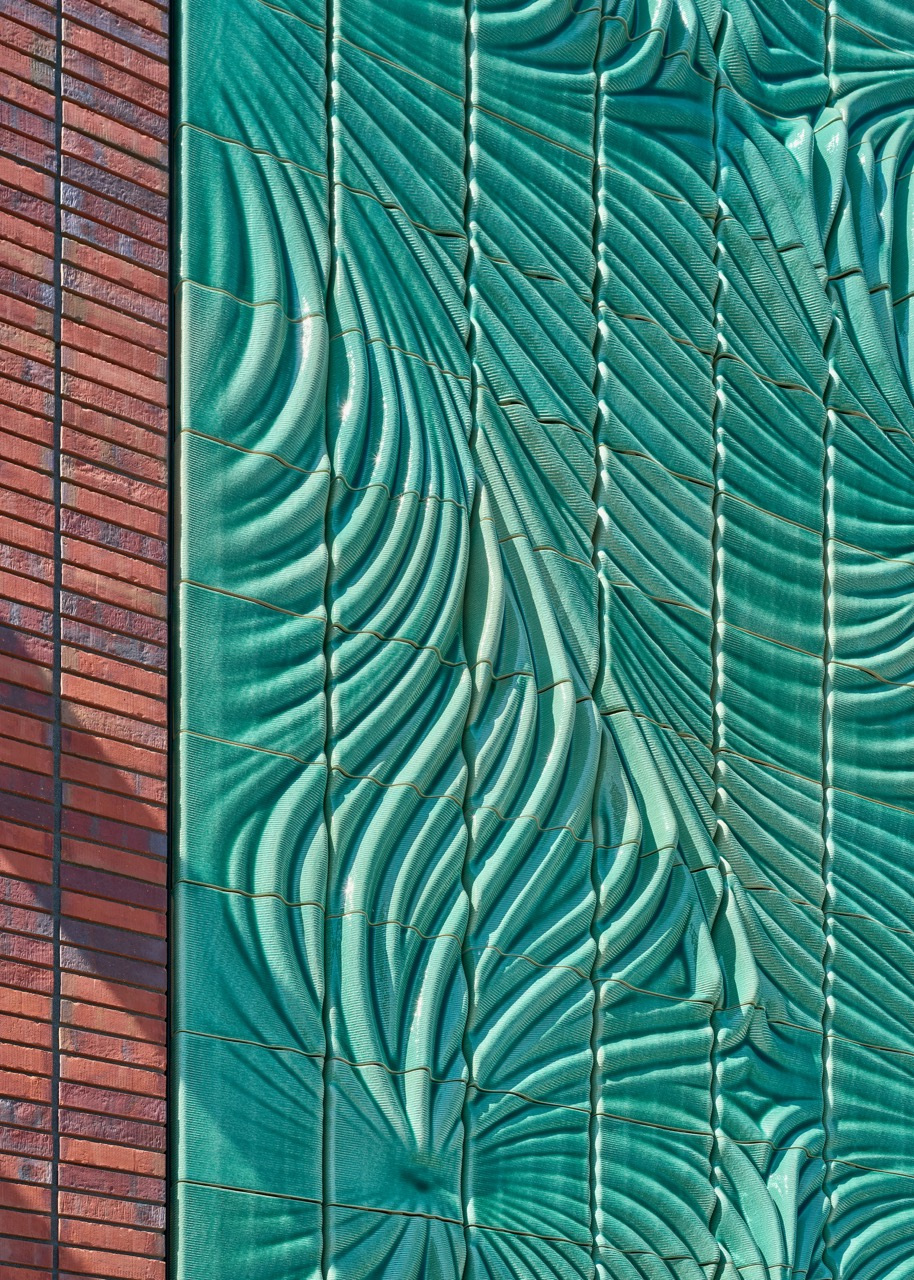
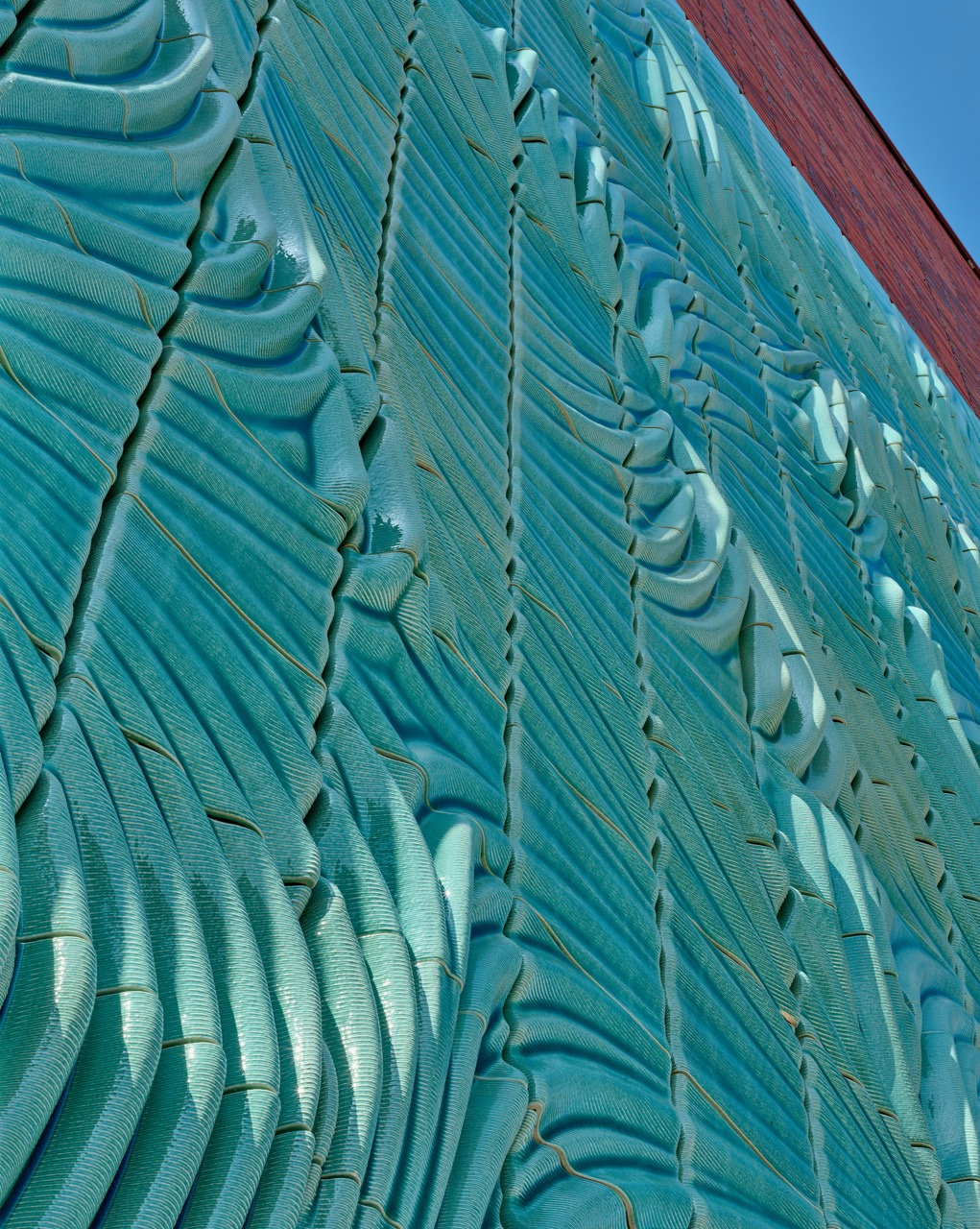
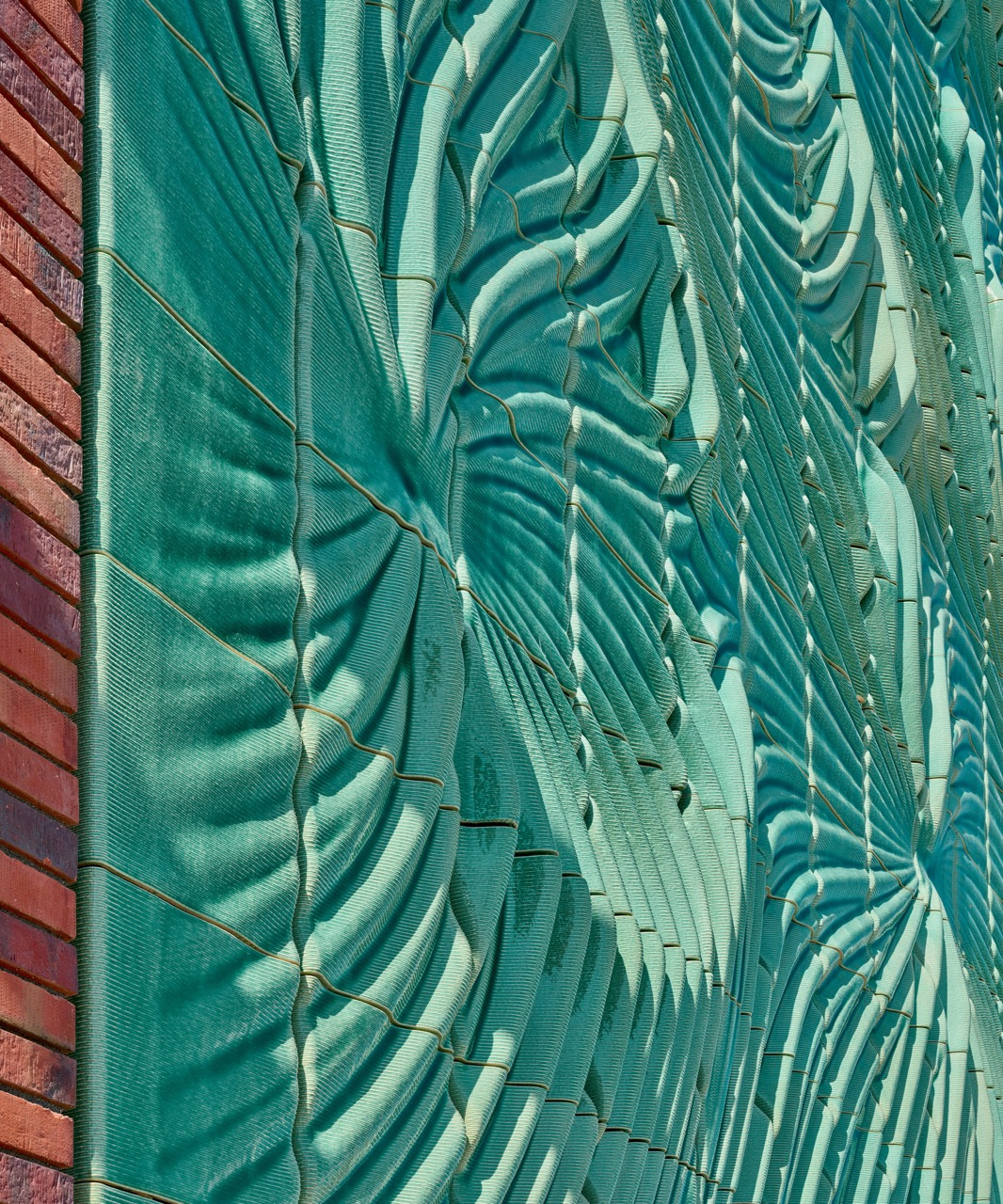
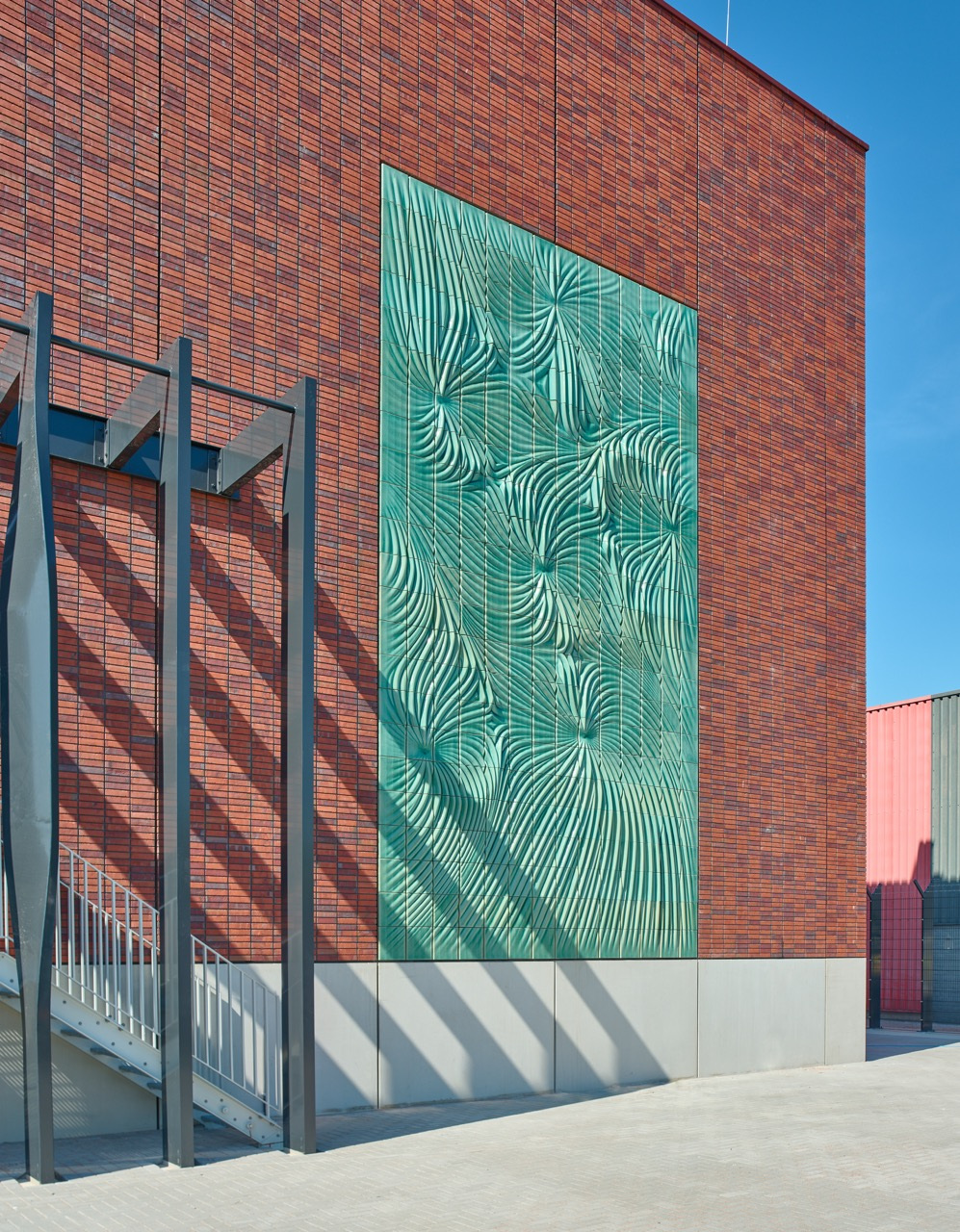
Rotterdam-based Studio RAP has completed Powerwall, a large-scale 3D printed ceramic artwork for the Switchstation Beverwijk transformer station in the Netherlands. Studio RAP developed the installation in close collaboration with the building’s architect, Powerhouse Company. The ceramic artwork forms an integral part of the building’s façade. By combining computational design, robotic clay printing and ceramic craftsmanship, the project translates the invisible electromagnetic forces inside the transformer station into a tactile architectural surface.
Dutch grid operator TenneT commissioned Powerwall. The project demonstrates how digital fabrication can create site-specific ceramic architecture for public infrastructure.
A Ceramic Representation of Electricity
Transformer stations are typically closed, functional buildings with little visual expression. For Powerwall, Studio RAP developed a ceramic façade that reflects the building’s function rather than concealing it.
The installation spans approximately 8 × 5 metres and integrates into the brick façade of the Switchstation Beverwijk. Studio RAP based the design on the flow lines of the transformer’s electromagnetic fields. Computational design tools translated these invisible forces into sweeping spirals, flowing lines and three-dimensional reliefs.
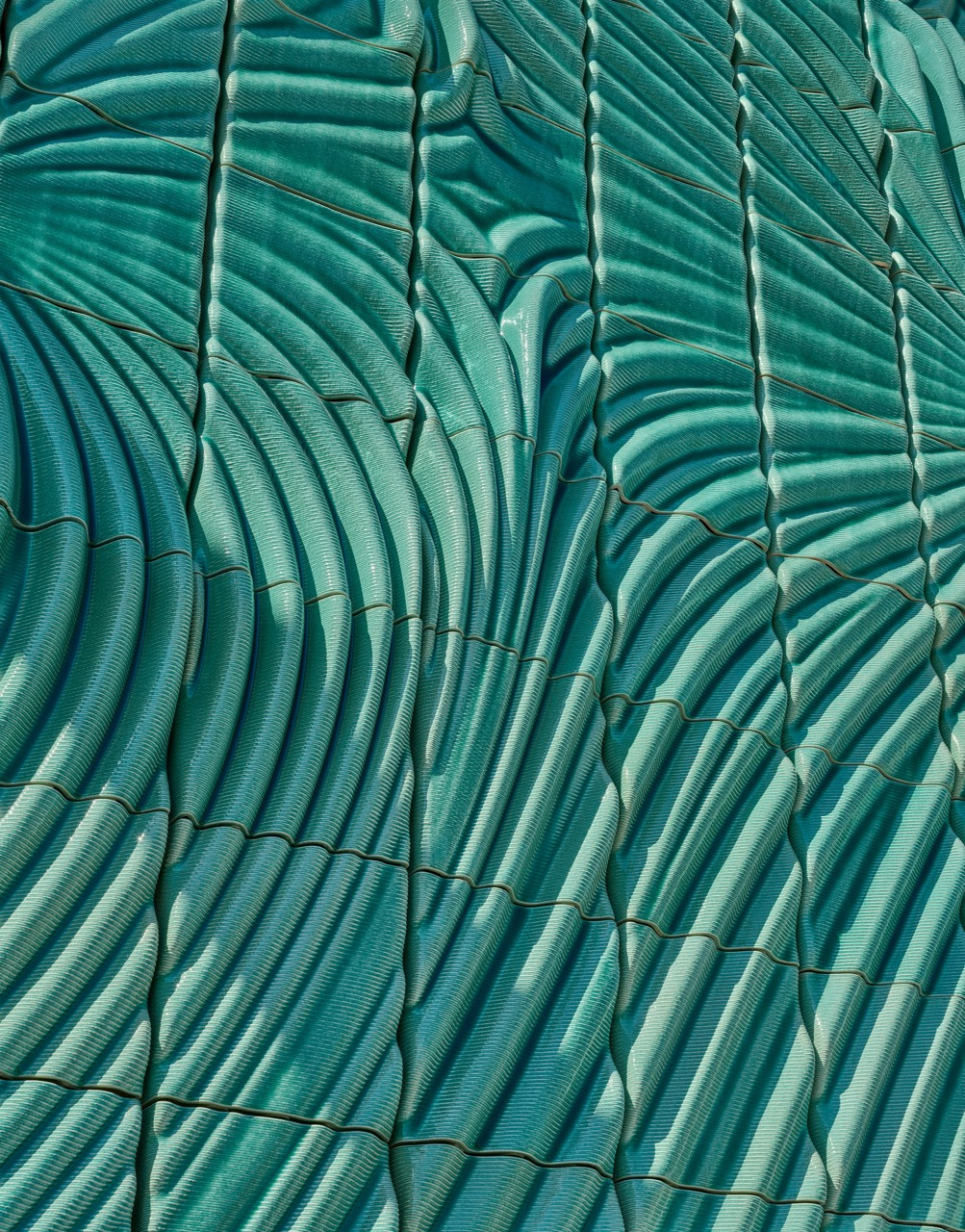
A translucent turquoise glaze gives the ceramic surface a unified appearance while responding to changing daylight conditions. As a result, the relief becomes more or less pronounced throughout the day, giving the façade a continuously changing visual character.
Algorithmic Design and Robotic Clay Printing
Powerwall consists of 322 unique ceramic tiles. Studio RAP generated each tile with computational design algorithms that converted magnetic-field geometries into buildable ceramic forms. Together, the individual elements create one continuous architectural composition.
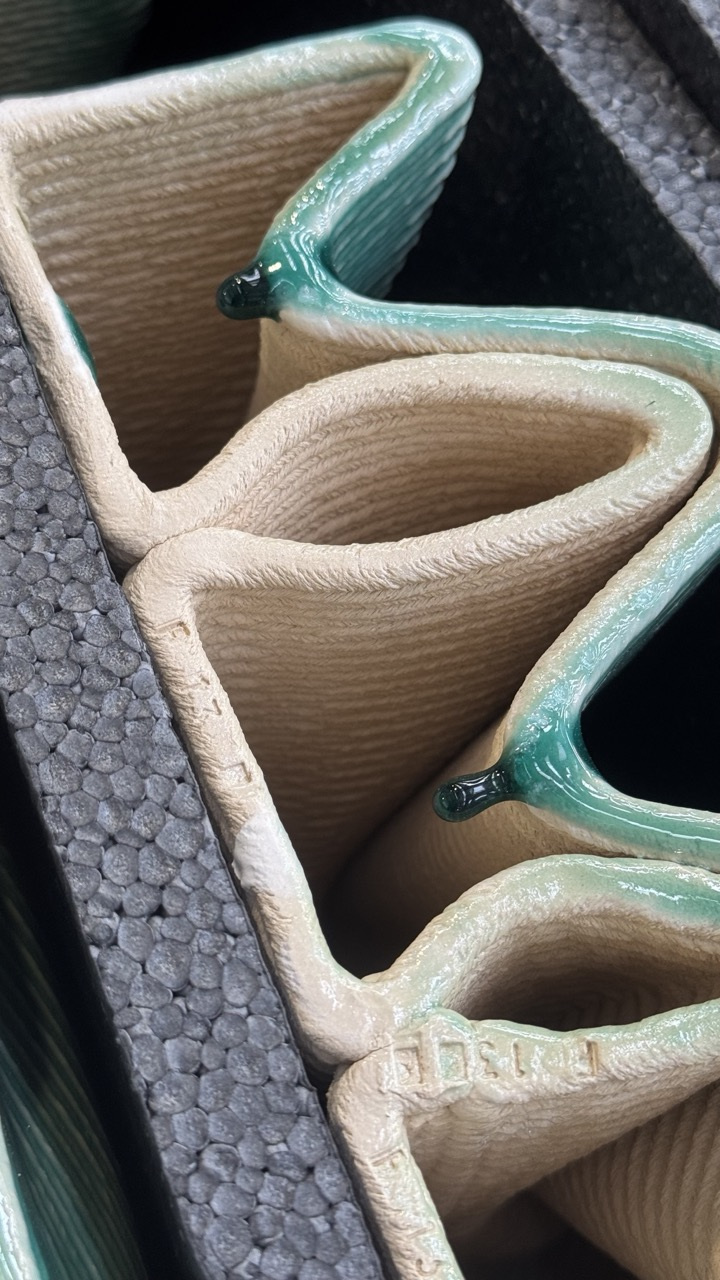
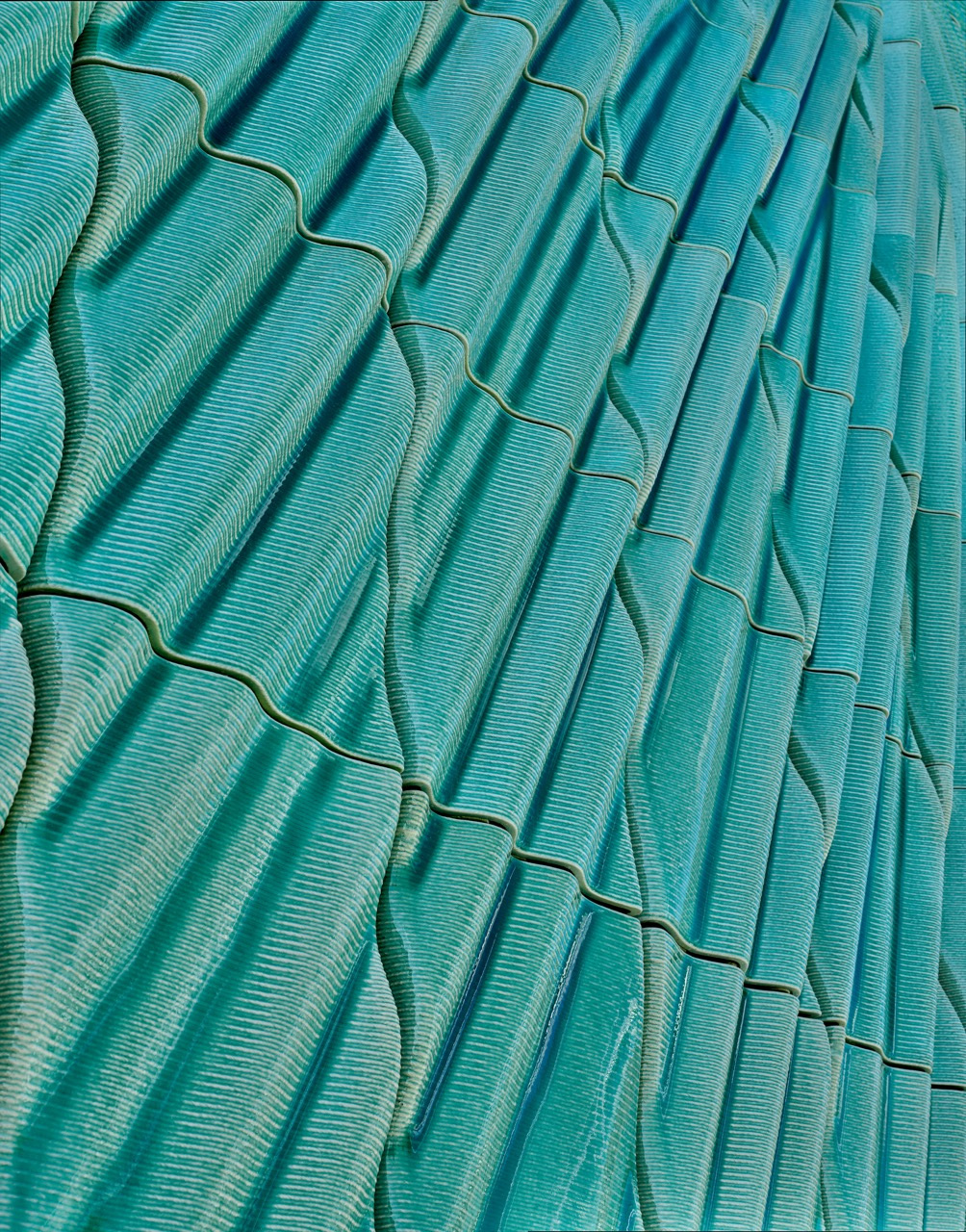
The studio produced every tile in its Rotterdam workshop using robotic clay 3D printing technology. The designers deliberately tuned the print layers to create a subtle ribbed texture that emphasises the additive manufacturing process. Rather than concealing the production method, the textured surface records the movement of the robotic arm in the clay.
After printing, the team applied a translucent turquoise glaze across the installation. The glaze settles into the printed grooves and recessed areas. Consequently, it further enhances the depth of the relief while emphasising the printed texture.
Designing With the Properties of Clay
Clay naturally shrinks and warps during firing. Instead of treating these characteristics as imperfections, Studio RAP incorporated them into the design process. The team engineered the dimensions and tolerances of each tile to accommodate these material properties before installers assembled the elements into the brick façade.
Meanwhile, the firing process introduced subtle variations that make every ceramic tile slightly different. The completed installation combines digital design and robotic fabrication with the inherent qualities of fired clay. As a result, each element differs subtly from its original digital model while contributing to the overall composition.
Site-Specific Ceramic Architecture
According to Studio RAP, computational design and robotic production enable architects to create site-specific architectural ornamentation without relying on repetitive moulds. This approach allows designers to produce unique ceramic elements while maintaining an efficient digital workflow.
Powerwall demonstrates how digital fabrication and ceramic manufacturing can work together to create bespoke architectural surfaces that respond directly to a building’s context and function.
Source & photos: Studio RAP

Comments