3D-CeraClad: A 3D-Printed Ceramic Façade System For Sustainable Building Envelopes
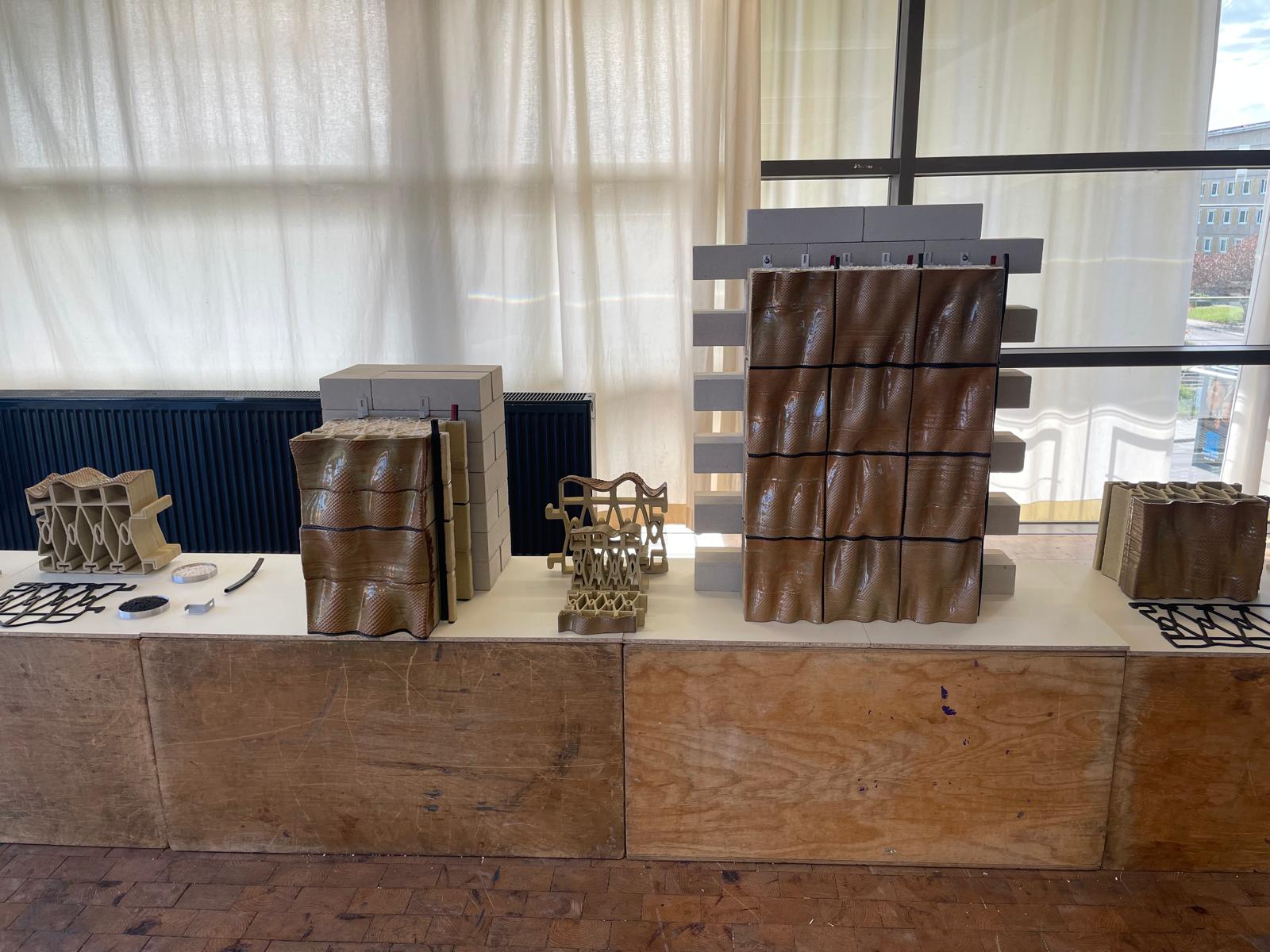
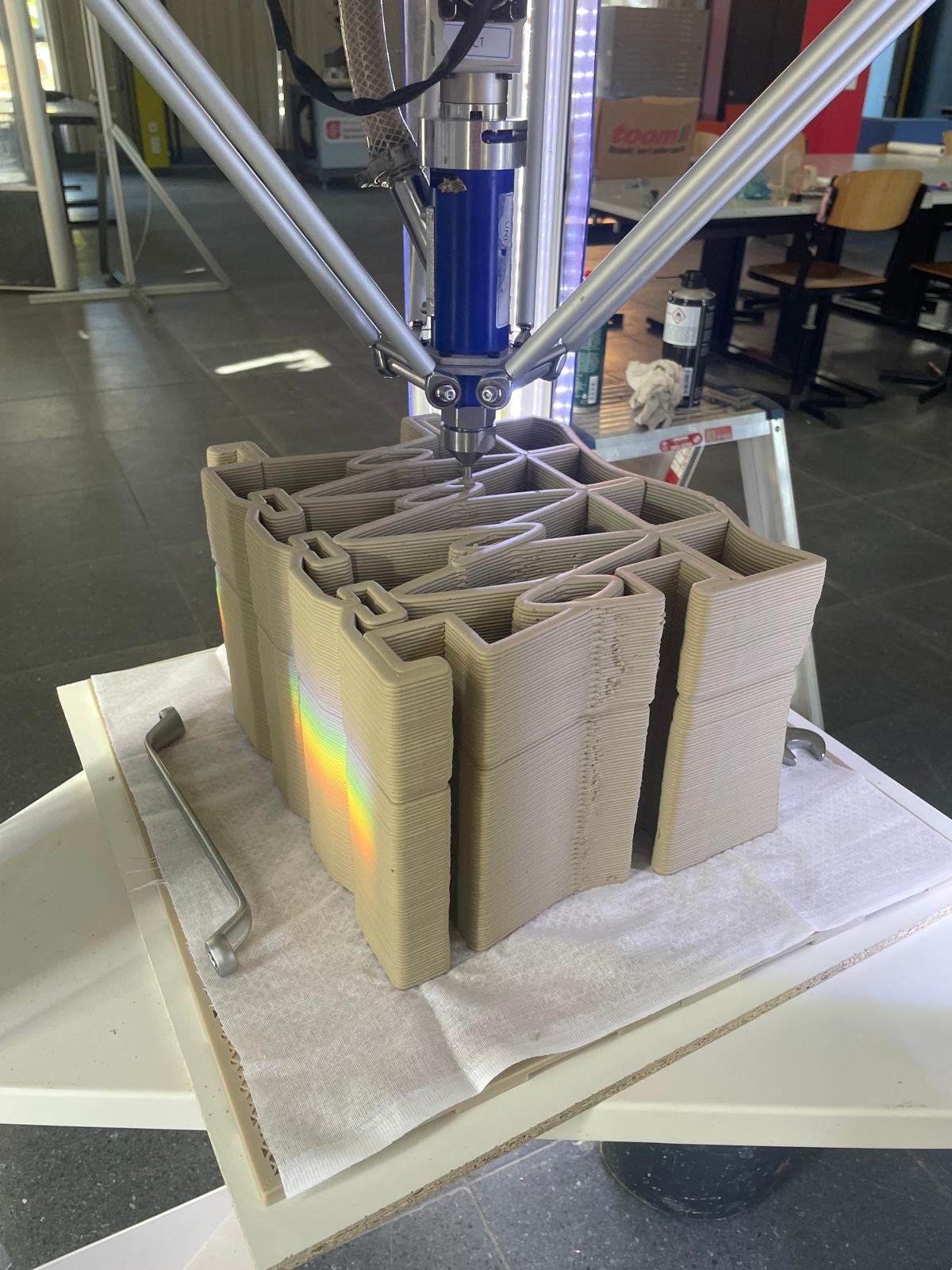
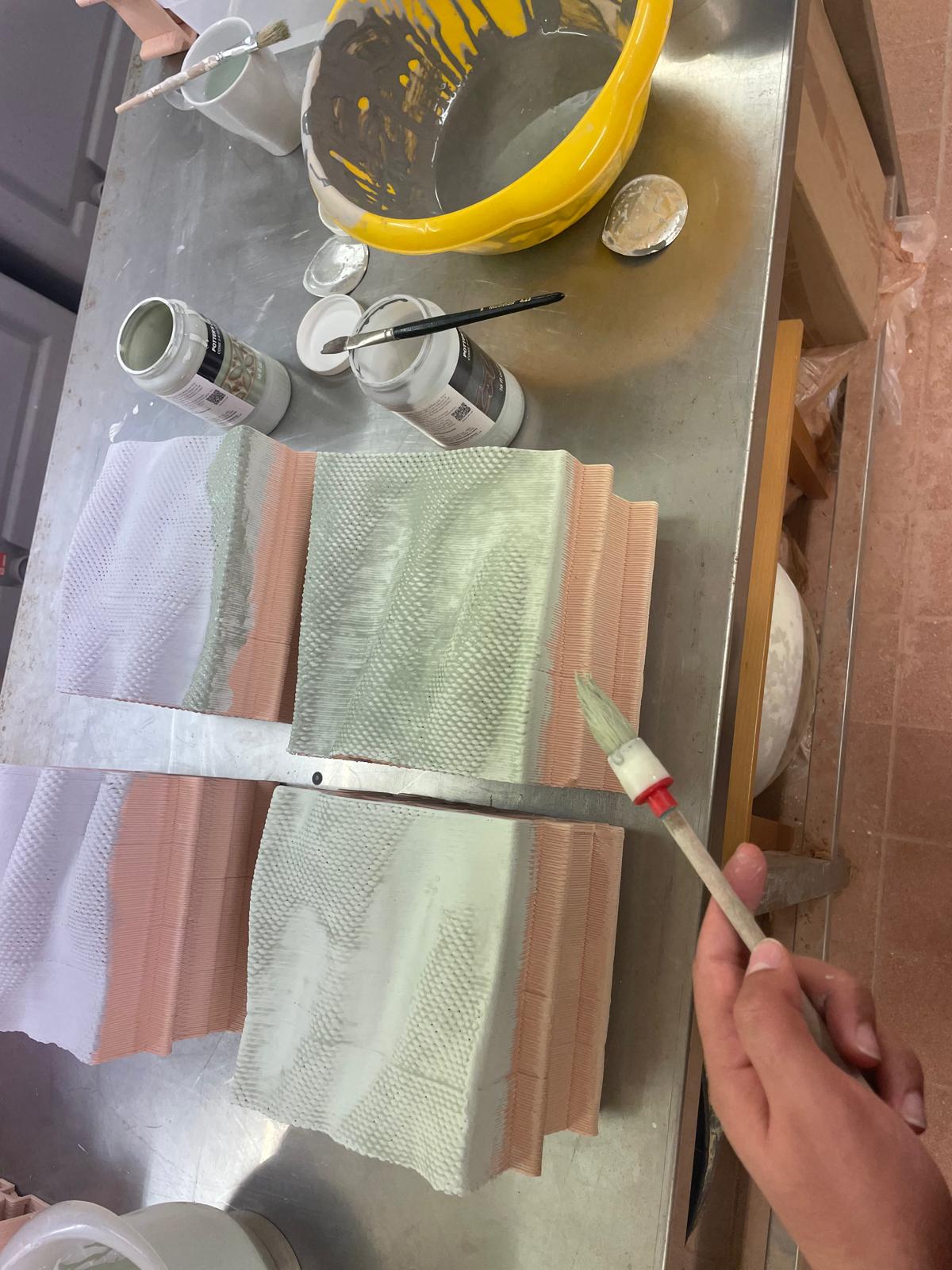
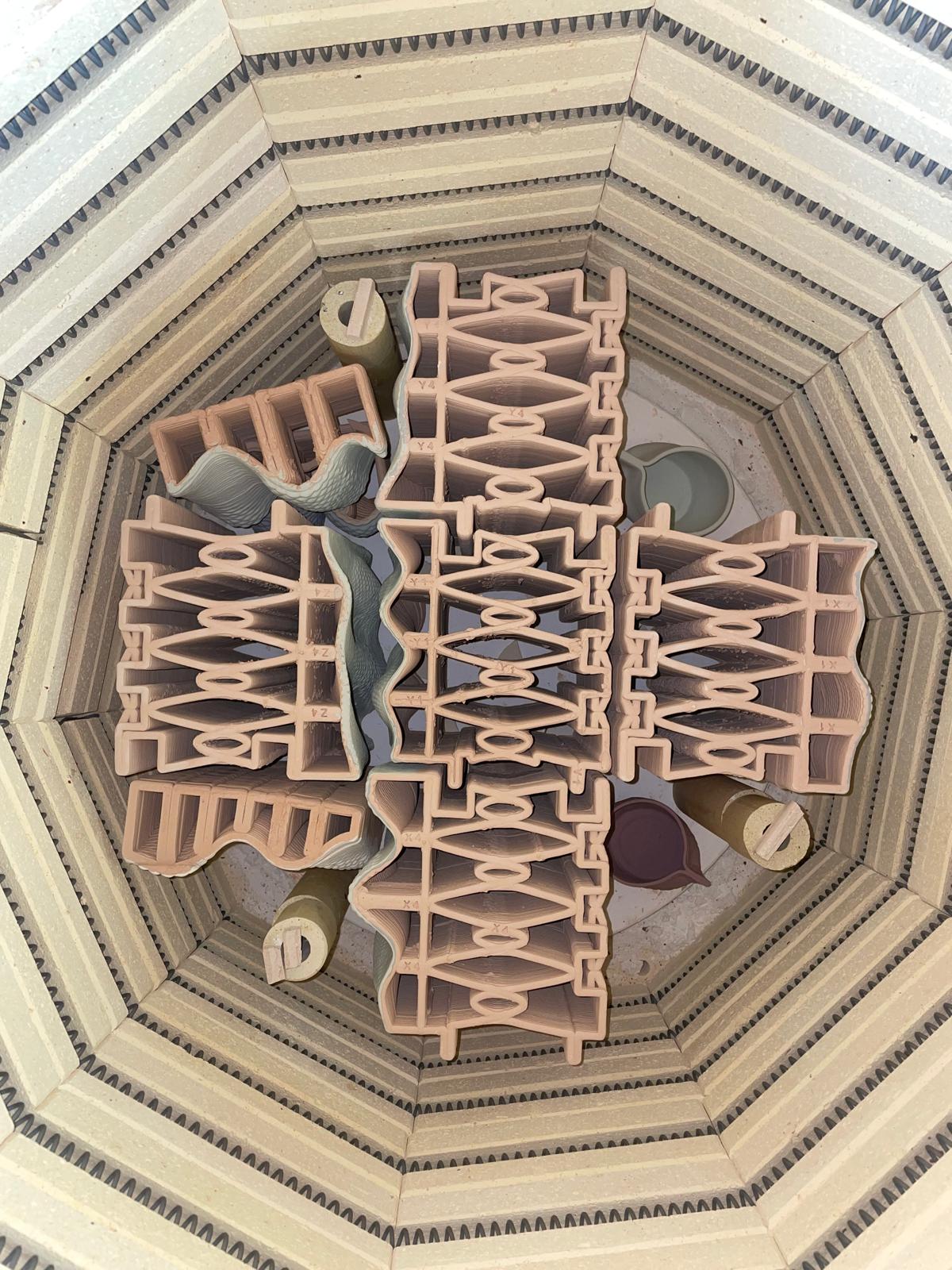
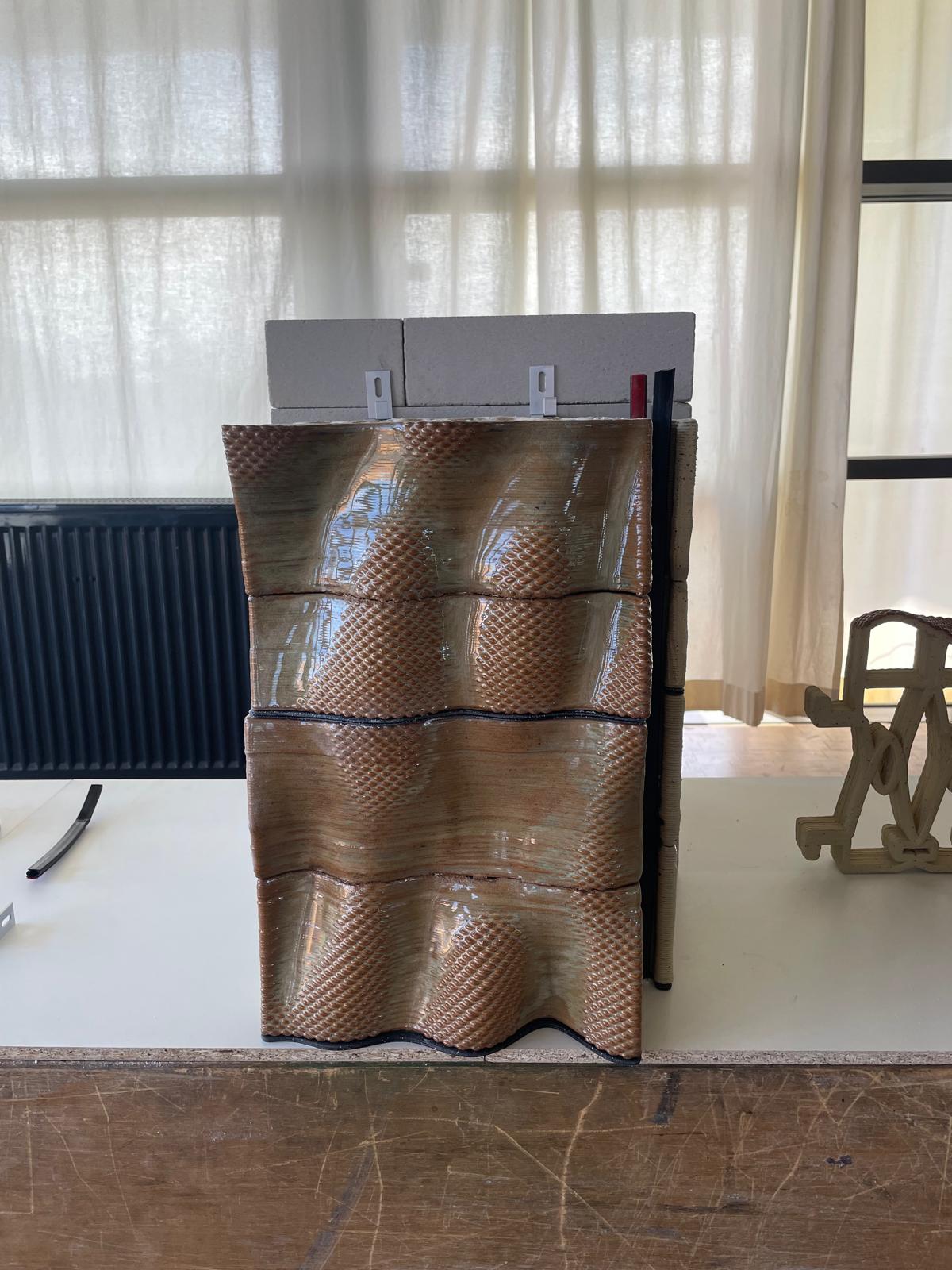
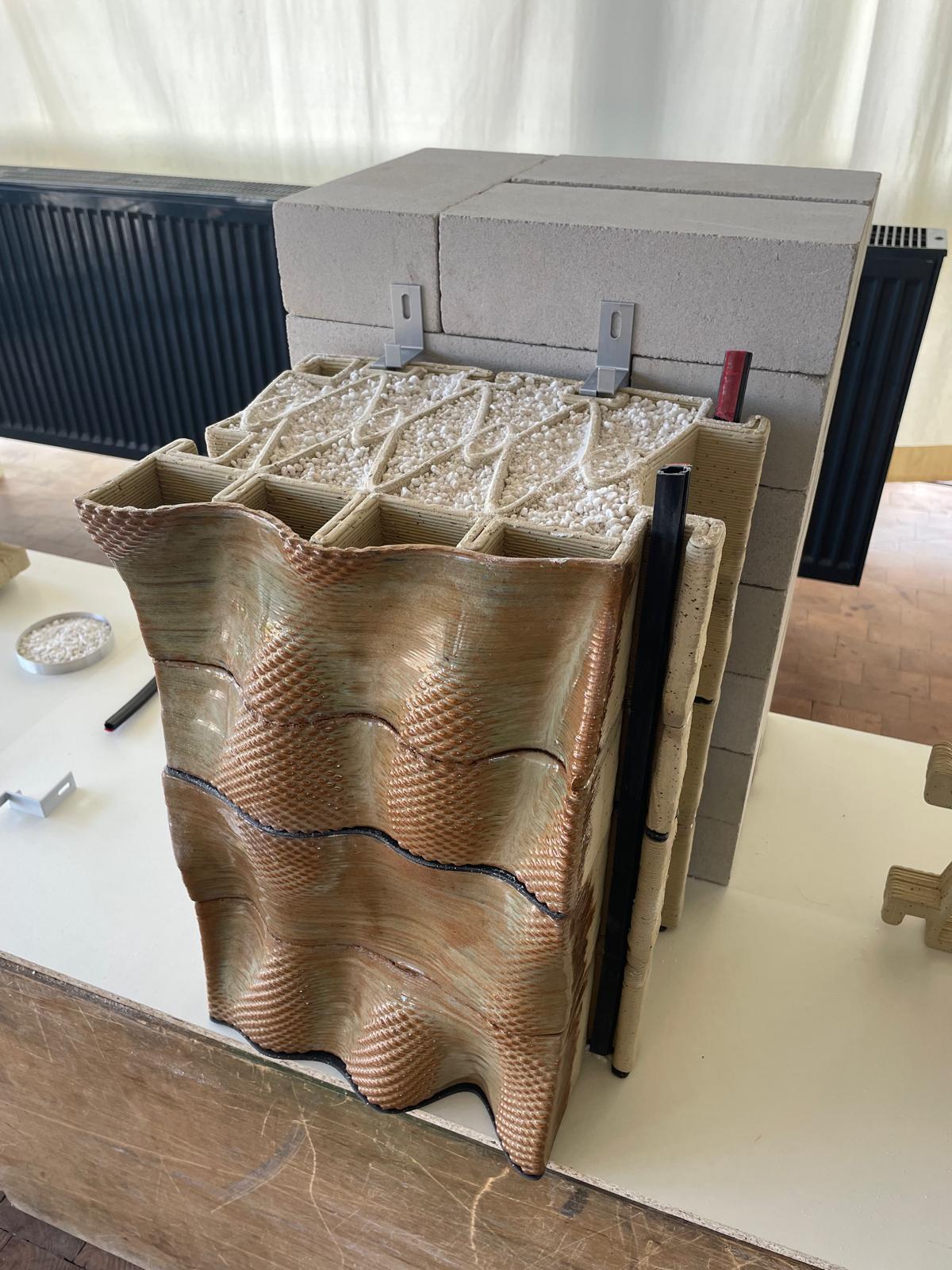
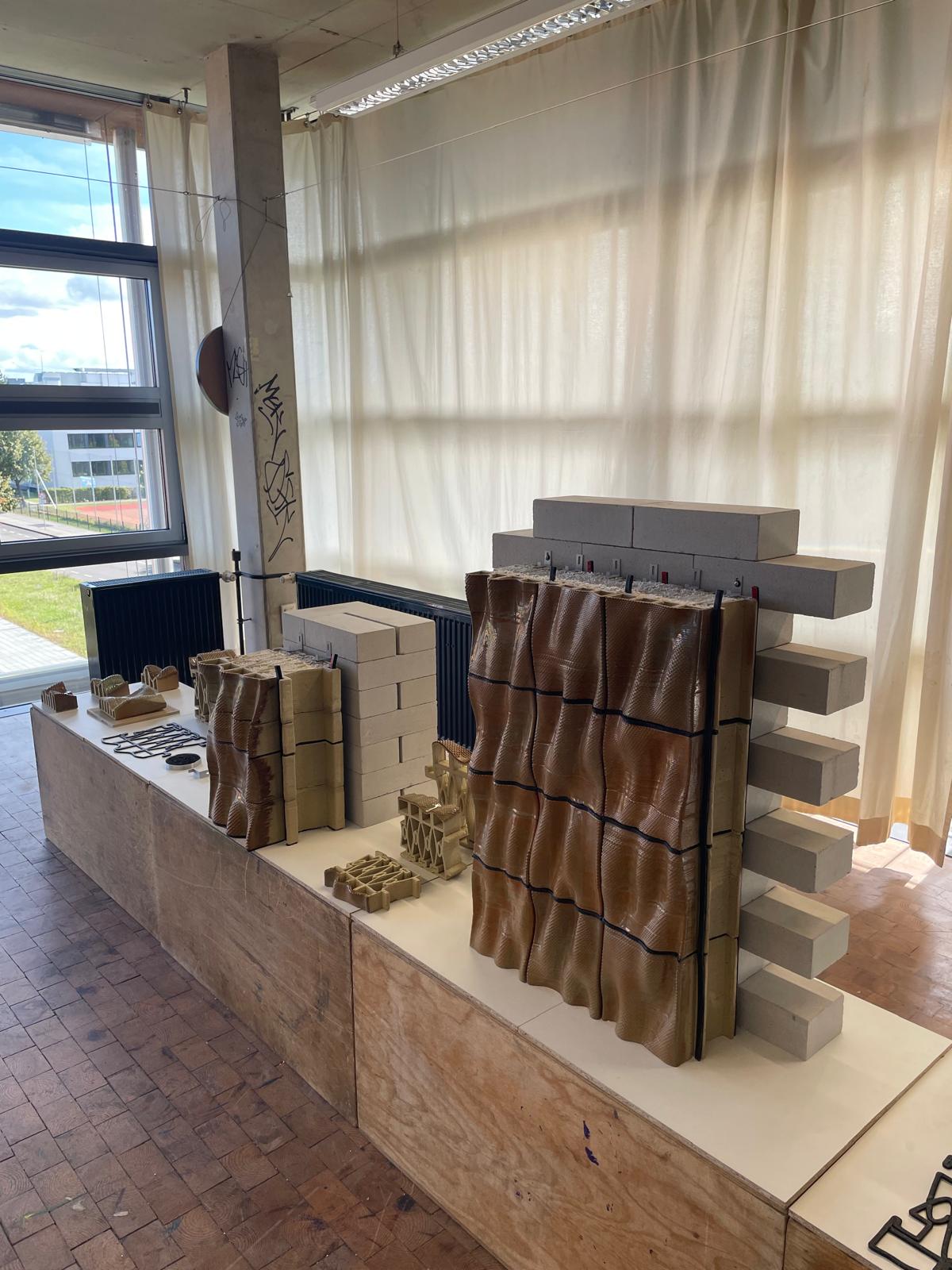
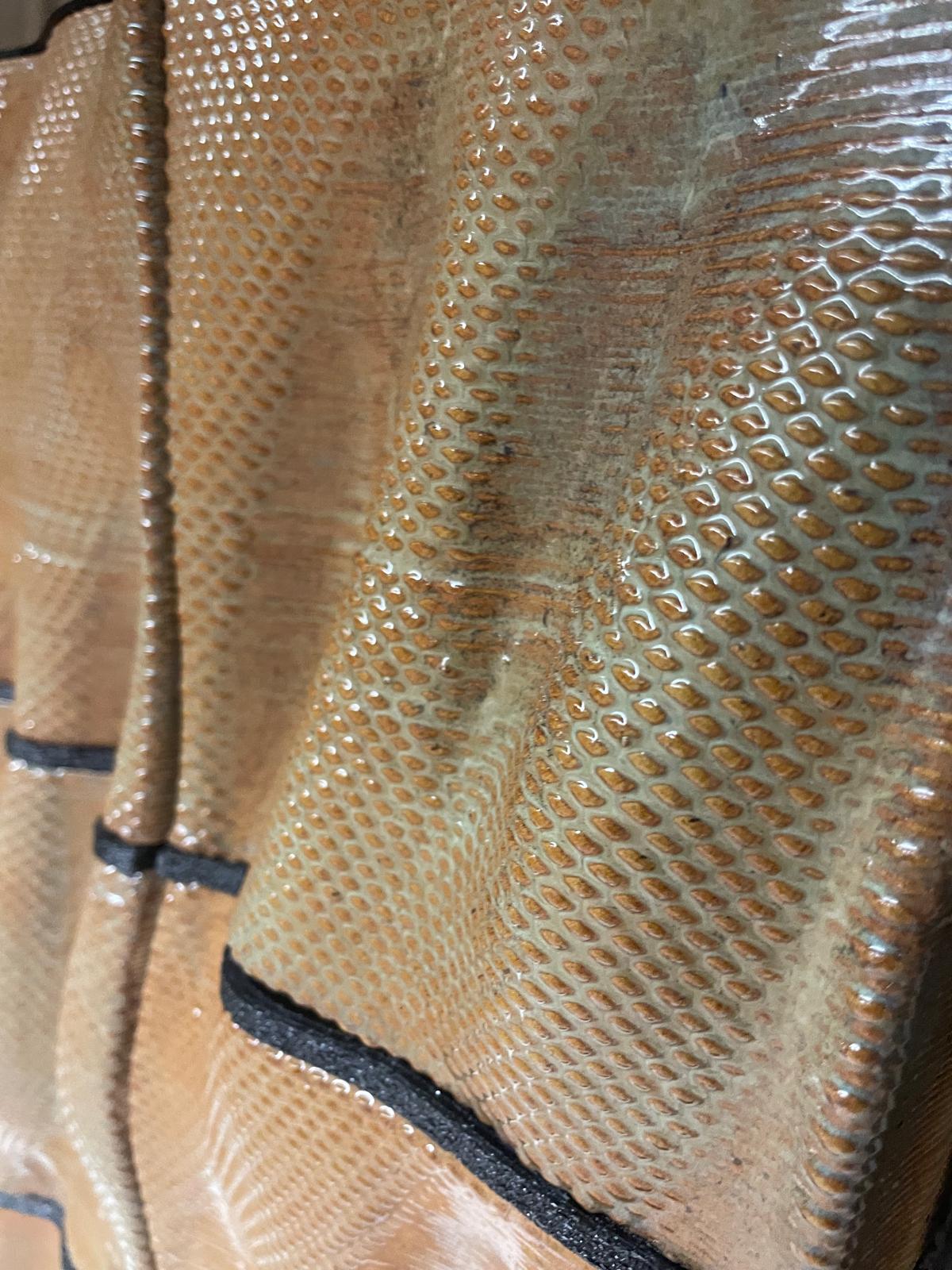
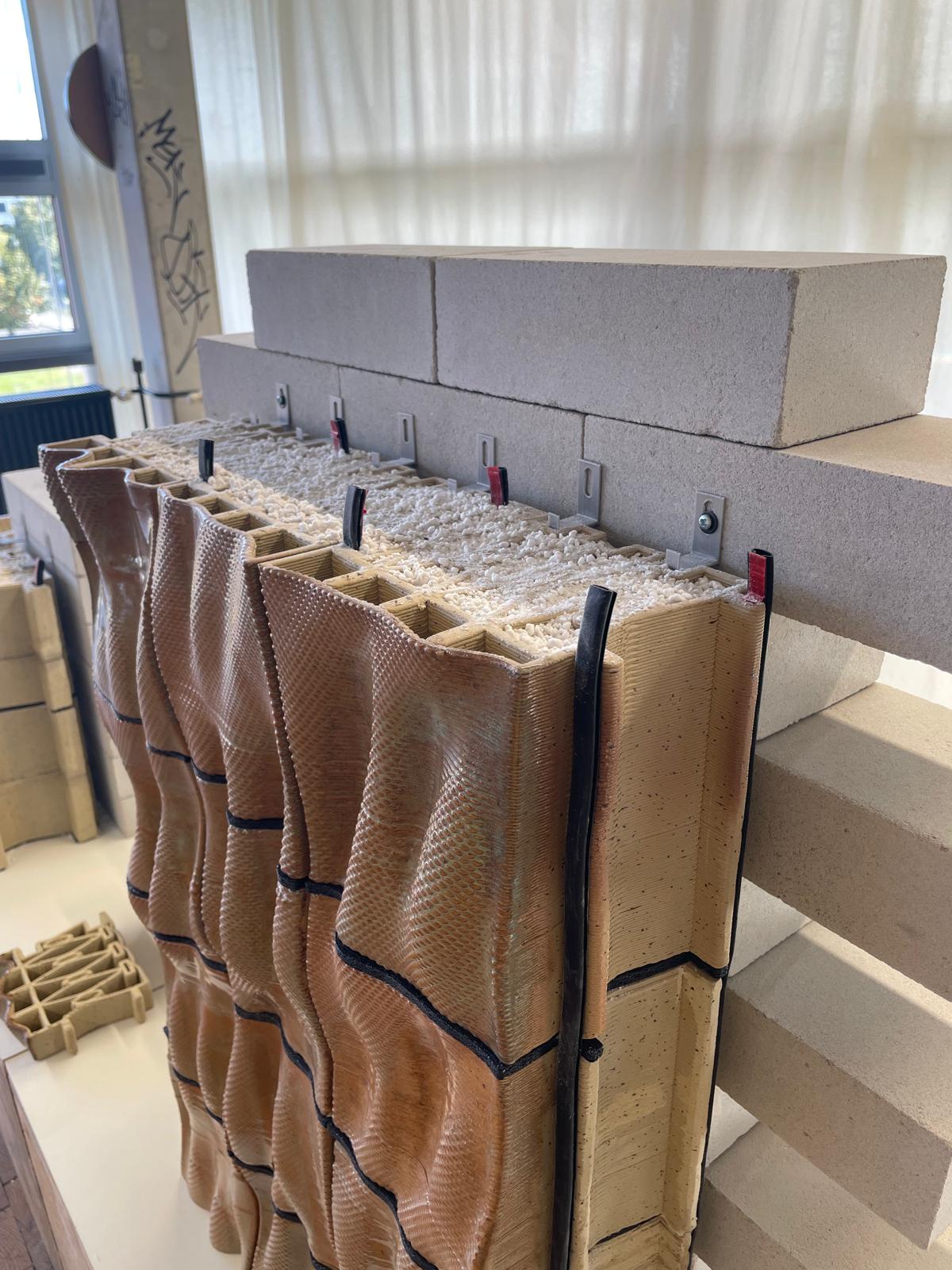
3D-CeraClad is a Master’s thesis project by designer Mohamed Abdelaziz that explores how additive manufacturing can reshape ceramic façade systems. The project introduces a modular building envelope made from 3D-printed ceramic elements with integrated thermal insulation and sealing solutions. As a result, it offers a high-performance alternative to conventional External Thermal Insulation Composite Systems (ETICS).
The system targets architects and façade designers who seek durable, fire-safe and expressive building envelopes. At the same time, it responds to growing demands for sustainability and material efficiency in architecture.
Additive Manufacturing Meets Ceramic Performance
Traditionally, ceramics play a limited role in façade innovation due to rigid production methods. However, 3D printing changes this relationship. Through additive manufacturing, 3D-CeraClad allows precise control over geometry and material thickness. This approach reduces raw material use while maintaining structural strength.
Moreover, the digital process minimises production waste and enables complex forms without additional tooling. As a result, ceramics become more adaptable to contemporary architectural design while retaining their long lifespan and low maintenance requirements.
Integrated Insulation And Technical Reliability
Unlike layered façade systems, 3D-CeraClad integrates insulation directly into each ceramic module. This reduces system complexity and limits the need for additional materials. In turn, the façade becomes easier to assemble, disassemble and recycle.
In addition, the project investigates key technical aspects such as connection detailing, gap sealing and cavity ventilation. These studies ensure that the system performs reliably over time. Clear installation strategies also support consistent on-site assembly, which is essential for large-scale architectural applications.
Supporting Sustainable Design
Sustainability forms the core of the project. Improved material efficiency, reduced construction waste and the inherent durability of ceramics lower the environmental impact over the building’s life cycle. Furthermore, the modular design supports circular construction principles by enabling repair, replacement and recycling.
For architects focused on future-proof building envelopes, 3D-CeraClad demonstrates how digital fabrication can unlock new potential in one of architecture’s most established materials.
Source & photos: Mohamed Abdelaziz

Comments