3D Printed Carbon Fibre Instruments Push the Boundaries of Material Innovation
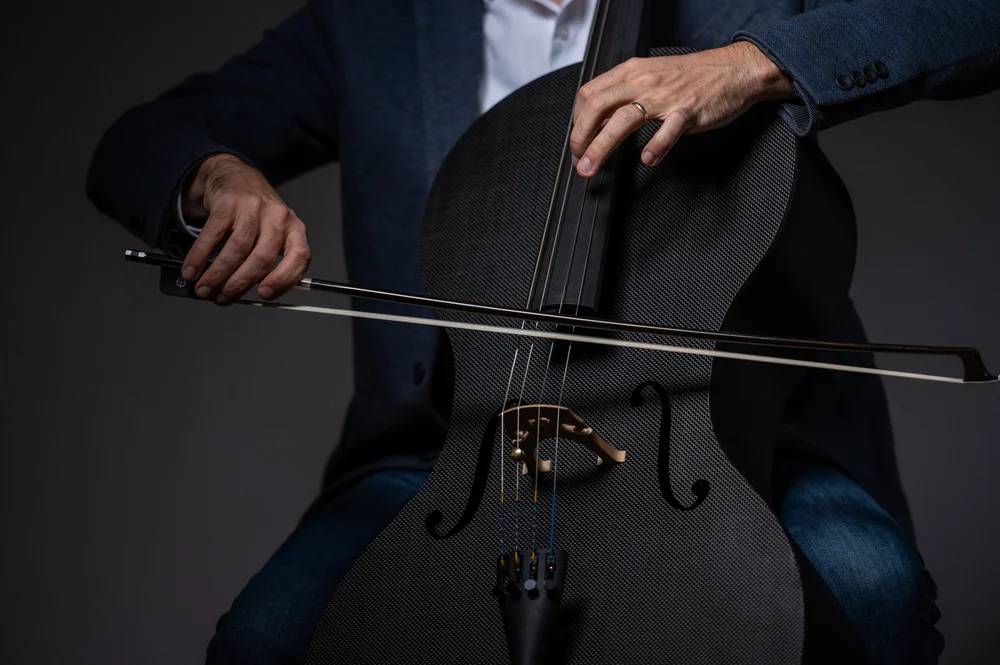
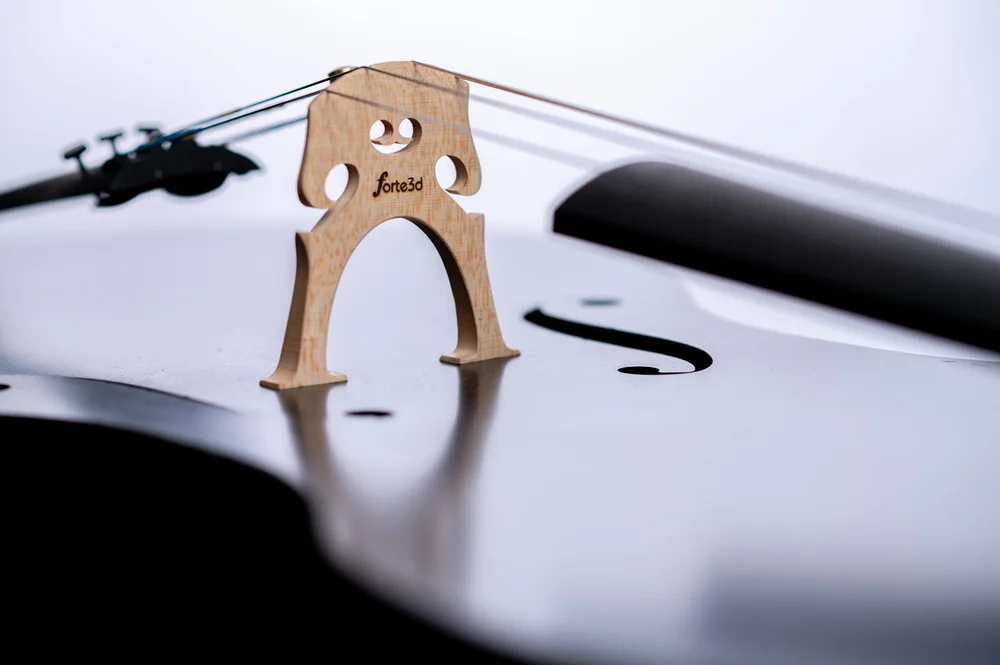
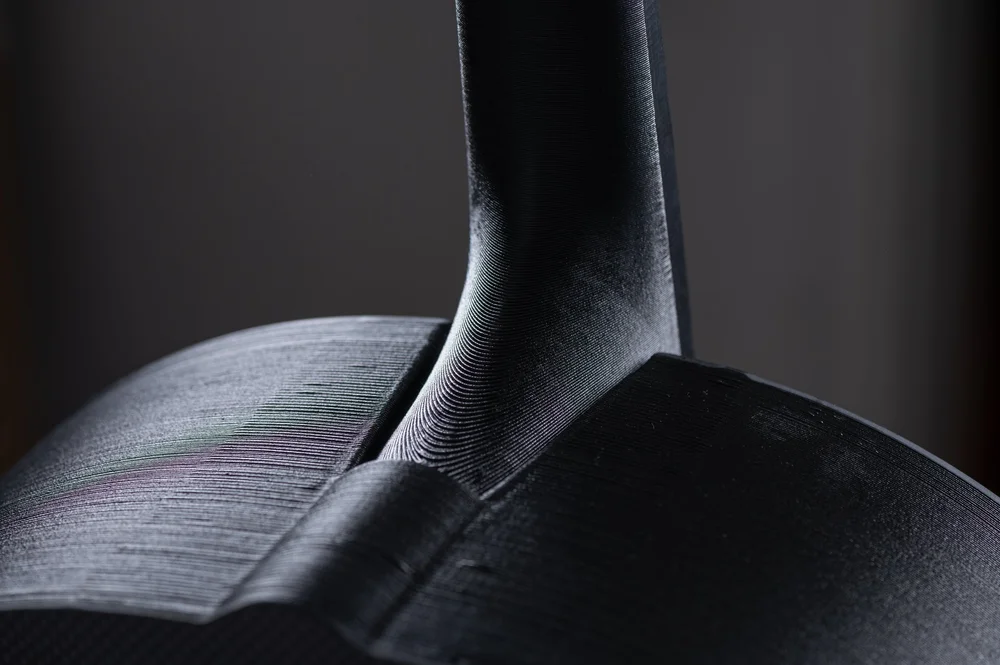
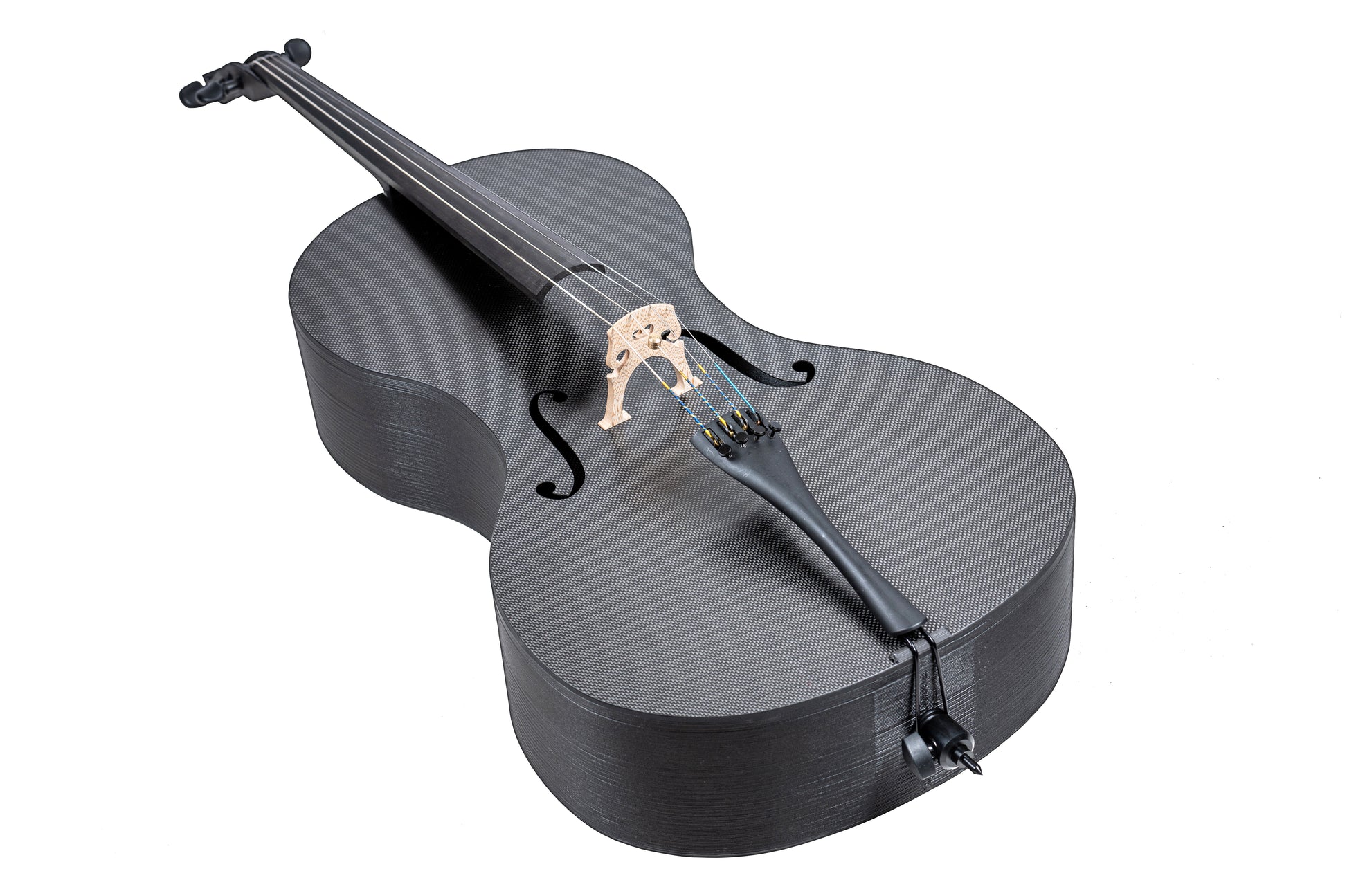
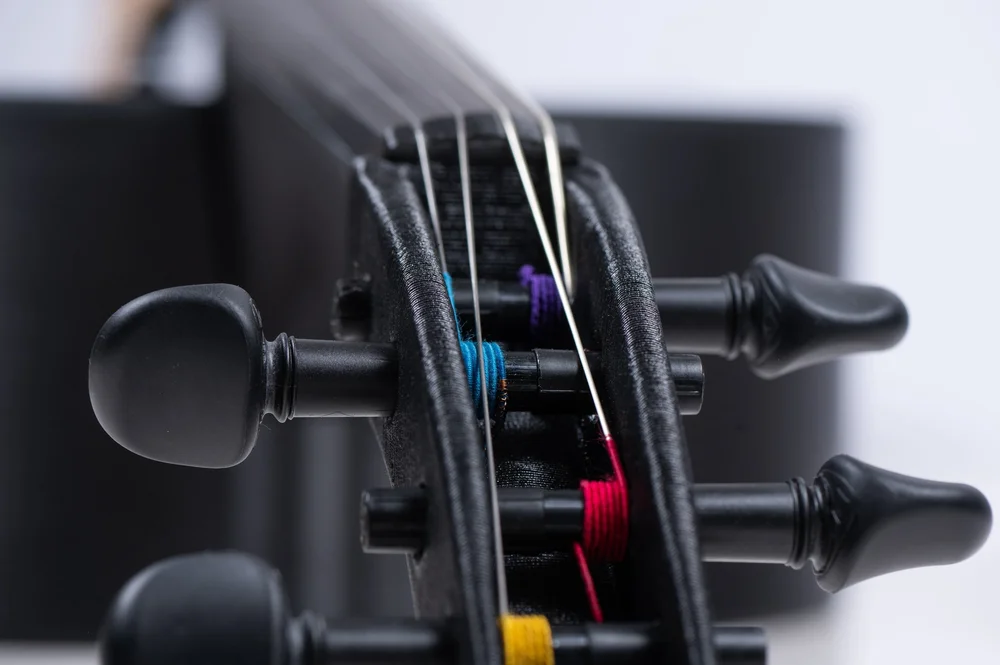
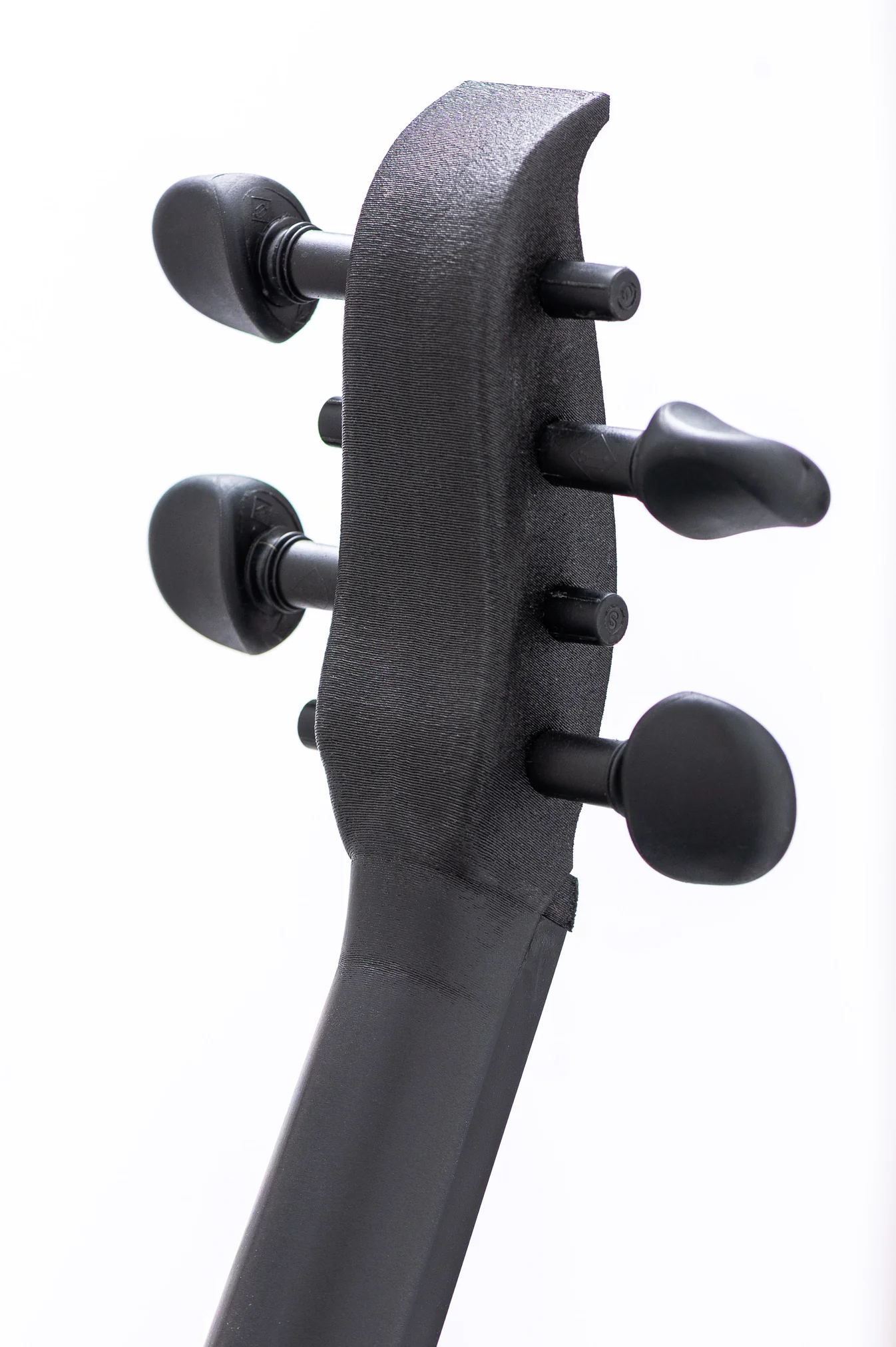
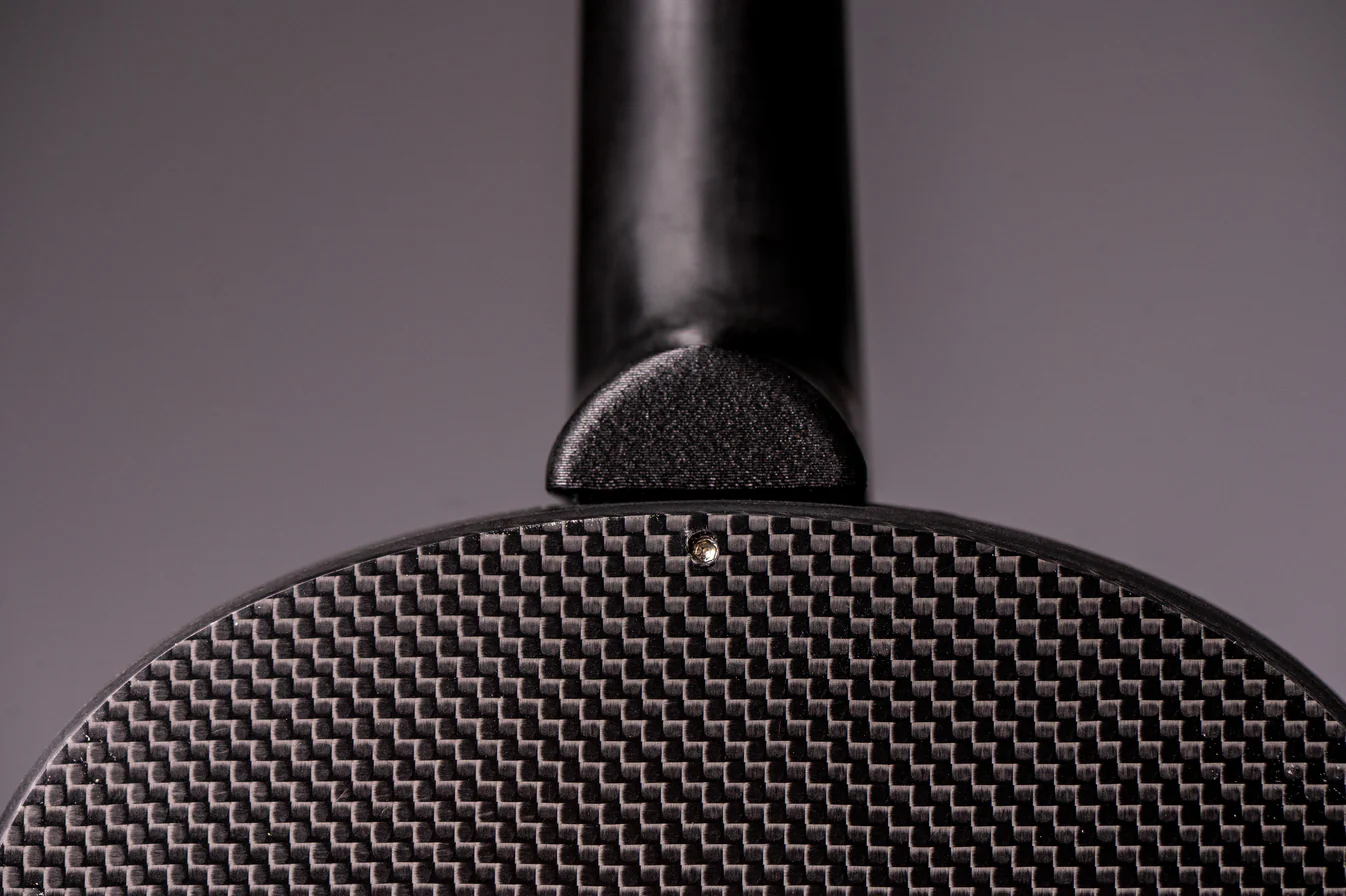
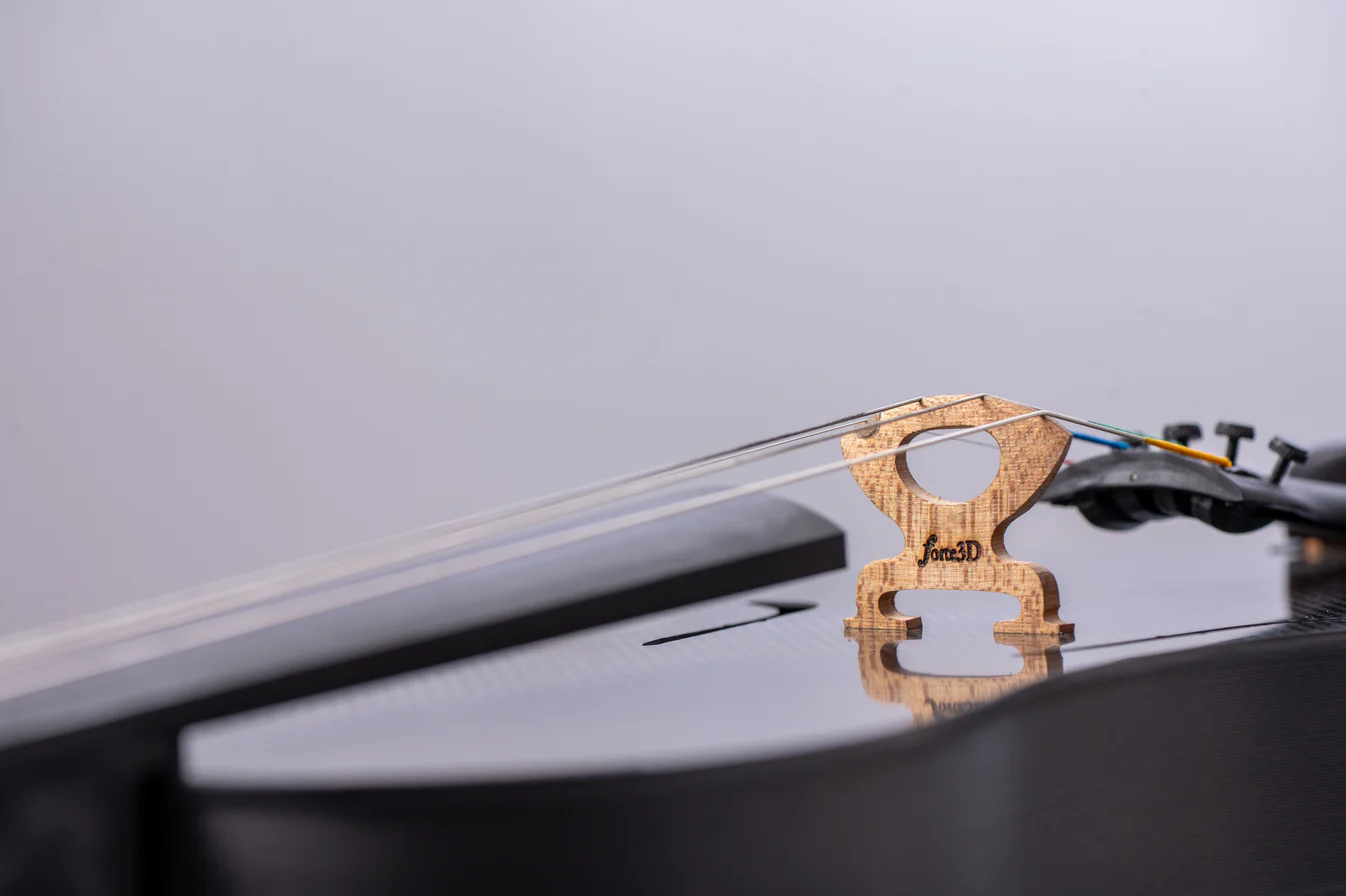
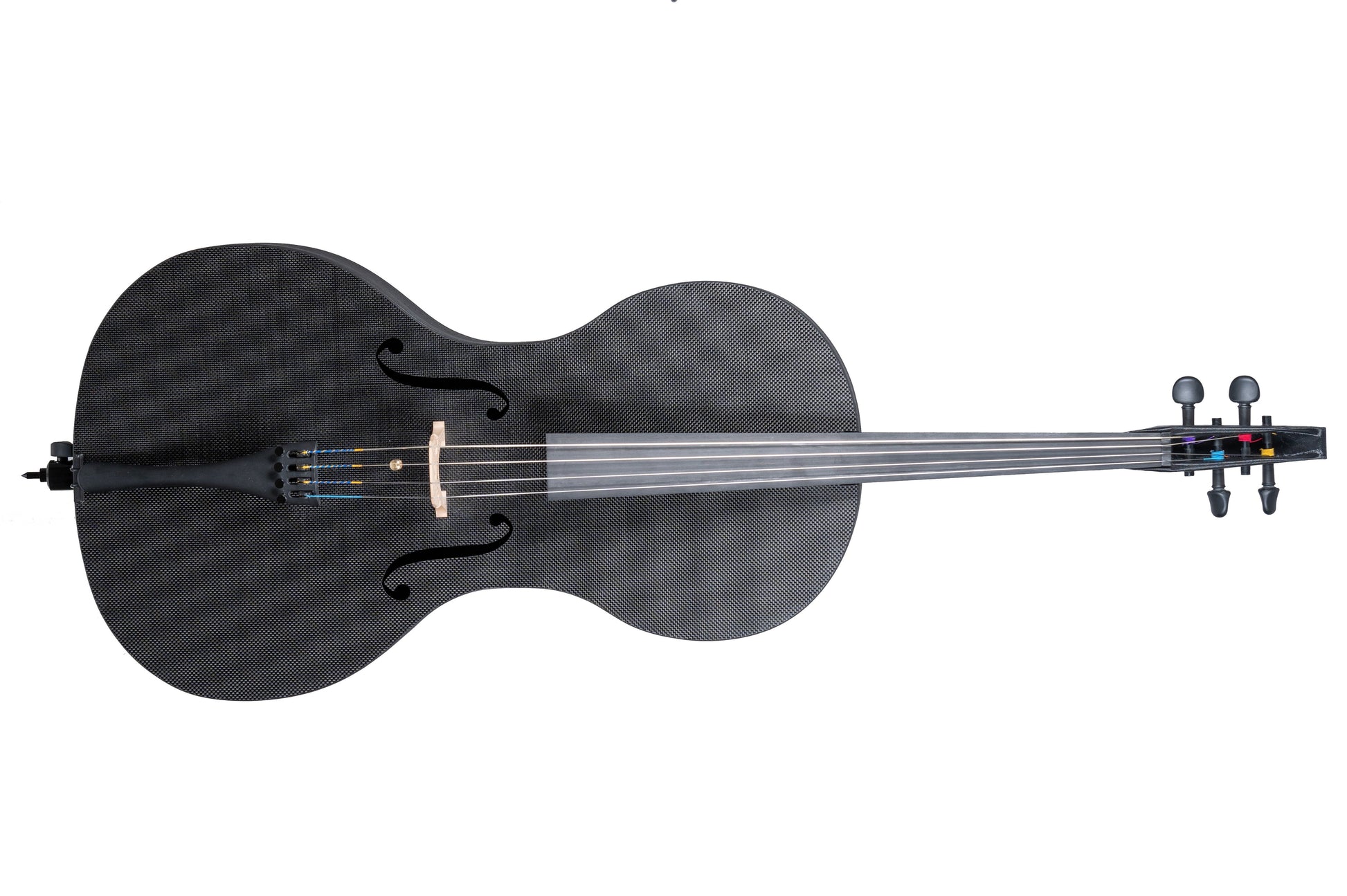
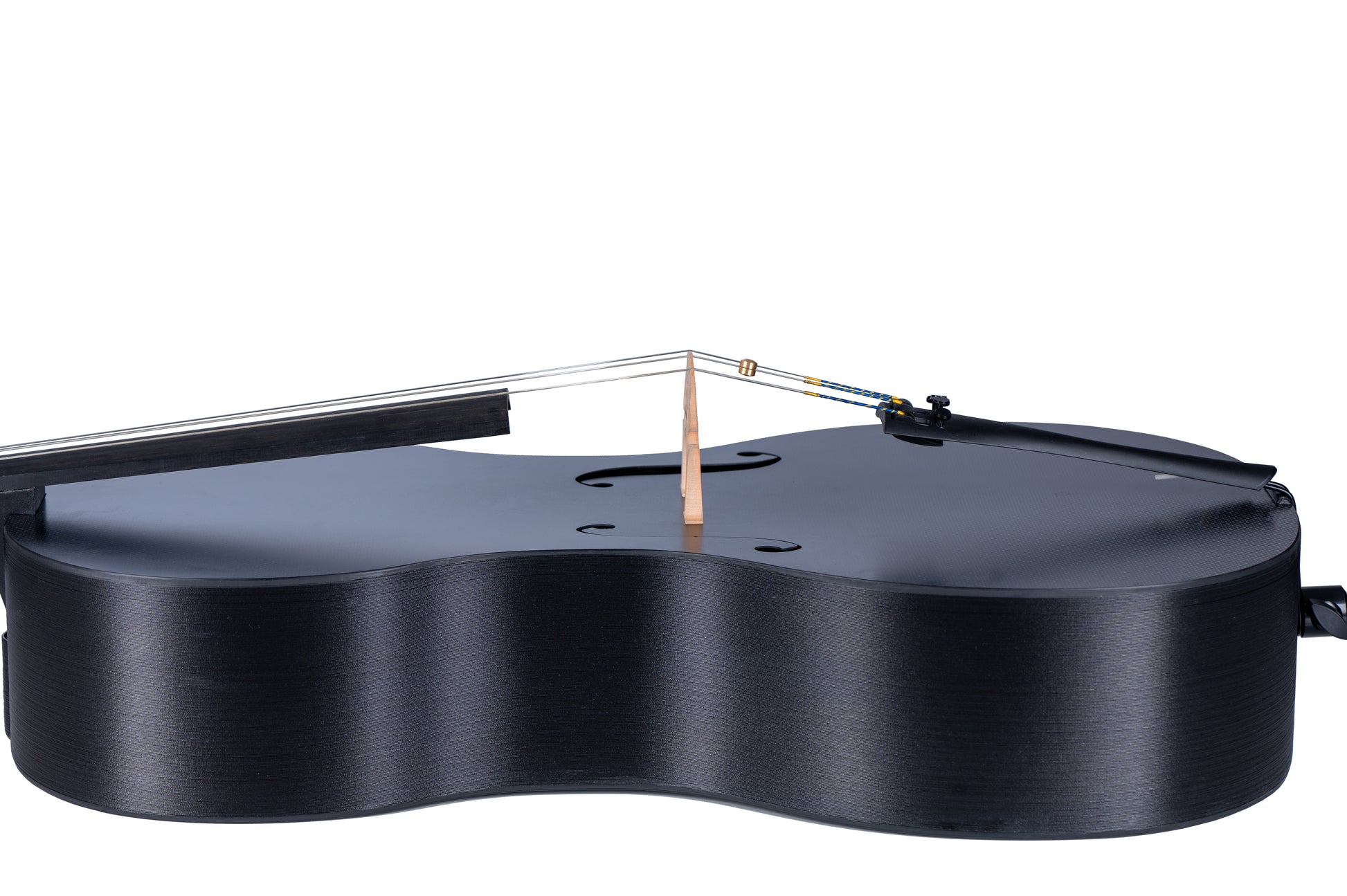
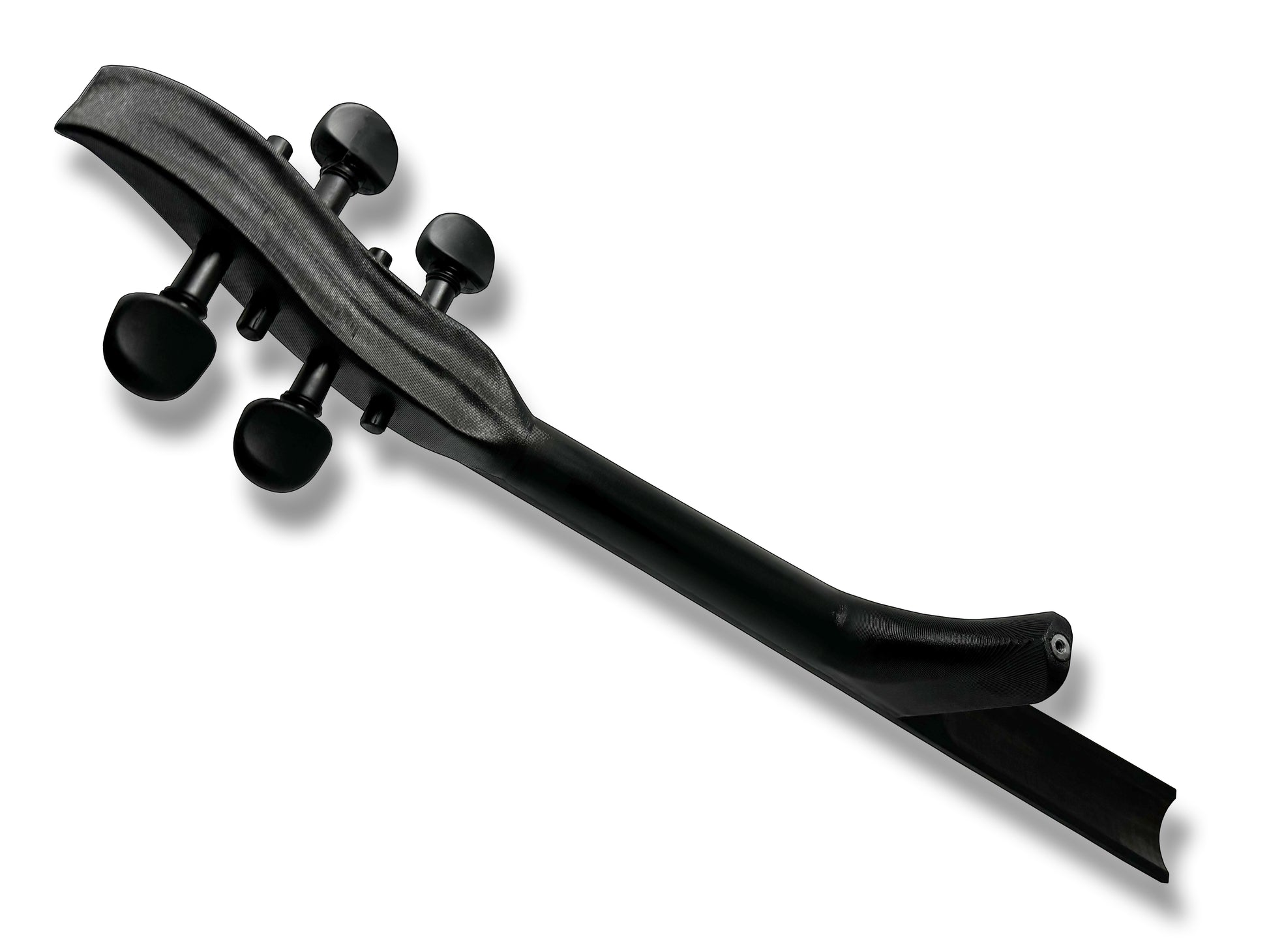
Forte3D, a US company working with advanced 3D printing, has launched what it calls the first fully 3D-printed carbon fibre cello and violin. The instruments show how digital fabrication and lightweight composites can change the way we design products. Their material qualities make them interesting not only for musicians, but also for product designers, acoustic specialists, architects and mobility designers.
Durable and Stable Carbon Fibre Construction
Wooden instruments react to humidity, temperature changes and physical impact. Carbon fibre does not. It stays stable in challenging environments and resists dents, cracks and warping. Forte3D developed a hybrid printing method that helps sound travel smoothly through the instrument. This approach creates a warm, natural tone instead of the harsh sound often linked to carbon fibre.
The project shows that designers can shape composite materials to improve both strength and acoustic behaviour. This opens new possibilities for lightweight products, sound-sensitive interiors and durable components in mobility design.
Sustainable Use of Materials
Because the instruments last a long time, they reduce the need for frequent repairs or replacements. Users can clean them easily with simple household products, which lowers maintenance over time. Forte3D also designed several parts to be replaceable, including the bridge and the neck. This supports repair instead of disposal and fits well within circular design principles.
Customisation Through 3D Printing
The cello includes an adjustable string height, which is unique for this type of instrument. Players can change the height with a small Allen key to match their preferred playing style. This feature shows how 3D printing allows designers to build customisation directly into the product, improving comfort and performance for the user.
Wider Opportunities for Designers
Although these instruments are made for musicians, the technology behind them has a broader relevance. Lightweight carbon fibre, vibration-optimised structures, hybrid printing methods and modular components can inspire new ideas for many design fields. They offer ways to improve durability, sound quality and material efficiency in products ranging from acoustic panels to mobility interiors and high-performance consumer goods.
Source & photos: Forte3D

Comments