3D Printed Concrete From Industrial Waste Enables Circular Construction
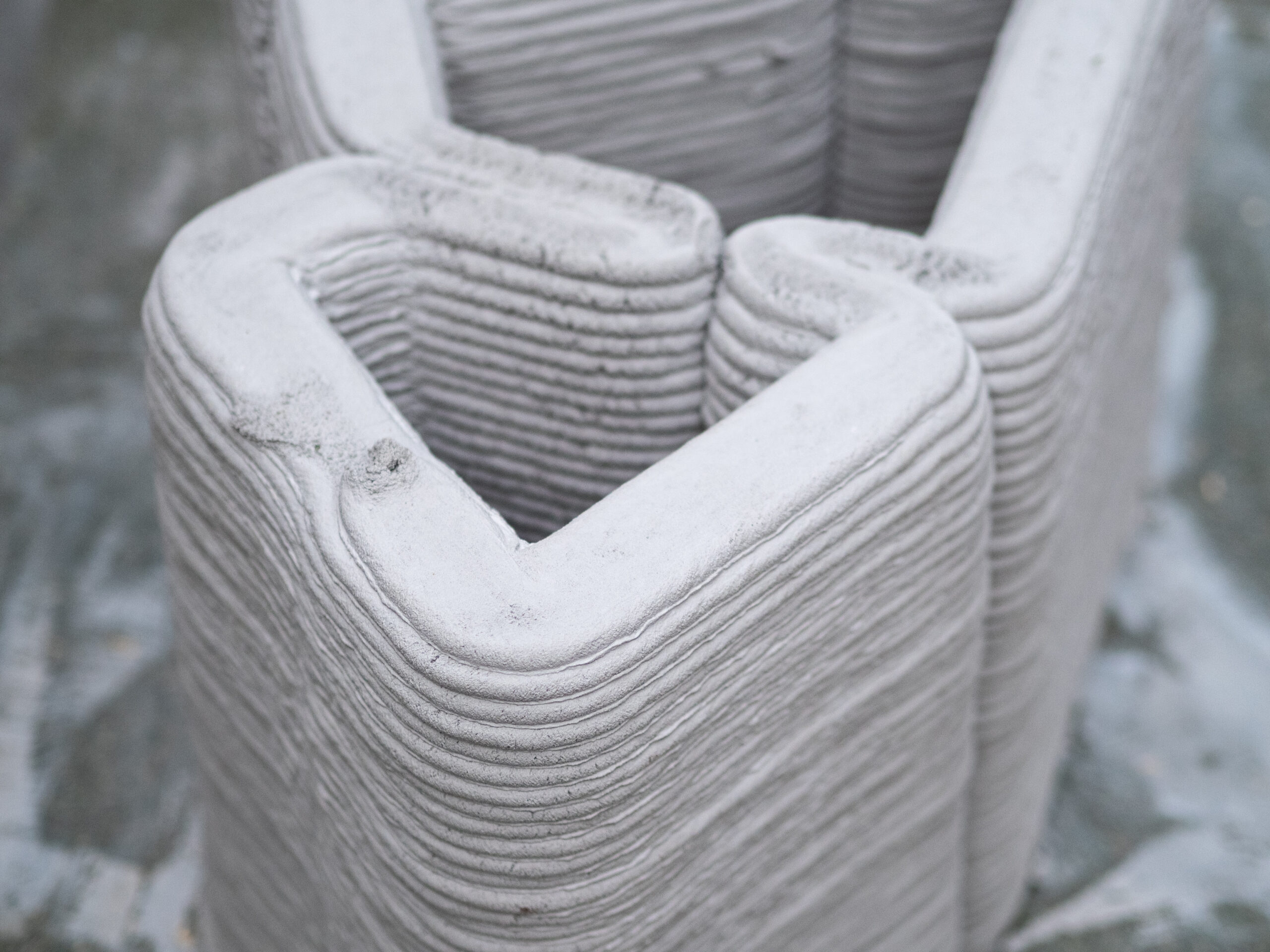
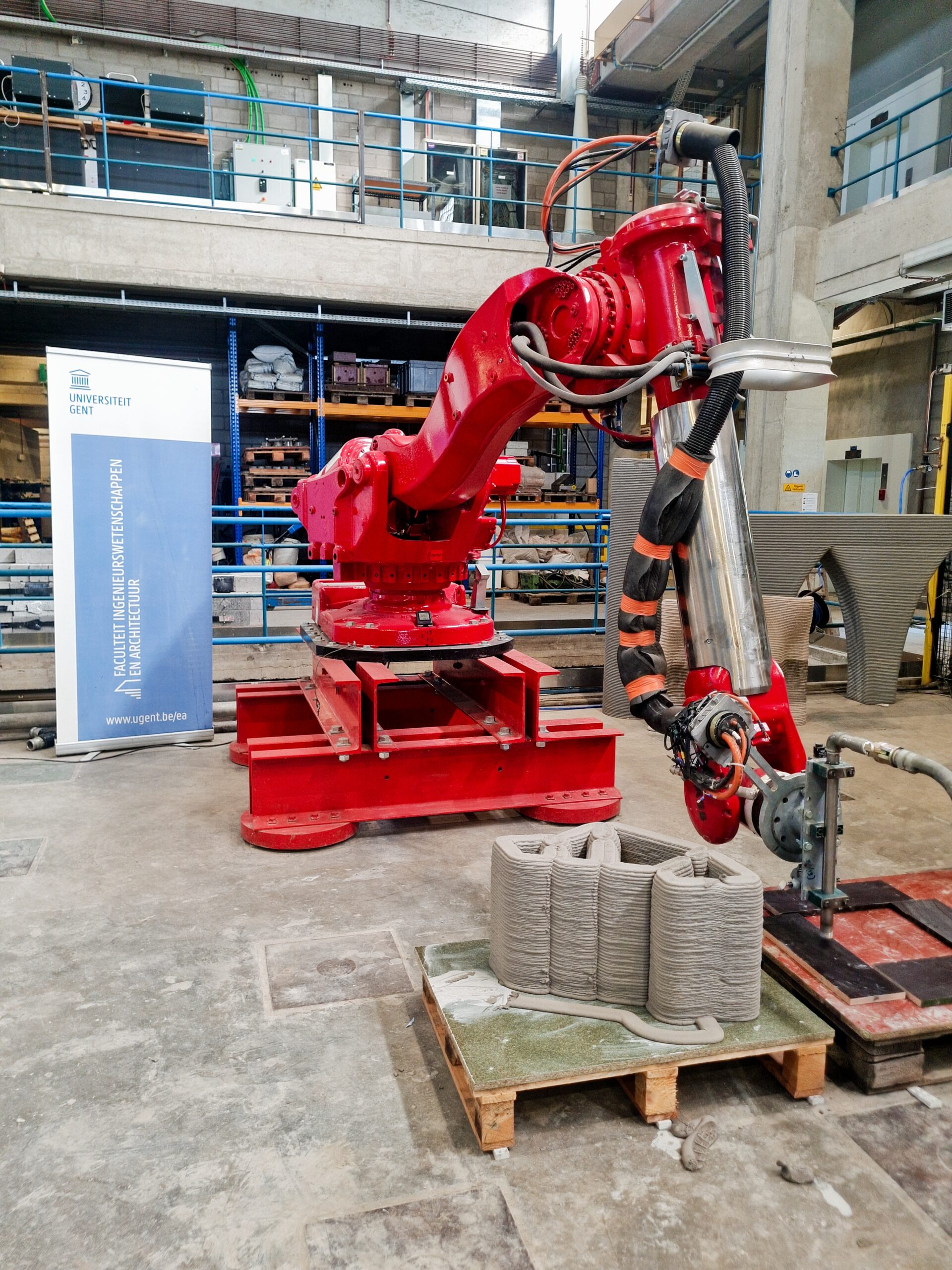
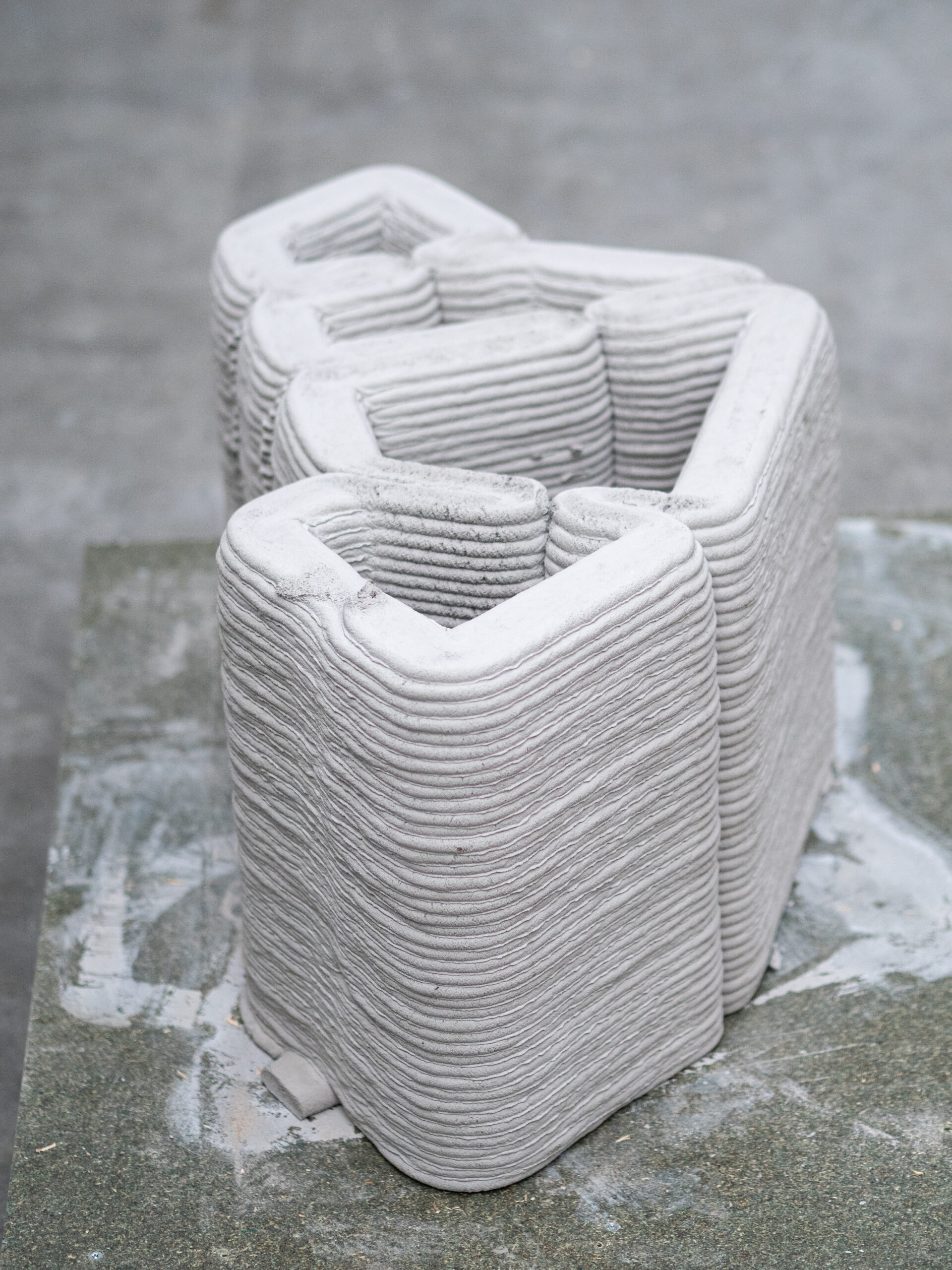
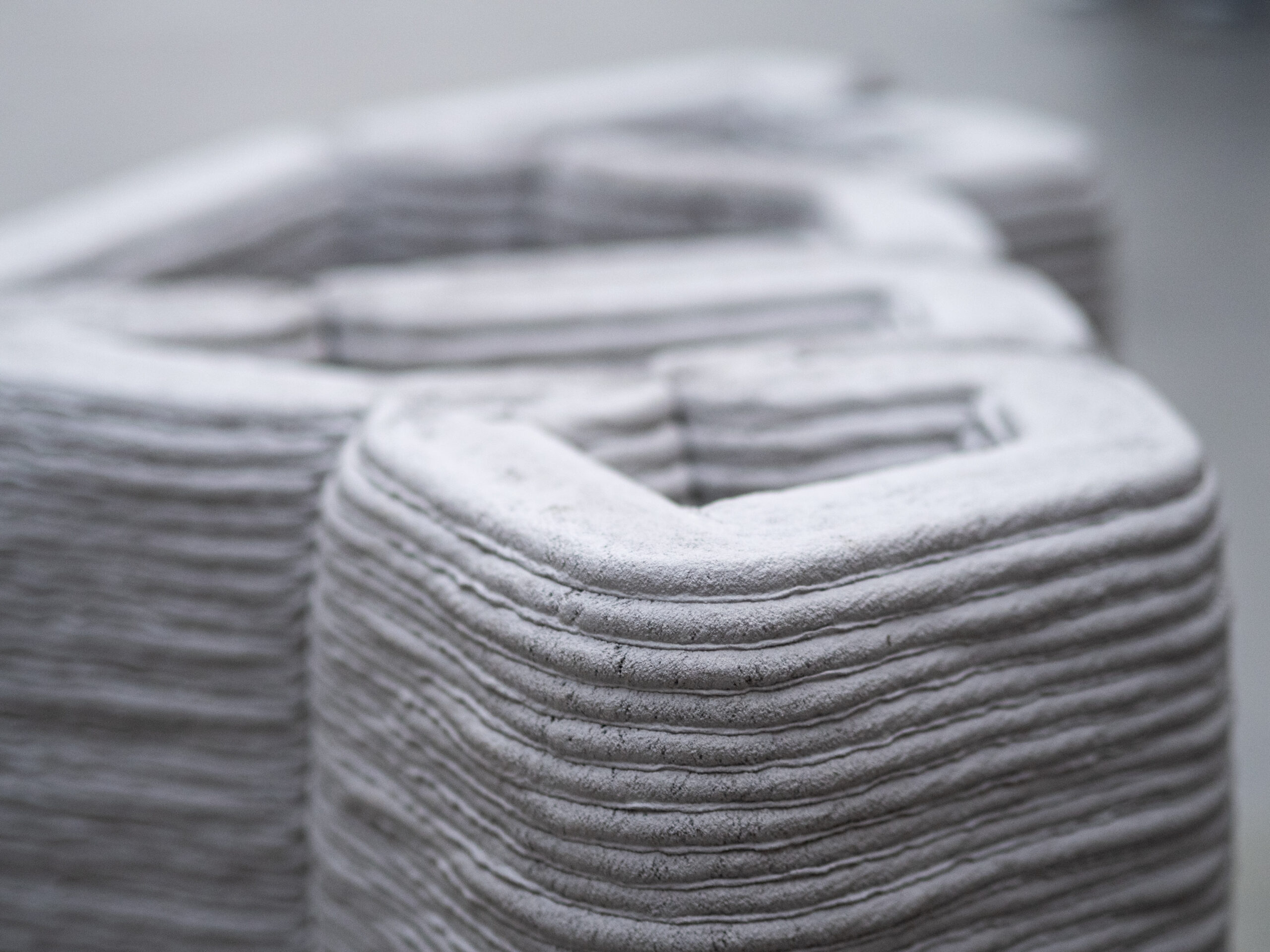
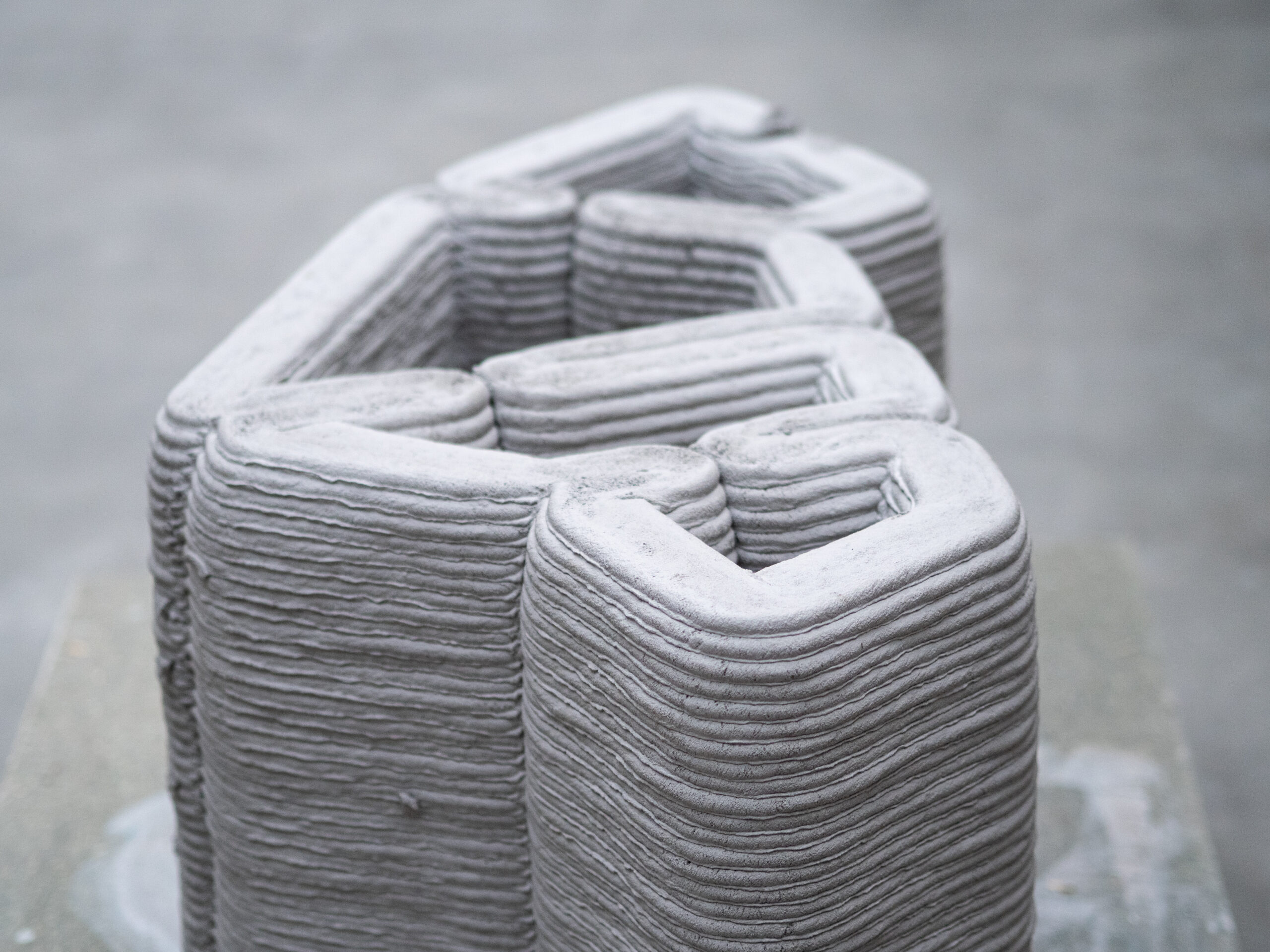
A European research consortium is rethinking concrete construction by combining 3D printing, recycled materials, and design for disassembly. The CARBCOMN project, involving Empa, ETH Zurich, and leading architectural practices, explores how digitally fabricated concrete elements can reduce material use, lower carbon emissions, and enable reuse at the end of a building’s life cycle.
Designing With Less Material And More Intelligence
Rather than relying on mass and steel reinforcement, the project focuses on geometry-driven structural performance. Using digital design tools, components are optimised to handle compression rather than tension, similar to historic arch structures. This approach allows for significantly lighter constructions. The concrete is 3D printed layer by layer, eliminating the need for formwork and enabling the integration of voids where material is not structurally required. As a result, material consumption is reduced while maintaining structural integrity.
For architects, this opens up new possibilities for material-efficient, expressive geometries, while also improving performance in earthquake-prone regions due to reduced weight.
Concrete Made From Industrial Waste
A key innovation lies in the material itself. Instead of conventional cement, the researchers use steel slag, a by-product of the steel industry. The resulting concrete consists entirely of recycled industrial waste, dramatically lowering its carbon footprint.
After printing, the elements are cured in a CO₂-rich environment, where a chemical reaction both strengthens the material and permanently stores carbon dioxide. This process contributes to the development of carbon-negative construction materials, a critical step towards decarbonising the built environment.
Targeted Reinforcement With Shape Memory Alloys
While the system minimises steel use, reinforcement is still applied where necessary using iron-based shape memory alloys (Fe-SMA). These smart materials contract when heated, introducing compressive forces into the structure without complex pre-stressing methods. Unlike conventional reinforcement, these elements can be inserted after printing and removed later, supporting a fully circular construction model. This enables buildings to be dismantled and components reused, aligning with emerging design strategies for reversible architecture.
Towards Circular And Customisable Building Systems
The CARBCOMN project integrates digital design, fabrication, and life cycle assessment into a unified workflow. Architectural firms, including Zaha Hadid Architects, are collaborating to explore how free-form designs can be translated into buildable, reusable components.
The focus is not only on formal innovation but on creating robust, modular building elements for residential construction that can be assembled, disassembled, and reused over time.
A full-scale prototype—a 3D printed building module—is expected by 2028, demonstrating the feasibility of this low-carbon, circular construction approach.
Source: Empa
Photos: Moslem Shahverdi / Empa

Comments