AI-Driven 3D Printing Combines Personalisation With Structural Strength
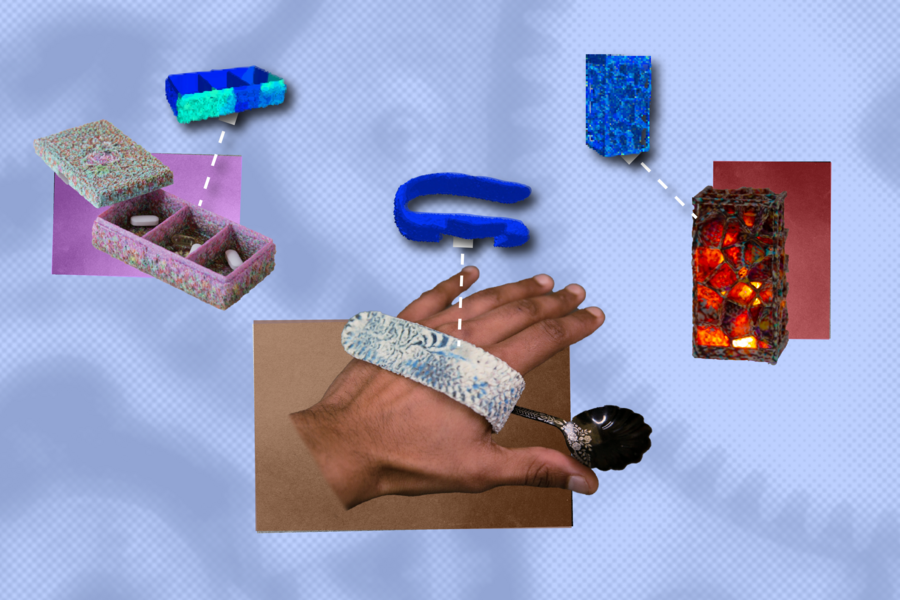
Generative AI has already transformed digital design, but its impact on physical products has so far remained limited. A new tool developed by researchers at the Massachusetts Institute of Technology (MIT) aims to change that, enabling designers to create highly personalised 3D-printed objects that are not only visually distinctive, but also strong enough for everyday use.
Developed at MIT’s Computer Science and Artificial Intelligence Laboratory (CSAIL), the system — called MechStyle — combines generative AI with mechanical simulation. The result is a design workflow that allows creative freedom while safeguarding material performance and durability.
From Visual Style to Physical Performance
Many AI tools can generate expressive 3D forms, but they often ignore the mechanical behaviour of materials. This leads to objects that look appealing on screen yet fail after fabrication. MechStyle addresses this gap by integrating finite element analysis (FEA) directly into the generative design process.
Users can upload an existing 3D model or select a preset object such as a vase, hook or lamp. By entering a text or image prompt — for example, “cactus-like texture” — the AI modifies the geometry accordingly. At the same time, the system simulates how these changes affect stress distribution, ensuring structurally sensitive areas remain intact.
By embedding material-aware feedback into the design loop, MechStyle helps prevent over-stylisation that could compromise strength or lifespan.
Durable Customisation for Products and Interiors
The technology opens up new possibilities for bespoke products and interior elements, from decorative lighting and wall accessories to functional items such as storage components or hardware. It also shows strong potential for assistive devices, including custom hand splints and ergonomic grips, where both tactile quality and structural reliability are essential.
In testing, earlier 3D stylisation methods resulted in only around a quarter of designs remaining structurally viable. With MechStyle’s adaptive simulation strategy, researchers achieved up to 100% viability across a range of textured objects inspired by natural forms such as stone, brick and plant structures.
Source & image: MIT

Comments