Studying ancient materials for a more durable and sustainable future
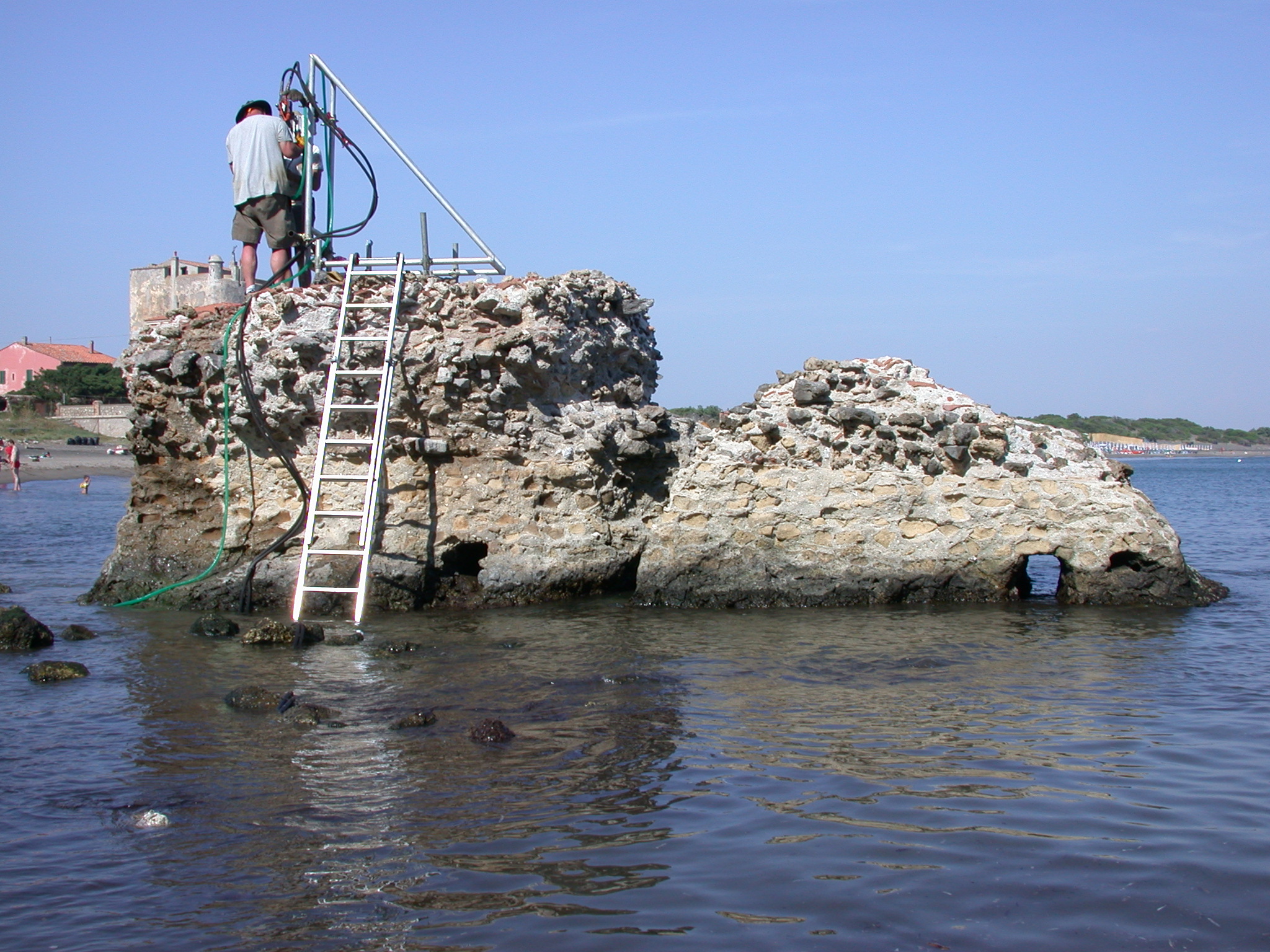
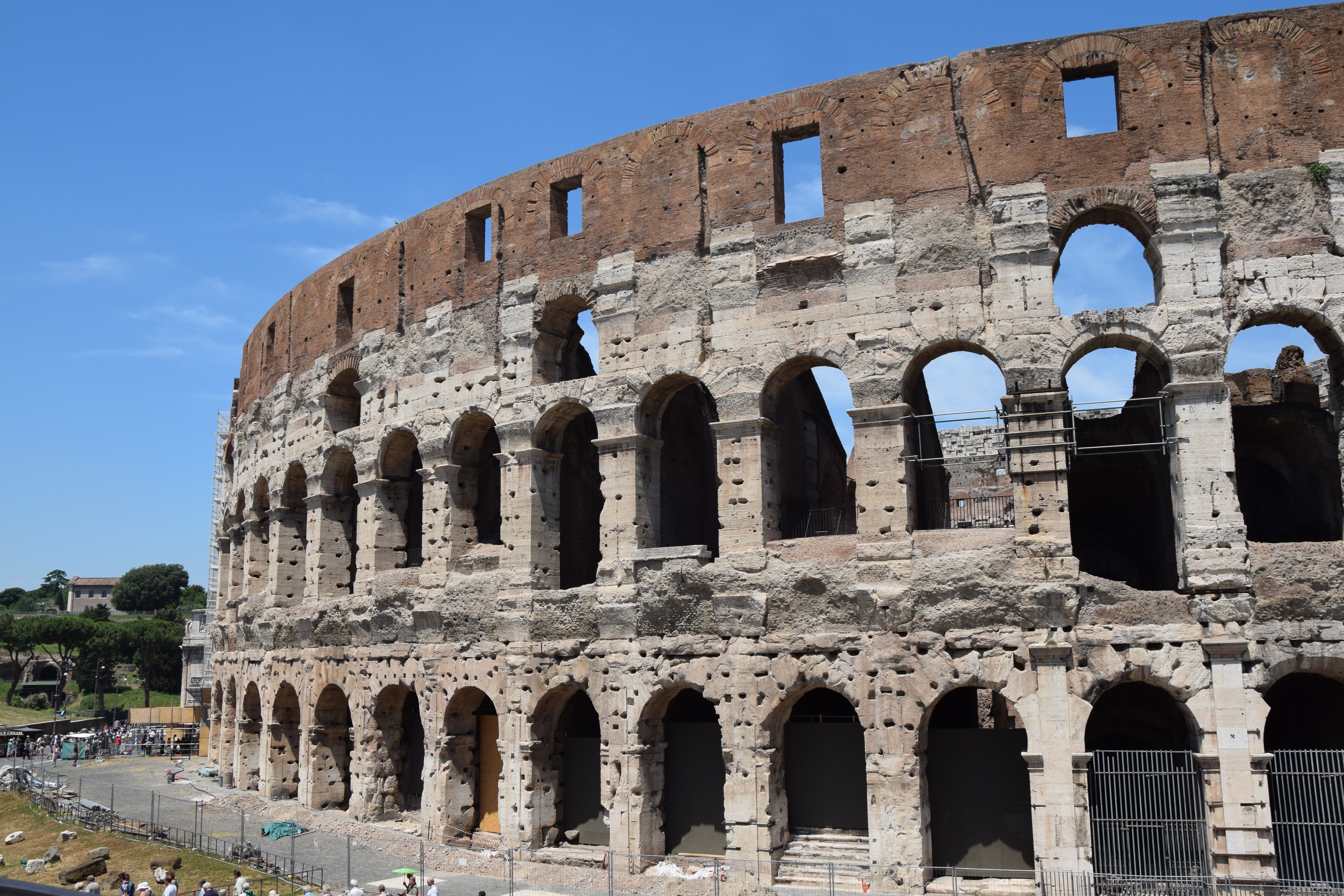
Current building materials are guaranteed for about 100 years, while structures built in Ancient Rome have survived for millennia. In a time when durability and sustainability are important issues, researchers at MIT and the University of Utah are looking at materials from the past to see what we can learn from them in our contemporary buildings.
Researchers at MIT believe that we can definitely learn from our ancestors when it comes to materials. They put forth the so called “paleo-“ or “antiqua-inspired” train of thought. This method is modelled after the bio-inspired research approach, or biomimicry, in which researchers take inspiration from structures, compositions, and outstanding properties of plants or animals to mimic and engineer new materials. As bio-inspired researchers use natural occurrences, the paleo-inspired methodology explores ancient systems and processes, adding another dimension for looking towards the future of materials.
Many ancient materials were synthesised in soft chemical ways, often using low energy resources, and rudimentary manufacturing equipment.
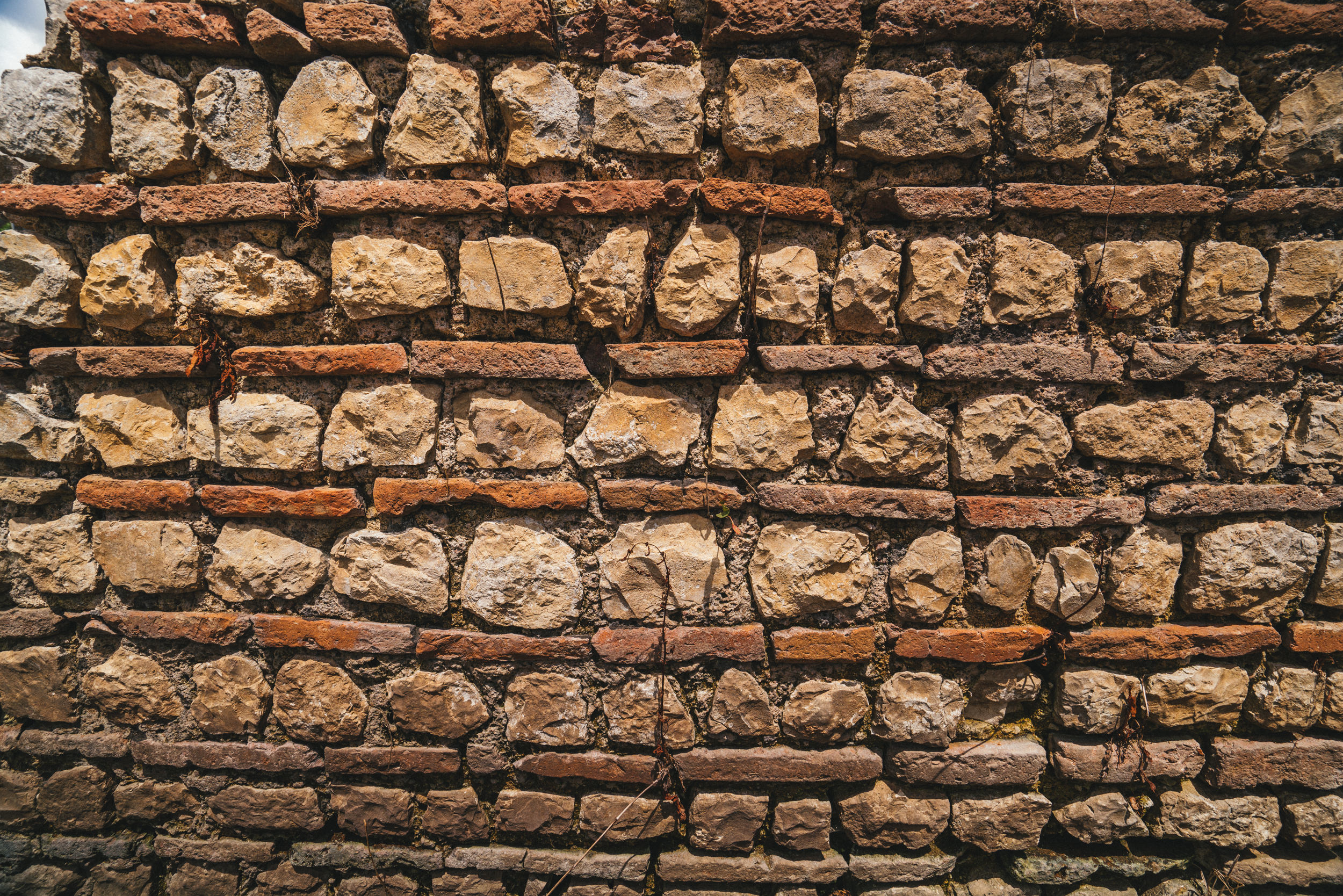
To put this in perspective, the ancient Romans didn’t use modern materials such as graphene or nanomaterials to ensure durability, yet they knew their way around materials. Their solutions included volcanic ash or recycled materials such as brick fragments, methods that need much less energy than contemporary Portland cement, but is much more durable.
Roman concrete at seasides is much stronger than contemporary concrete when it comes into contact with seawater, which damages our concrete within a few decades. Using modern day chemical analyses, researchers from the University of Utah found that Roman concrete is made from a mixture of quicklime, also known as calcium oxide, and volcanic ash. When seawater gets into the cracks, these materials cause a chemical reaction that strengthens the concrete rather than damaging it. This happens because of minerals called Al-tobermorite and phillipsite form as the material leaches mineral-rich fluid, which then solidifies. This reaction reinforces the concrete. The exact recipe of Roman concrete is still lost, but we’re now one step closer to finding out what it was.
The case of Roman cement proves that we can definitely learn from the past. Since we’re going ‘back to nature’ when it comes to (construction) materials, such as hemp and wood, it can’t hurt to see what our ancestors did to preserve their heritage.
Photos: Lillie Paquette / J. P. Oleson

Comments