Atlassian Central Tower Sets New Benchmark For Hybrid Mass Timber Skyscrapers
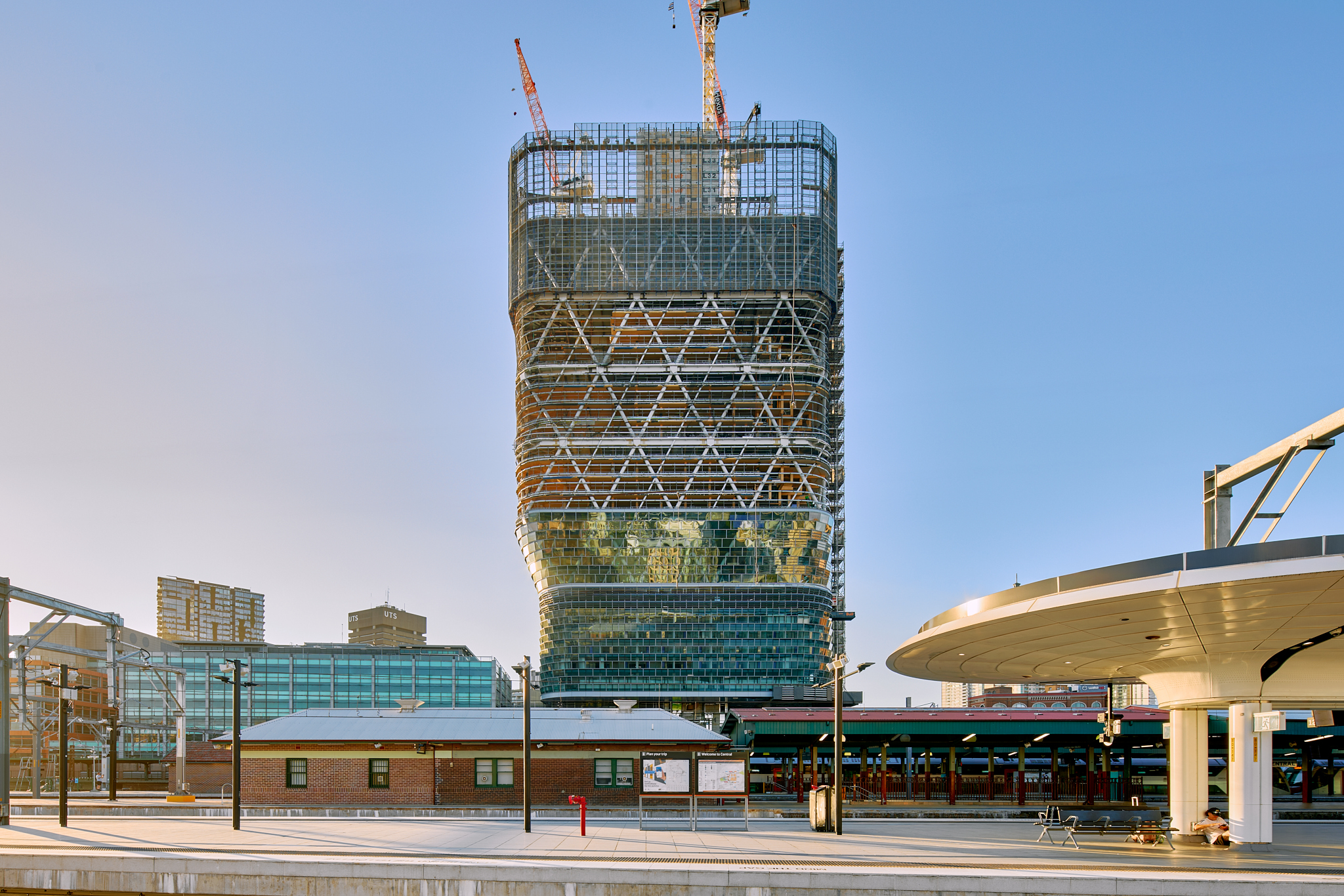
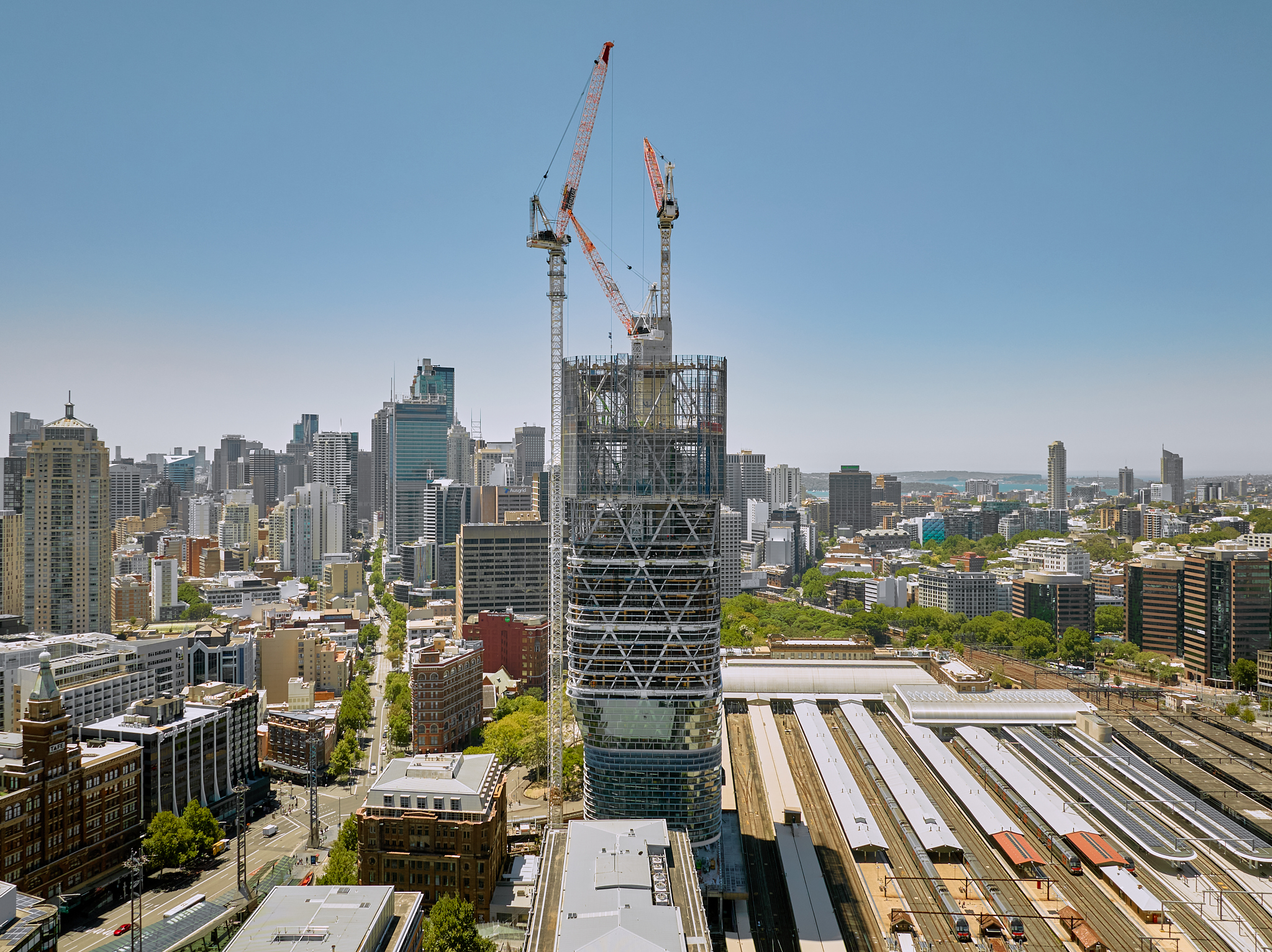
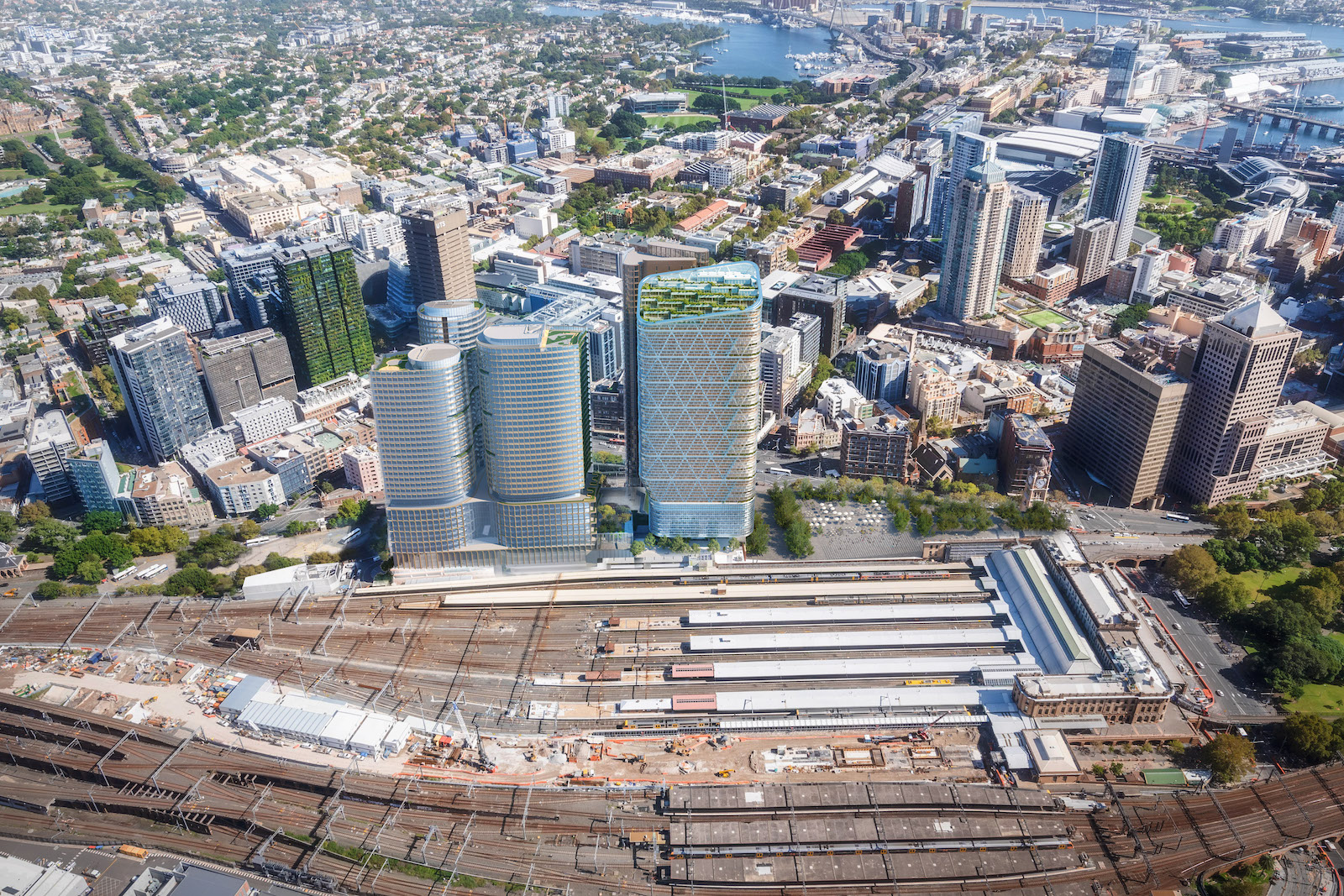
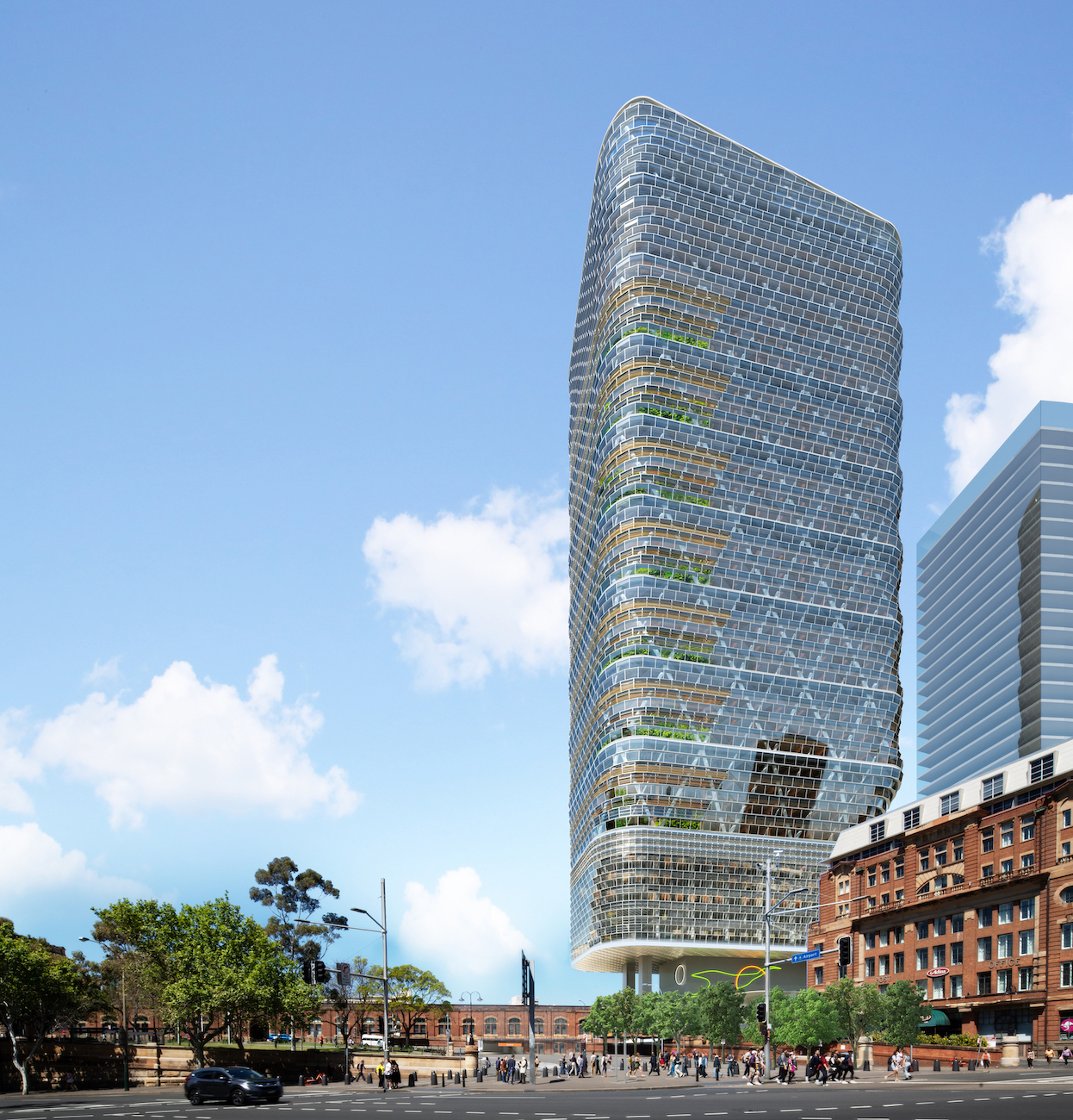
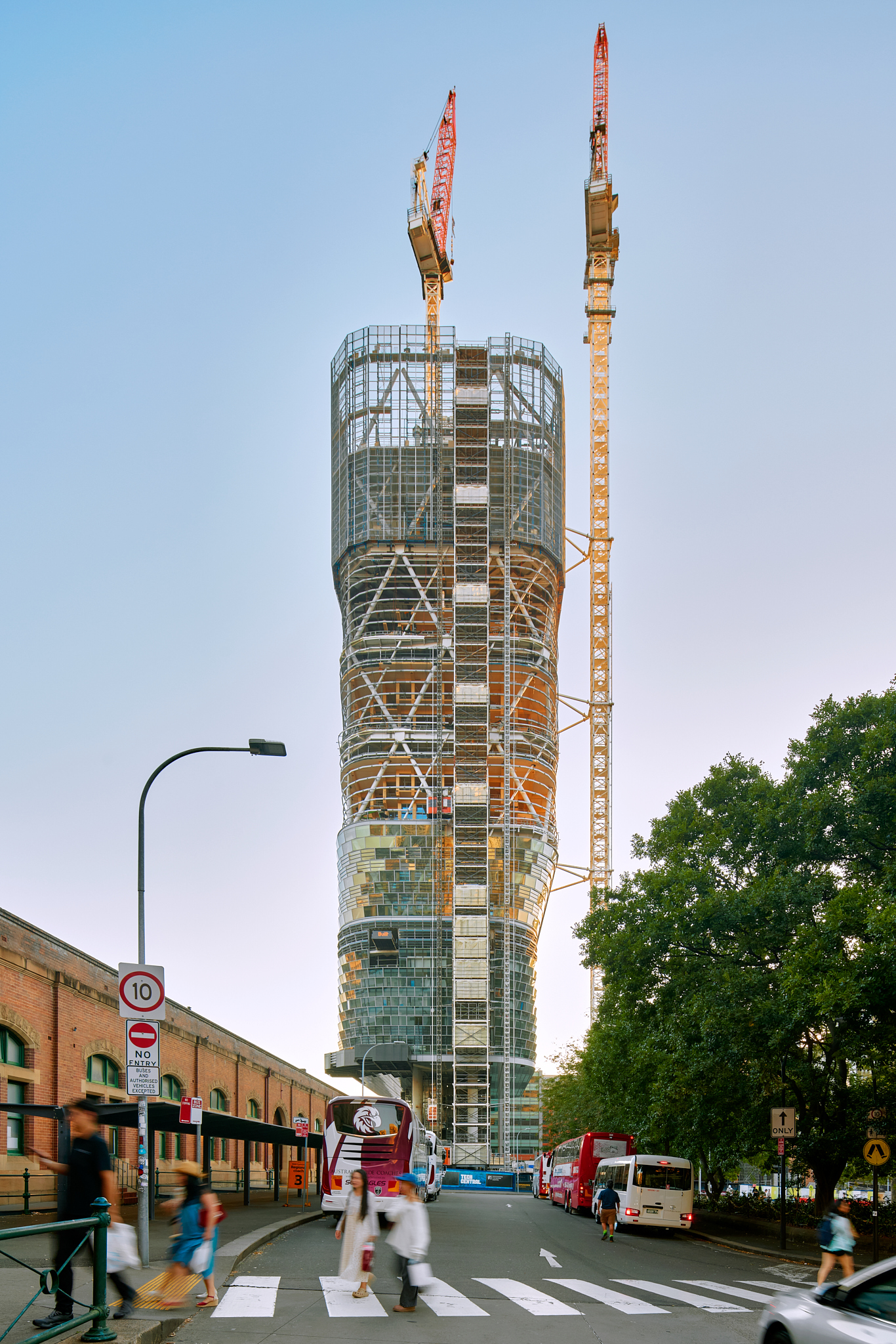
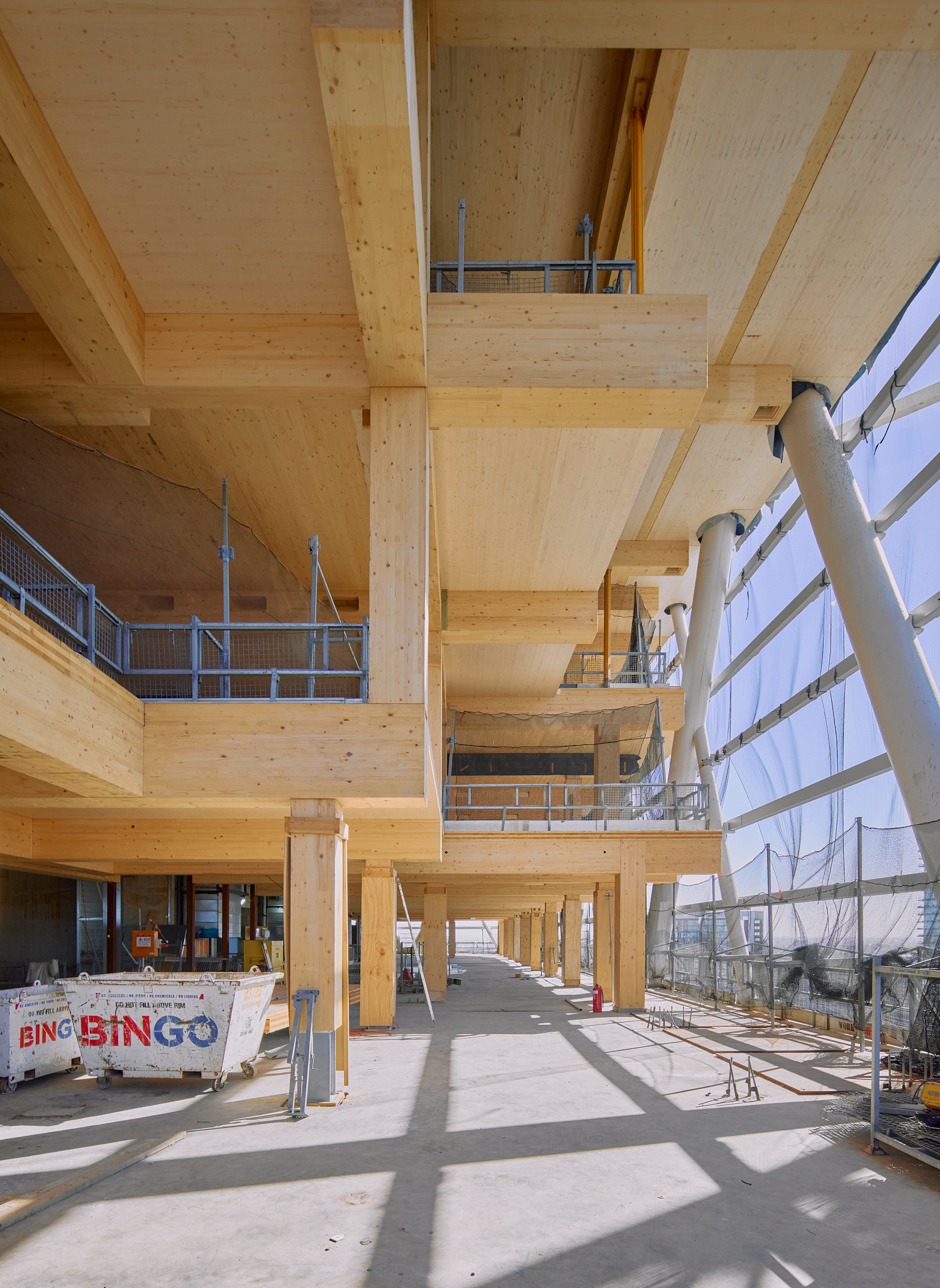
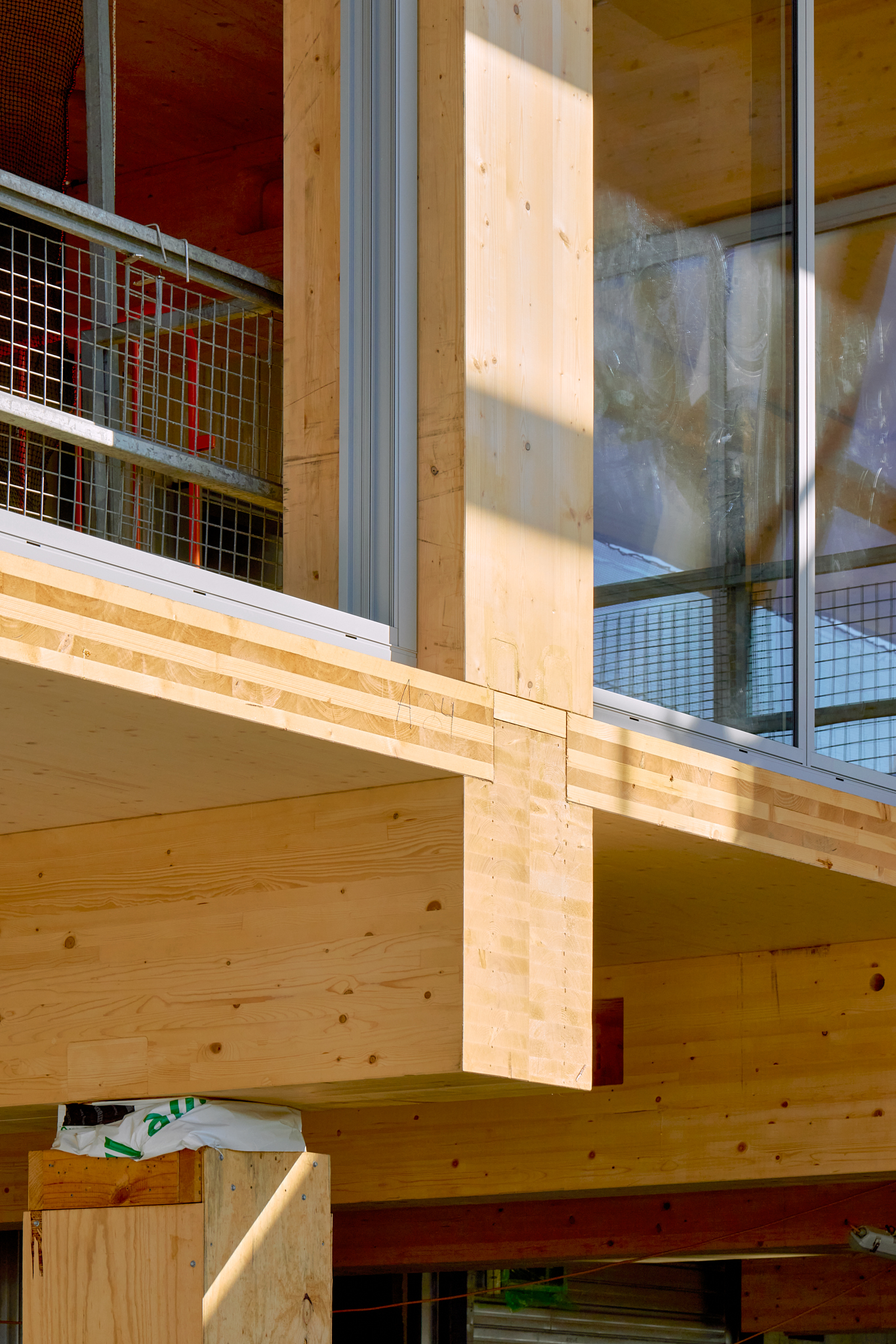
The Atlassian Central Tower in Sydney is set to become the world’s tallest hybrid timber tower. The building will rise 180 metres across 39 storeys, setting a new milestone for large-scale mass timber construction in commercial architecture. Designed by SHoP Architects in collaboration with BVN and developed by Dexus, the project shows how engineered timber can transform high-rise construction. The tower combines mass timber with steel and concrete, creating a hybrid structure that significantly lowers the building’s environmental impact.
As a result, the project aims to reduce upfront embodied carbon by 50% compared with conventional construction. In addition, the building will operate on renewable energy and targets a 6 Star Green Star rating and a 5.5 Star NABERS Energy rating. These ambitions position the tower as a new benchmark for low-carbon commercial buildings.
Hybrid Timber Structure Supports Healthy Workplaces
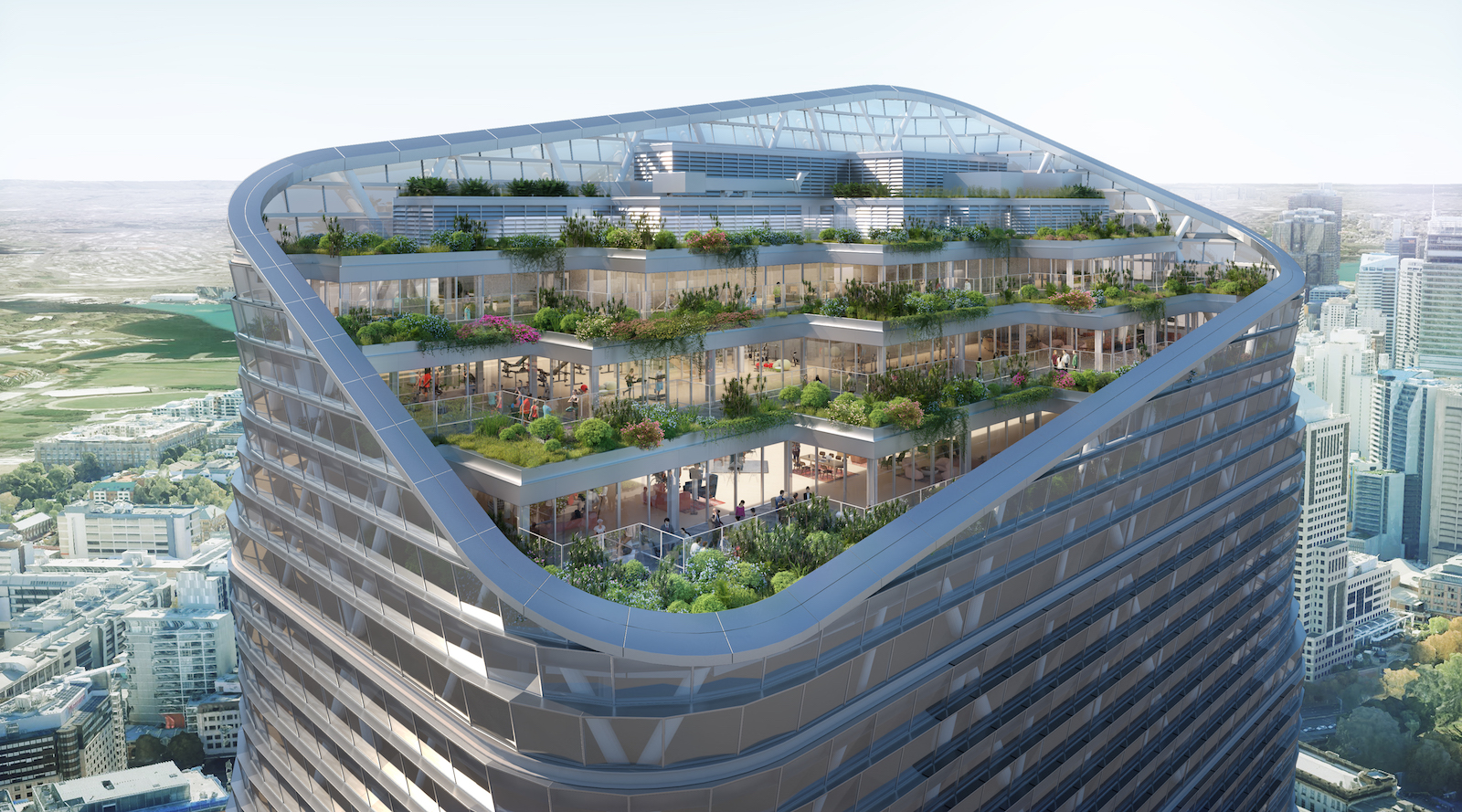
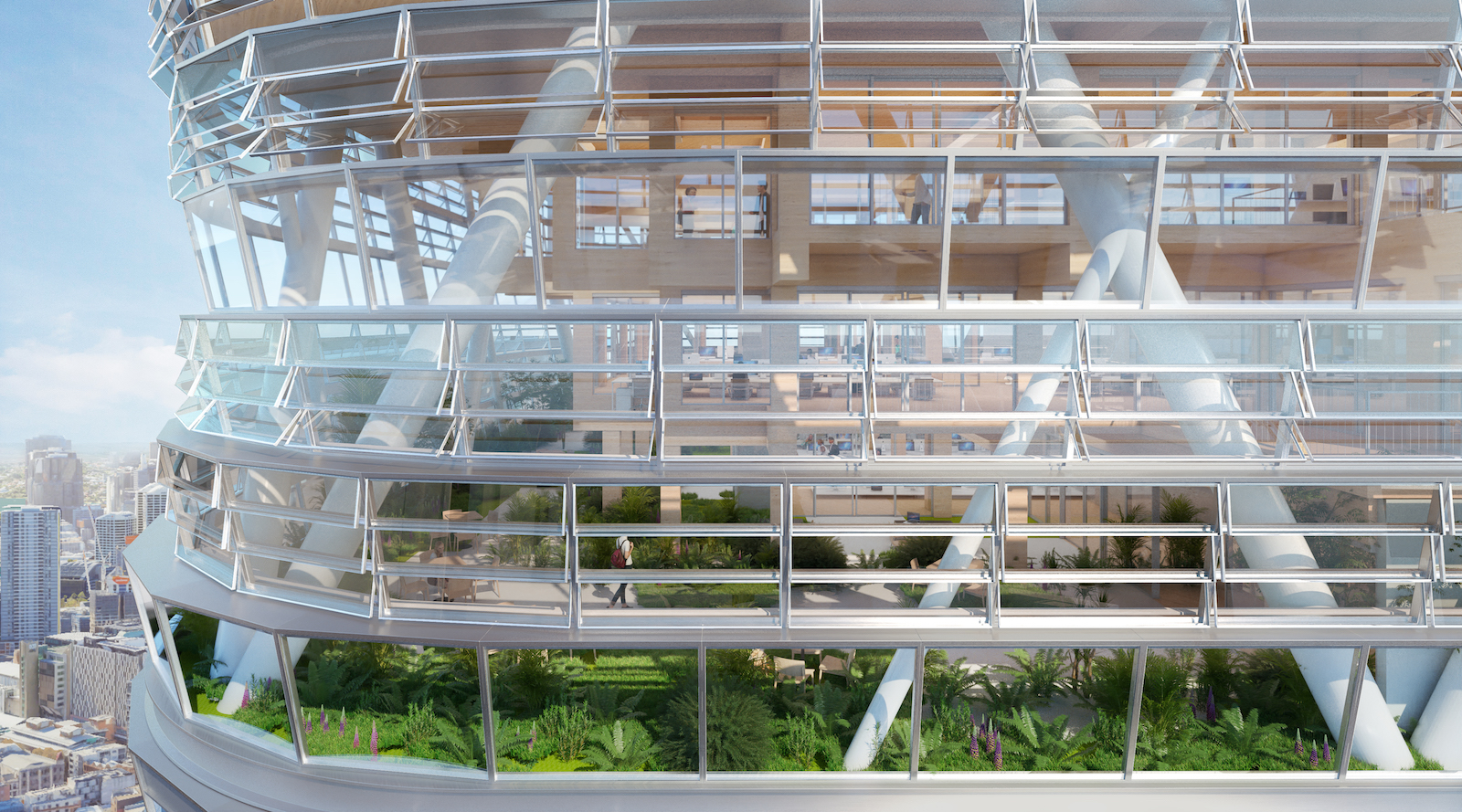
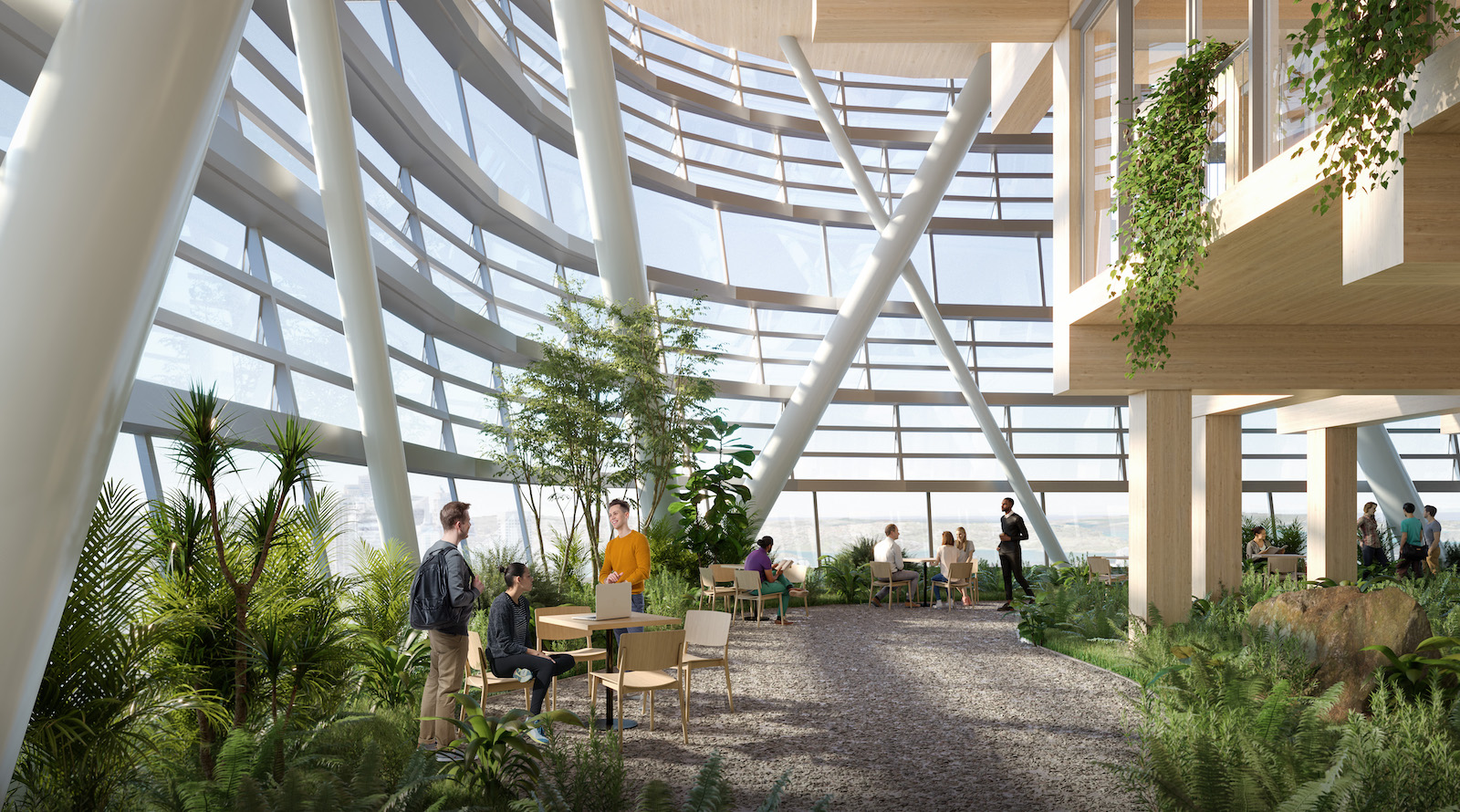
At the centre of the design is an innovative hybrid timber structural system. The office floors are organised into seven stacked four-storey modules, referred to as “habitats”. Each habitat creates a flexible workspace that focuses on daylight, natural ventilation and wellbeing. Moreover, the modules connect directly to landscaped terraces, which introduce outdoor space into the high-rise workplace.
This strategy brings biophilic design principles into the building. Consequently, the tower encourages stronger connections between occupants, nature and the surrounding city.
Mass timber also plays a key environmental role. Engineered wood products such as cross-laminated timber (CLT) store carbon within the building structure. Therefore, the material helps reduce the overall carbon footprint of the project.
Automated Façade Enables Natural Ventilation
The building also features an advanced operable façade system. This façade allows large areas of the tower to function without mechanical cooling. An automated system controls the façade openings. In total, the system includes 4,757 window actuators, 18 control panels and 56 distribution boxes, connected through around 42 kilometres of cabling. This technology supports natural ventilation, smoke management and coordinated building performance. Because Sydney has a relatively mild climate, the system helps reduce energy use across the tower.
Importantly, the design team integrated the façade strategy early in the project. This approach allowed environmental performance to shape the architectural design.
Heritage Architecture Anchors The Development
The project also restores a historic railway shed and the former YHA hostel at ground level. The design transforms this heritage structure into a public arrival space for the development. Above this base, the tower appears to float over the historic building. The lower levels will house a hotel, while the upper floors contain Atlassian’s workplaces. Rooftop terraces will provide additional outdoor spaces for occupants. As a result, the project strengthens the public realm around Sydney’s Central Station technology district.
A Model For Sustainable High-Rise Design
Overall, the Atlassian Central Tower demonstrates how hybrid timber construction, smart façade systems and biophilic design can reshape commercial high-rise architecture. By combining carbon-storing materials with energy-efficient design, the project shows how tall buildings can support both urban density and climate goals.
Source: SHoP Architects / Dexus / EBSA
Images: SHoP Architects / Dexus

Comments