Bamboo Cabin Plan: A Sticky Rice Dumpling in the Forest
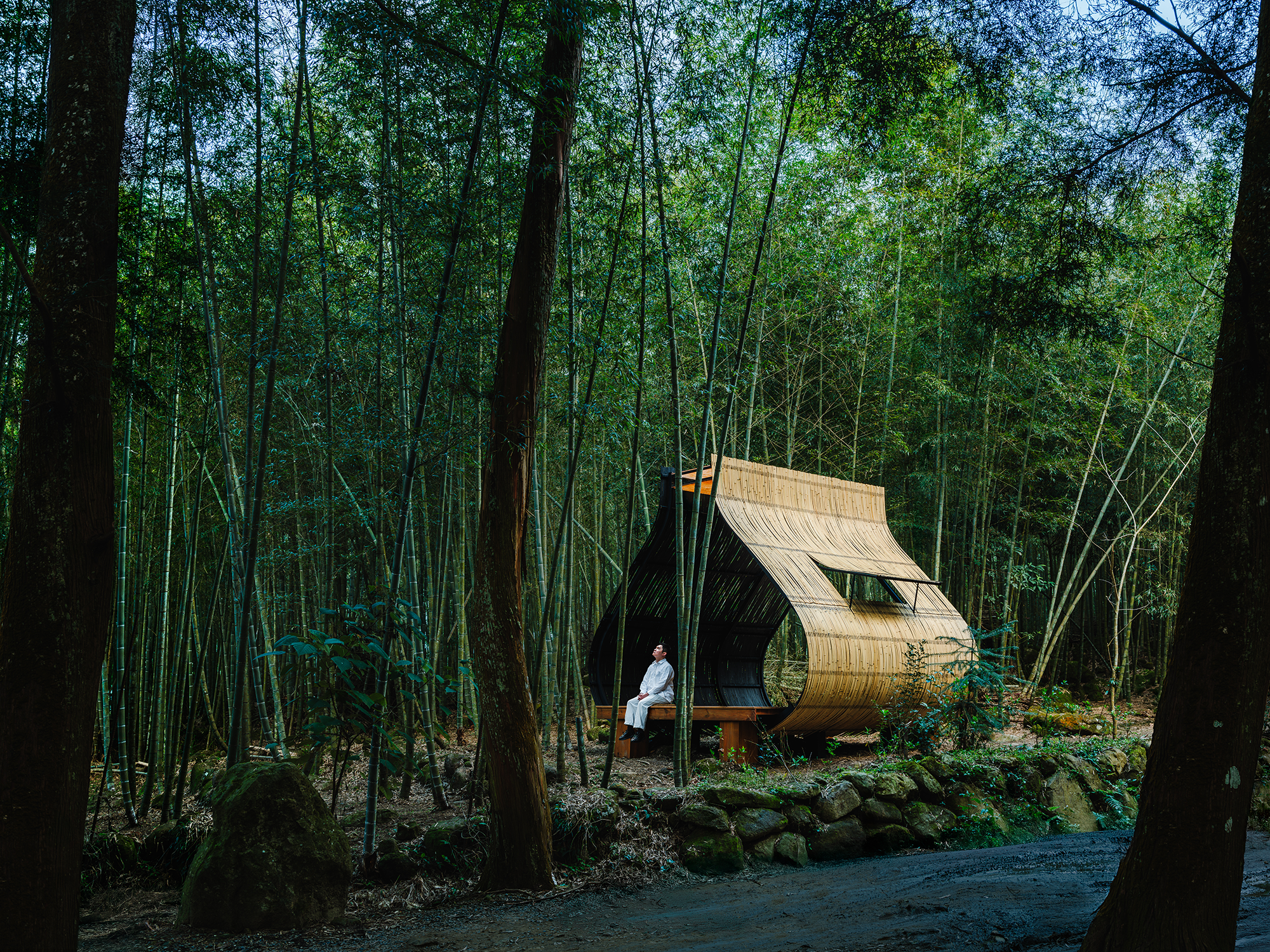
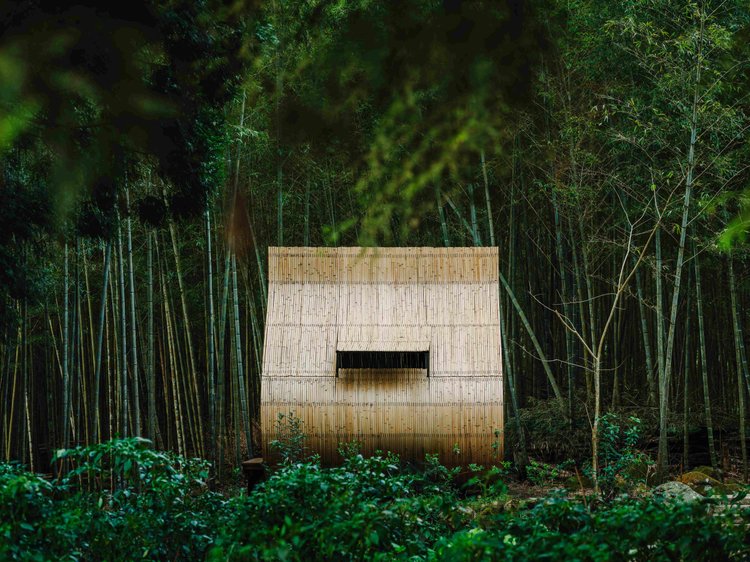







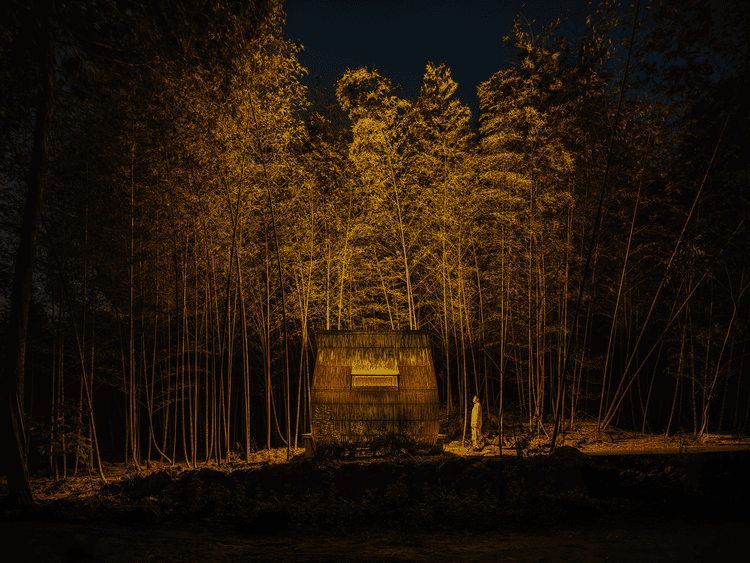

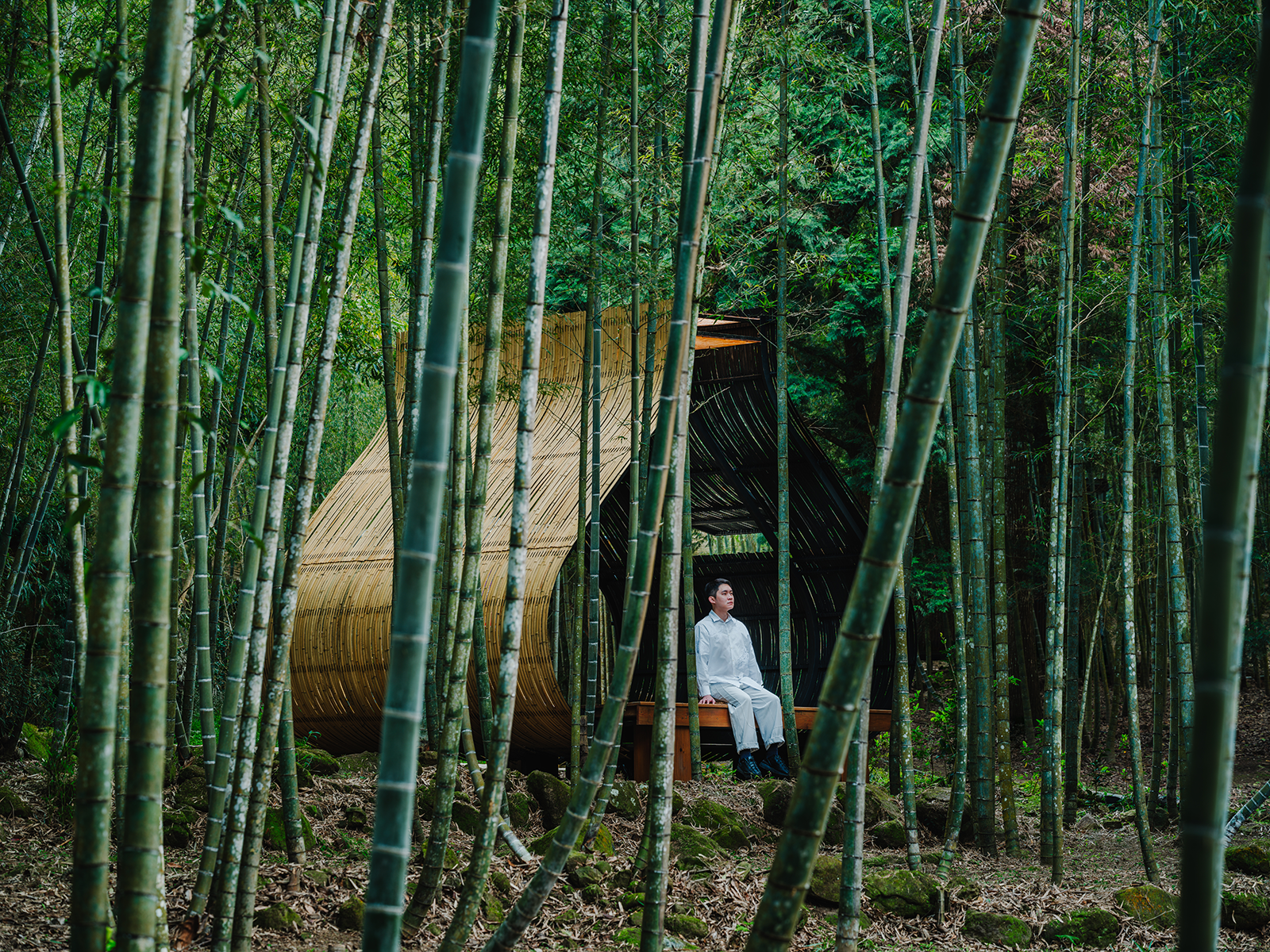
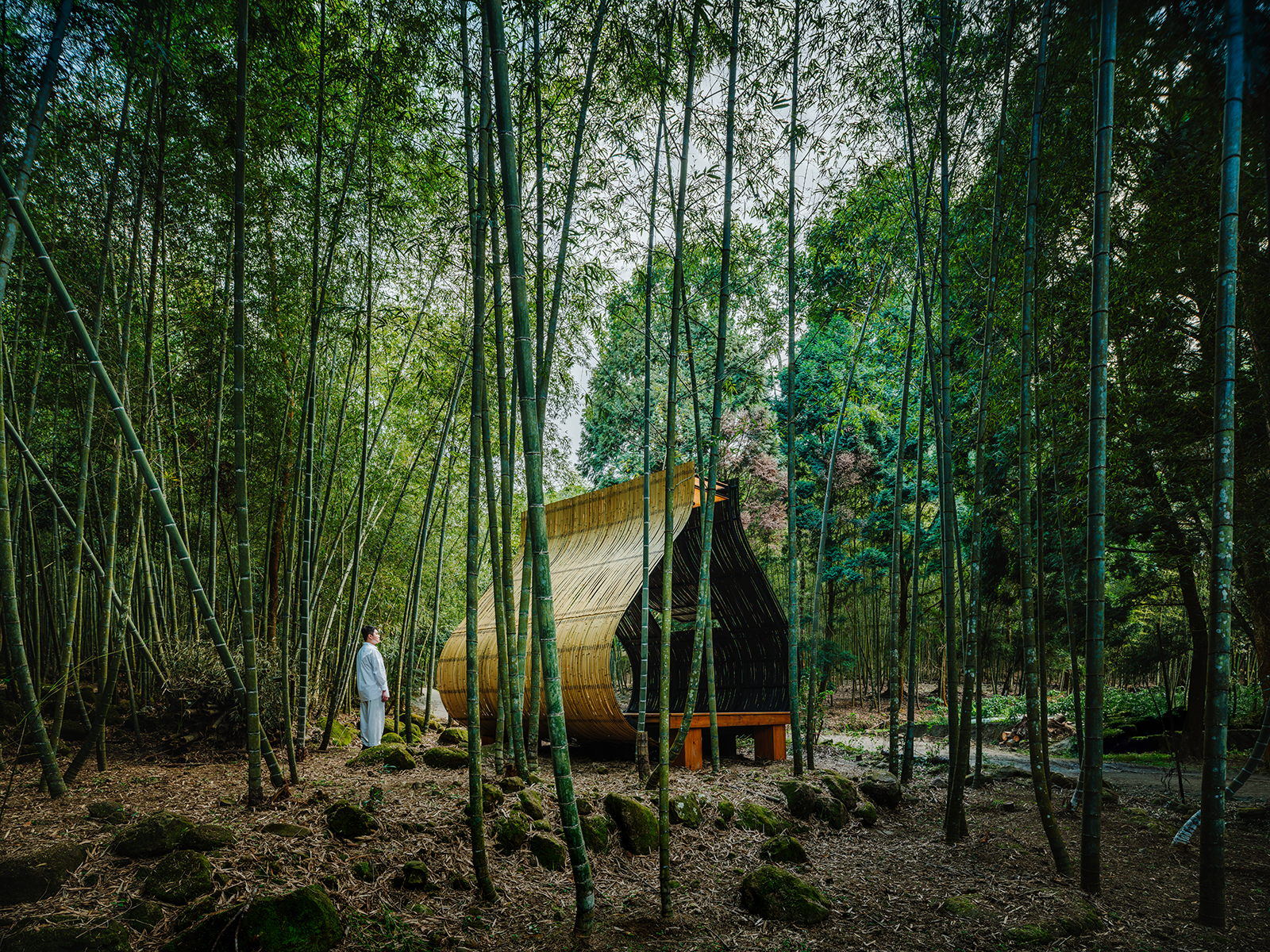
Taiwanese artist and designer Cheng Tsung Feng has built a unique bamboo structure that connects traditional craft with sustainable design. Called Bamboo Cabin Plan: Sticky Rice Dumpling, the small building transforms the gesture of wrapping food into an architectural form.
Architecture Inspired by Tradition
The cabin stands on a hiking trail in Lugu Township’s bamboo forest. It offers visitors shade and a place to pause. Its shape is inspired by the making of a sticky rice dumpling. In this process, two bamboo leaves are folded in the hand, filled with rice, and bent into a protective package.
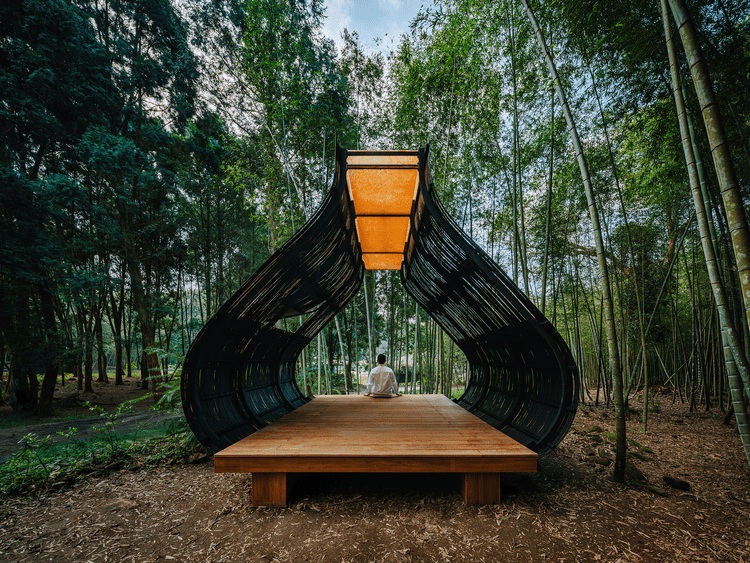
Feng reinterpreted this act by arranging strips of bamboo in parallel and bending them into a curved enclosure. At the centre, a small lifted section forms a window. A raised wooden floor separates the structure from the ground, creating shadows and making the cabin appear light and playful.
Material Innovation with Bamboo
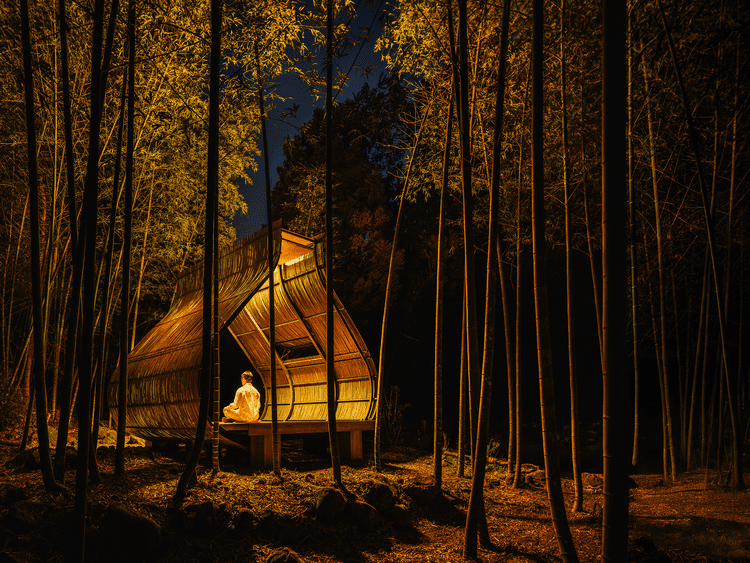
Bamboo is the main material, supported by wood, metal, nylon rope, and LED light. On the roof, two handcrafted amber waterproof panels diffuse natural light. Their textured finish recalls the shine of glutinous rice and gives the interior a warm golden glow.
This project shows bamboo’s potential as a renewable material. It is fast-growing, flexible, and low in environmental impact. Moreover, its ability to bend without breaking makes it suitable for expressive and curved designs. As a result, bamboo offers architects and designers a viable biobased and circular alternative.
A Cultural and Spatial Experience
The cabin is more than a shelter. Stepping inside, visitors feel wrapped within bamboo leaves and cultural memory, as if inside a giant dumpling. It combines nature, food heritage, and architecture in one experience.
For architects, interior designers, and landscape architects, the project highlights how sustainable materials can also tell stories. It demonstrates how biobased design can connect people to culture while supporting circular principles.
Source: Cheng Tsung Feng
Photos: FIXER Photographic Studio

Comments