Biobased Acoustic Ceilings In A Private Villa In Vejle Ådal
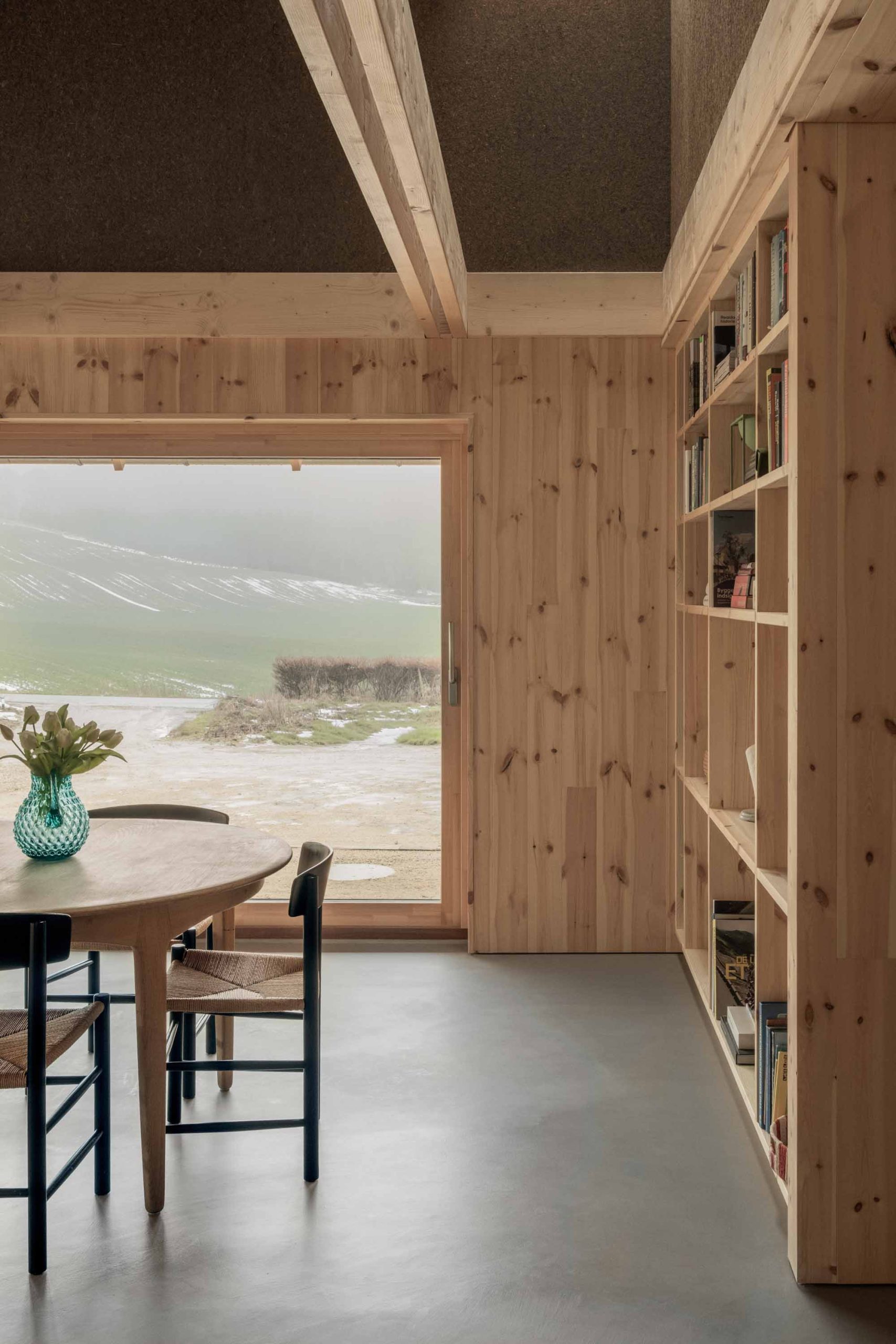
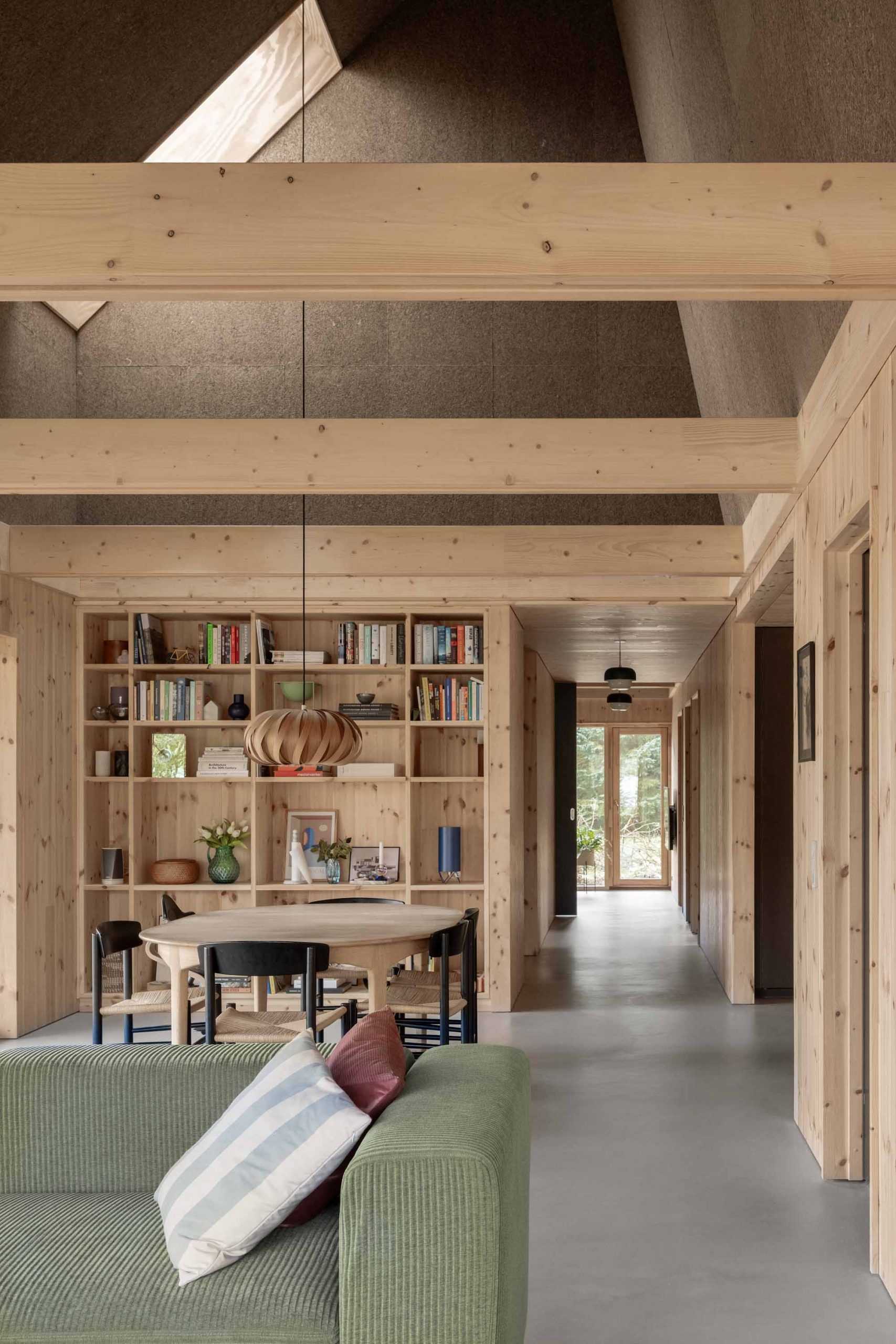
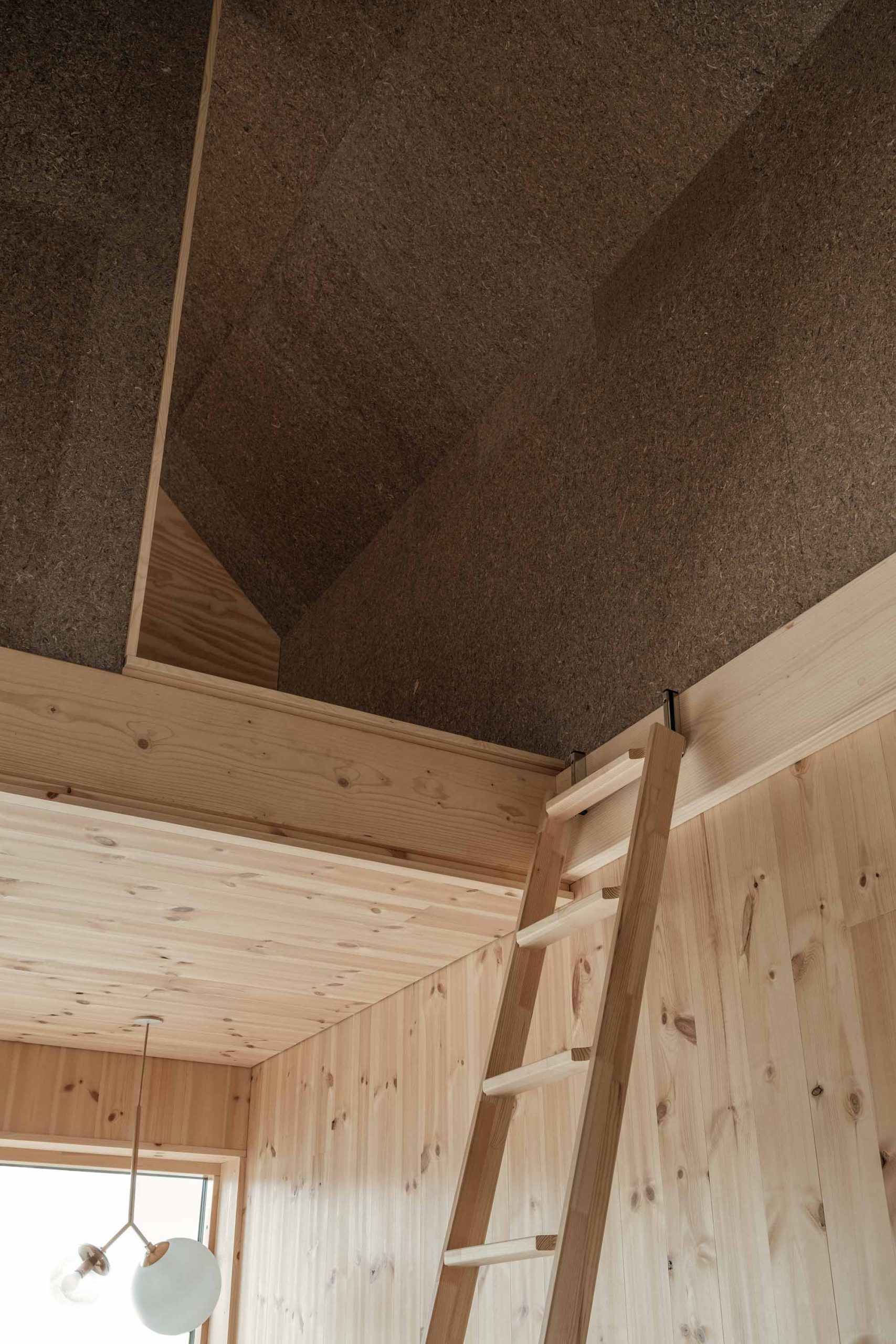
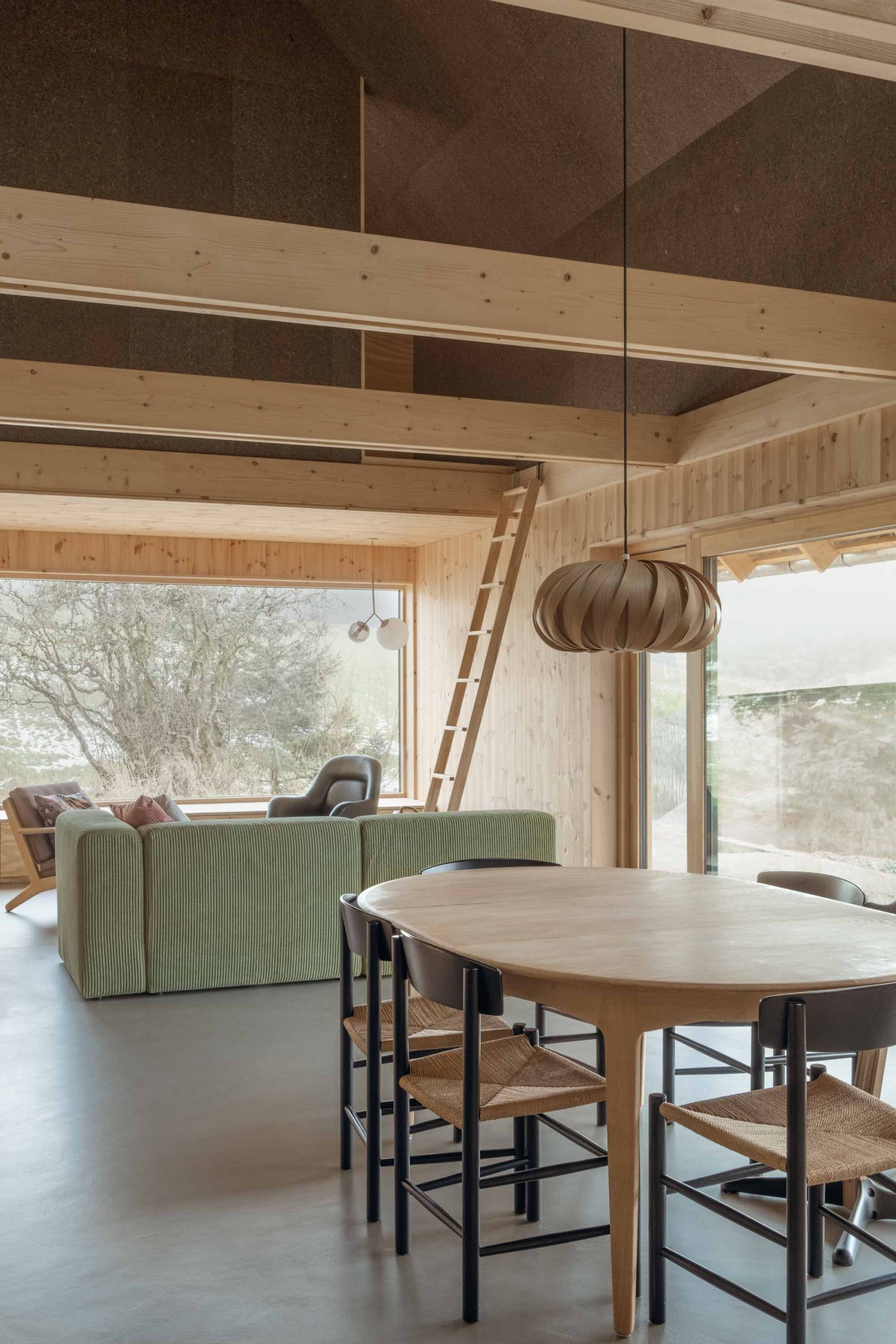
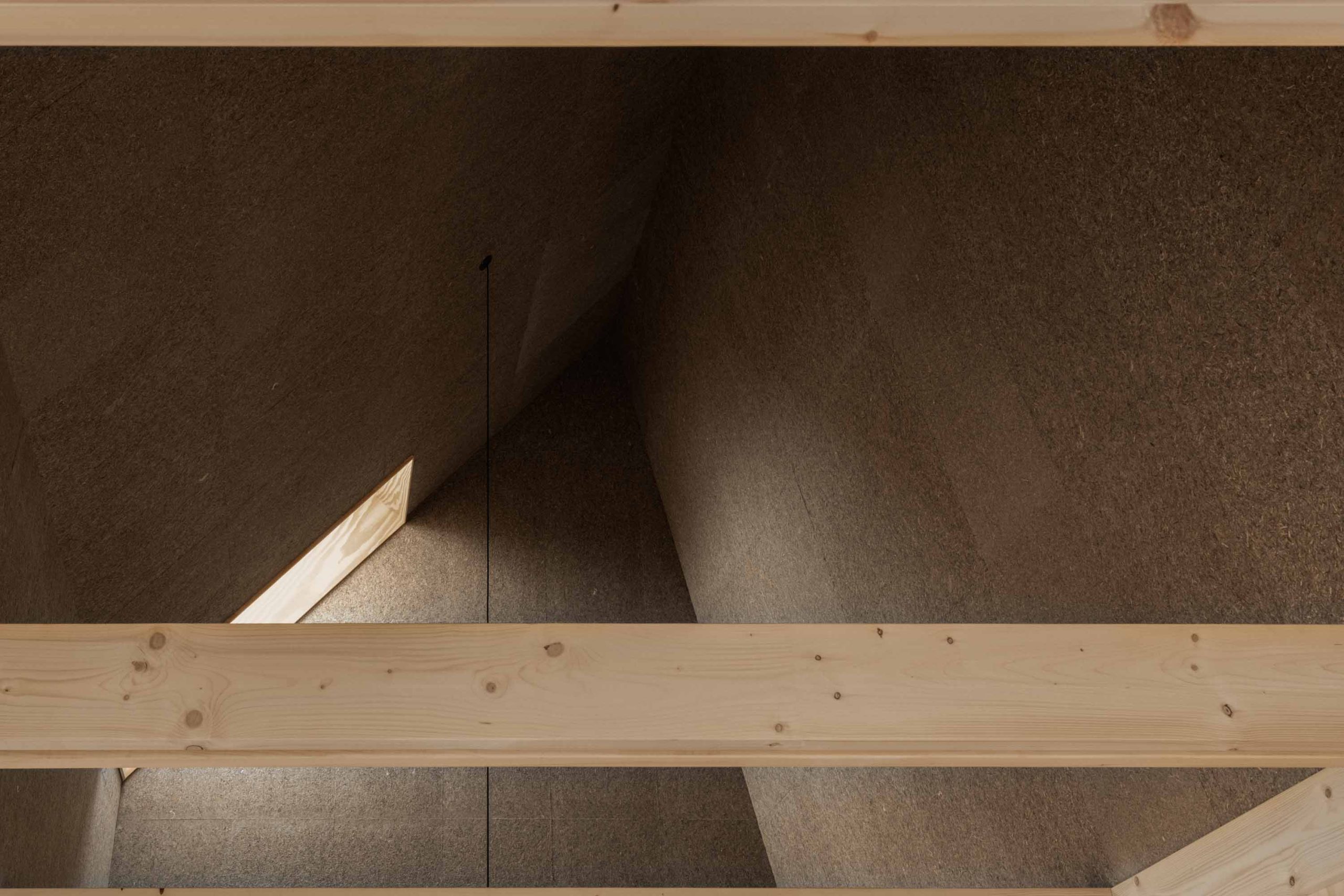
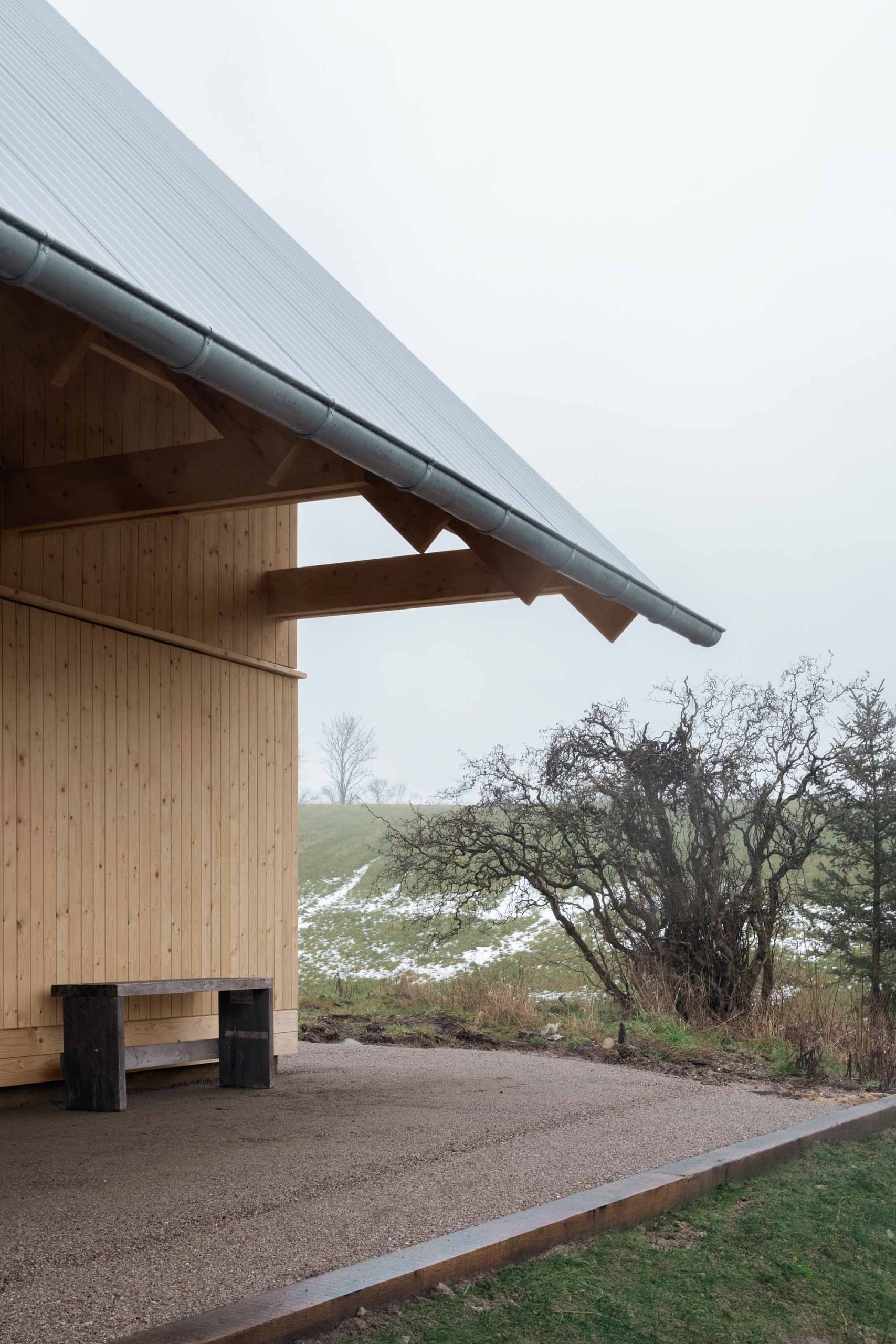
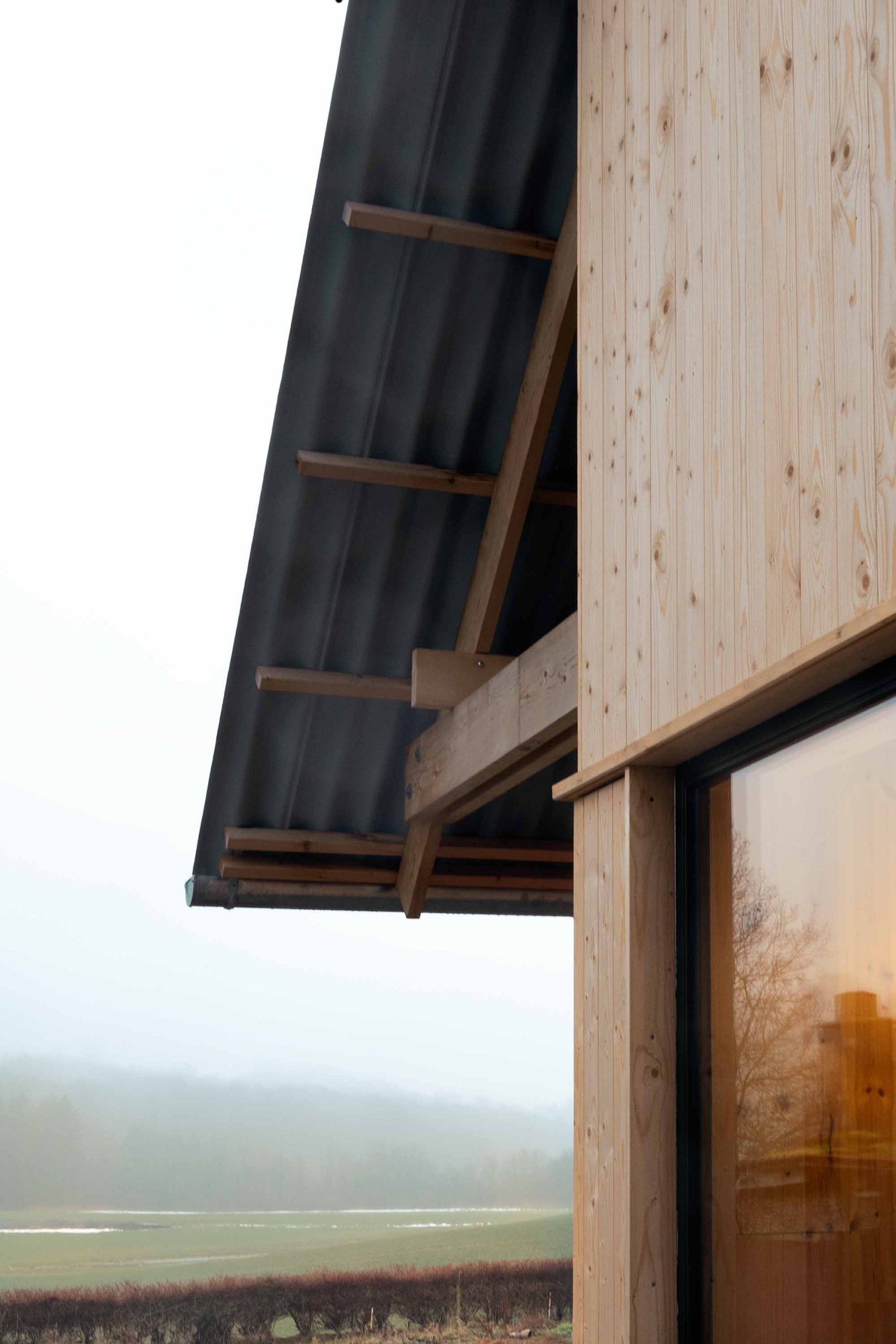
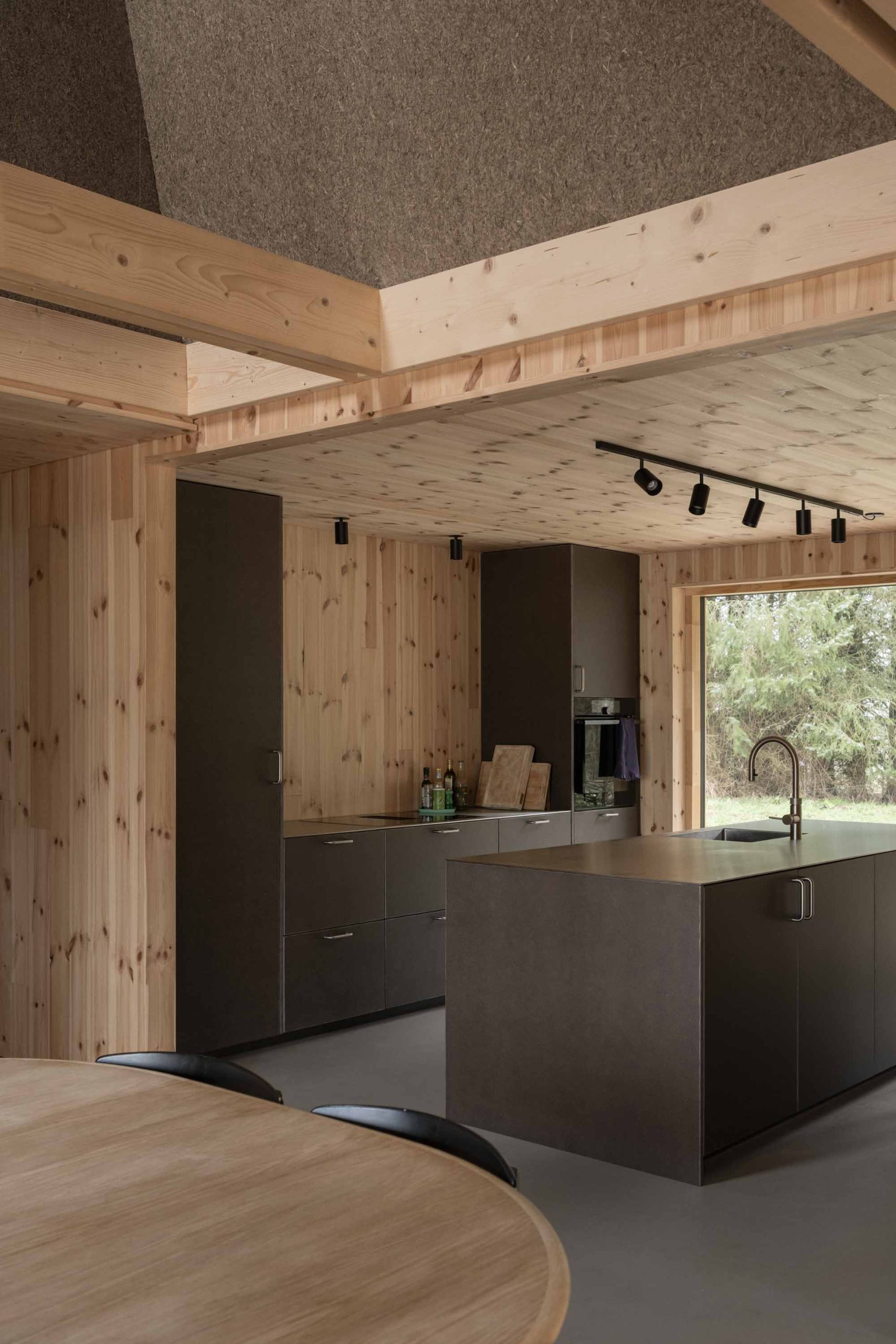
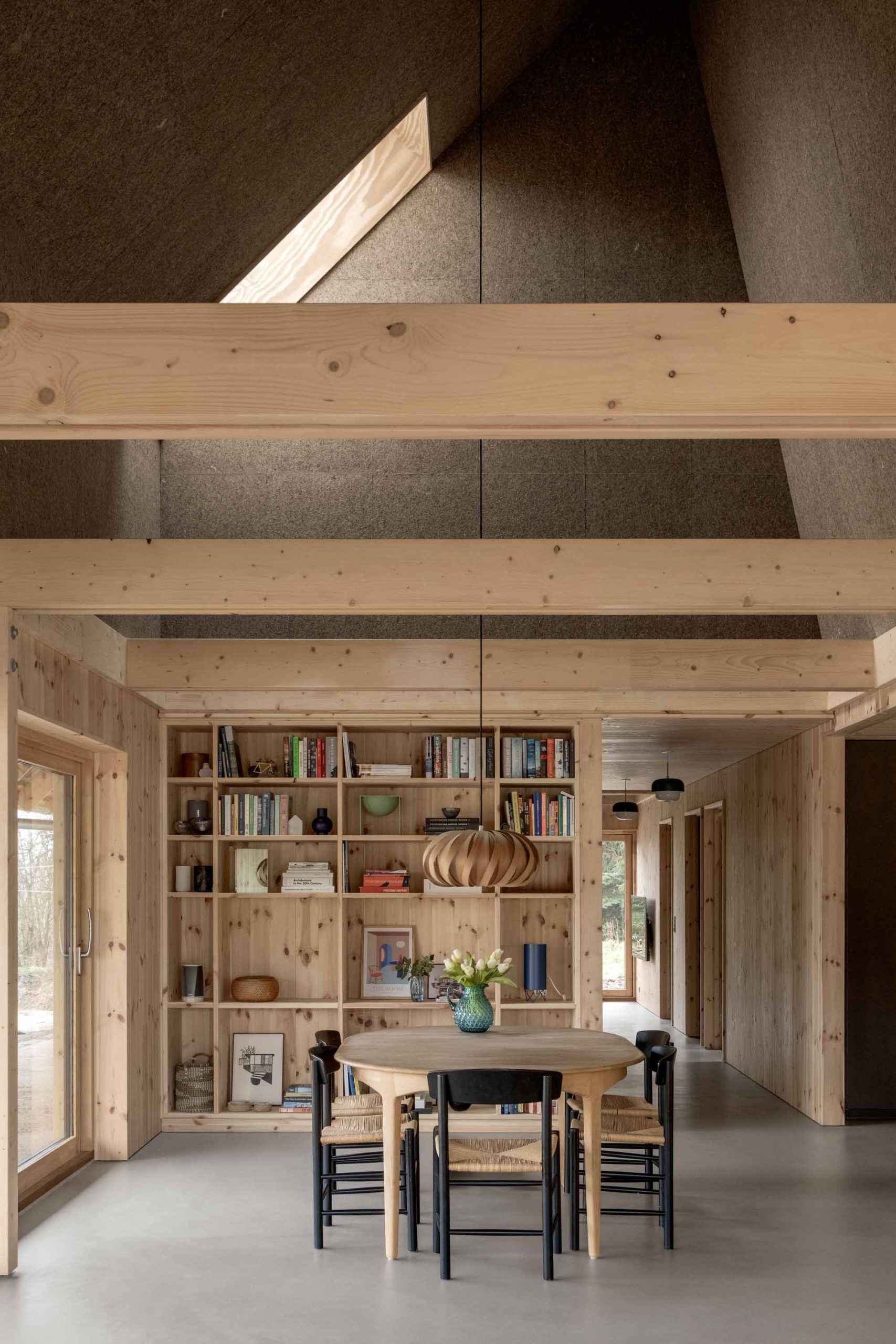
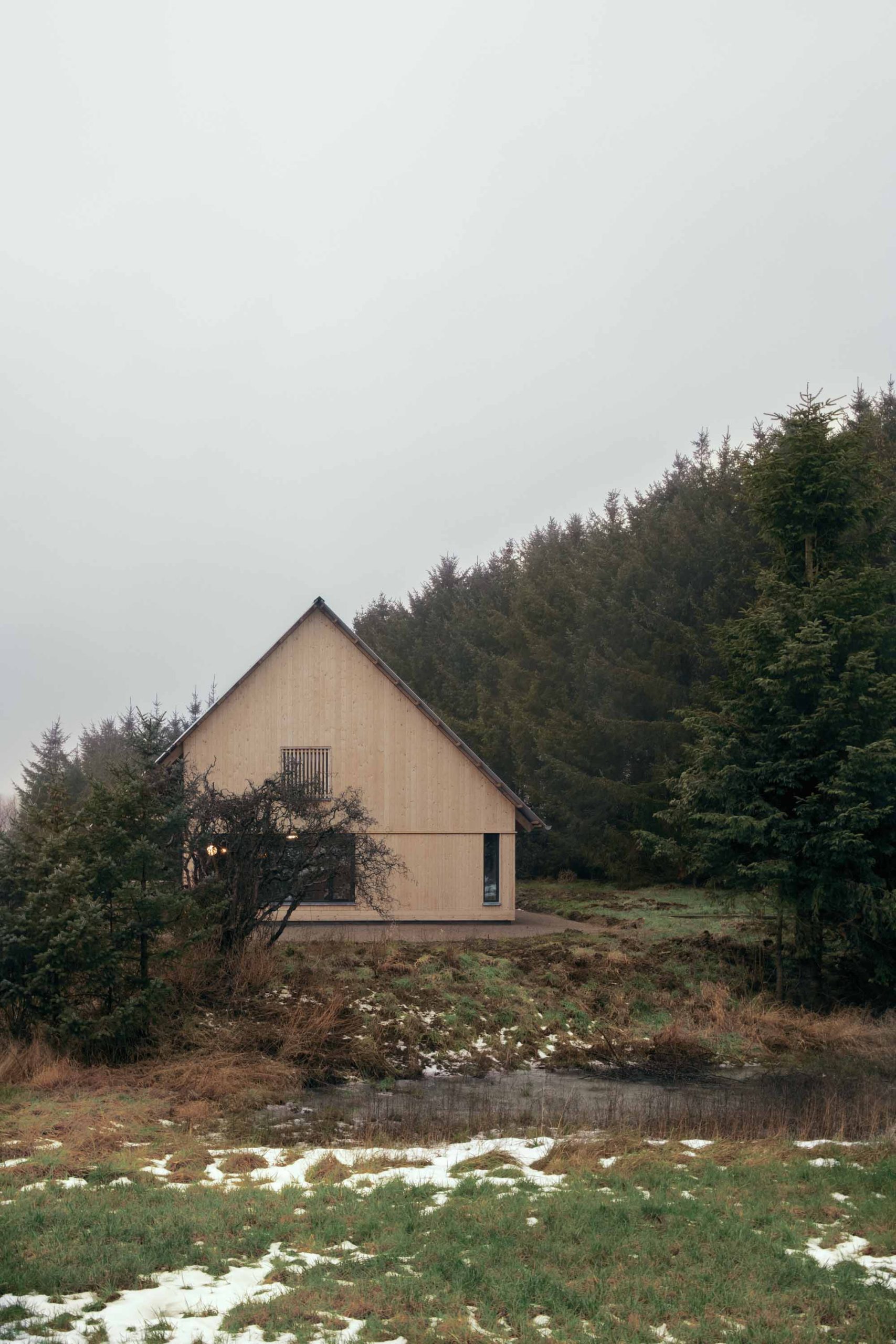
A private villa in Velje Ådal by PAX Architects features a biobased acoustic system rather than treating acoustics as a secondary addition. The ceilings are outfitted with Søuld Acoustic Boards FR, manufactured in Denmark from locally collected eelgrass.
Eelgrass is a marine plant that grows along the coastline and absorbs CO₂ during its growth. When the material is left to decompose onshore, this carbon is released. By converting eelgrass into building products, the stored carbon remains captured within the material. According to the manufacturer’s Environmental Product Declaration (EPD), the panels act as carbon-storing components.
Processing A Historic Material For Contemporary Use
Eelgrass has been used in Danish construction since the 17th century, most notably for thatched roofs on the island of Læsø. Søuld has adapted this traditional material for modern interior applications. After several years of research and development, the company established a production method that transforms washed-up eelgrass into rigid acoustic boards.
The fibrous structure of eelgrass supports sound absorption across a broad frequency range. In addition, the material contains naturally occurring mineral salts. These salts contribute to fire resistance and reduce susceptibility to mould and bacteria. The boards also support humidity regulation and thermal comfort indoors.
Unlike conventional acoustic panels based on mineral fibres or synthetic foams, the eelgrass boards rely primarily on a renewable raw material. Production takes place in Denmark in collaboration with local partners. The manufacturer states that the process uses non-toxic components and follows low-emission standards.
Integration In The Interior Architecture
In this villa, the acoustic ceiling panels influenced spatial proportions and ceiling heights during the design process. As a result, acoustic performance formed part of the architectural concept. The finished interior combines hard surfaces and minimal furnishings with a controlled sound environment.
The project demonstrates how a marine biogenic resource can be processed into a contemporary acoustic system. For architects and interior designers, it provides an example of how biobased materials can address performance criteria while contributing to broader sustainability strategies.
Source: Søuld
Photos: Tobias Ohrstrom

Comments