Biobased And Microplastic-Free Interior Wall Paint Launched By Wijzonol
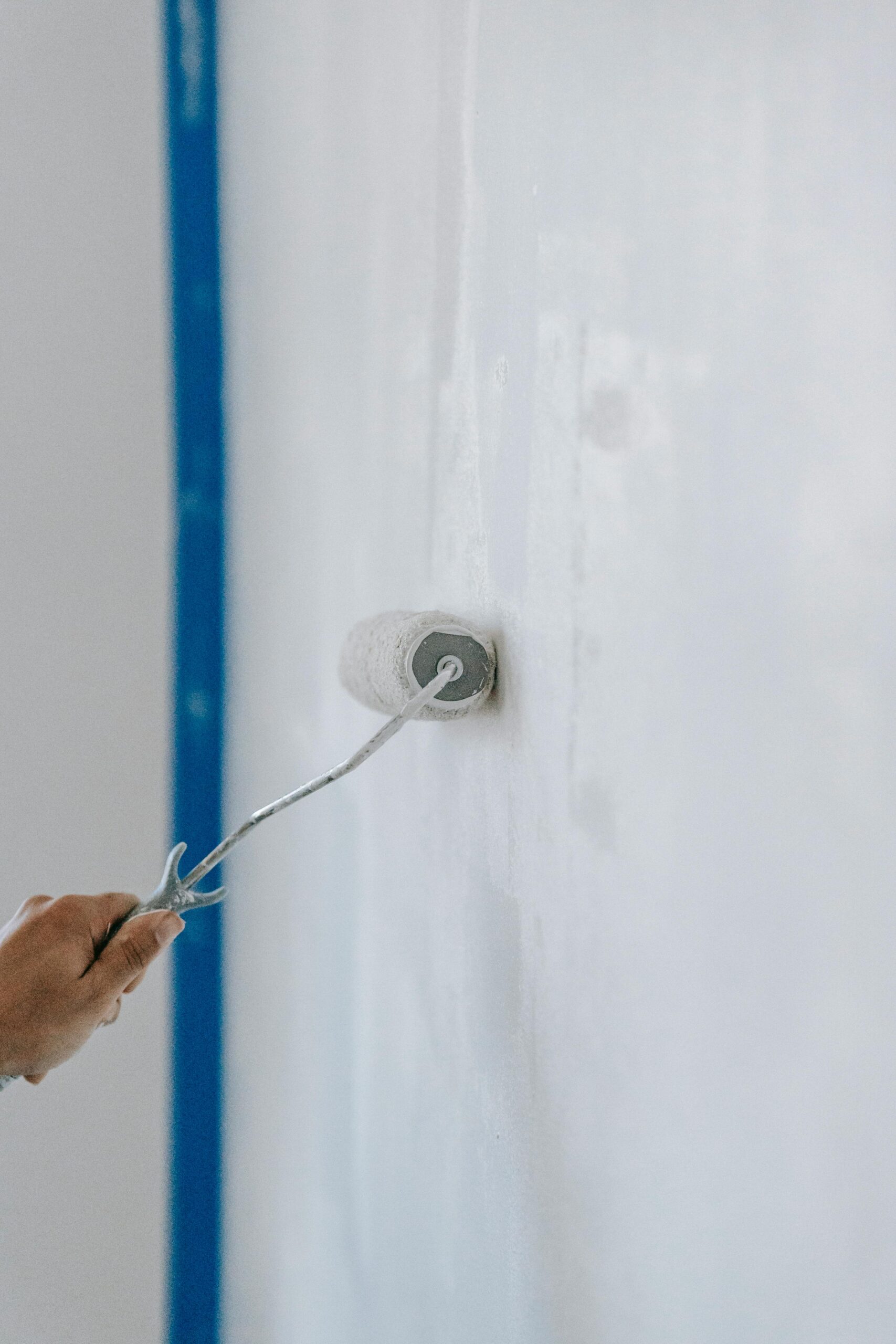
Dutch paint manufacturer Wijzonol has introduced a new generation of professional interior wall paint formulated with a significantly higher share of biobased raw materials and no intentionally added microplastics. The product, Wijzotex Zyra Mat, aims to support a more sustainable approach to interior finishing while maintaining the performance standards expected by professional painters and construction partners.
Responding To Environmental Concerns In The Built Environment
The reduction of microplastics and the increased use of renewable resources have become important topics within the construction and maintenance sectors. Microplastics—plastic particles smaller than five millimetres—can persist in ecosystems for long periods once released into the environment. They are commonly used in products such as cosmetics, coatings and paints to enhance certain functional properties.
Wijzonol’s new formulation removes primary microplastics from the paint composition while preserving the technical characteristics required for professional applications. This development also anticipates upcoming European regulations that aim to limit the use of microplastics in consumer and industrial products.
What Makes A Paint Biobased?
Biobased paints incorporate raw materials derived from renewable biological sources, such as plant oils or residual streams from the food industry. Unlike fossil-derived ingredients, these materials originate from sources that can regenerate within relatively short cycles.
According to Wijzonol, the development of biobased coatings focuses not only on improving sustainability but also on maintaining the performance properties that professionals expect, including coverage, application behaviour and durability.
High Performance With Reduced Environmental Impact
The formulation of Wijzotex Zyra Mat centres on a newly developed binder system designed to deliver strong coverage and a uniform matt finish. Professional users can expect the same workability, flow and reliability as conventional interior wall paints.
The paint contains 85% biobased content and no primary microplastics, while offering high opacity, smooth application and compatibility with a wide range of colour systems. These characteristics make it suitable for architectural and interior design projects where aesthetic quality and sustainability are both important considerations.
Source: Wijzonol
Photo: Blue Bird

Comments