Biobased Asphalt Trials Mark a Step Toward Fossil-Free Roads
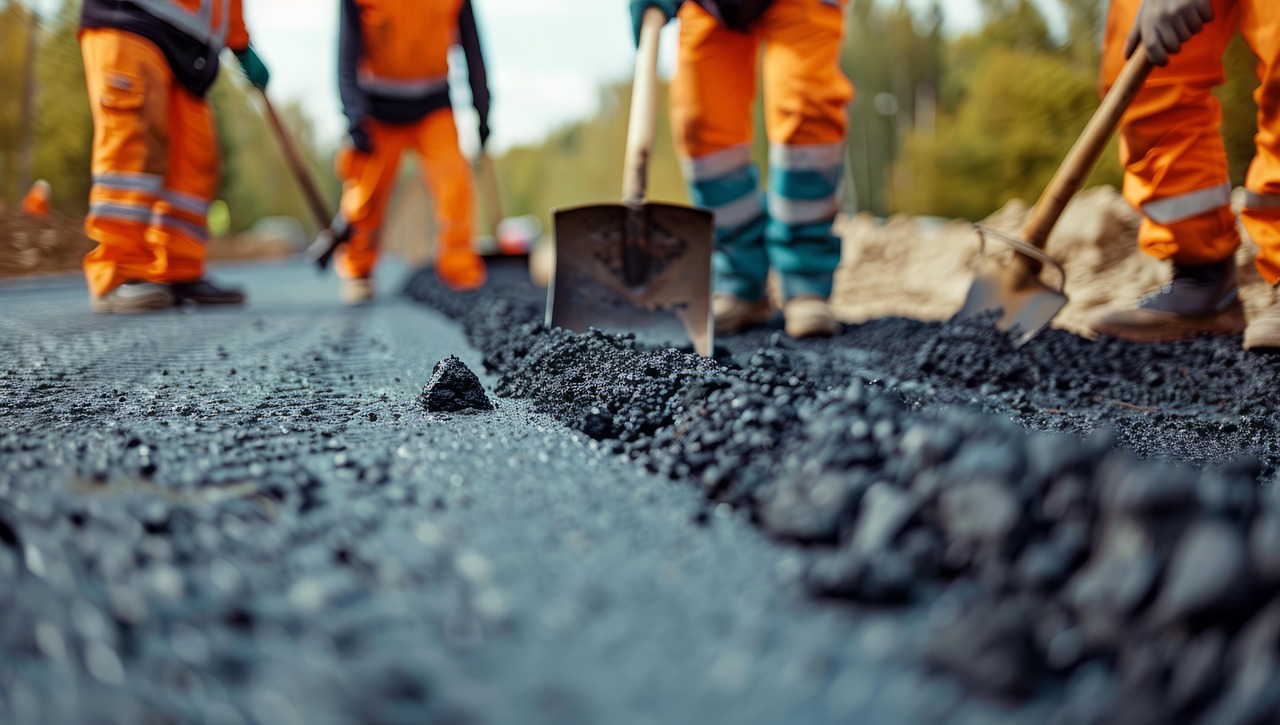
The Netherlands has taken another meaningful step toward fossil-free road construction. KWS, working for the Province of Drenthe, is now installing three trial sections of biobased asphalt on the N375 near Meppel. This project is part of CIRCUROAD, a national collaboration between Rijkswaterstaat, contractors, material suppliers and research partners. Together, they aim to make all Dutch asphalt fossil-free and fully circular by 2050.
Replacing Fossil Bitumen with Biobased Alternatives
In these new test sections, 30% of the traditional fossil bitumen has been replaced by a renewable binder. Latexfalt, ESHA and BituNed developed this binder using biobased components. As a result, the asphalt has a much lower environmental impact. Over the next five years, researchers will monitor the trial sections closely. This long-term monitoring will show how the biobased binders perform and how durable they are in everyday traffic conditions. After successful testing, the materials can move toward certification and wider use.
For architects, landscape architects and urban planners, this shift is important. Roads and public spaces form the backbone of our built environment. Therefore, the use of circular and renewable materials in infrastructure directly supports climate goals and low-carbon design strategies.
Building Confidence Through Real-World Validation
The trials support the broader CIRCUROAD validation programme. This programme tests new binders in real situations to evaluate quality, performance and lifespan. Because the tests run under actual traffic loads, they provide reliable data. This approach helps road authorities make informed choices and gives them confidence to adopt biobased materials on a large scale.
This validation process matters for design professionals as well. When sustainable materials meet technical requirements, they become realistic options for integrated mobility networks, climate-adaptive urban areas and large-scale public-realm projects. As a result, designers gain more freedom to specify low-carbon solutions without compromising reliability.
A Path Toward Circular Infrastructure
The Dutch infrastructure sector is moving steadily toward a fully fossil-free and circular system. Biobased asphalt is now proving that renewable materials can replace fossil resources in even the most demanding applications. Moreover, the project shows how innovation in infrastructure materials can support broader sustainability ambitions across the built environment.
Bart van Dekken, Deputy of the Province of Drenthe, notes that technical expertise plays a crucial role in shaping a resilient, future-proof living environment. The progress on the N375 illustrates how engineering, design and material innovation come together to reduce environmental impact.
Source: KWS / Duurzaam Ondernemen
Photo: TungArt7

Comments