Biodegradable Mulching Film Protects Crops Without Plastics or Pesticides
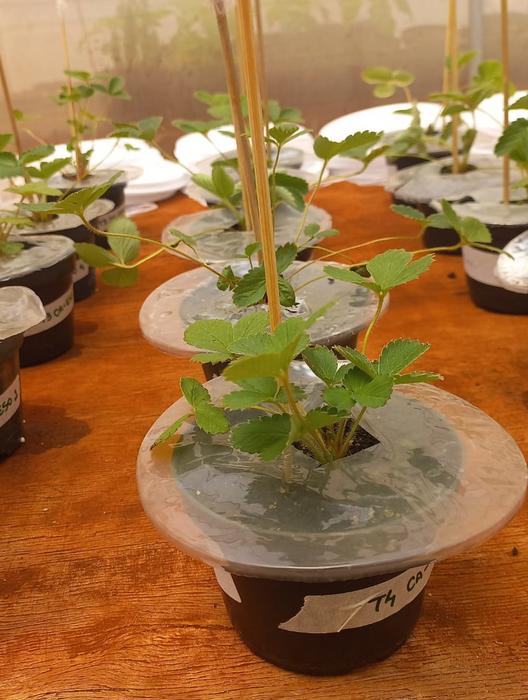
Researchers have developed a new biodegradable mulching film that can protect crops without using plastics or chemical pesticides. The study, published in ACS Agricultural Science & Technology, introduces a plant-based film that contains natural insect-repelling citronella oil. The material is especially relevant for landscape architects, product designers and packaging designers who explore sustainable and circular materials.
Mulching films help keep soil moist, control temperature and limit weed growth. Most films, however, are made from polyethylene. This plastic is hard to recycle and breaks down into microplastics that stay in the soil. These particles disturb soil life and contribute to long-term pollution. The new research shows that biobased materials can offer a safer alternative with a lower environmental impact.
Citronella-Infused Biopolymer Innovation
The team created the film from cellulose acetate, a polymer made from plant sources that can biodegrade under the right conditions. They added citronella oil to give the film natural insect-repelling properties. Tests showed that the oil did not weaken the material. The film stayed strong and flexible enough for use in the field.
To check how well the film protects crops, the researchers tested it on strawberry plants exposed to silverleaf whiteflies (Bemisia tabaci). After one week, plants covered with the citronella film had only about six whitefly eggs. Plants covered with polyethylene film, or with no cover at all, had more than 30 eggs. The biobased film did not hold soil moisture as well as plastic, but its natural insect control offered a clear benefit.
Relevance for Designers and Material Innovators
This research highlights new opportunities for designers working with sustainable materials. The film shows how plant-based polymers can gain extra functions through natural additives. Designers can draw inspiration from this approach when exploring biodegradable coverings, horticultural products or packaging that benefits from natural repellence or aroma. The work also supports wider interest in circular materials that reduce waste and improve environmental performance.
Towards More Sustainable Crop Protection
The team behind the study aims to support safer and more responsible farming practices. By replacing plastic films and reducing pesticide use, the new material offers a pathway toward cleaner and more climate-friendly agriculture. For designers, it provides a strong example of how biobased materials can deliver practical benefits while supporting environmental goals.
Source: American Chemical Society, via EurekAlert!
Photo: Camila Gil

Comments