Biopainting: Turning Textile Waste Into A Natural Colour Palette
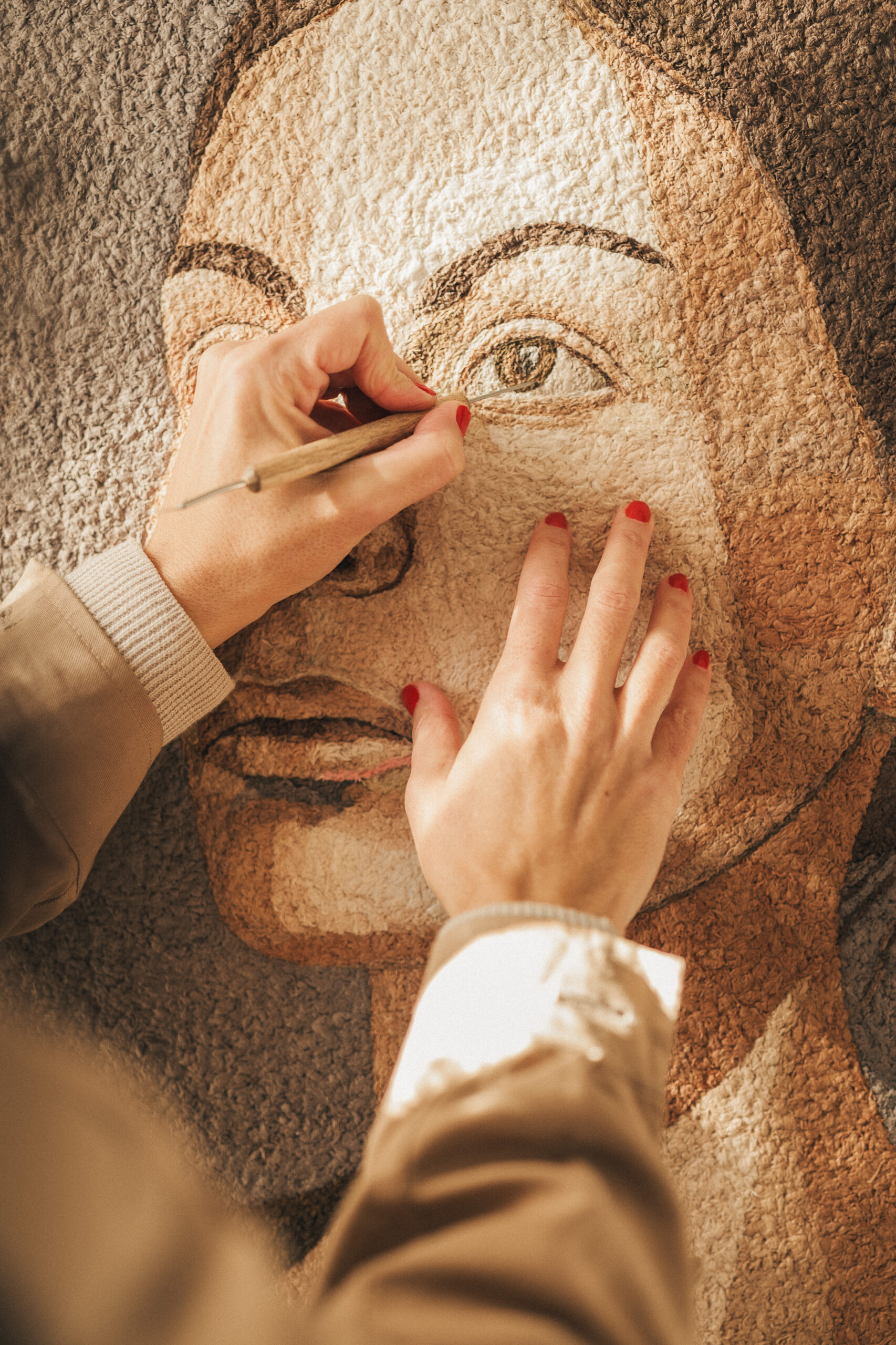
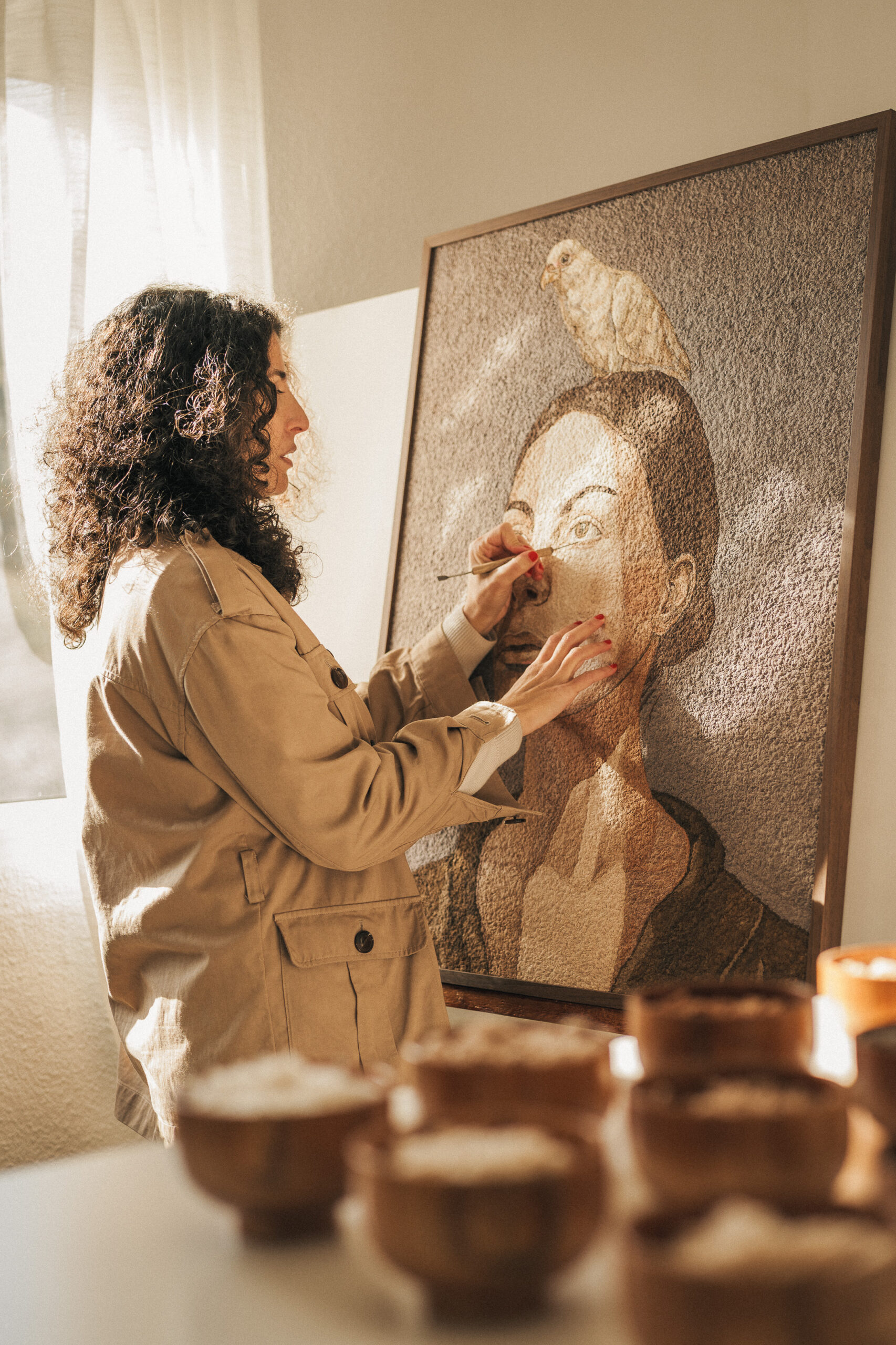
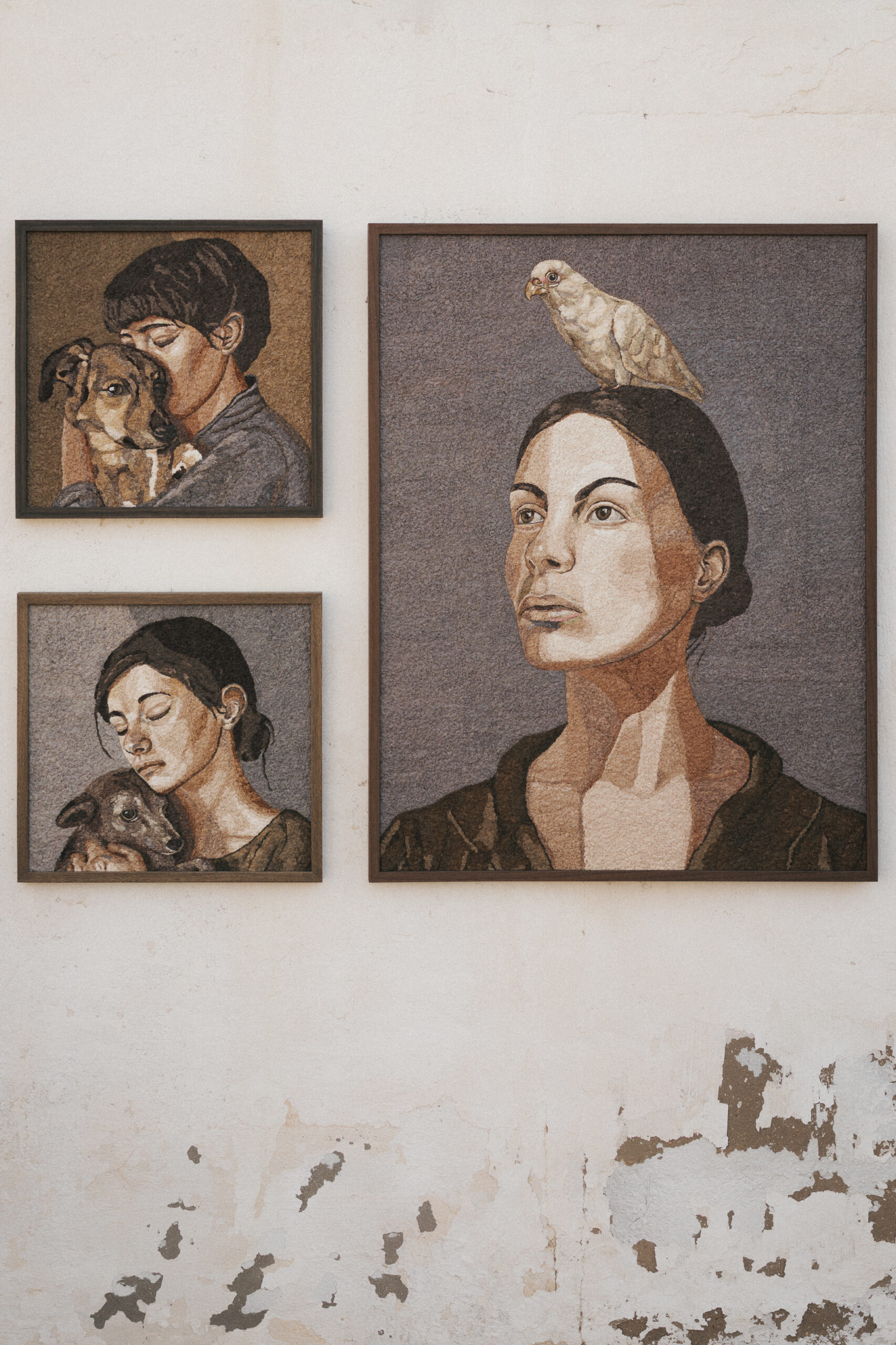

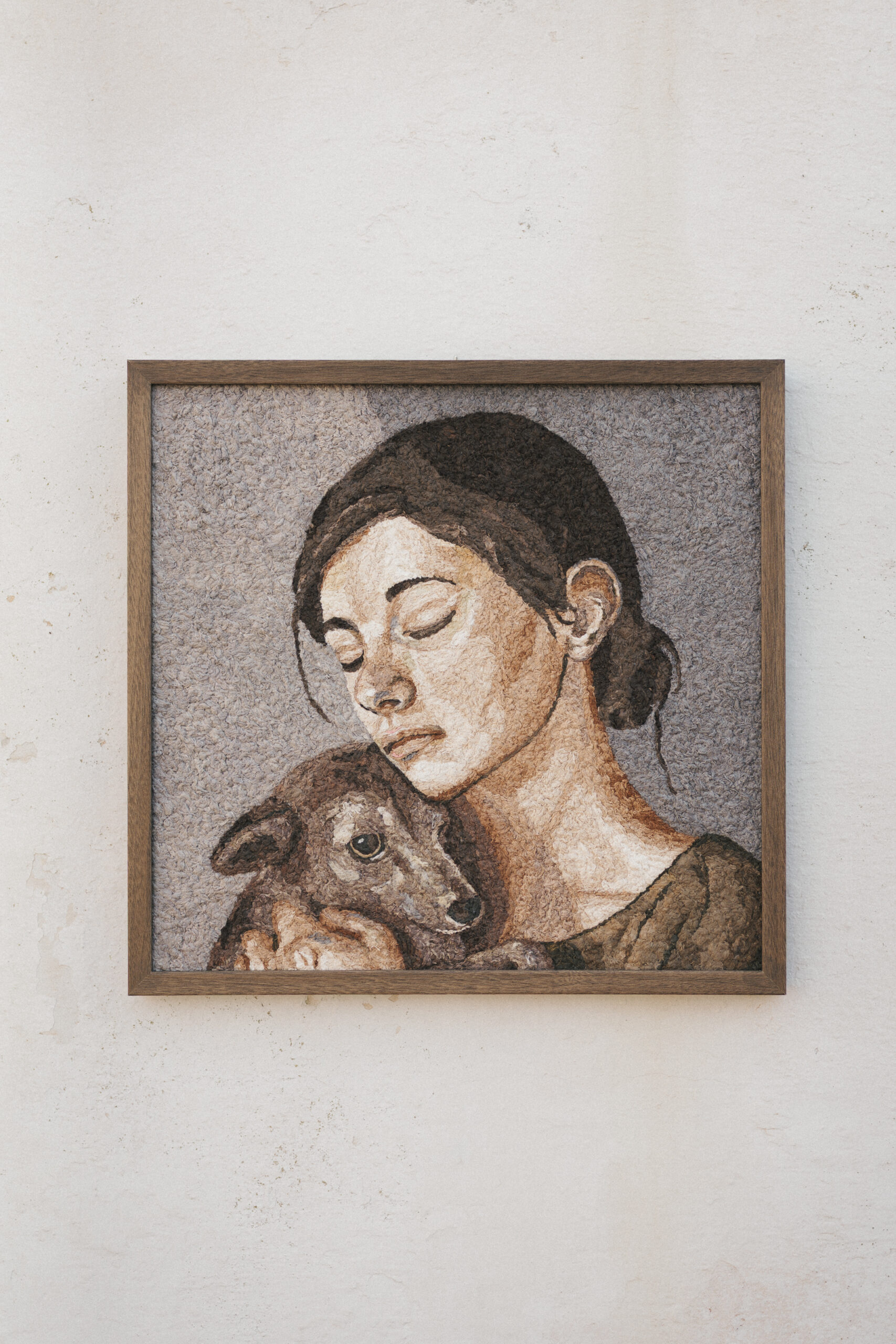
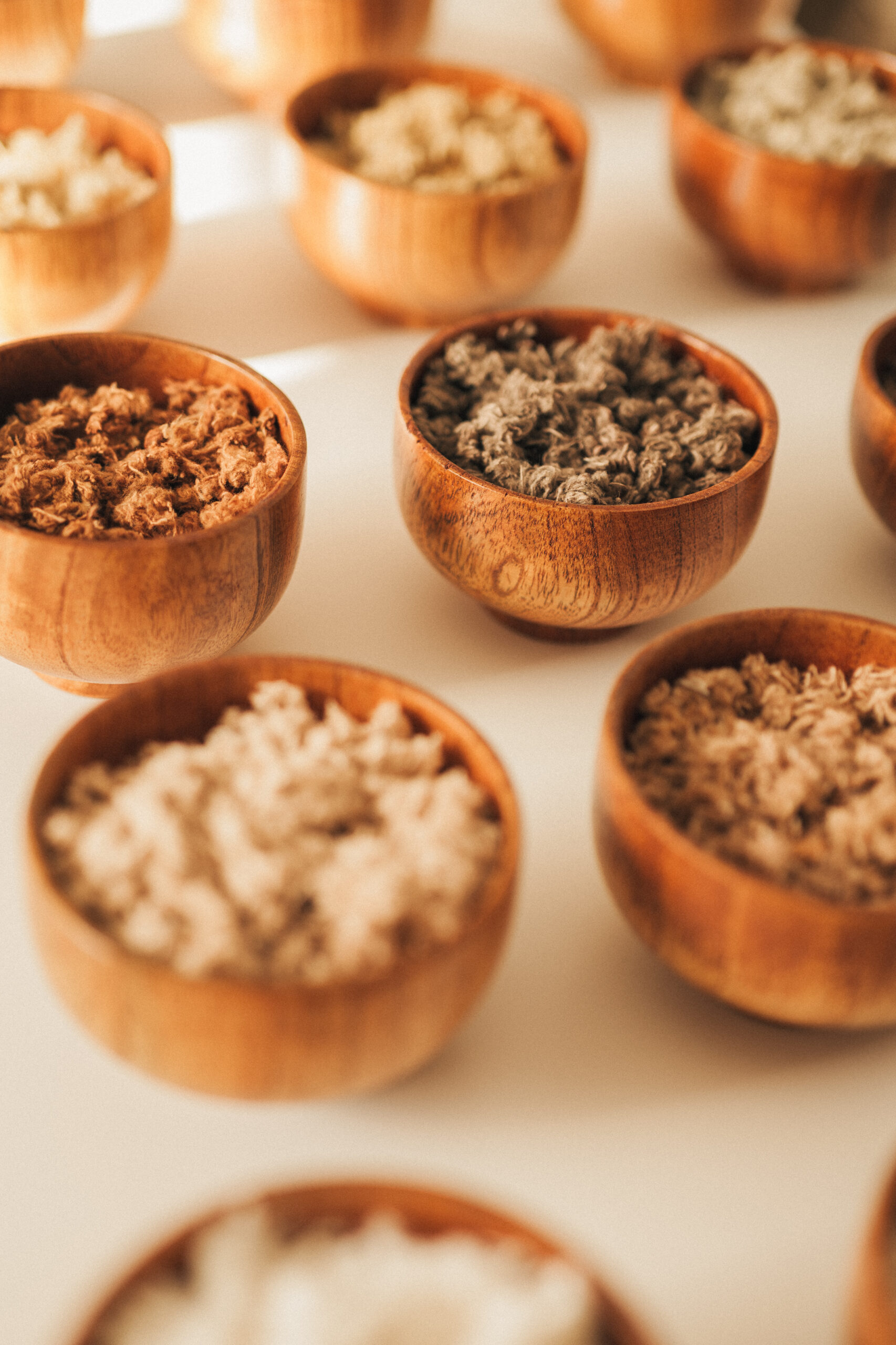
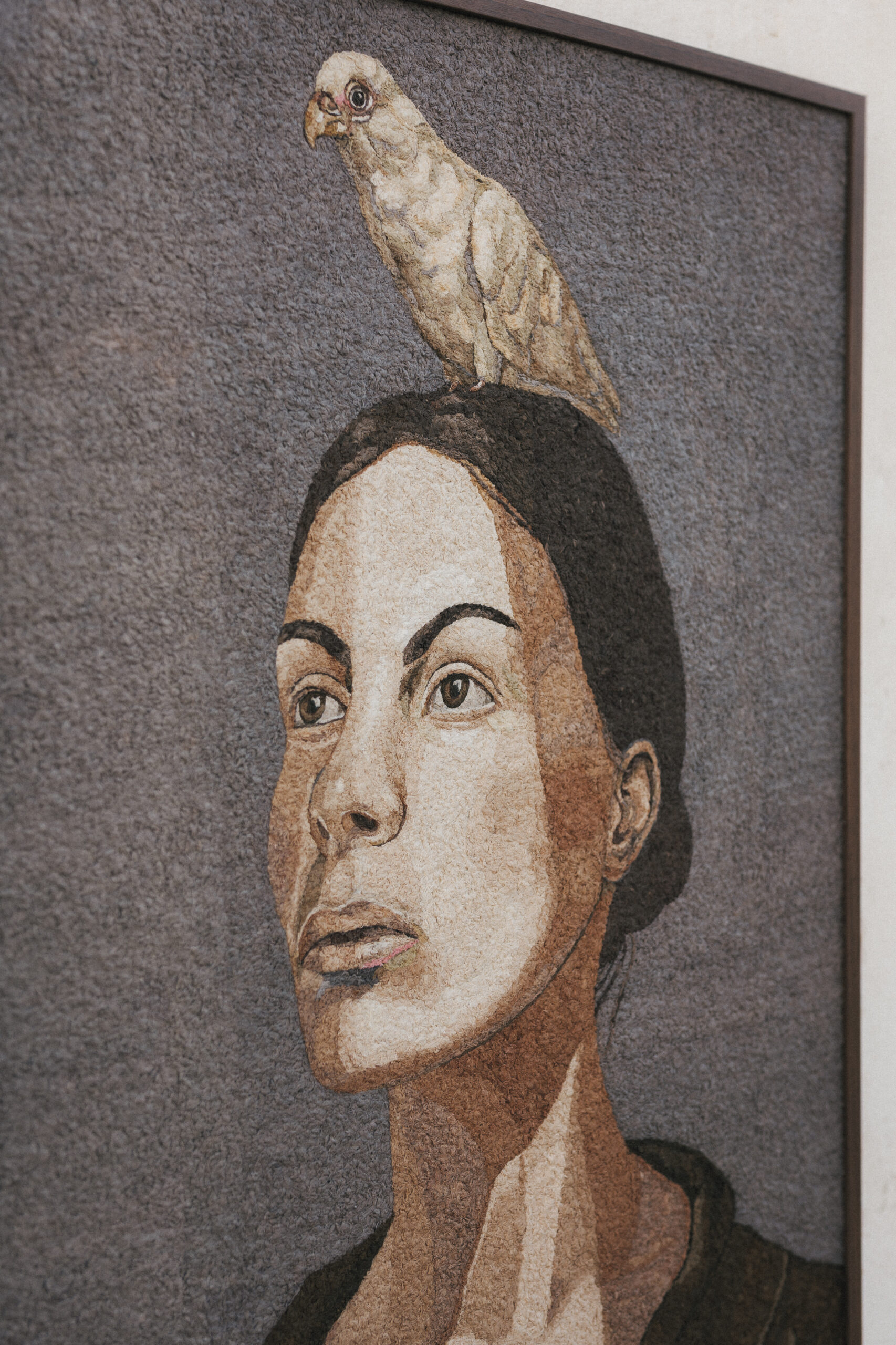
Spanish artist Cynthia Nudel has developed Biopainting, a material-based technique that replaces conventional paint with textile waste and natural pigments. Her work explores how discarded materials can become expressive artworks. At the same time, it questions the environmental impact of the textile and pigment industries.
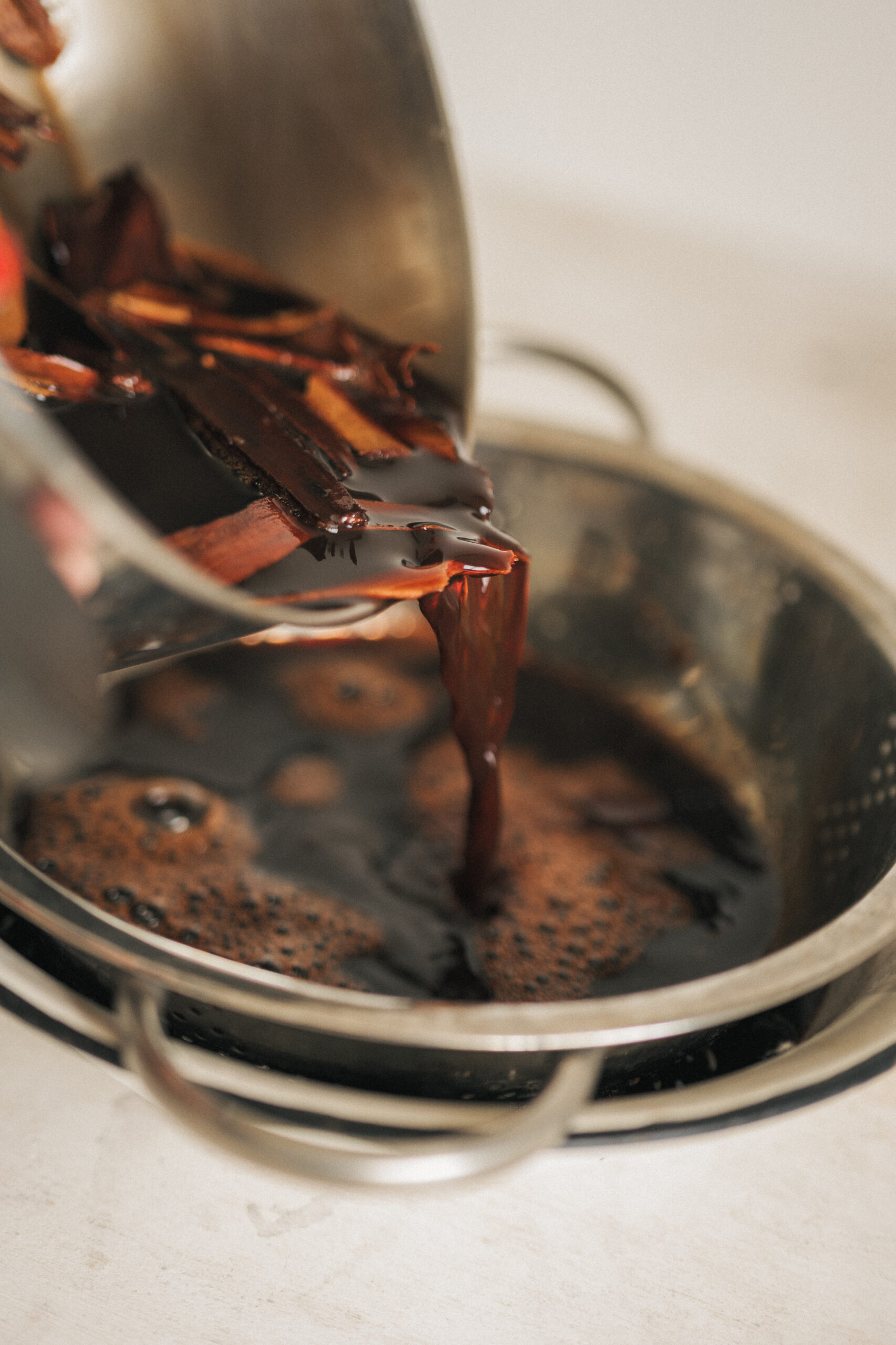
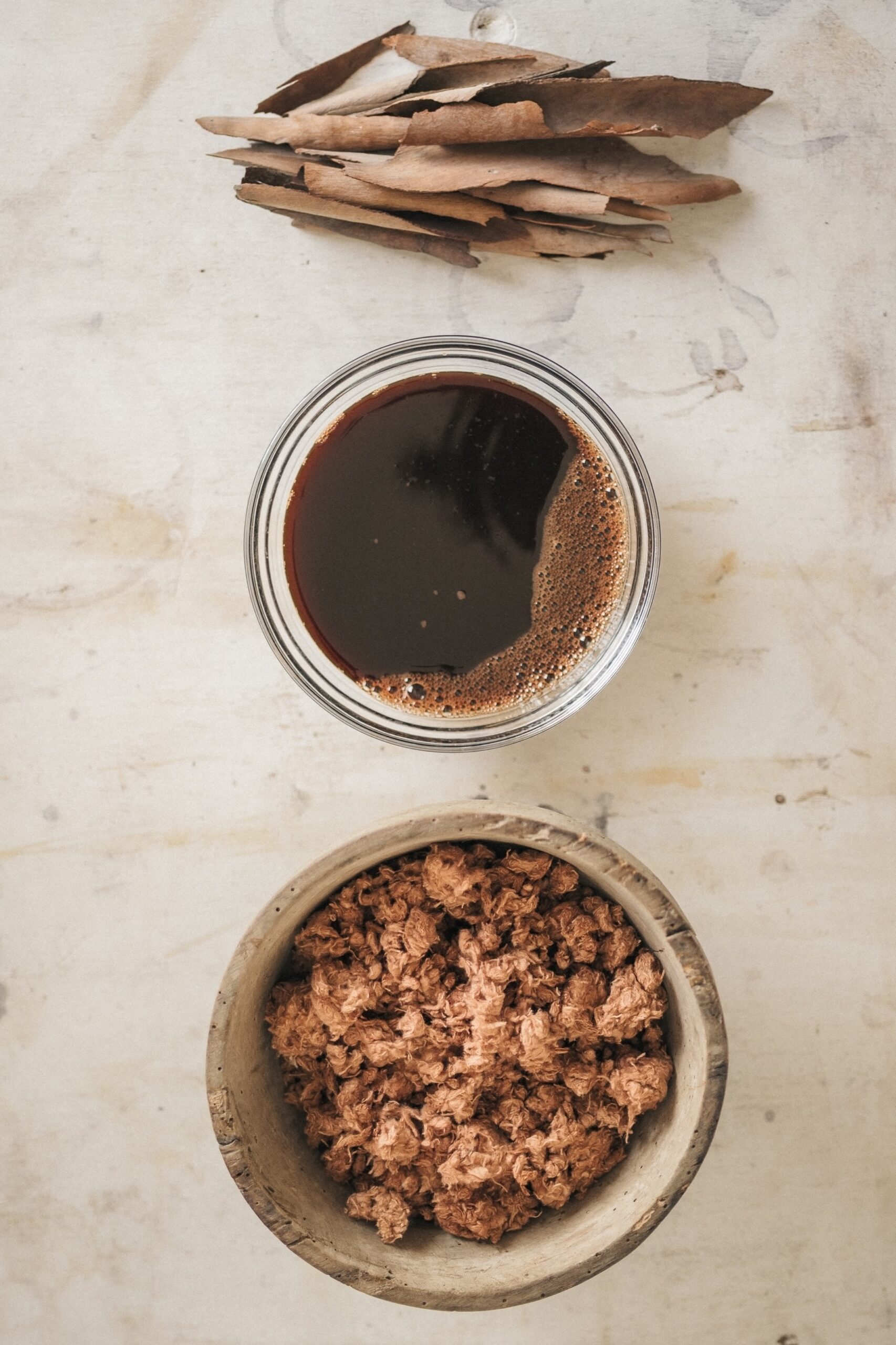
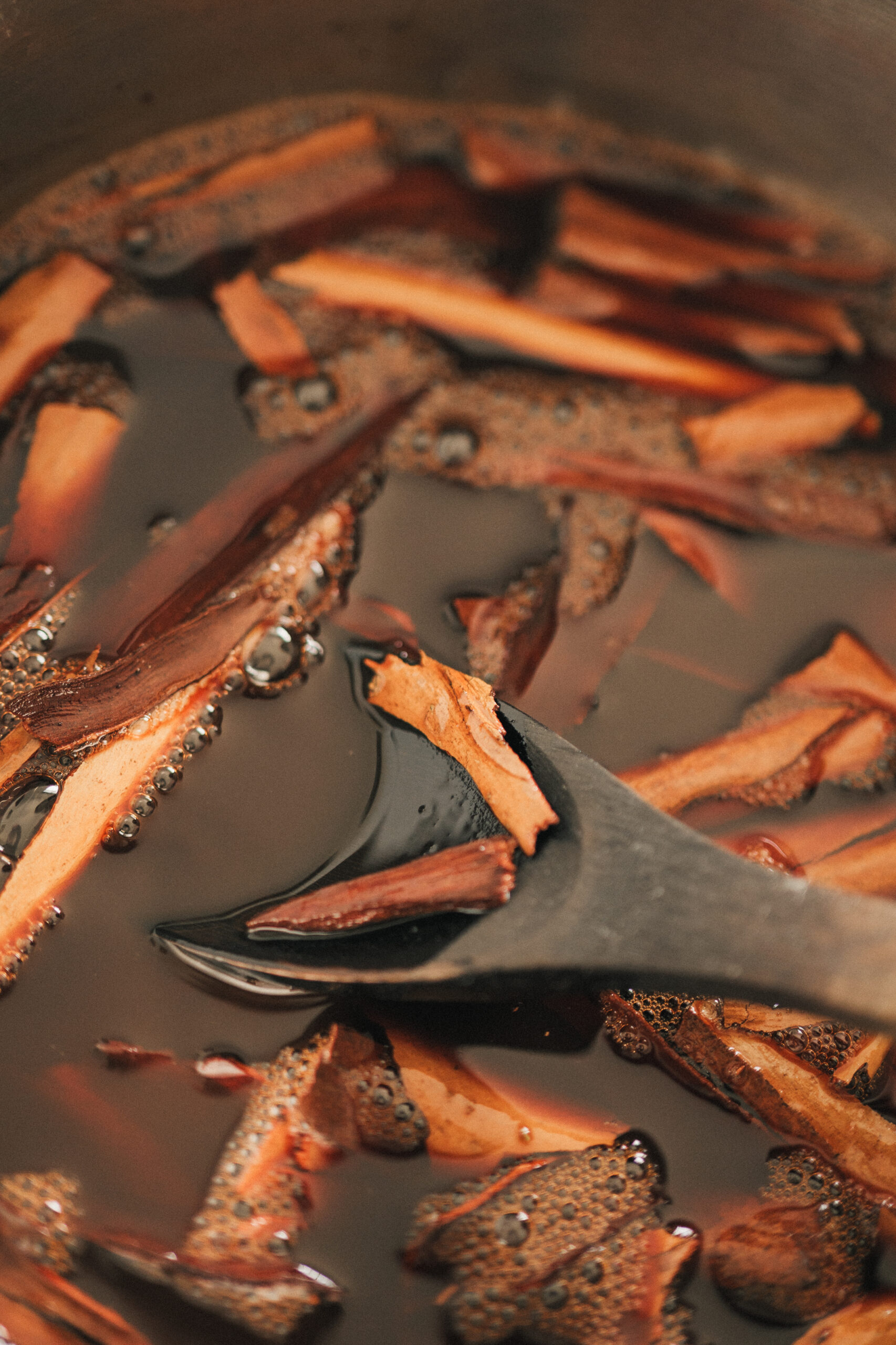
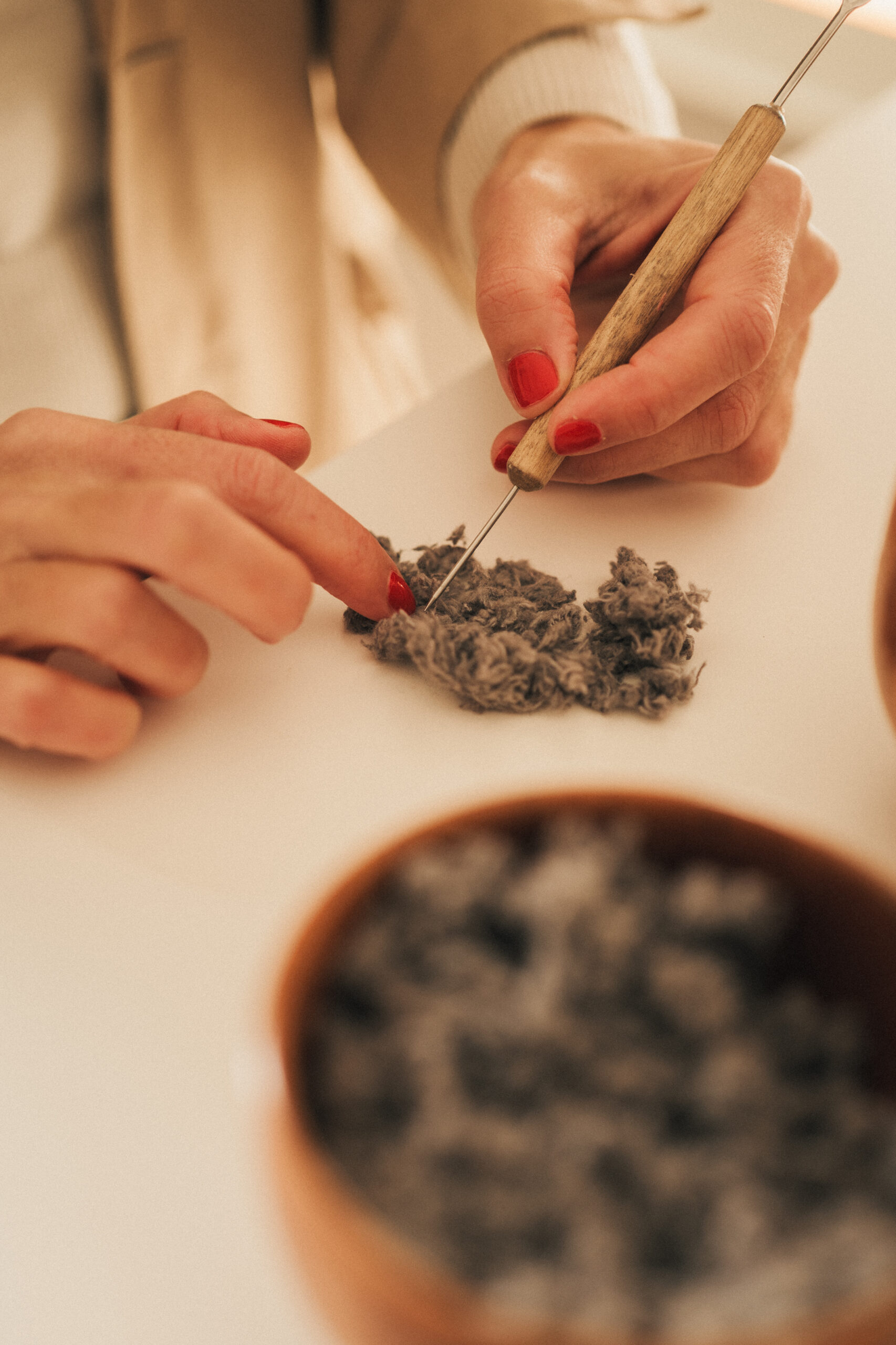
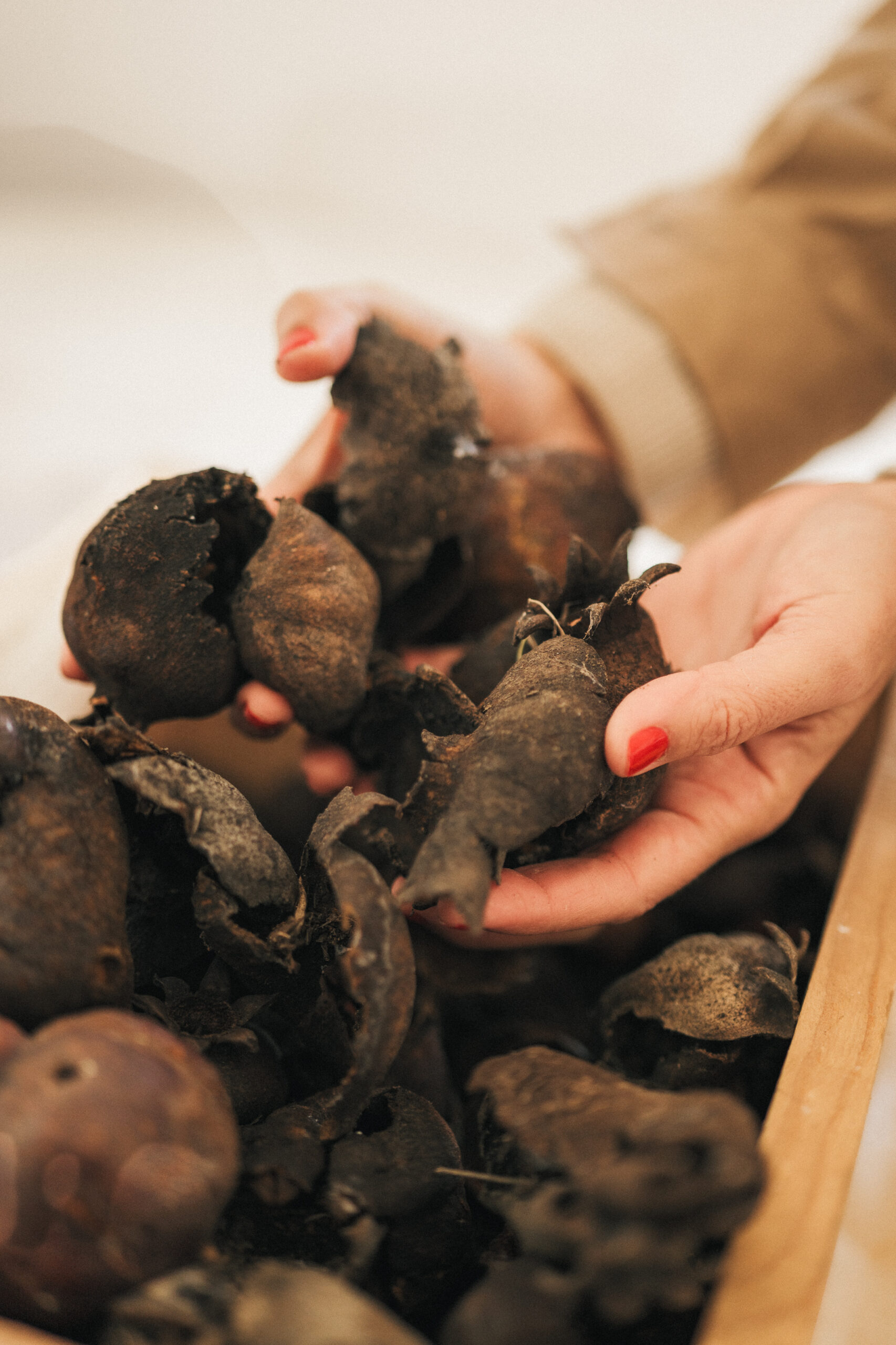
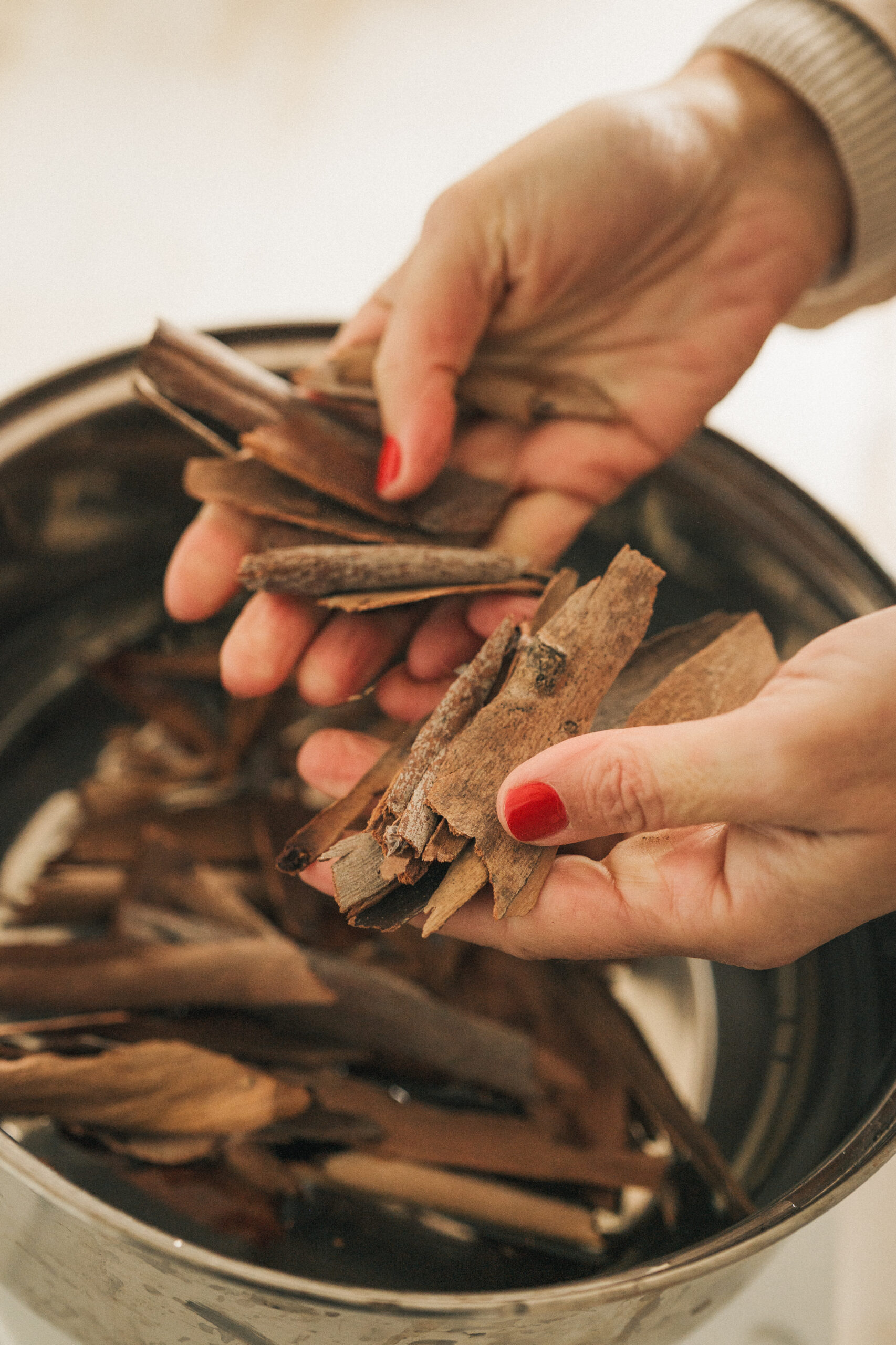
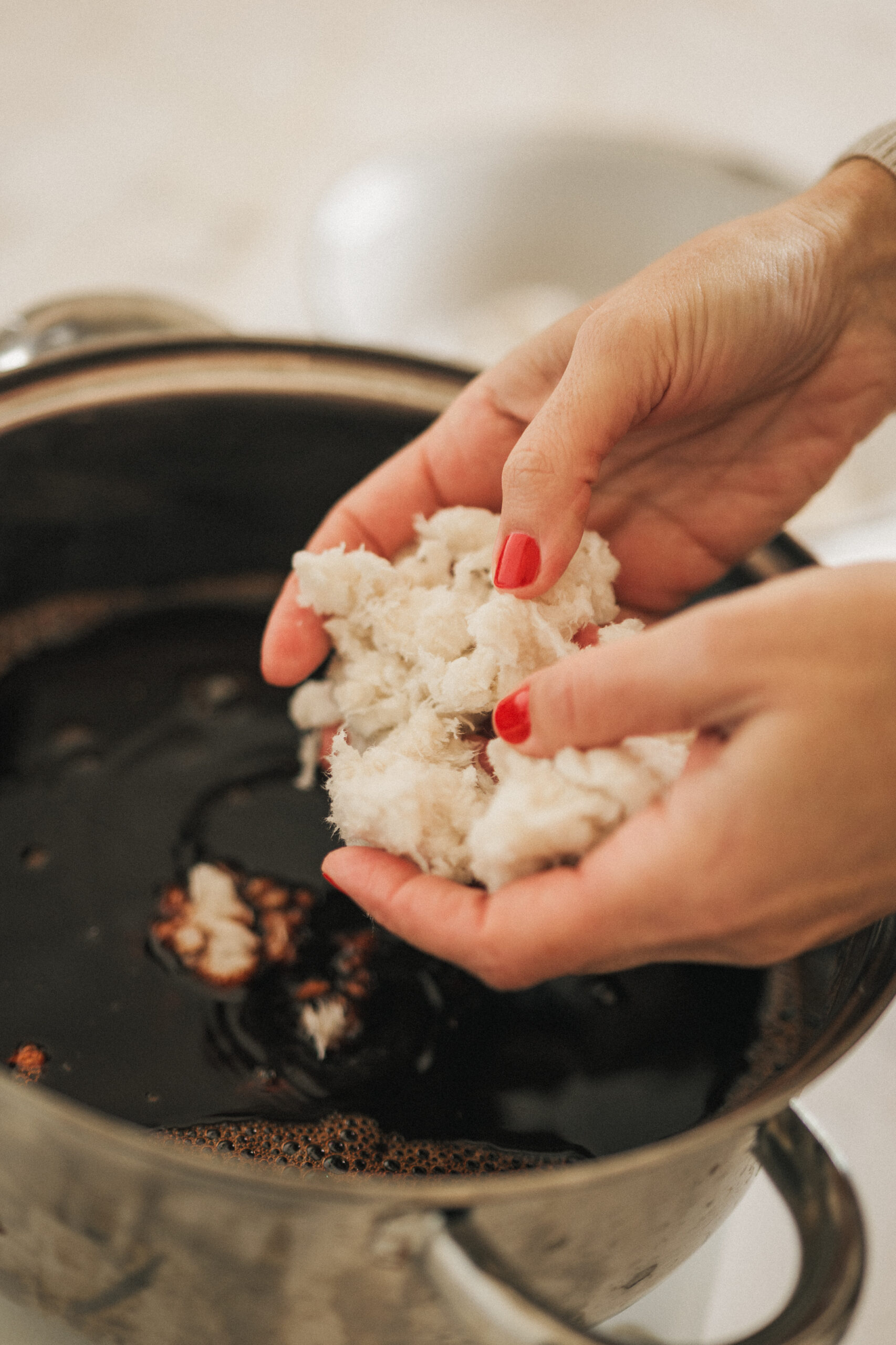
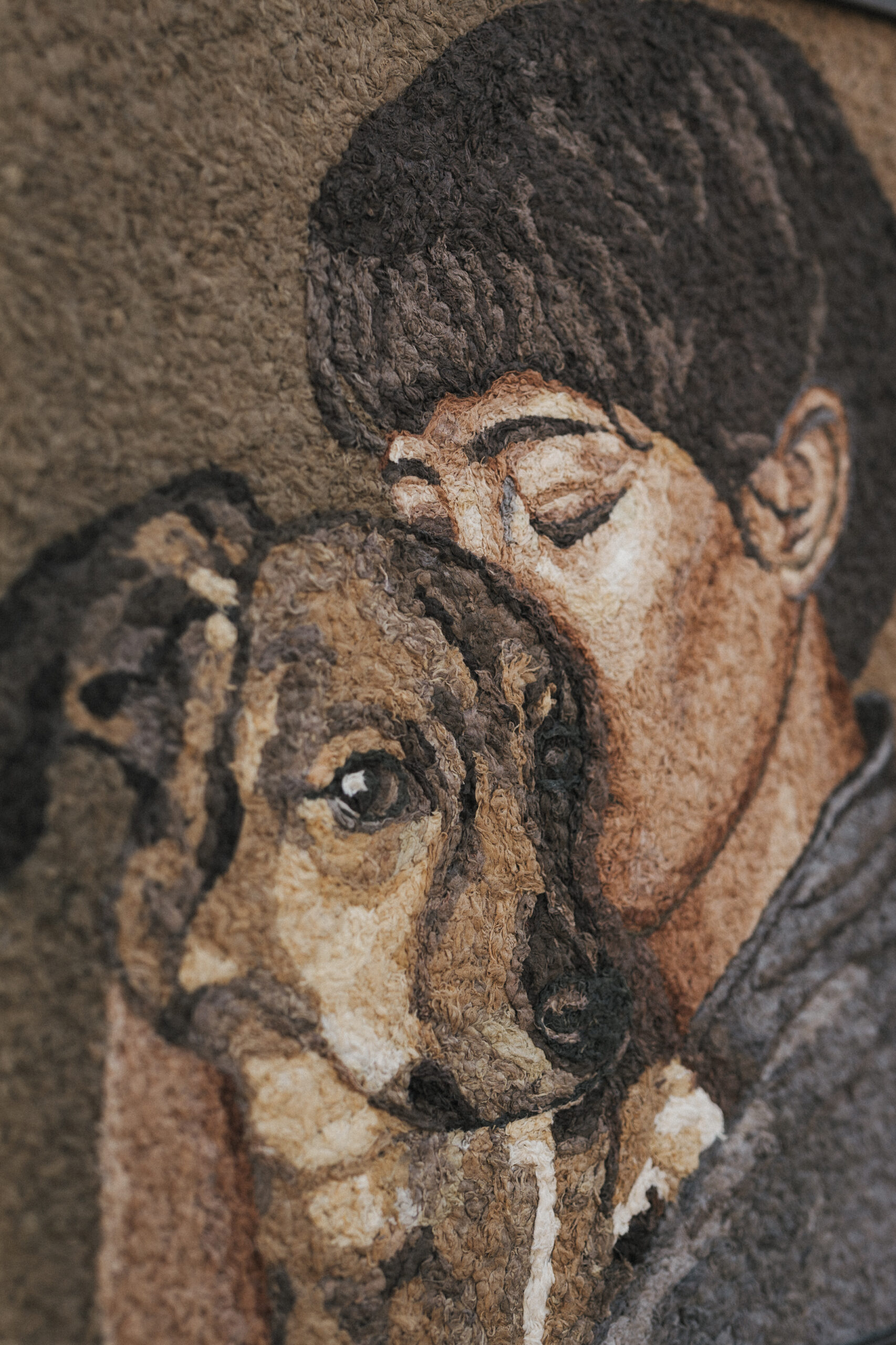
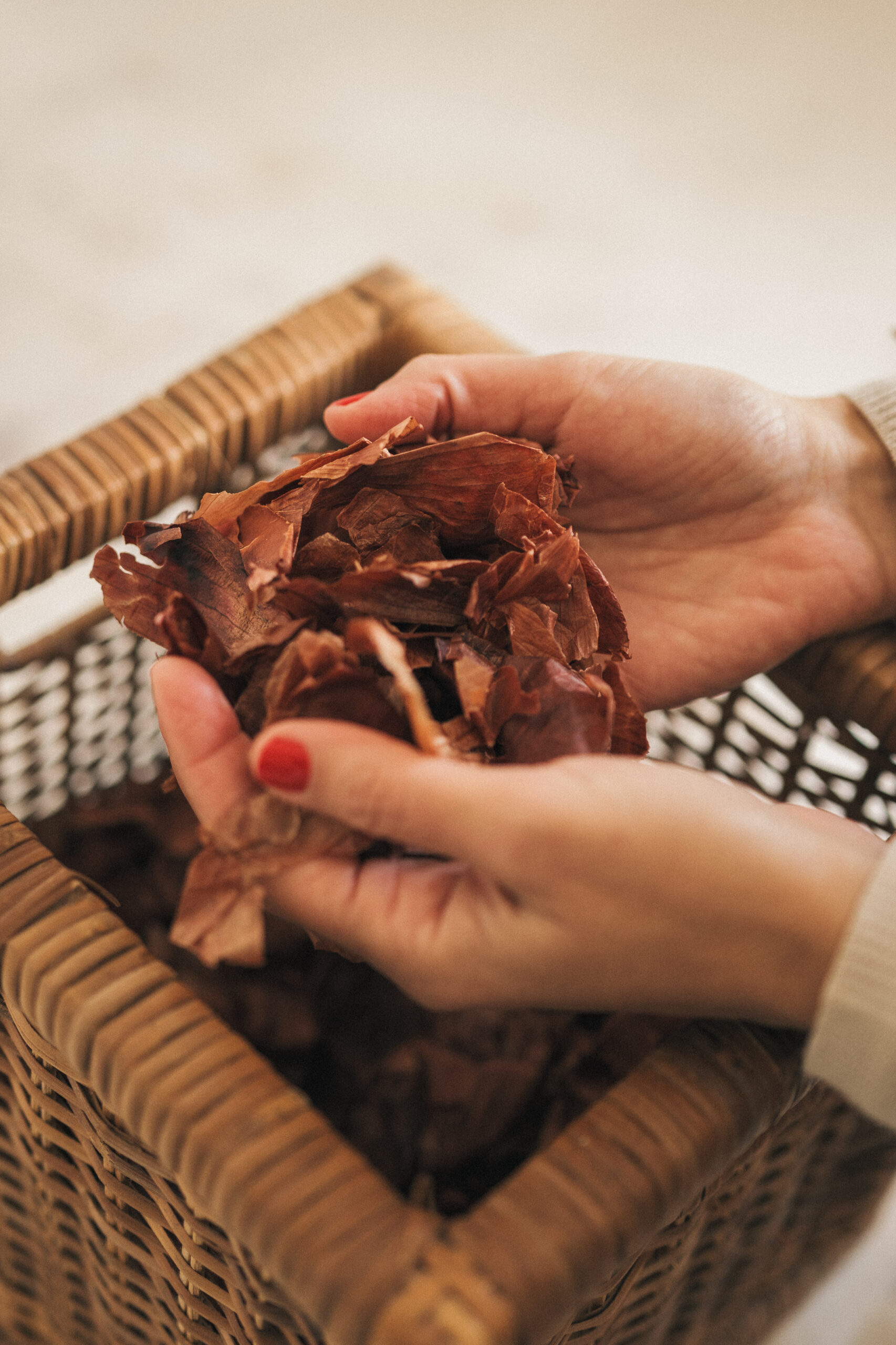
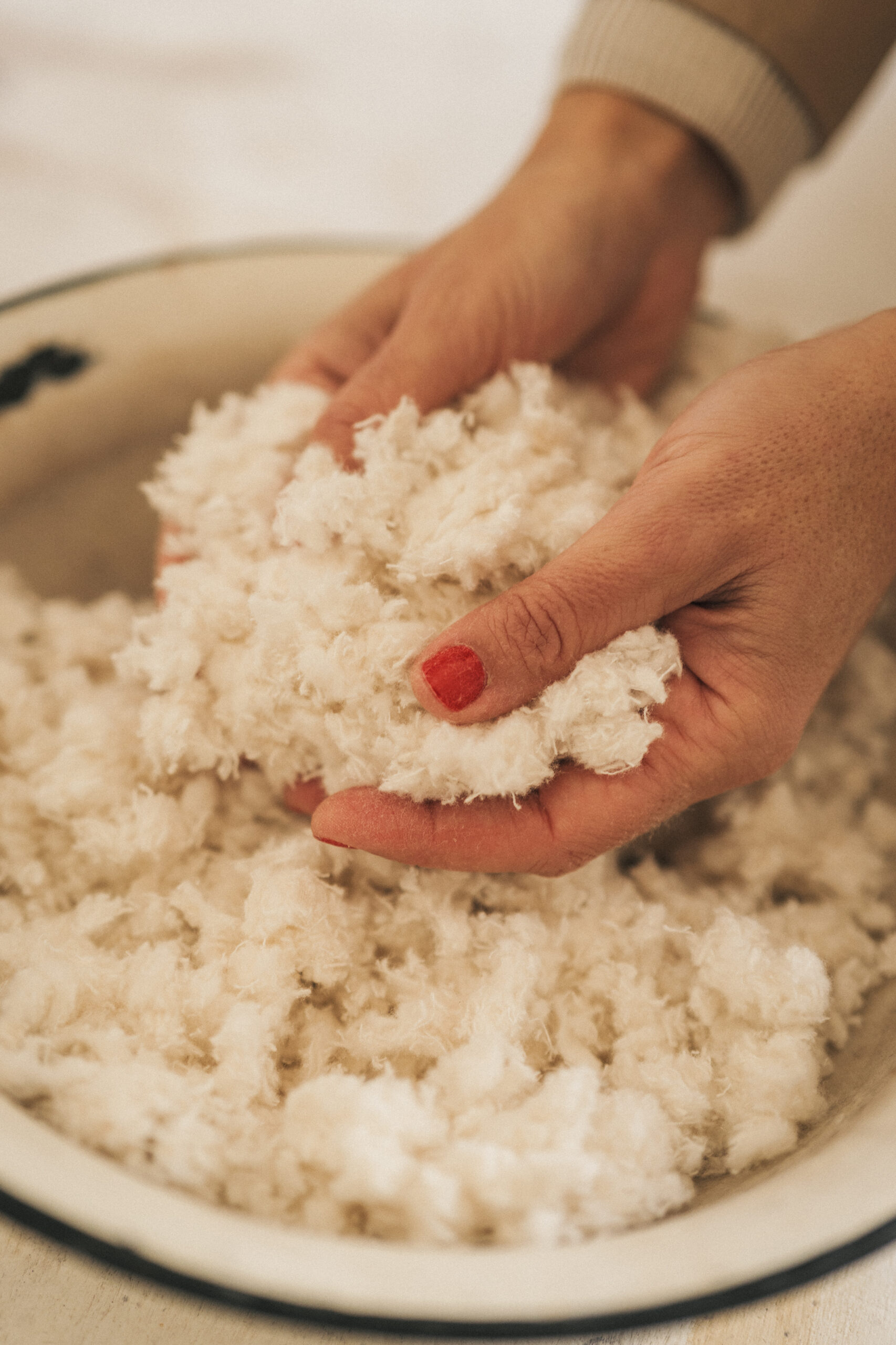
Instead of using acrylics or oils, Nudel works with leftover textiles. She dyes these fabrics using colour extracted from organic waste streams. Onion skins, pomegranate peels and eucalyptus bark form the basis of her palette. She then cuts the dyed textiles into small pieces and fixes them onto canvas with a natural adhesive. This process creates layered, tactile surfaces that function as both image and material statement.
A Circular Approach To Colour And Waste
Biopainting is rooted in sustainability and circular design principles. Textile waste serves as both the carrier of colour and the primary material. As a result, the process avoids industrial pigments altogether. It also gives discarded fabrics a second life.
The natural dyeing process relies on renewable, biodegradable resources. It avoids synthetic chemicals and reduces environmental impact. Rather than aiming for perfect consistency, the process embraces variation, ageing and imperfection as material qualities.
Slow Design And Material Awareness
Nudel describes Biopainting as a slow and intuitive practice. Each artwork takes time and careful experimentation. This rhythm contrasts sharply with fast production cycles in fashion and design. It also aligns with the principles of slow design, where process, material origin and emotional value play a central role.
Her ongoing series We Are All Nature reflects this philosophy. The figurative works often feature animals as symbolic mirrors of human emotions and vulnerability. Through both material choice and imagery, the series highlights the connection between humans and the natural world.
Inspiration For Designers And Material Innovators
Although Biopainting originates from an artistic context, its material logic extends beyond art. The technique offers inspiration for designers working with textiles, surfaces and colour applications. It shows how waste streams can become starting points for new material expressions.
In a design field increasingly focused on sustainability, Biopainting presents a compelling example. It demonstrates how biobased colour, circular thinking and hands-on experimentation can lead to new creative and responsible design approaches.
Source: Cynthia Nudel
Photos: Juan Campos

Comments