Circular Concrete Milestone: Basalton Columns Made with 100% Recycled Sand
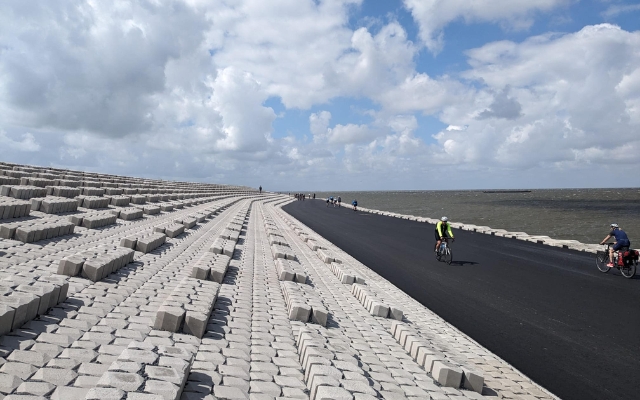
Waste-to-product company Renewi and building materials producer Holcim are introducing a new version of the Basalton concrete column. This version replaces all naturally mined sand with 100% recycled sand made from processed concrete waste. The material holds KOMO certification, which confirms it meets the standards needed for concrete production. Rijkswaterstaat and several Dutch water boards are now using these elements in dike reinforcement and flood protection projects.
Recycled Sand as a Concrete Resource
Concrete remains one of the most common building materials worldwide, and its production generates high CO₂ emissions. The Netherlands produces millions of tonnes of concrete waste each year. By turning this waste into certified raw materials for new products, the construction sector can cut the use of primary sand and gravel. It also lowers the environmental impact of infrastructure and building projects.
Architects, landscape architects and infrastructure designers gain access to lower-impact concrete options. These products offer an alternative to conventional mixes and support long-term resource efficiency.
Industrial-Scale Recycling in Practice
Renewi and Holcim show that large-scale use of recycled sand in concrete is possible. Renewi processes the sand by washing and separating it from concrete waste. Holcim then uses the material in new Basalton columns. These elements can return to the recycling stream at the end of their lifespan, which helps extend the material cycle.
Moving Concrete Towards Circularity
Concrete recycling often focuses on recovering coarse gravel. Renewi goes further by recovering both gravel and sand for certified concrete products. The company continues to develop new methods to improve the quality and consistency of these materials.
Procurement as a Driver for Change
Both companies note that wider adoption depends on market demand. When clients include circularity requirements in their tenders—such as asking for recycled content or circular demolition practices—contractors have a clear incentive to use secondary materials. This approach supports long-term plans to move the concrete chain closer to full circularity.
The updated Basalton columns show how recycled sand can perform in real civil engineering projects. They also highlight the growing role of secondary materials in the future of concrete.
Source & photo: Renewi

Comments