Circular Recycling Makes Mixed-Fibre Fashion Recyclable
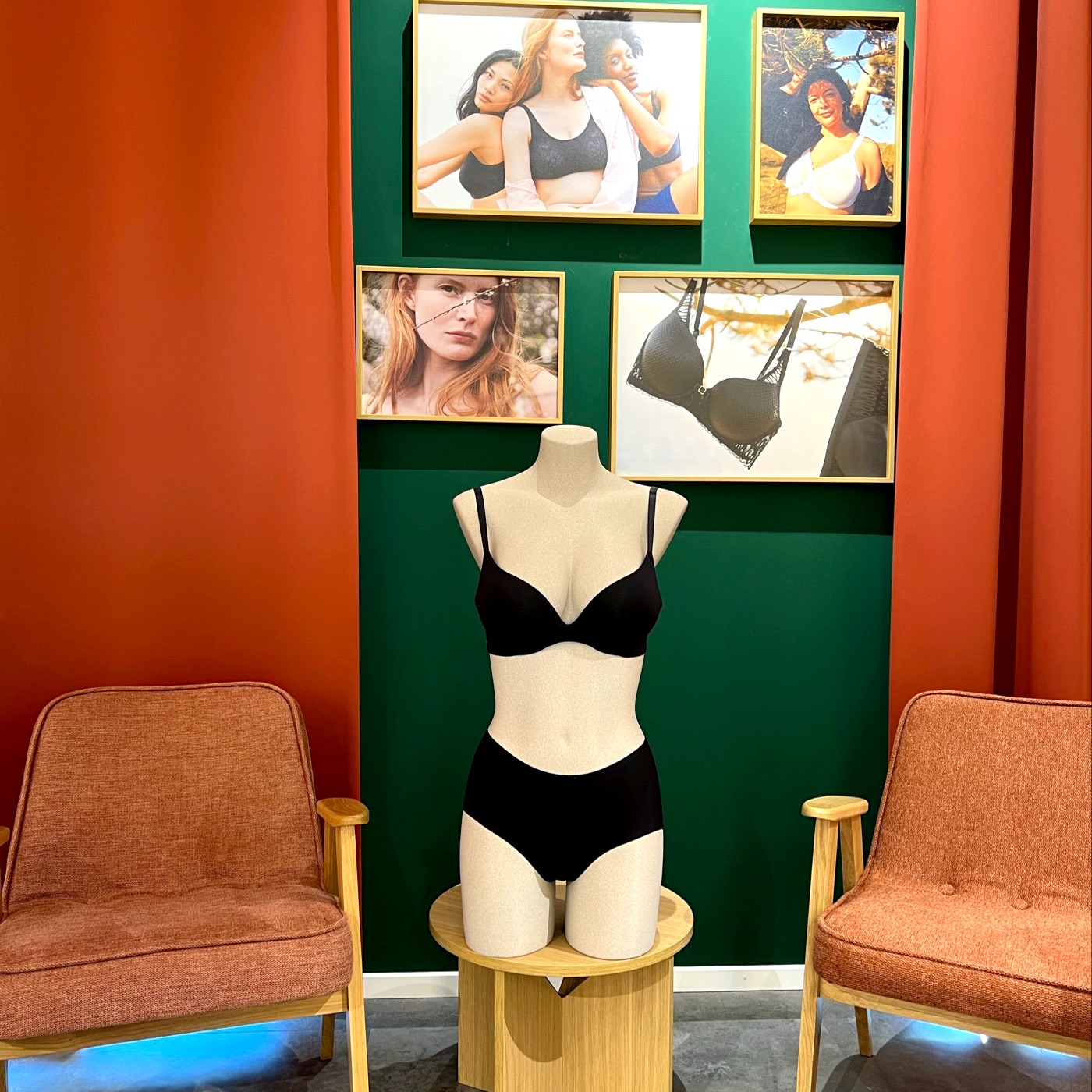
Recycling garments made from mixed fibres has long been a challenge for the fashion and textile industry. Many stretch fabrics, including lingerie, swimwear and sportswear, combine nylon with elastane. These blends make recycling difficult with existing technologies. As a result, many of these garments still end up in landfill or are incinerated.
A recent collaboration between RadiciGroup, The LYCRA Company and the lingerie brand Triumph shows that this situation can change. Together, the partners have developed a closed-loop recycling process that recovers both nylon and elastane from mixed-fibre textiles. The project resulted in a prototype lingerie set made entirely from recycled materials.
Selective Dissolution Enables Fibre Separation
The recycling process was developed by Radici InNova, the research and innovation division of RadiciGroup. It uses selective dissolution technology to separate different fibres within one fabric. This makes it possible to recycle textile waste that contains multiple materials, such as nylon and elastane blends.
The process uses non-toxic and environmentally compatible solvents. It works with commonly used nylon types, including PA6 and PA66. An important advantage is that both the fibres and the solvent can be recovered and reused. This supports both environmental goals and economic feasibility.
Demonstrating A Closed-Loop System
To test the process in practice, Triumph supplied surplus production fabric containing a blend of nylon and elastane. Radici InNova successfully separated the fibres. The LYCRA Company then reprocessed the recovered elastane, while RadiciGroup converted the recycled nylon into regenerated yarn.
The partners combined these recycled fibres into a new textile fabric. Triumph used this fabric to produce a coordinated lingerie set. The prototype shows that recycled fibres can meet functional requirements such as stretch, fit and comfort.
Implications For Designers And Material Innovation
For fashion, textile and product designers, this development highlights an important step towards circular materials. Elastane has often limited recyclability in garment design. This project shows that stretch materials can work within circular systems when suitable technologies are applied.
Although the process is still at a pilot stage, the partners see clear potential for future industrial use. Next steps include improving traceability, material identification and product longevity. These factors play a key role in circular design strategies.
The project demonstrates how collaboration across the textile value chain can turn complex waste streams into reusable resources. For designers, it opens new possibilities to combine performance, comfort and circularity in textile-based products.
Source & photo: RadiciGroup

Comments