Circular Tent Design Using Recycled Denim And Local Production
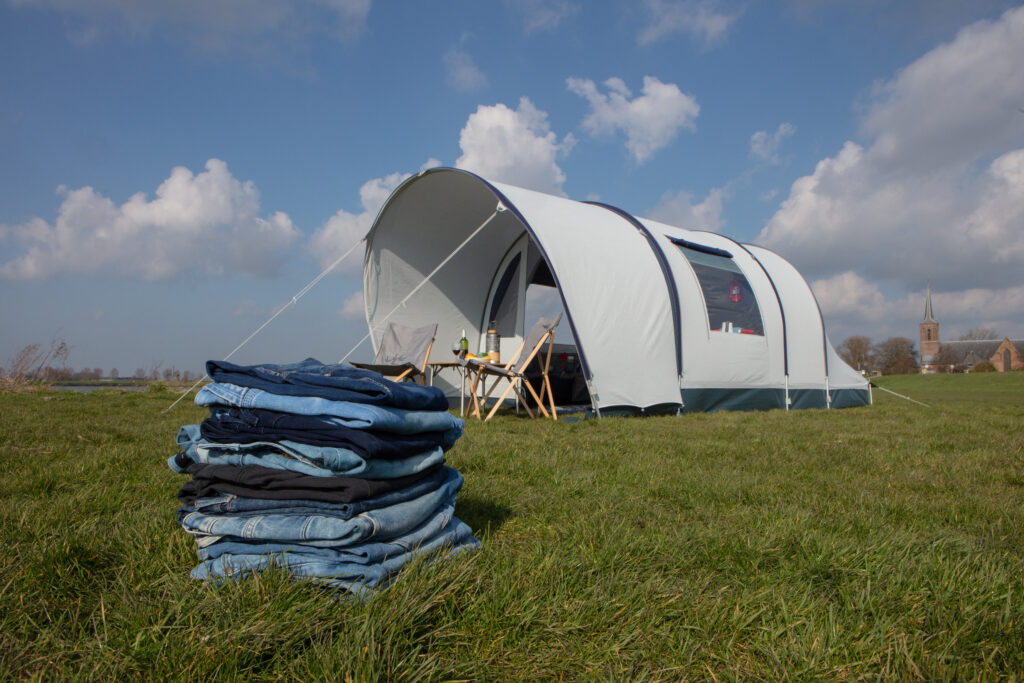
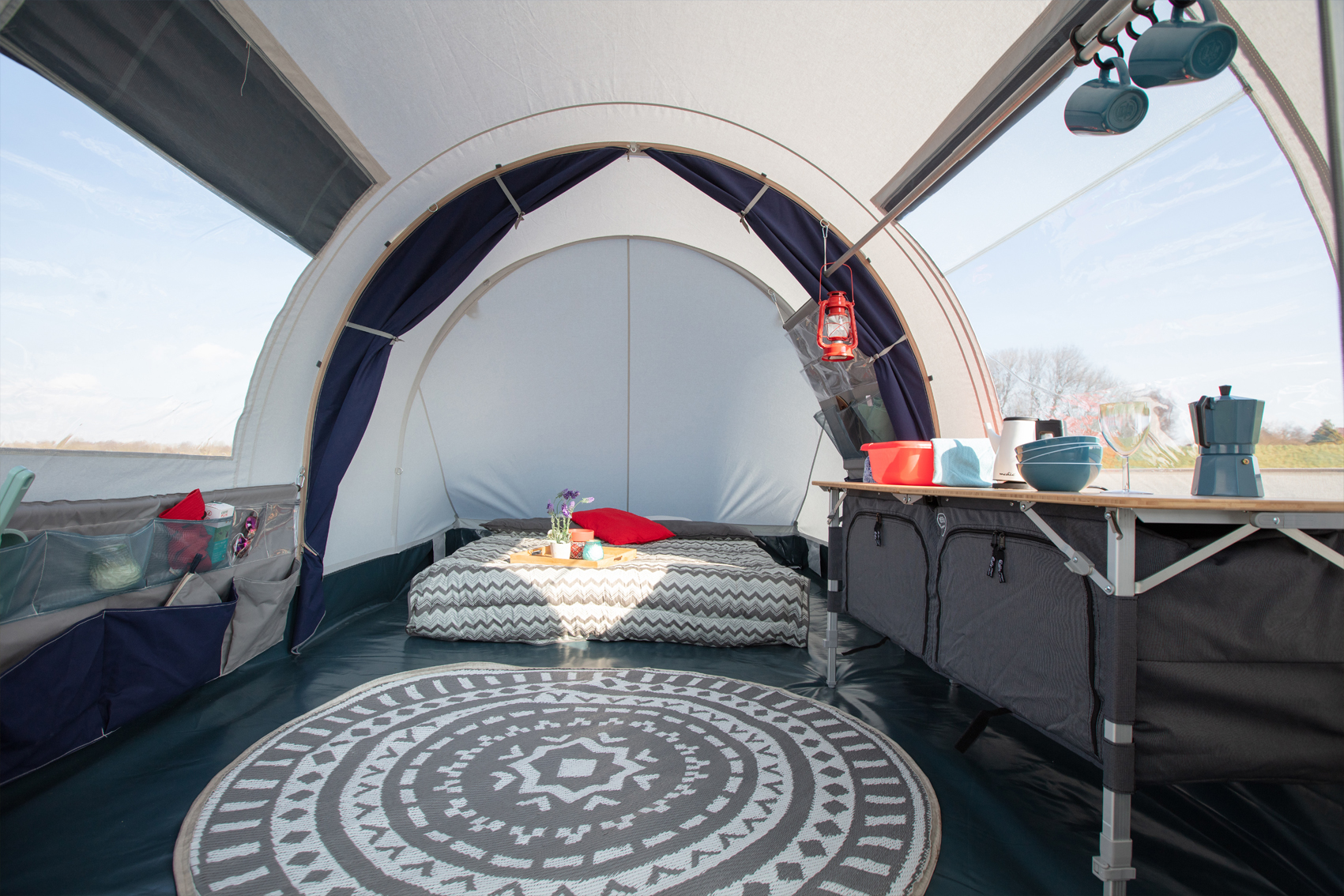
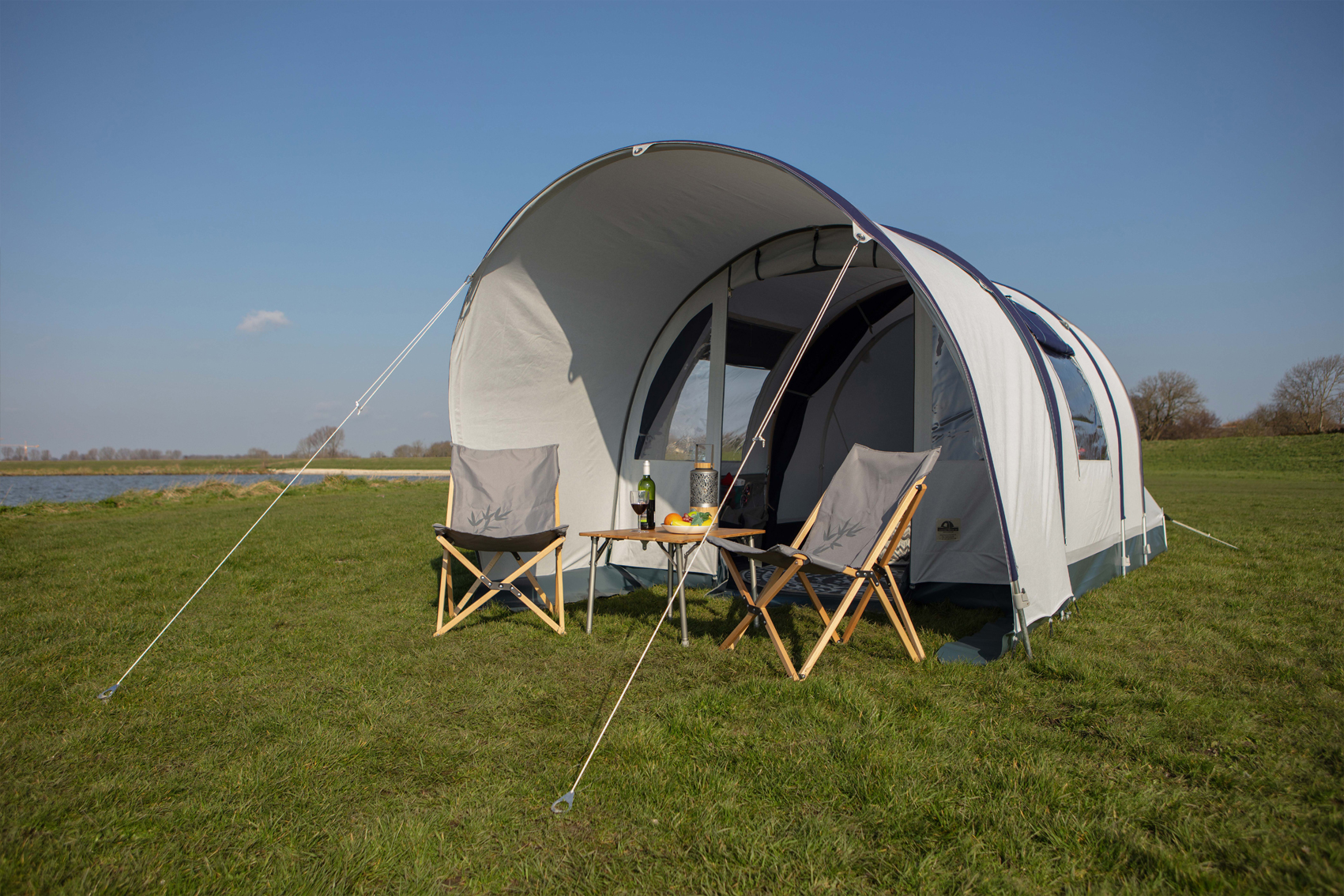

Dutch tent manufacturer Karsten introduces the Blueline collection, a range of tents made entirely from recycled materials. At the core of the design is TenCate BlueCAMP cotton. This material combines virgin cotton with fibres from recycled denim.
Every year, around 640 million pairs of jeans are discarded in Europe. Karsten collects part of this waste stream and processes it into new yarn. The company unravels the denim, respins the fibres and transforms them into tent fabric. As a result, the material has a natural blue colour. This means no additional dyeing is required. Consequently, the production process uses fewer chemicals and resources.
Reducing Water And Material Impact
Cotton production requires large amounts of water. In fact, producing one kilogram of cotton uses around 8,000 litres. By replacing part of the cotton with recycled denim, Karsten significantly reduces this impact. On average, each tent saves up to 50,000 litres of water. In addition, the approach reduces textile waste. It demonstrates how discarded garments can re-enter the production cycle.
Local Circular Production Chain
Another key aspect is the local supply chain. Karsten carries out the entire process in the Netherlands and Belgium. This includes collecting, processing and manufacturing. As a result, transport distances remain short. This reduces CO₂ emissions and increases supply chain transparency. For designers, this is an important step towards lowering embodied carbon.
Recycled Components Beyond Textiles
The circular approach goes beyond the tent fabric. Karsten also reuses industrial waste for other components. For example, the groundsheet is made from leftover bisonyl material. Normally, this waste would be discarded. However, it is now processed into a durable recycled compound.
In addition, the zips are made from recycled plastic bottles. This further reduces the use of virgin fossil-based materials.
Design Implications For Circular Products
The Blueline collection shows how different recycled material streams can come together in one product. It combines textile waste, plastic waste and industrial leftovers into a cohesive design. At the same time, the material story remains visible. The blue colour, derived from denim, becomes a clear design feature. Therefore, it not only reduces impact but also communicates sustainability.
For designers, this project offers a strong example of circular thinking in practice. It proves that performance, aesthetics and sustainability can go hand in hand.
Source & photos: Karsten Tenten

Comments