Coffee Grounds Upcycled Into Biodegradable Thermal Insulation
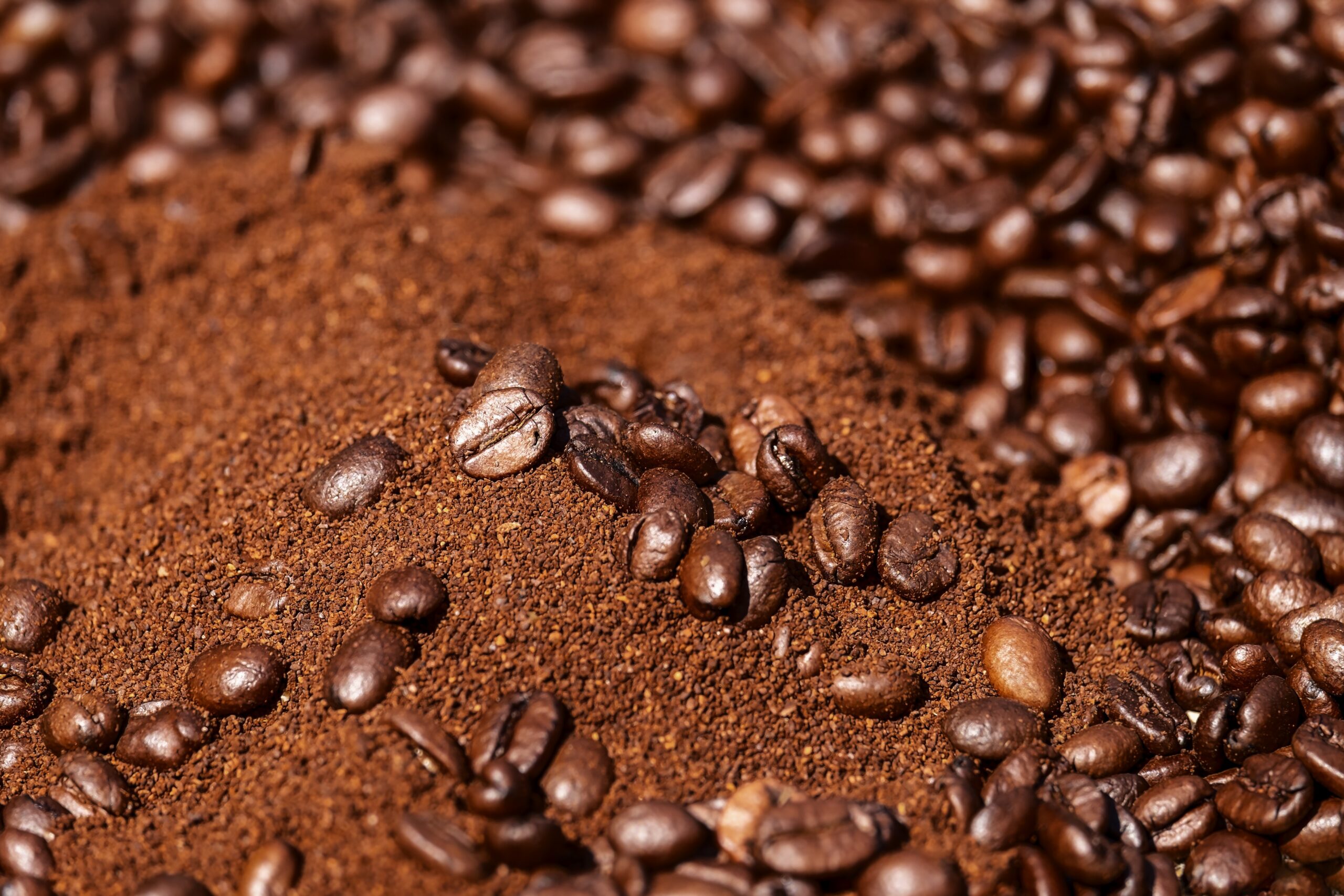
Spent coffee grounds could find a second life as high-performance thermal insulation. Researchers have developed a fully biobased composite that offers a renewable alternative to petroleum-based insulation used in buildings, packaging and transport. The material combines biochar made from used coffee grounds with a naturally derived polymer. It delivers thermal insulation comparable to expanded polystyrene (EPS) while remaining biodegradable at the end of its life.
Transforming Coffee Waste Into Biochar
Millions of tonnes of spent coffee grounds are generated every year. Most end up in landfill or are incinerated, despite their carbon-rich composition. The researchers converted this waste into highly porous biochar through a carbonisation process. The lightweight material proved well suited for thermal insulation.
The team found that biochar produced at 700°C under ambient atmospheric conditions delivered the best balance between porosity and graphitic structure. Its microscopic pores trap air and slow down heat transfer. This structure plays a key role in the material’s insulating performance.
Keeping The Pores Open
Manufacturing biochar composites presents one important challenge. The polymer binder can fill the pores, reducing the material’s insulating capacity. The researchers addressed this issue with an environmentally friendly pore-restoration method. They first mixed the biochar with propylene glycol before adding ethyl cellulose, a naturally derived polymer. This process helped preserve the porous structure during production. As a result, the finished composite retained its insulating properties.
The optimised material, called EC/SB700/PG-25, achieved a thermal conductivity of 0.04 W m⁻¹ K⁻¹. This value matches commercial EPS and is around six times lower than that of pure ethyl cellulose. Computer simulations confirmed that high porosity, interfacial thermal resistance and controlled graphitic development all contributed to the material’s performance.
A Biodegradable Alternative
Conventional insulation materials such as EPS and polyurethane foam rely on fossil resources and create end-of-life disposal challenges. The new composite uses renewable raw materials instead. It is also designed to biodegrade.
Laboratory tests with cellulase enzymes showed that the composite degraded faster than pure ethyl cellulose. The researchers attribute this to the interface between the biochar and polymer, which allows water and enzymes to penetrate more easily. This behaviour could help reduce the environmental impact associated with conventional insulation materials.
Applications For Buildings And Energy Systems
The team also evaluated the material in a scaled building-integrated photovoltaic (BIPV) system. When placed behind a photovoltaic cell, the composite reduced heat transfer in a similar way to EPS. It also helped regulate the internal temperature of the test chamber.
The researchers see opportunities for the material in building envelopes, food packaging, transportation and solar energy systems. The study demonstrates how an abundant organic waste stream can become a functional insulation material. At the same time, it supports circular material use and energy-efficient design.
Source: EurekAlert!
Photo: Couleur

Comments