Coffee Waste Upcycled Into High-Performance Biodegradable Insulation
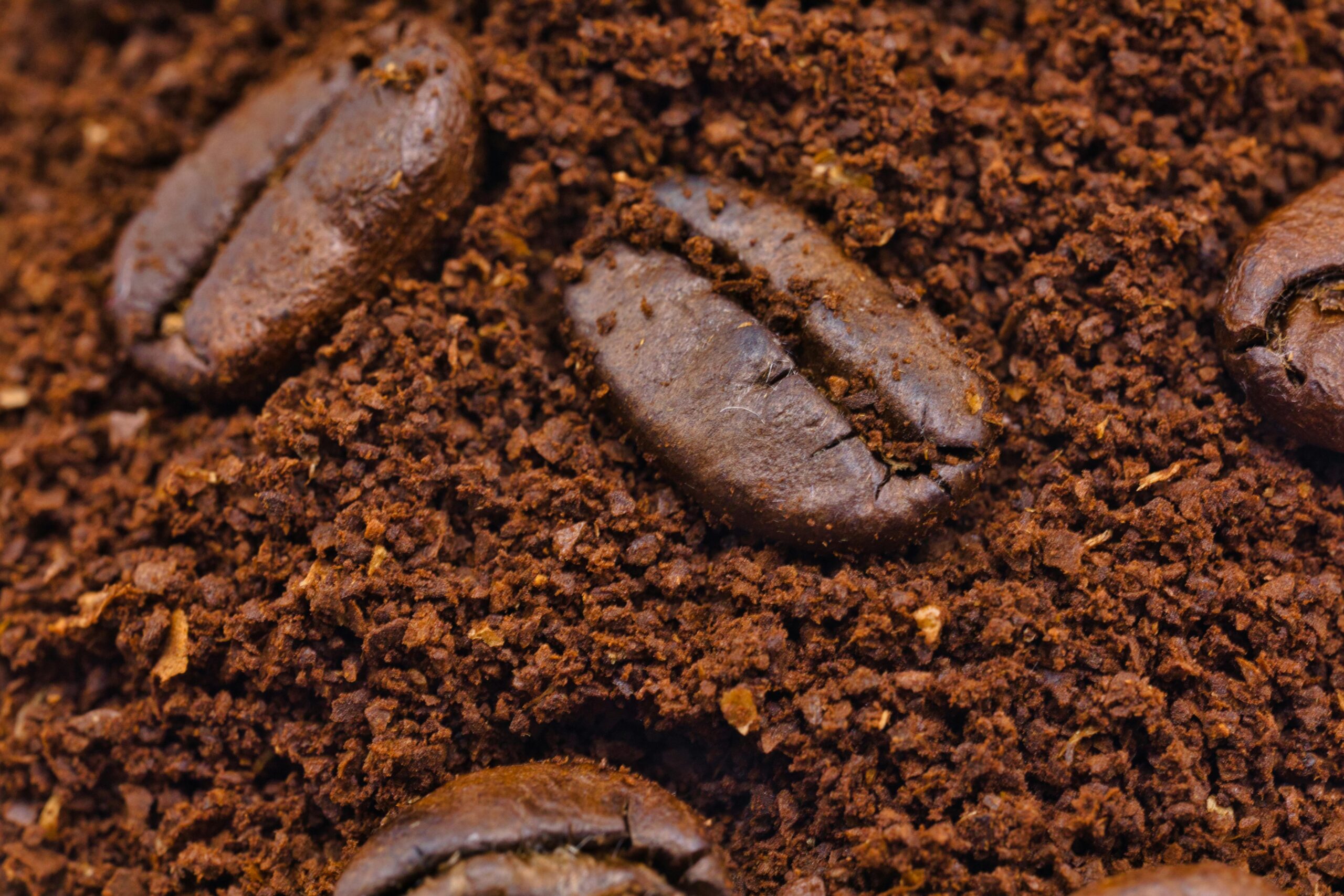
A new material innovation demonstrates how everyday waste streams can be transformed into high-value building solutions. Researchers at Shenyang Agricultural University have developed a biodegradable insulation material made from spent coffee grounds, offering a sustainable alternative to fossil-based products commonly used in architecture, construction and packaging.
From Waste Stream To Functional Material
Globally, millions of tonnes of coffee waste are generated each year, much of which is incinerated or sent to landfill. In this study, researchers converted used coffee grounds into a highly porous biochar, which was then combined with ethyl cellulose, a biobased polymer. The result is a fully renewable composite material with strong thermal insulation properties.
The innovation lies in addressing the inherent limitations of raw coffee waste. On its own, it lacks the porosity required for effective insulation. Through a controlled carbonisation process, the researchers created a biochar with a finely tuned porous structure capable of trapping air—an essential characteristic for reducing heat transfer.
Performance Comparable To Conventional Insulation
The developed composite achieves a thermal conductivity of 0.04 W/m·K, placing it on par with widely used materials such as expanded polystyrene (EPS). Materials below 0.07 W/m·K are generally considered effective insulators, making this coffee-based alternative highly competitive in performance terms.
To preserve the material’s internal structure, the team introduced a “pore restoration” technique. Environmentally friendly solvents were used during production to prevent the polymer from clogging the biochar’s pores, ensuring optimal insulation efficiency.
Biodegradable And Circular By Design
Beyond performance, the material offers clear environmental advantages. It is entirely derived from renewable resources and avoids the use of toxic or hazardous substances. Laboratory tests also confirmed its biodegradability, suggesting potential to significantly reduce long-term waste associated with insulation materials.
This aligns with broader circular design strategies, where waste streams are reintroduced into the production cycle as valuable resources. By upcycling coffee waste into a functional material, the research contributes to reducing both resource extraction and waste generation.
Applications In Architecture And Packaging
The material shows strong potential across multiple design disciplines. In the built environment, it could be used in wall assemblies, façade systems or roofing to improve thermal performance while lowering environmental impact. The researchers also demonstrated its effectiveness in building-integrated photovoltaic systems, where it reduced heat transfer from solar panels—an application relevant to energy-efficient building design.
Beyond architecture, the composite could be applied in packaging and transport, particularly in temperature-sensitive logistics where sustainable insulation is increasingly in demand.
Towards Scalable Bio-Based Alternatives
This development highlights the growing role of biobased and waste-derived materials in replacing petroleum-based products. With coffee waste available at scale worldwide, the material presents a promising pathway for industrial upcycling into high-performance, biodegradable solutions.
As industries continue to seek low-impact alternatives, innovations like this demonstrate how material science can bridge performance, sustainability and circularity.
Source: Biochar Editorial Office, Shenyang Agricultural University via EurekAlert!
Photo: Tony Wu

Comments