Cool Roofs As A Material Strategy To Reduce Urban Heat
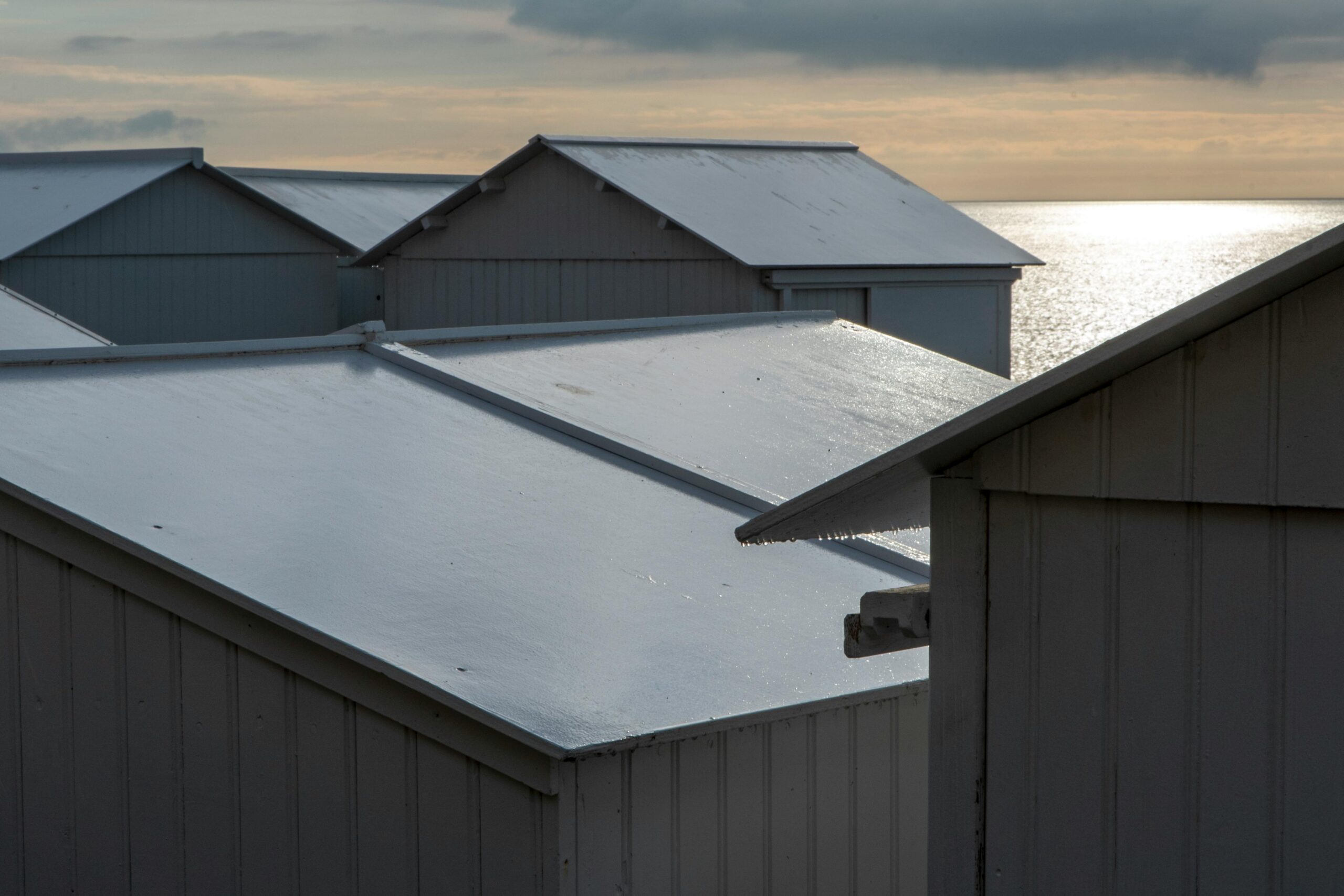
New research from KU Leuven shows how material choices can help cities cope with extreme heat. The study highlights “cool roofs” as an effective solution. These roofs reflect solar radiation instead of absorbing it, which lowers temperatures in urban areas and improves public health.
Reflective Materials As Climate-Responsive Design
Cool roofs use light-coloured surfaces, reflective coatings, or specially developed materials. These materials increase solar reflectance and reduce heat absorption. Traditional dark roofs absorb and store heat, which raises both indoor and outdoor temperatures.
For architects and designers, this offers a simple but powerful material strategy. By increasing a surface’s reflectivity, buildings stay cooler and release less heat into the surrounding environment. This helps reduce the urban heat island effect.
Material innovations include reflective membranes, mineral coatings, and retrofit solutions. Many of these can be applied to existing roofs, which supports circular renovation instead of full replacement.
Measurable Impact At Urban Scale
The researchers used a high-resolution climate model to simulate the 2019 heat wave in Belgium. Their findings show that widespread use of cool roofs could reduce urban air temperatures by more than 2°C on average. The effect is even stronger in dense city centres with large roof areas.
This shows how collective material choices can shape the urban climate. When applied at scale, small changes in surface properties can lead to significant environmental benefits.
Combining Materials With Green Infrastructure
The study also explores the role of green infrastructure. Trees, parks, and permeable surfaces help reduce temperatures, especially at night. Cool roofs mainly lower daytime heat, while greenery supports cooling after sunset.
Designers can combine these strategies to improve overall performance. For example, reflective roofs can work alongside green roofs or urban planting. This creates a more resilient and climate-adaptive environment.
Health And Social Benefits
Lower temperatures also reduce health risks. The researchers estimate that up to 25% of heat-related deaths during the 2019 Brussels heat wave could have been prevented with cool roofs. This highlights the broader impact of material design. Choosing the right materials can directly improve comfort, safety, and wellbeing in cities.
Towards Scalable And Circular Solutions
As heat waves become more frequent, cities need scalable solutions. Cool roofs offer a practical and cost-effective approach. Designers can apply them to both new buildings and existing structures. This makes them a strong example of climate-responsive and circular design. By upgrading materials instead of replacing entire systems, designers can reduce environmental impact while improving performance.
Source: KU Leuven News
Photo: Jan van der Wolf

Comments