Cooling Paint that Captures Water from Air
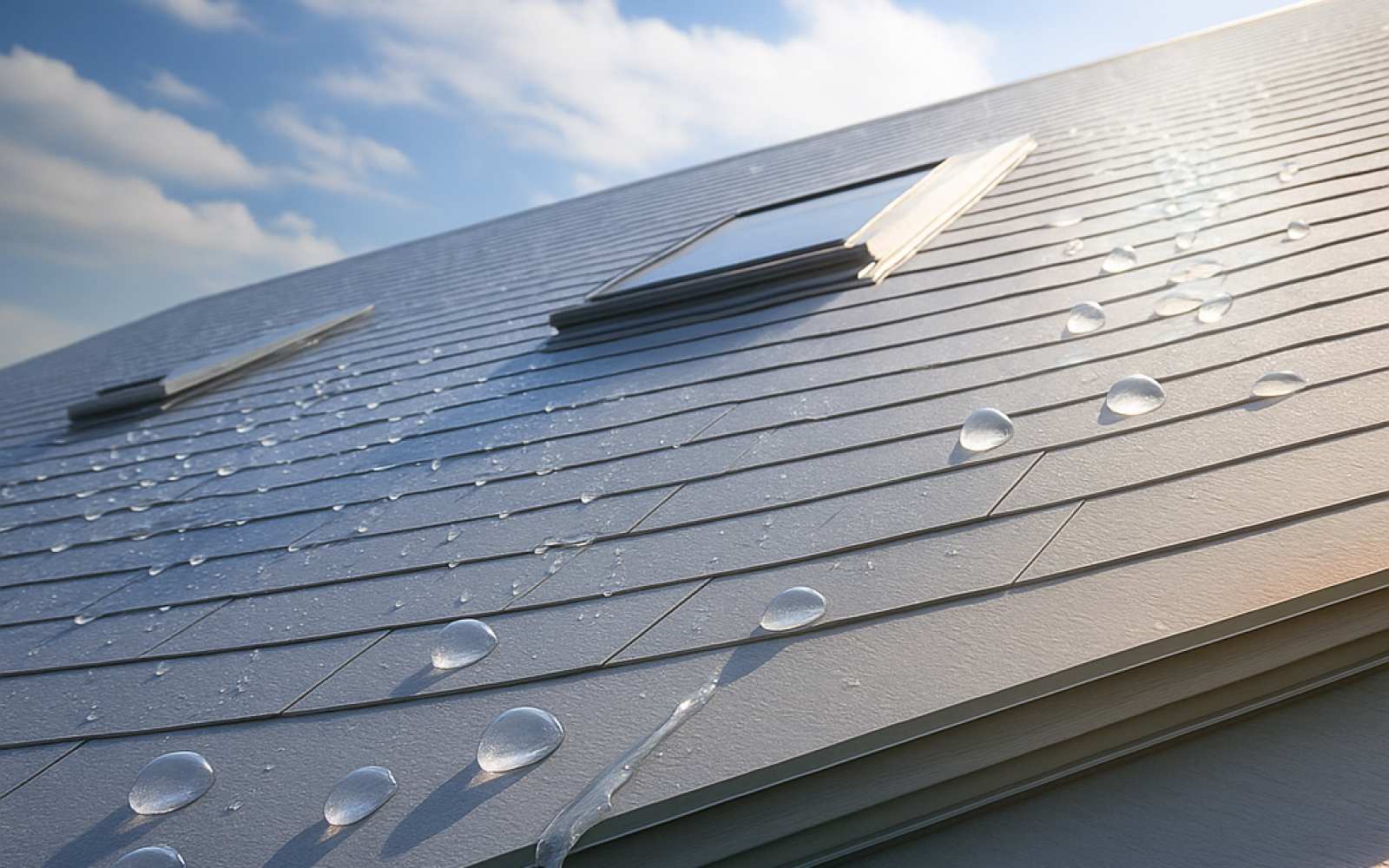
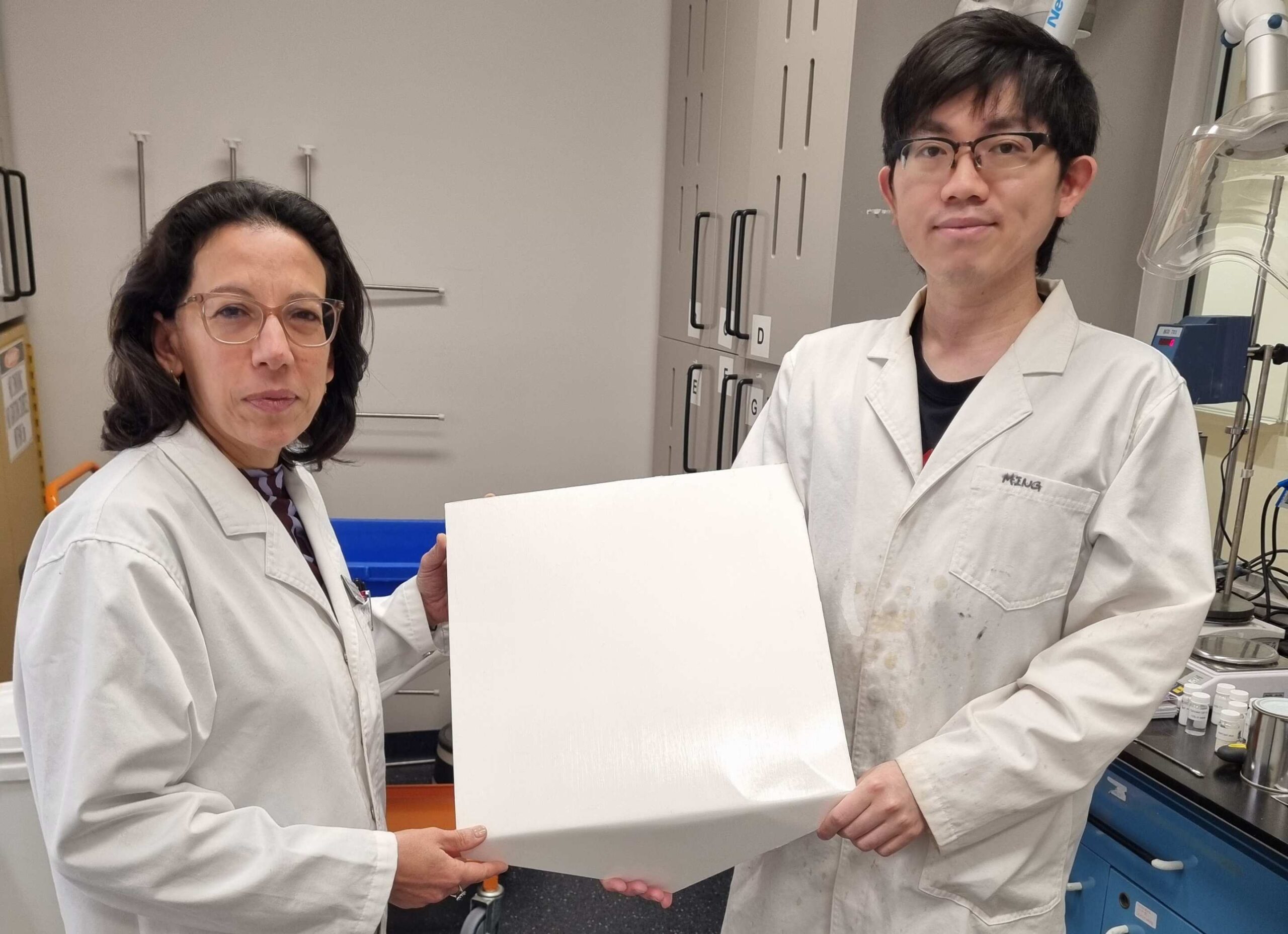
Researchers from the University of Sydney and start-up Dewpoint Innovations have developed a nanoengineered polymer coating that can both cool surfaces and extract water from the atmosphere—without any need for external energy. The discovery represents a breakthrough in the fields of sustainable architecture and materials science, with potential to help reduce urban heat and address global water scarcity.
A Dual-Function Innovation
The newly developed paint-like coating, made from porous polyvinylidene fluoride-co-hexafluoropropene (PVDF-HFP), reflects up to 97 percent of sunlight while radiating absorbed heat back into the atmosphere. As a result, surfaces coated with the material stay up to six degrees cooler than the surrounding air, even under direct sunlight. This cooling effect encourages atmospheric water vapour to condense into droplets, similar to the way steam gathers on a mirror, creating a passive method of water collection.
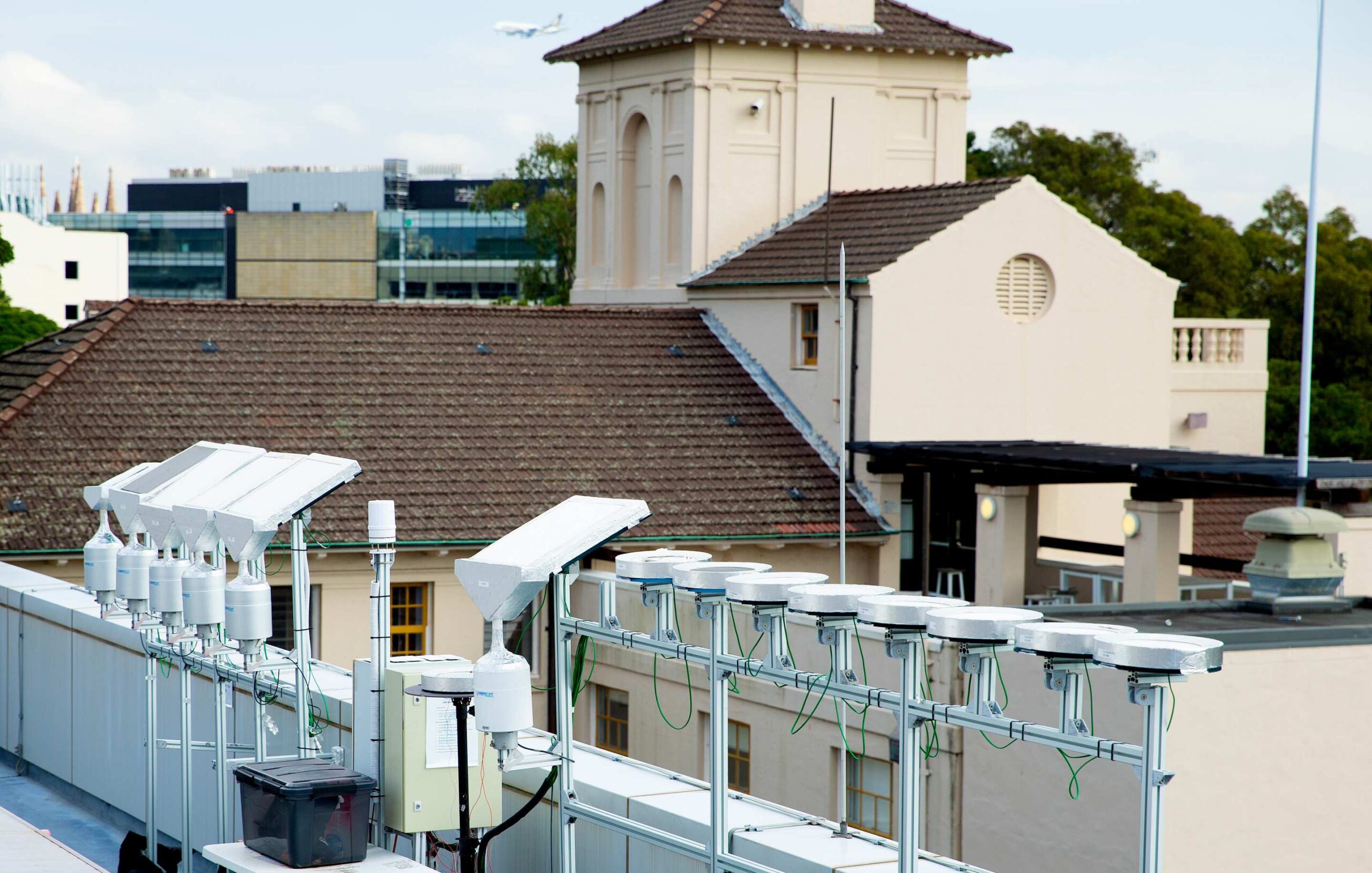
In outdoor experiments conducted on the roof of the Sydney Nanoscience Hub, the coating collected measurable amounts of dew over 32 percent of the year. Under optimal conditions, it can harvest up to 390 millilitres of water per square metre per day, enough for a twelve-square-metre surface to meet the drinking needs of one person.
Rethinking Reflective Coatings
Unlike conventional white paints that rely on titanium dioxide pigments to achieve reflectivity, this polymer coating uses its internal porous structure to scatter sunlight. This approach avoids the environmental drawbacks of pigment-based coatings and provides a more balanced visual appearance by reducing glare. The result is a material that offers durability, high reflectivity, and visual comfort, making it highly suitable for real-world architectural applications.
Over a six-month outdoor trial, the coating maintained its performance without degradation under the harsh Australian sun—a key improvement over earlier materials that tended to deteriorate quickly.
Towards Climate-Resilient Design
The implications of this technology extend beyond water collection. By integrating passive cooling and water harvesting in one scalable coating, architects and designers could transform rooftops, façades, and infrastructure surfaces into self-regulating systems that contribute to both energy efficiency and water security.
Such applications could play an important role in mitigating the urban heat island effect, reducing reliance on air-conditioning, and creating climate-resilient buildings. For landscape and urban designers, the technology offers opportunities for water collection to support irrigation or mist-cooling systems. Meanwhile, product and packaging designers may find inspiration in its potential for decentralised, low-energy water generation.
From Laboratory to Rooftop
Dewpoint Innovations is now developing a water-based paint formulation that can be applied using standard rollers or sprayers, allowing the coating to move from research to large-scale use. Professor Chiara Neto, who led the study, envisions roofs that not only stay cooler but also produce their own fresh water, complementing existing rainwater systems and helping communities adapt to increasing heat and water scarcity.
This innovation represents a significant advancement in biobased and circular material technology, offering a practical and scalable approach to sustainable design in the built environment.
Source & photos: University of Sydney

Comments