CORNCRETL: Corn Waste And Lime Composite For Robotic 3D Printed Construction
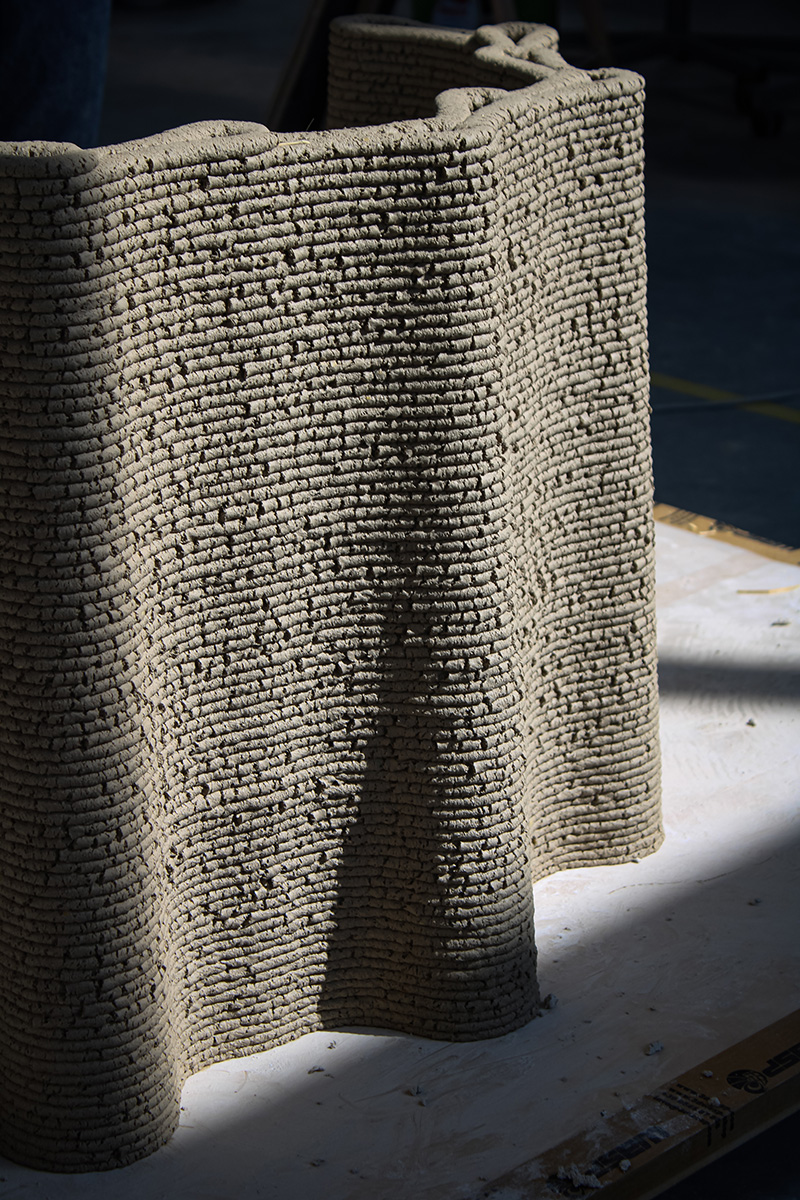
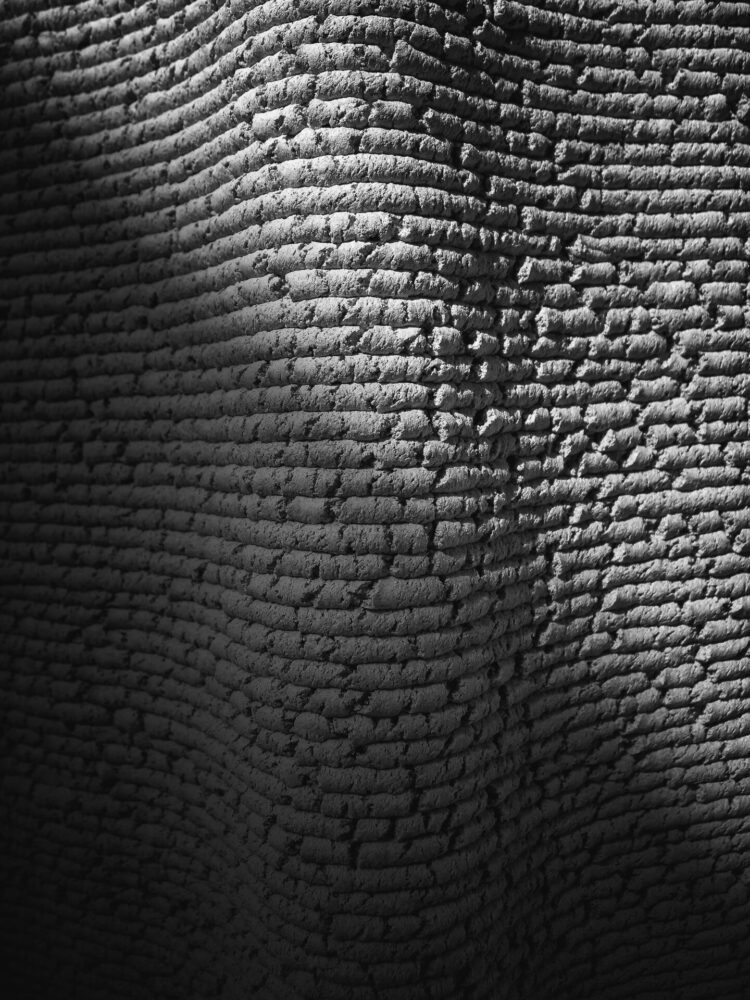
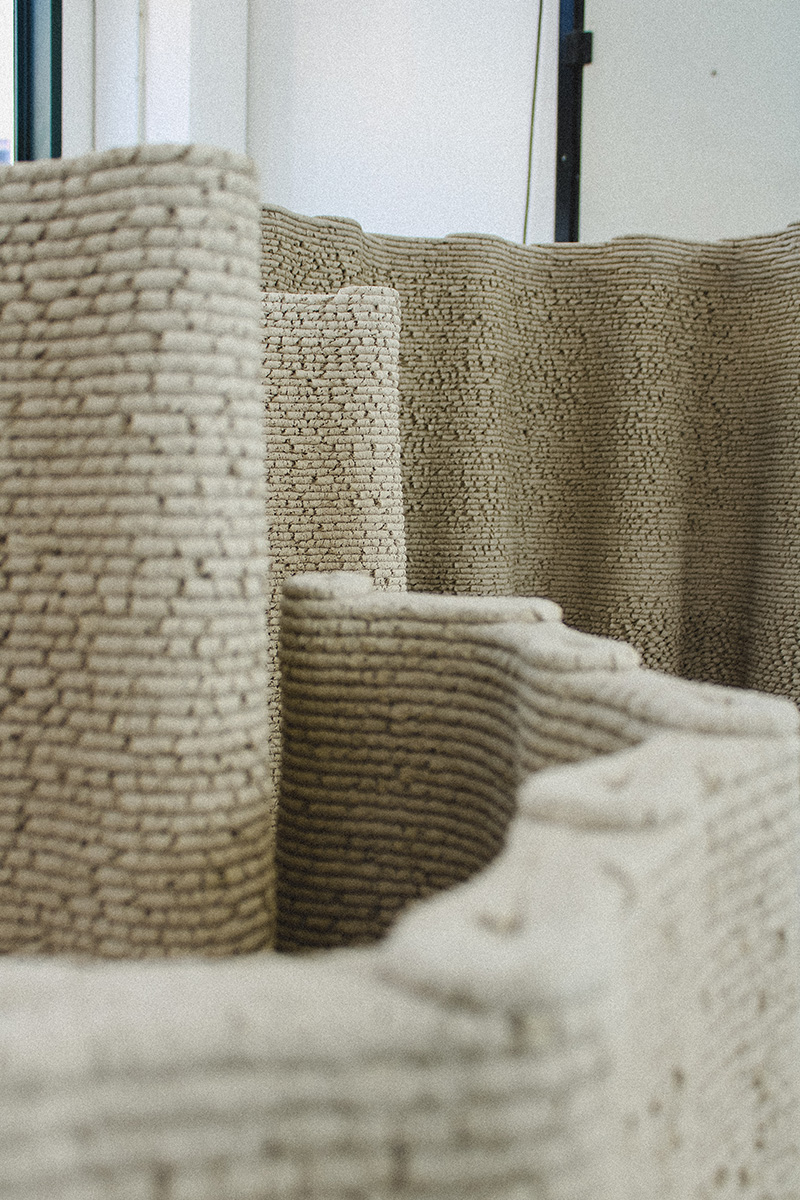
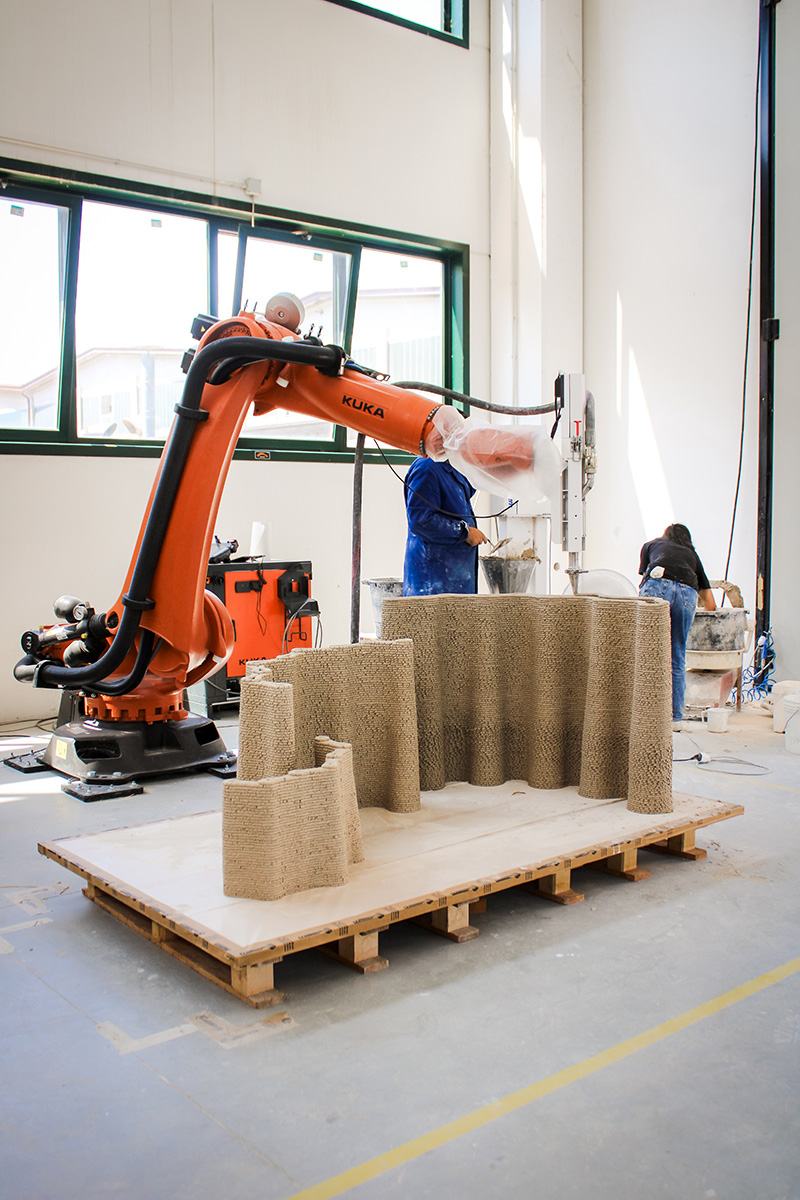
Mexican design practice MANUFACTURA has developed CORNCRETL, a bio-based construction material made from corn residues, recycled nejayote and lime-based aggregates. The team designed the material for robotic 3D printing and low-carbon building applications.
The construction sector remains one of the largest sources of CO₂ emissions, mainly due to the use of Portland cement. CORNCRETL offers a lower-impact alternative. Compared to conventional concrete, it can reduce carbon emissions by up to 70 per cent. At the same time, it introduces circular economy principles by transforming agricultural waste into a valuable building material.
Turning Agricultural Waste Into Building Components
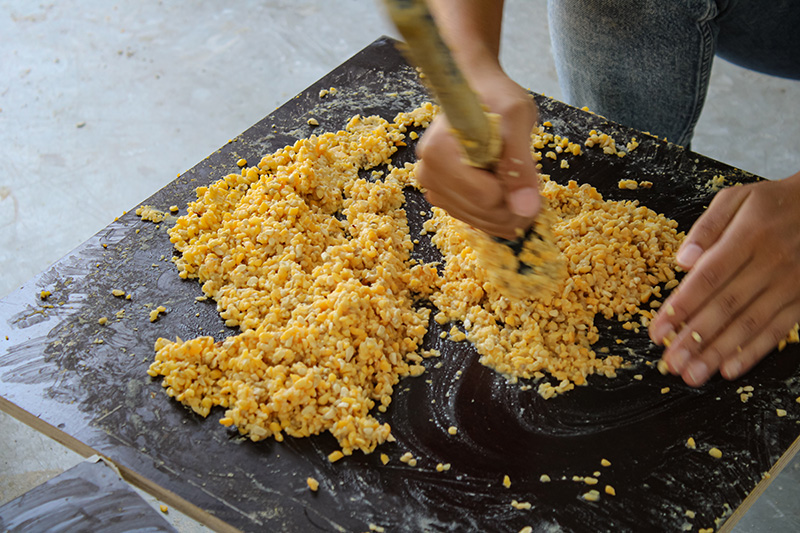
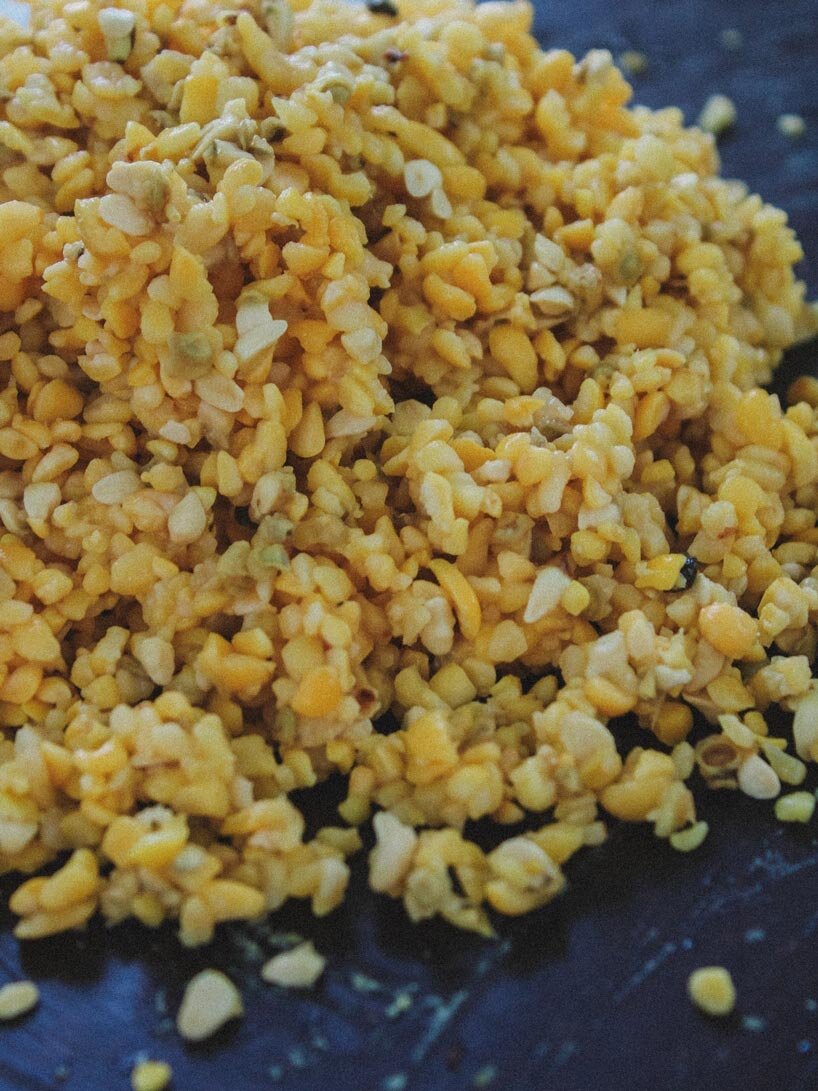
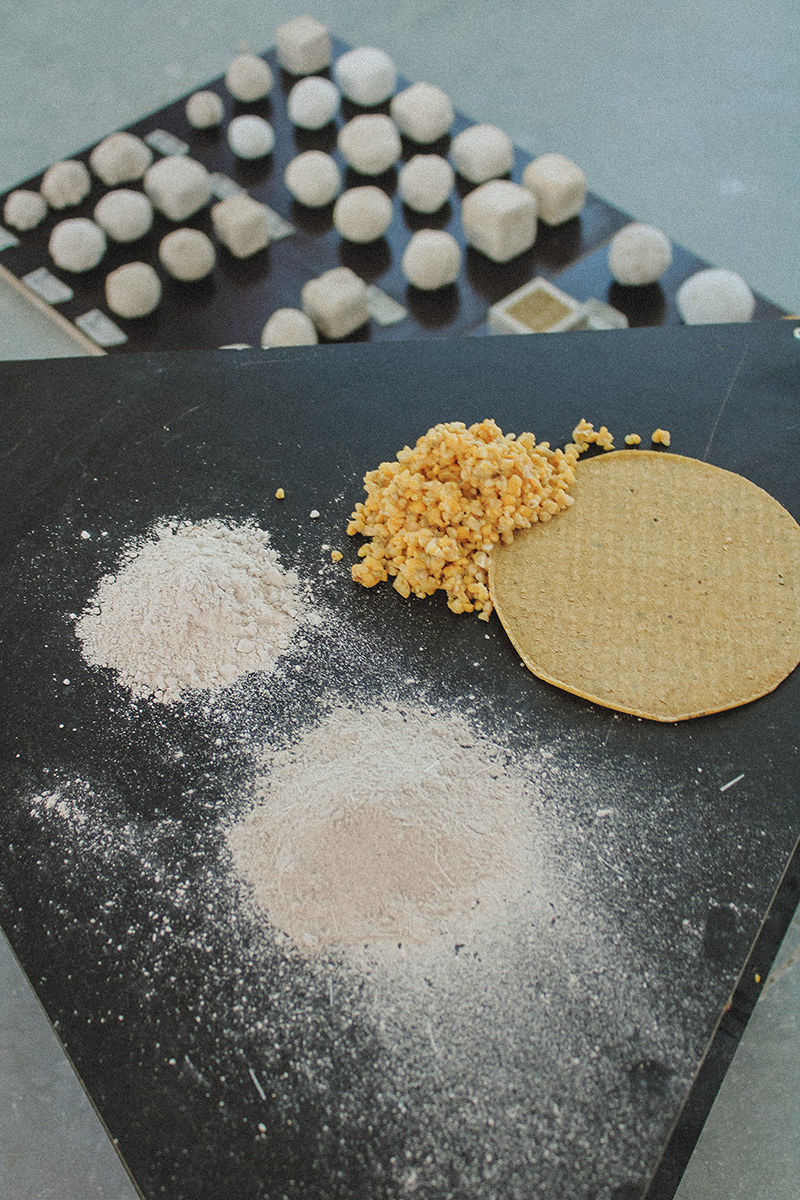
Corn has shaped Mexican agriculture and culture for more than 7,000 years. Today, Mexico remains one of the world’s leading corn producers. However, around 38 per cent of production is lost every year. Tortilla waste forms a significant part of this loss. One major byproduct of corn processing is nejayote, a calcium-rich wastewater created during nixtamalisation. Producers usually discard this substance. MANUFACTURA instead collects and processes it. The team dries, shreds and pulverises the waste to create a consistent material suitable for extrusion.
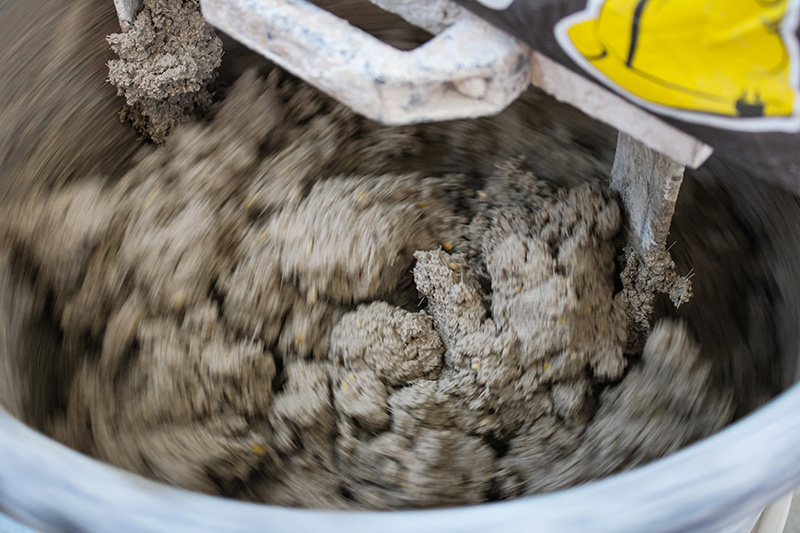
They combine the processed corn residues with limestone aggregates and Geocalce T, a mineral blend made of natural hydraulic lime (NHL 3.5), geobinders, silica sand, dolomitic limestone and marble powder. This mix connects Mexican agricultural byproducts with mineral materials traditionally used in European lime construction.
Lime-based building systems have deep roots in Mesoamerican architecture. Known as Sak-Kaab (‘White Earth’) in Mayan culture, lime mixtures offered durability, breathability and environmental compatibility. Unlike Portland cement, lime hardens at room temperature and requires lower firing temperatures. As a result, it consumes less energy and produces fewer emissions. Lime also helps regulate indoor humidity and can self-heal small surface cracks.
Designed For Robotic 3D Printing
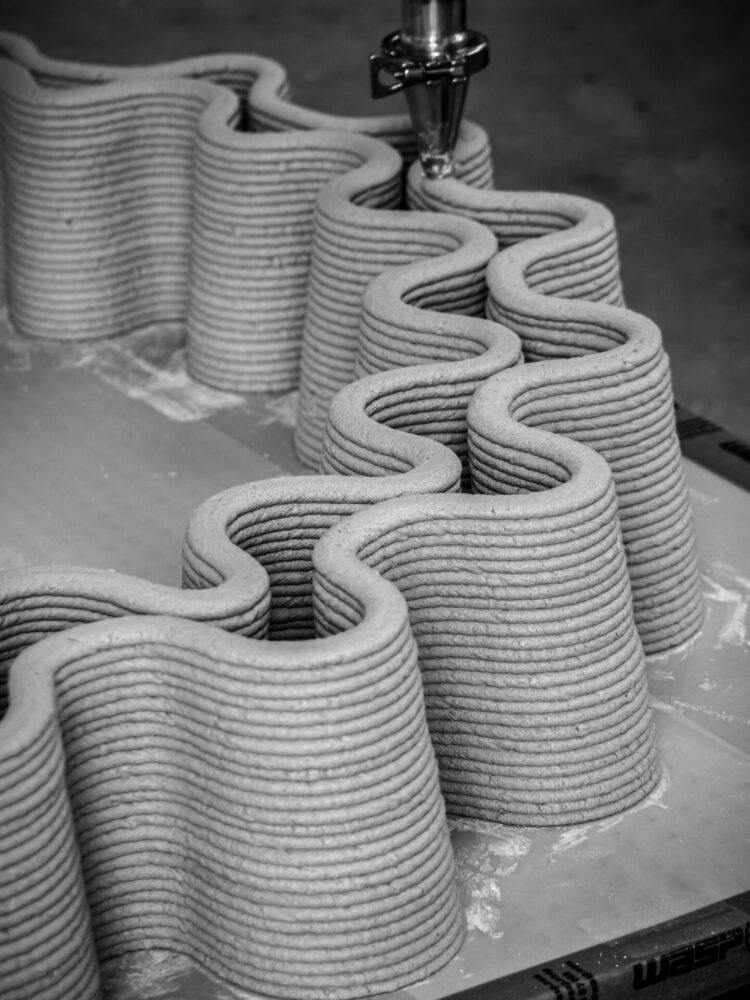
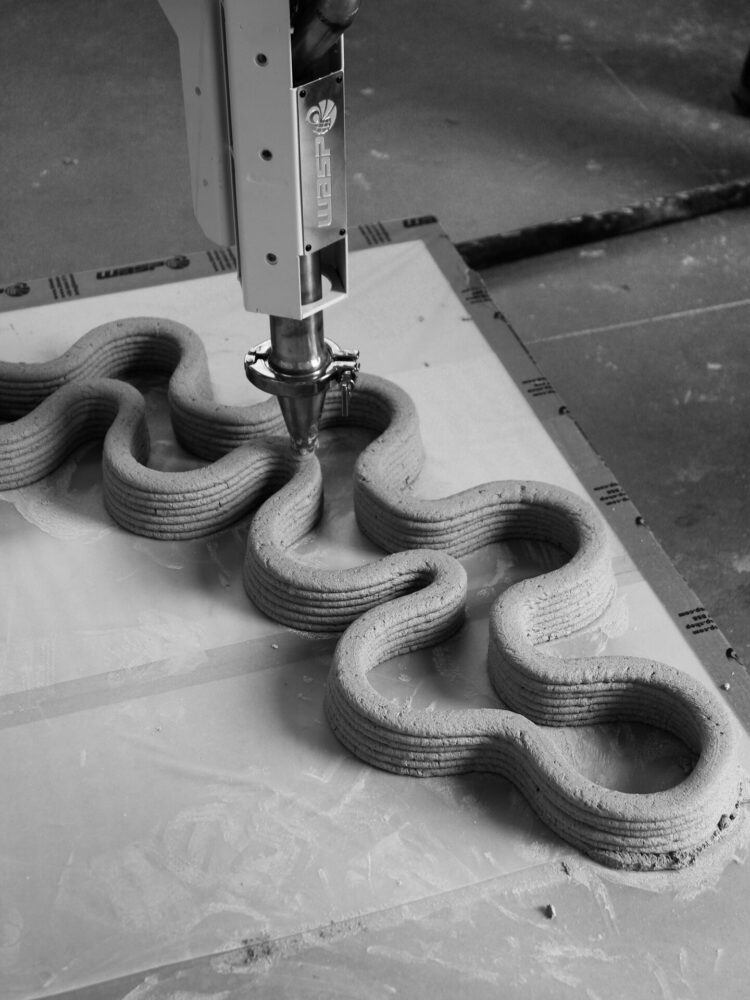
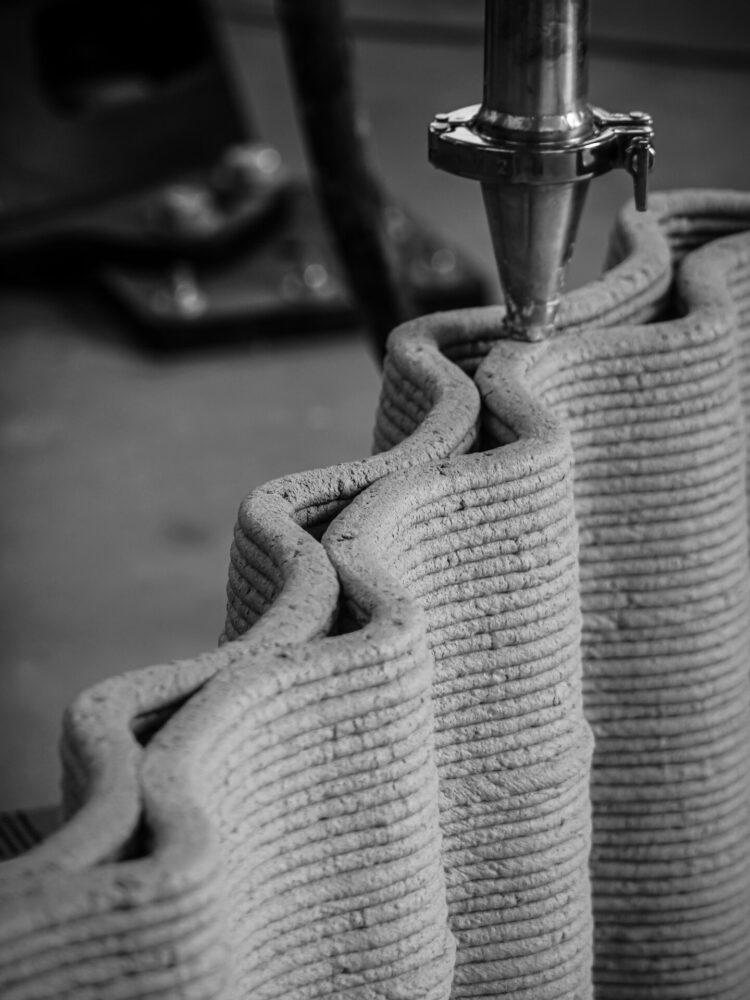
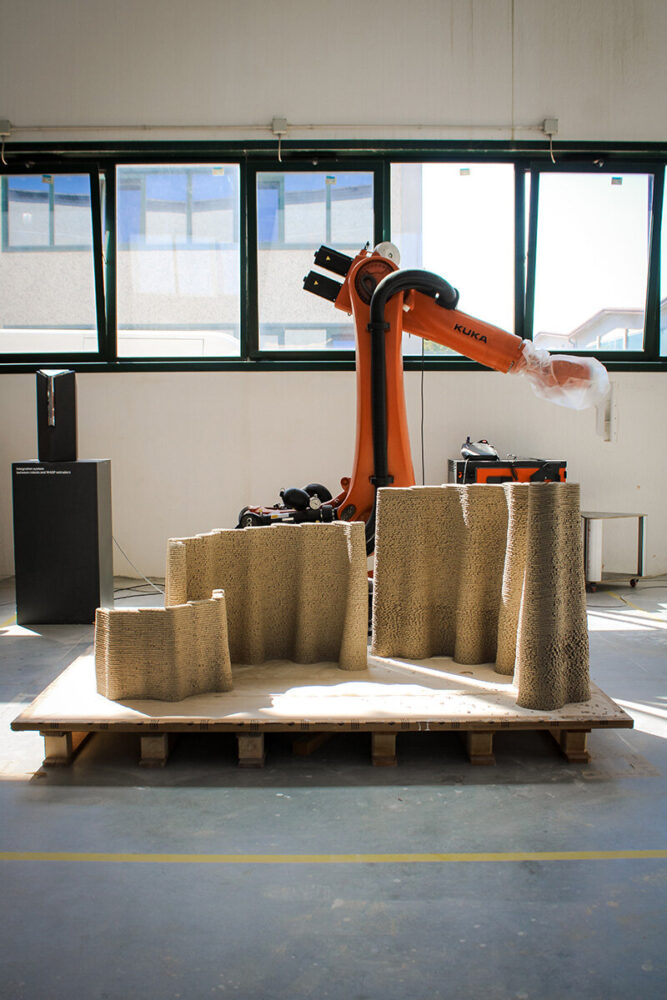
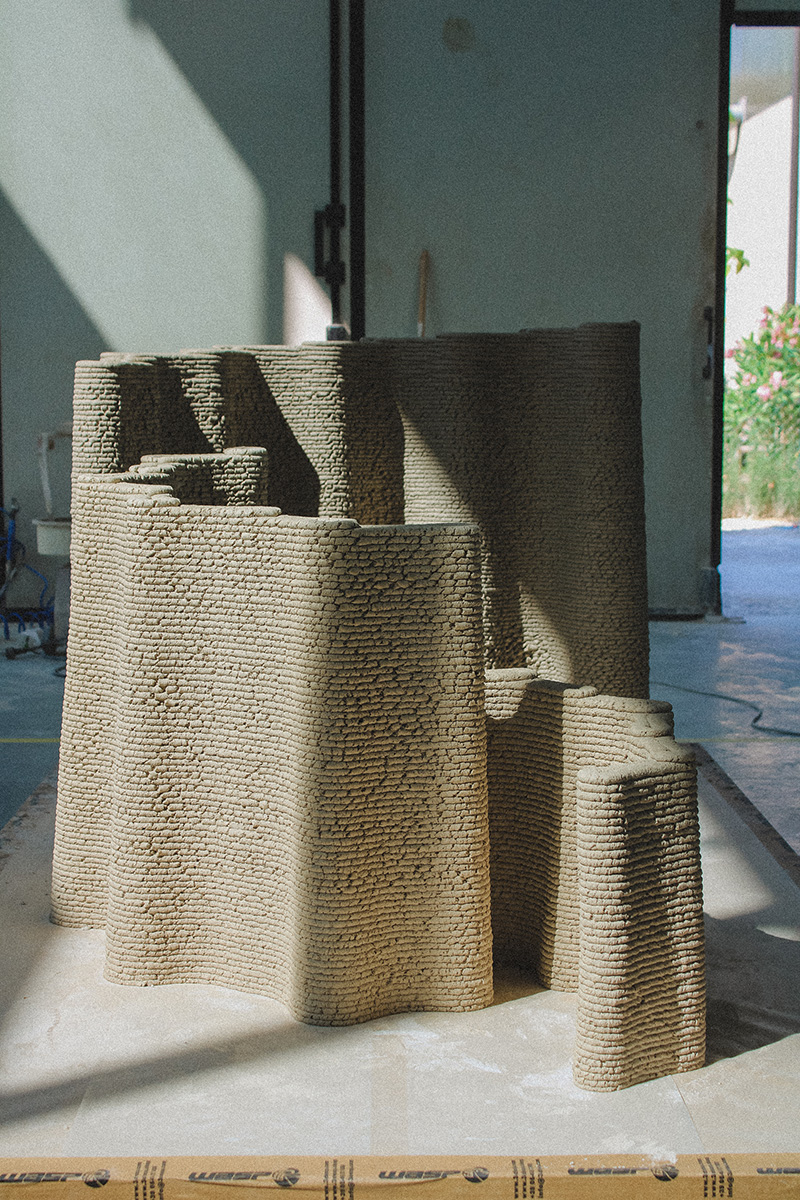
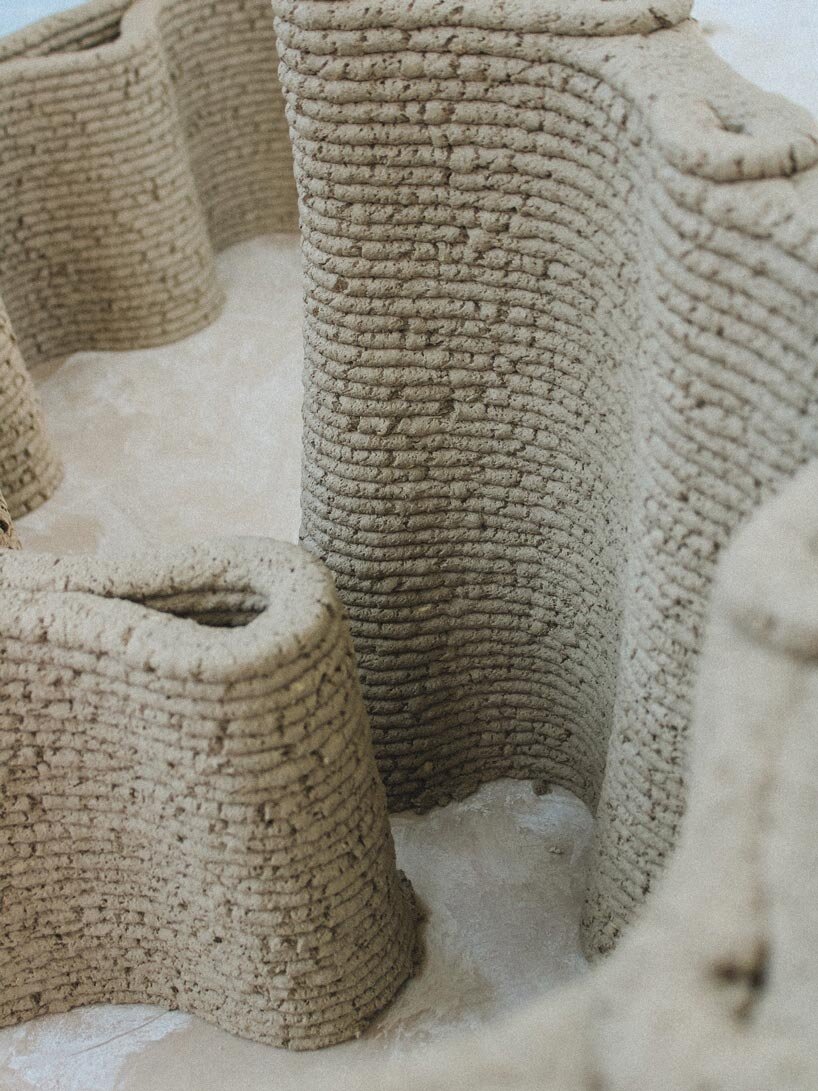
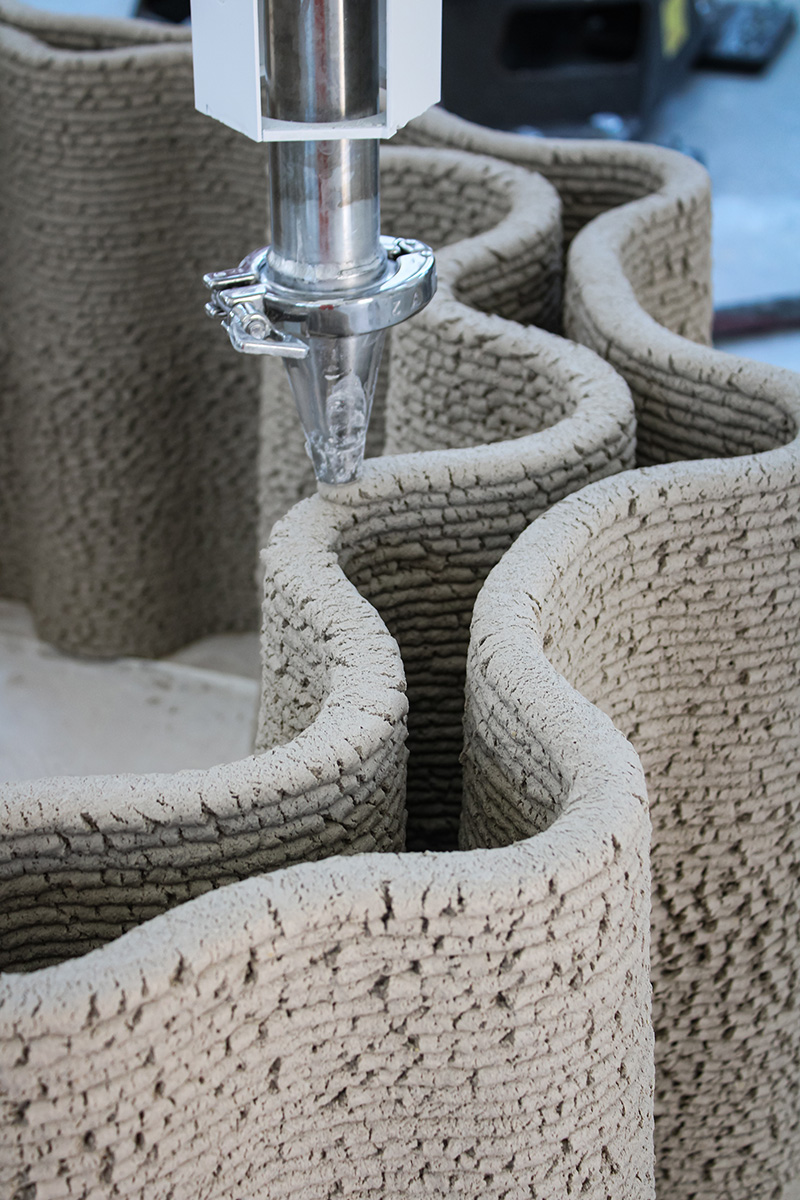
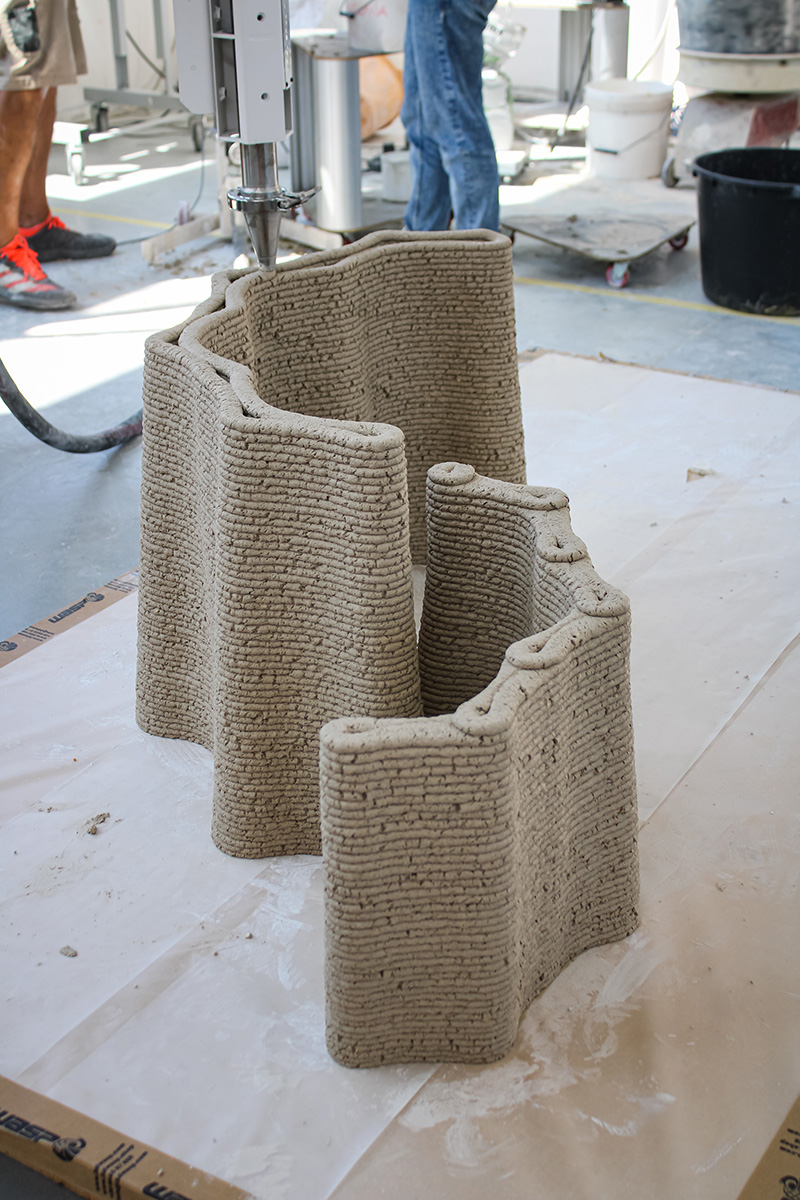
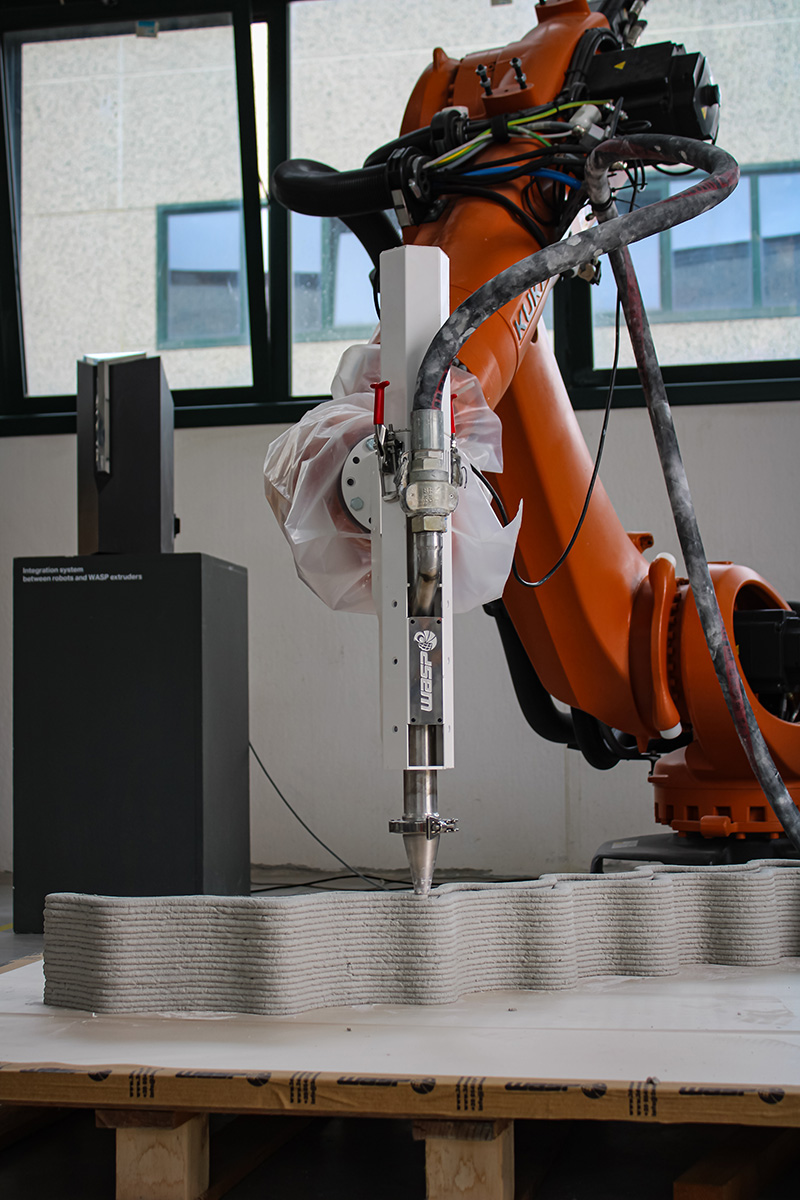
MANUFACTURA optimised CORNCRETL for additive manufacturing. The team tested the mixture using a WASP Concrete HD Continuous Feeding System combined with a KUKA robotic arm. They printed three wall prototypes at different scales and cured them at room temperature within two to three days.
Robotic 3D printing removes the need for conventional formwork. This approach can reduce material waste by up to 90 per cent. It also allows architects to create curved surfaces and complex geometries with high precision.
The designers developed modular wall panels in heights of 40, 60 and 80 centimetres. These lightweight elements target low-cost housing and scalable construction systems. The printed patterns reference terrazzo motifs and demonstrate the material’s aesthetic potential for architectural surfaces.
By merging agricultural waste, lime chemistry and digital fabrication, CORNCRETL presents a practical and culturally rooted solution for circular construction. For architects and interior designers seeking bio-based, low-carbon materials, it offers a scalable path towards more sustainable building systems.
Source: Designboom
Photos: Dinorah Schulte

Comments