Could Fake Coral Materials Clean Up Our Oceans?
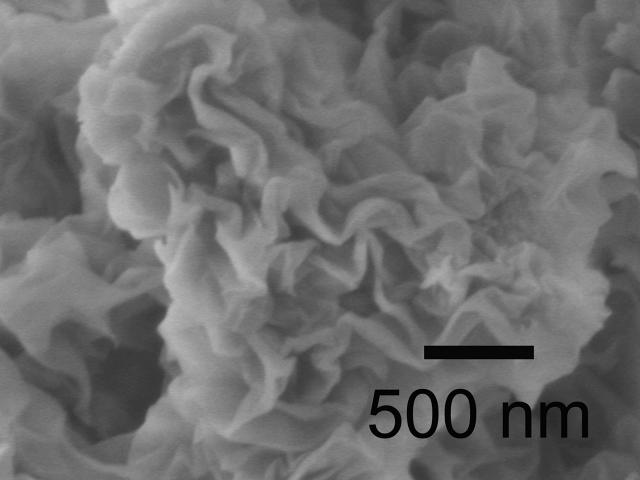

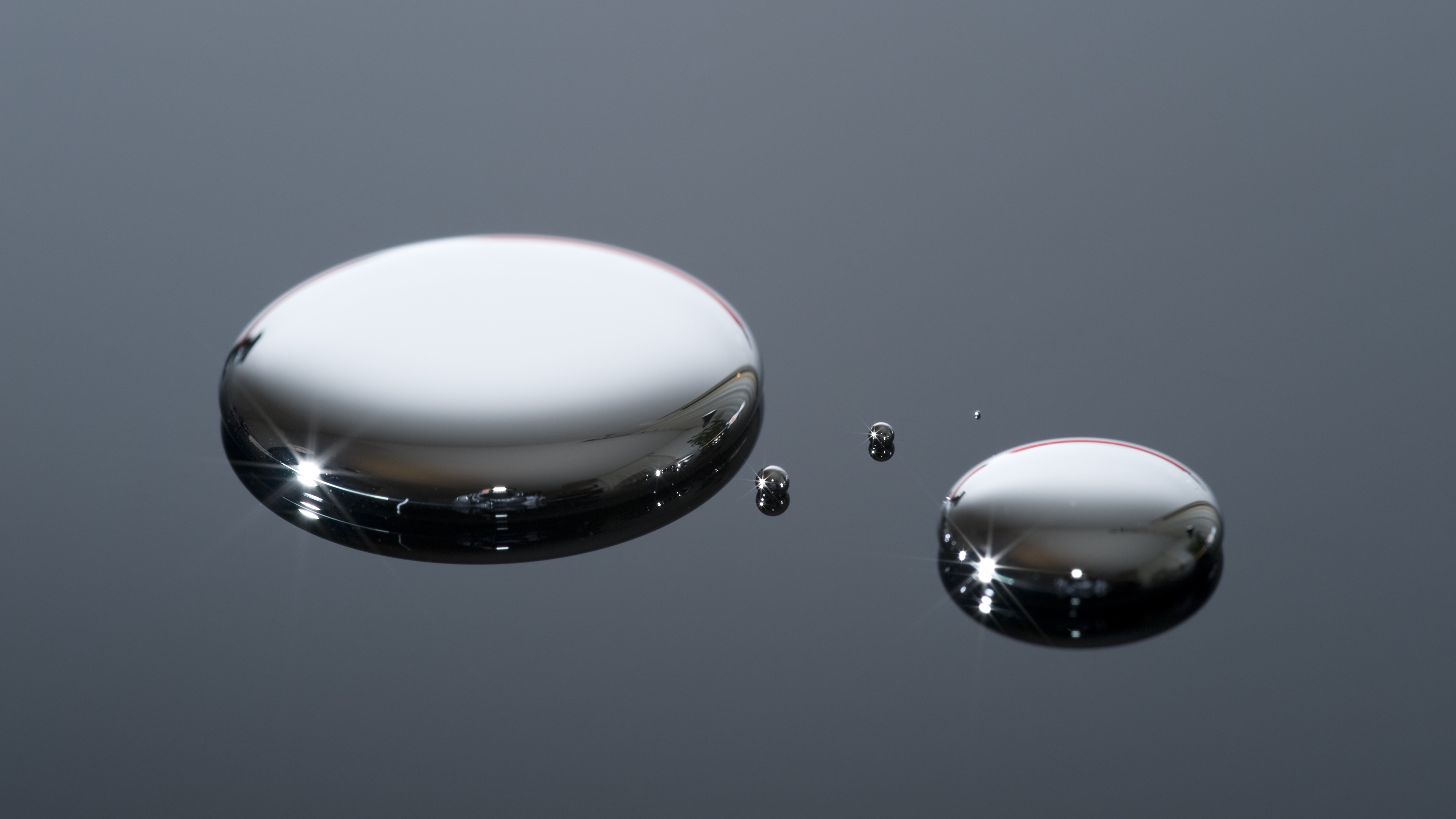
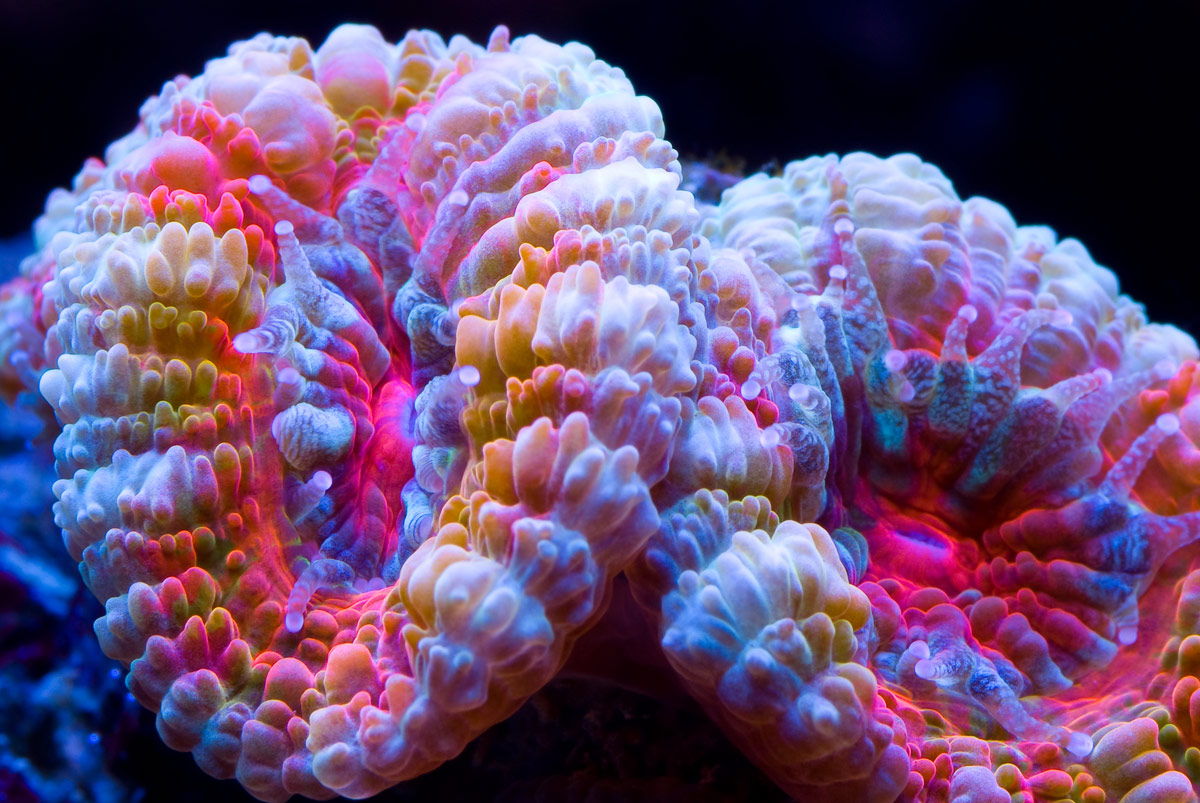
The growing amount of mercury in our oceans is a big environmental problem. But a new kind of artificial coral being developed by researchers at China’s Anhui Jianzhu University could help to reverse this alarming trend.
Natural coral has an incredibly large surface area thanks to its numerous branches, folds, curves and millions of tiny pores. As a result, coral is excellent at absorbing mercury toxins because it offers many places for mercury to ‘stick,’ where it subsequently forms a thin film. The problem however is that mercury is simultaneously killing the coral that are taking in its toxins from the ocean. And herein lies the advantage of the development of artificial coral!
This new kind of artificial coral being developed by the Chinese team of researchers is made from nanoparticles of aluminium oxide. Nanotech materials such as this are highly efficient at absorbing toxins and have been used in the past to absorb toxins such as mercury. A further advantage of aluminium oxide as a design material is that it can also be formed relatively easily into coral-like shapes that mimic the structure of organic elements.
Initial results are promising. Largely because of a new structure design that closely mimics the structure and surface of real coral, this new design was found to remove 2.7 times more mercury toxins from water than other structures made of aluminium oxide. In the end, this new design was able to remove 49 milligrams of mercury per 1 gram of artificial coral.
The idea is that once the pieces of synethic coral have absorbed their maximum amount of mercury, they will be removed from the water and the mercury can subsequently safely disposed of.
The scientists believe it will be a number of years until artificial coral reefs of aluminium oxide will be produced, however in the meantime these tests offer evidence that practical ways of removing toxins from our environment that draw their inspiration from nature exist.
“We hope our work provides inspiration for further investigation,” said team member Wang, whose research was published in the Journal of Colloid and Interface Science.

Comments