Customisable Cold-Climate Shelter for Adaptive Emergency Architecture
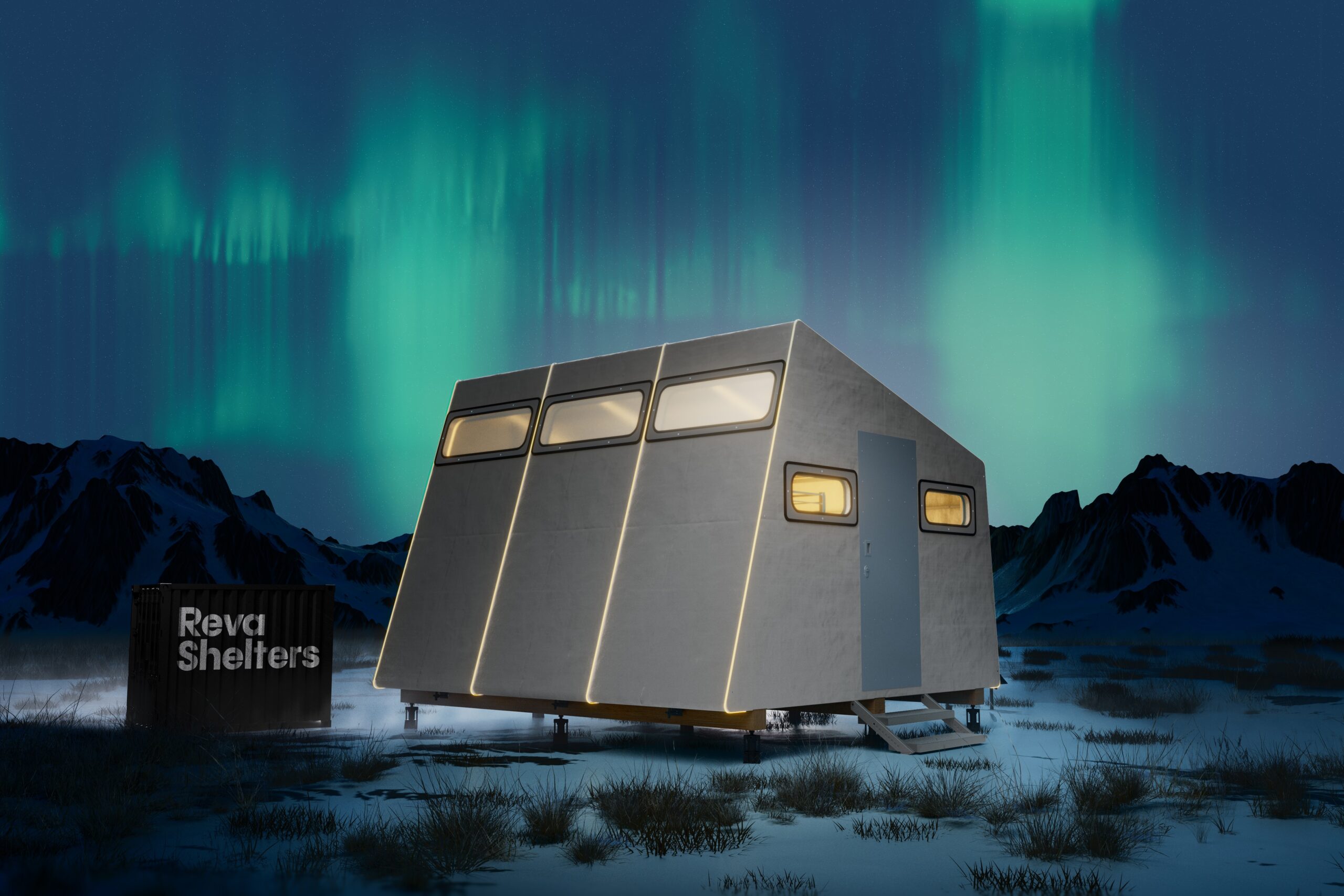
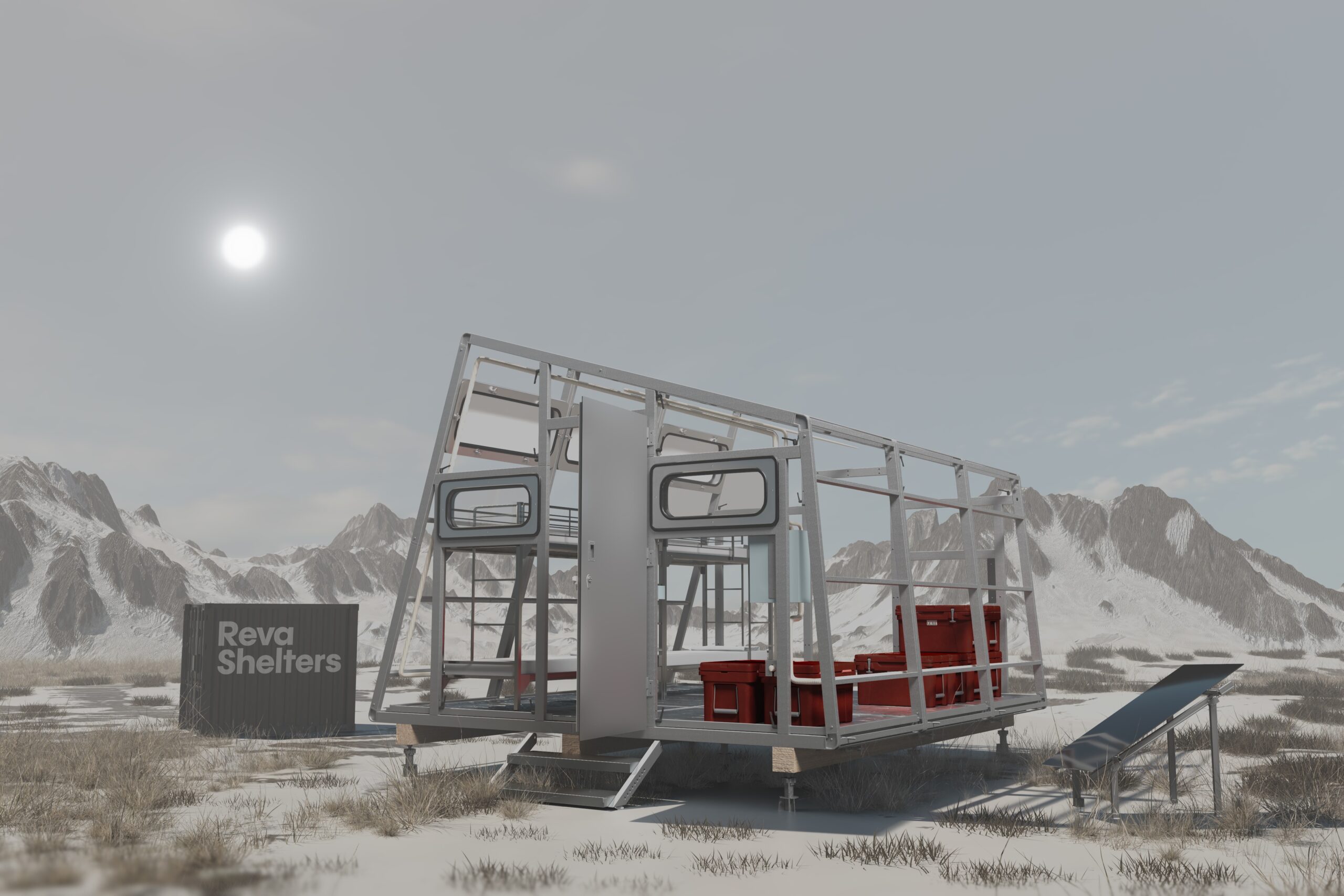
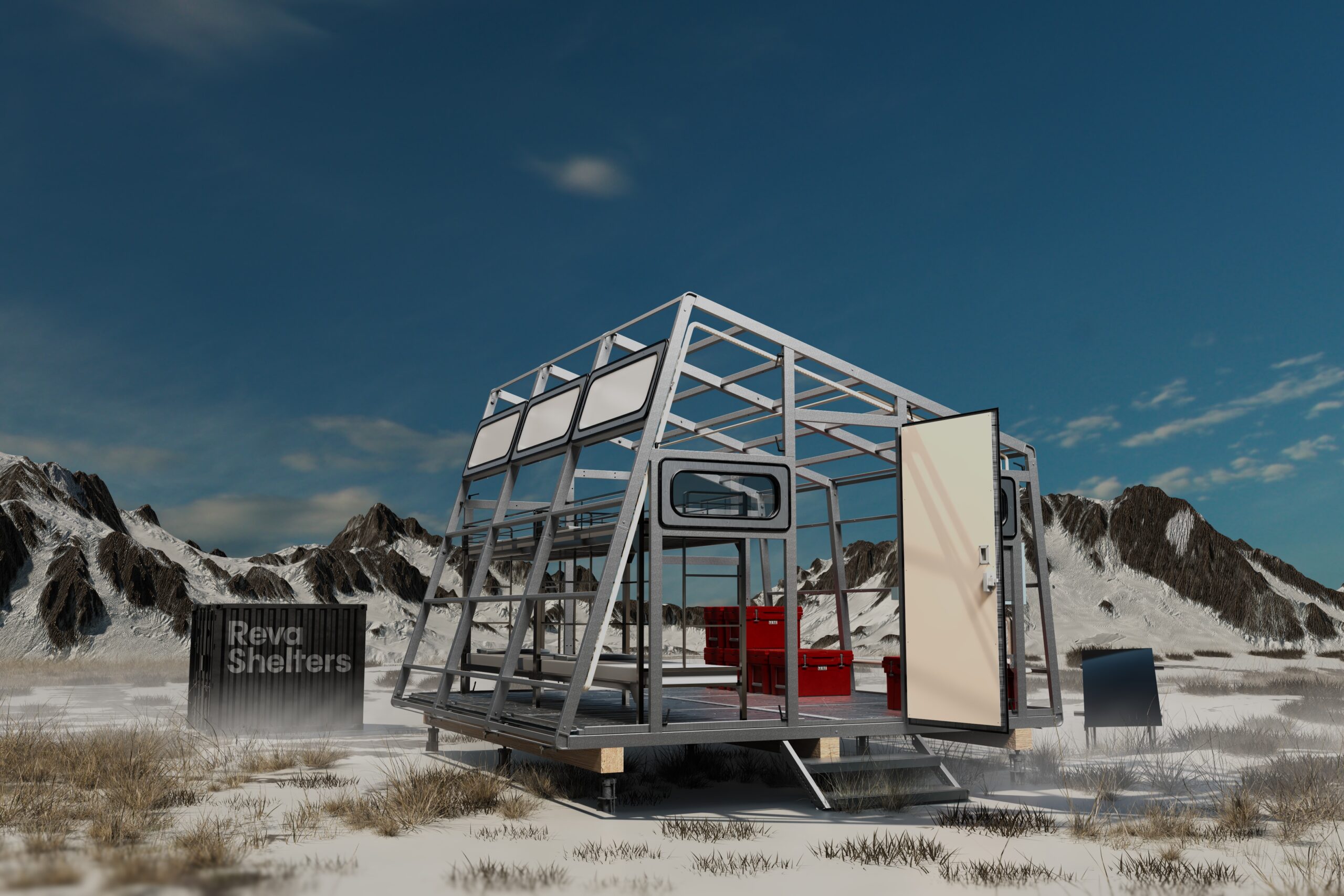
REVA PROJECTS LLC has developed a customisable cold-climate shelter for humanitarian aid and disaster relief in extreme conditions. The Reva Cold Shelter shows how modular architecture and material performance can support rapid deployment in arctic and remote locations.
Designer Max Borshchevskiy created the shelter as a flexible system of prefabricated modules. Each unit can function independently or connect to others. As a result, relief teams can create single shelters or larger clusters, depending on local needs. This approach makes the system suitable for both short-term emergencies and longer transitional housing.
Flexible Interiors for Comfort and Dignity
The modular structure allows different interior layouts. Depending on the configuration, shelters can include sleeping areas, sanitary facilities and small kitchen units. This flexibility improves comfort and privacy for occupants, which often remains limited in traditional emergency shelters. The project demonstrates how spatial quality can still play a role in temporary architecture, even under extreme conditions.
High-Performance Materials and Adaptable Foundations
Material selection is central to the shelter’s performance. REVA PROJECTS uses marine-grade PVC vinyl for the exterior envelope. This material resists moisture, wind and low temperatures while remaining flexible during transport and installation. For specific contexts, the company also offers antibacterial coatings and ballistic-resistant covers.
In addition, the shelter stands elevated above ground level to improve insulation and stability. Four different footing systems allow installation on ice, sand, soil or rock. This adaptability is particularly relevant for architects and landscape designers working in fragile or unpredictable environments.
Climate Control, Daylight and Energy Supply
The Reva Cold Shelter supports both heating and cooling systems. These systems operate reliably in temperatures ranging from –23°C to over 38°C. Passive ventilation comes as standard, while optional filtration systems improve indoor air quality when required.
Translucent side windows bring in natural light and passive heat, while preserving privacy. Transparent front windows and doors allow fast, tool-free installation. Notably, the front door can also function as an emergency flotation device during floods.
The shelter connects easily to international power grids. Alternatively, it can operate off-grid using solar panels, batteries or generators. All electrical components meet IP65 standards, ensuring protection against dust and heavy rain.
Temporary Architecture
The modular system allows reuse, relocation and reconfiguration over time. Therefore, the shelter can support multiple deployments without the need for complete replacement.
Overall, the project highlights how temporary architecture can combine resilience, adaptability and responsible material use.
Source & images: REVA PROJECTS

Comments