Discarded Cigarette Butts Turned Into High-Performance Energy Storage Material
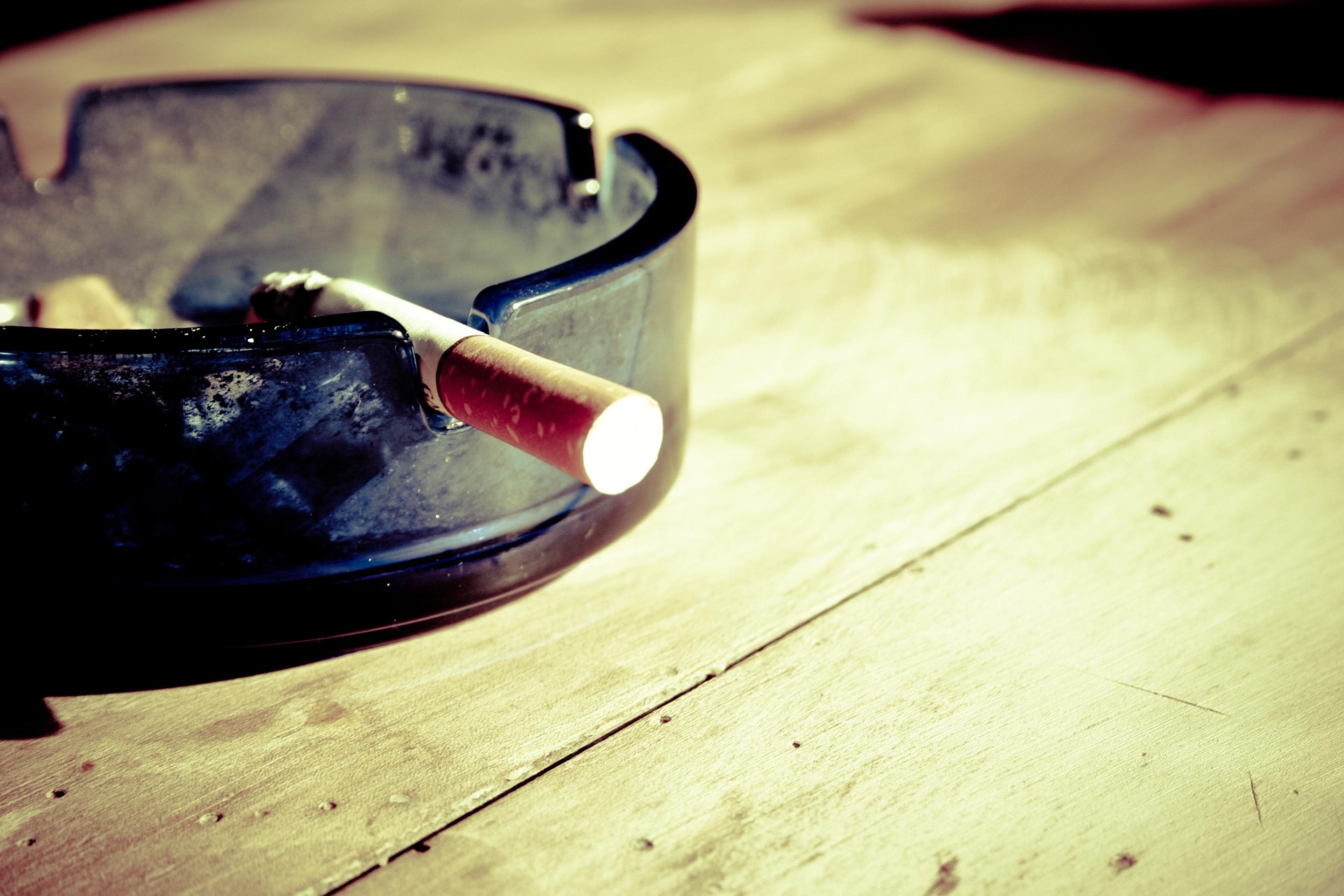
Cigarette butts are one of the most common forms of litter worldwide. Every year, billions of filters end up in streets, rivers and soil. Most filters consist of cellulose acetate, a plastic that degrades very slowly and releases toxic substances into the environment. Researchers have now shown that this problematic waste can become a valuable carbon resource. A new study demonstrates how discarded cigarette butts can be transformed into a high-performance biochar suitable for advanced energy storage applications.
Waste-Derived Biochar for Energy Storage
The research team developed a method to convert cigarette butts into nanoporous biochar doped with nitrogen and oxygen. This structure makes the material highly suitable for use in supercapacitors. Supercapacitors store and release energy very quickly and last much longer than conventional batteries.
These devices already play a role in portable electronics and renewable energy systems. In the future, they could also support smart products, responsive interiors and energy-integrated buildings.
High Performance from a Circular Material
The production process combines hydrothermal treatment, chemical activation and controlled heating. This approach creates a fine network of pores inside the carbon material. These pores allow electrical charges to move efficiently, which improves energy storage performance.
The optimised biochar reached a surface area of more than 2,100 square metres per gram. When used as a supercapacitor electrode, it delivered a high energy capacity and remained stable after 10,000 charge–discharge cycles. Even under heavy use, the material retained more than 95 percent of its original performance.
When assembled into a full device, the electrodes achieved both high energy density and high power output. These results are exceptional for a material made entirely from waste.
Opportunities for Design and Sustainability
This research, published in Energy & Environment Nexus, shows how circular material strategies can meet demanding technical requirements. For designers, it offers inspiration for integrating energy functions into products, interiors or building components using waste-based materials.
Cigarette butts are widely available and difficult to recycle. Turning them into high-value biochar could reduce pollution while lowering the environmental impact of energy storage materials. Although large-scale production still requires further study, the concept highlights the growing potential of biobased and recycled carbon materials in sustainable design.
Source: EurekAlert!
Photo: markusspiske

Comments