Earthquake-Proof Bamboo Housing Offers Low-Cost Resilience in Myanmar
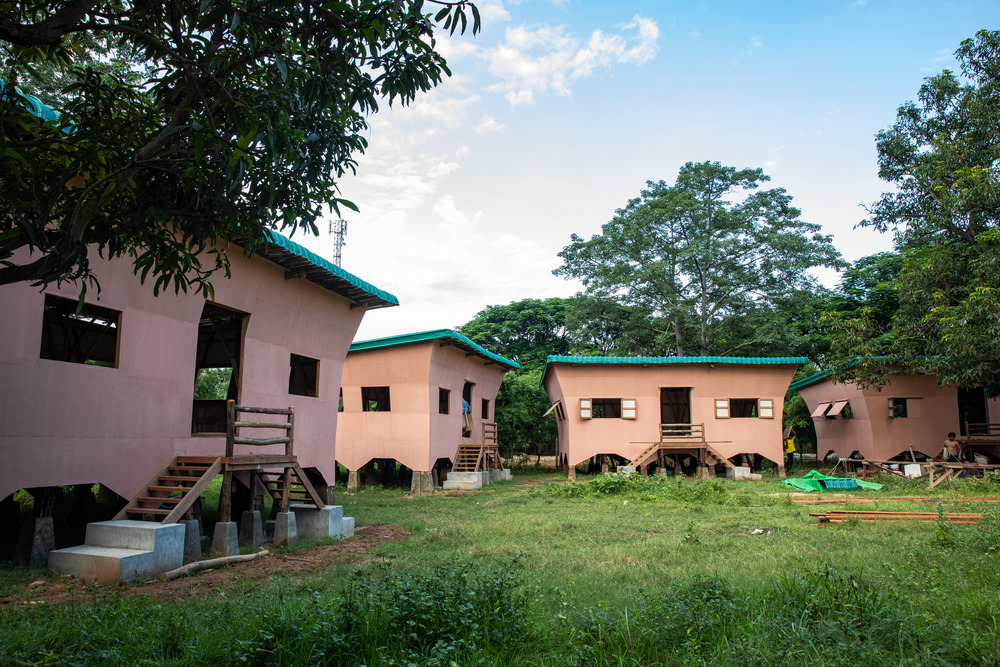
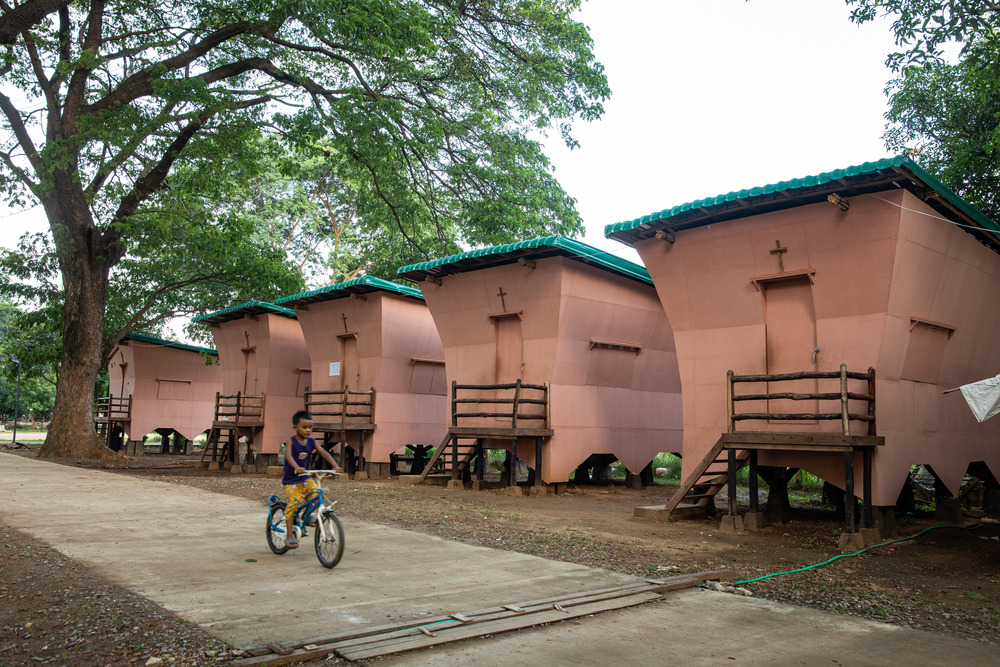
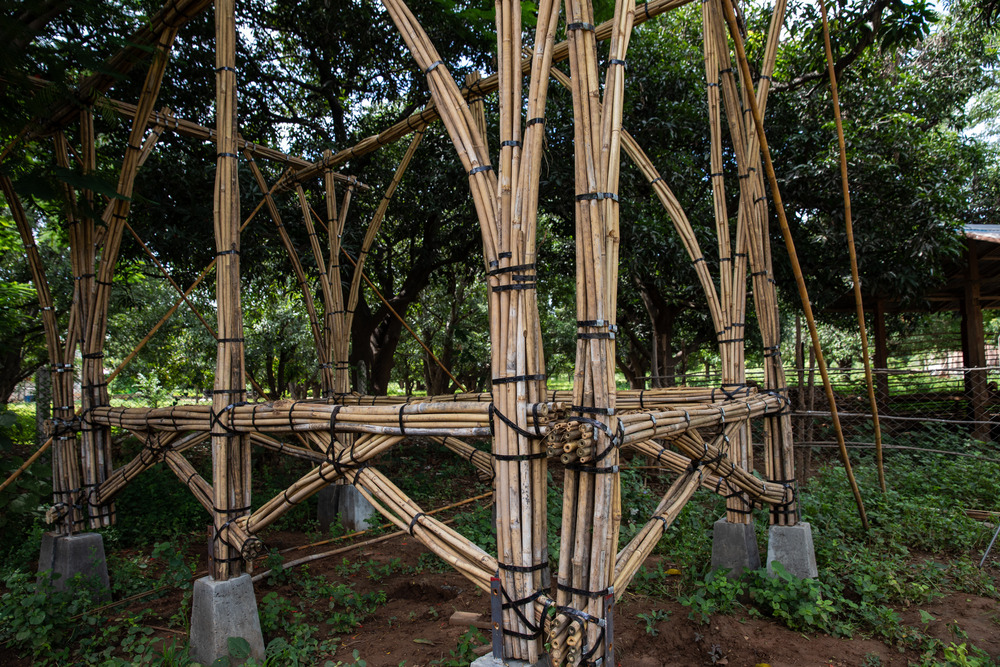
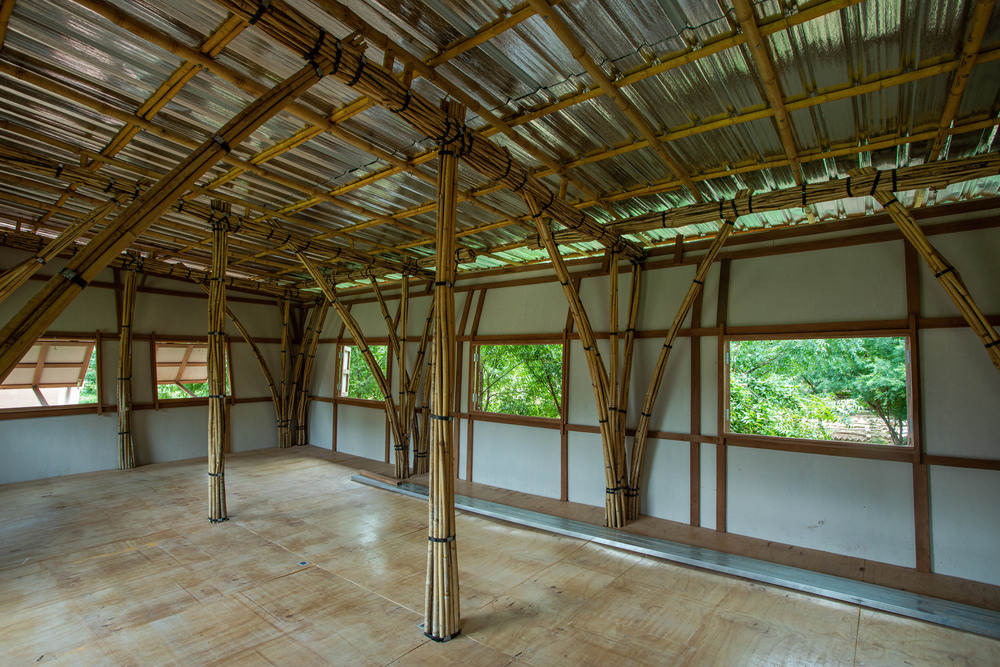
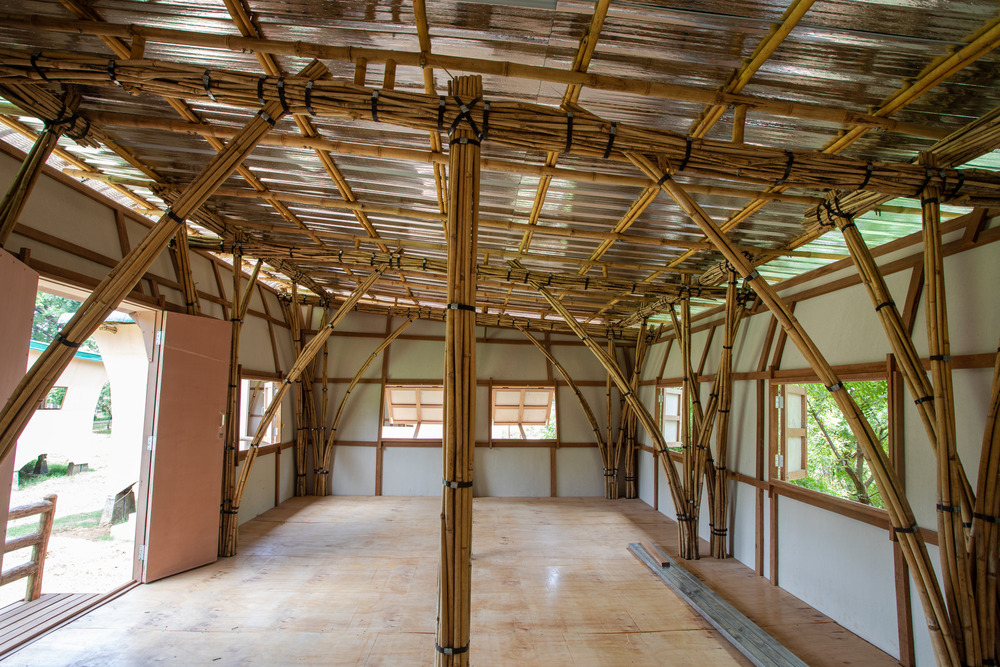
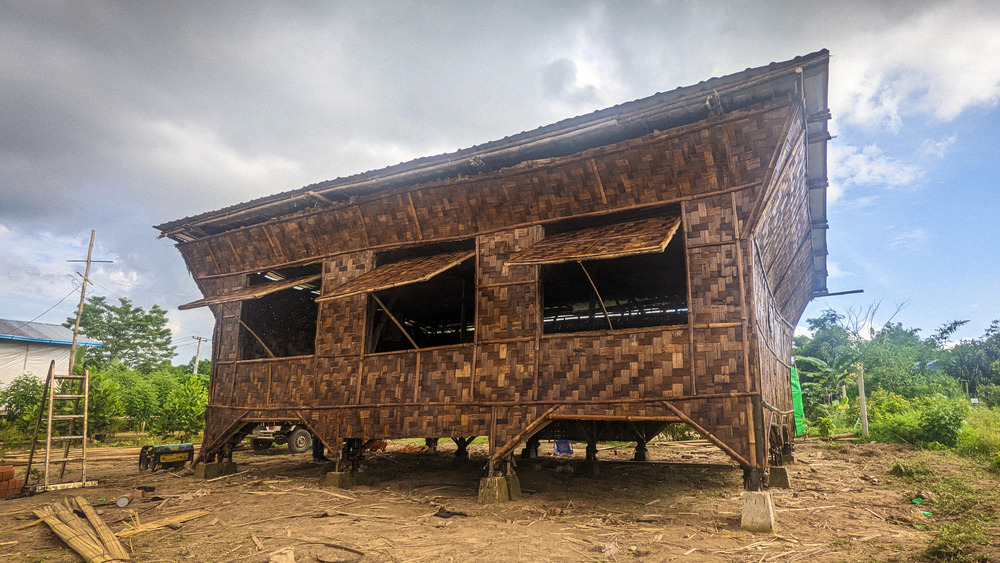
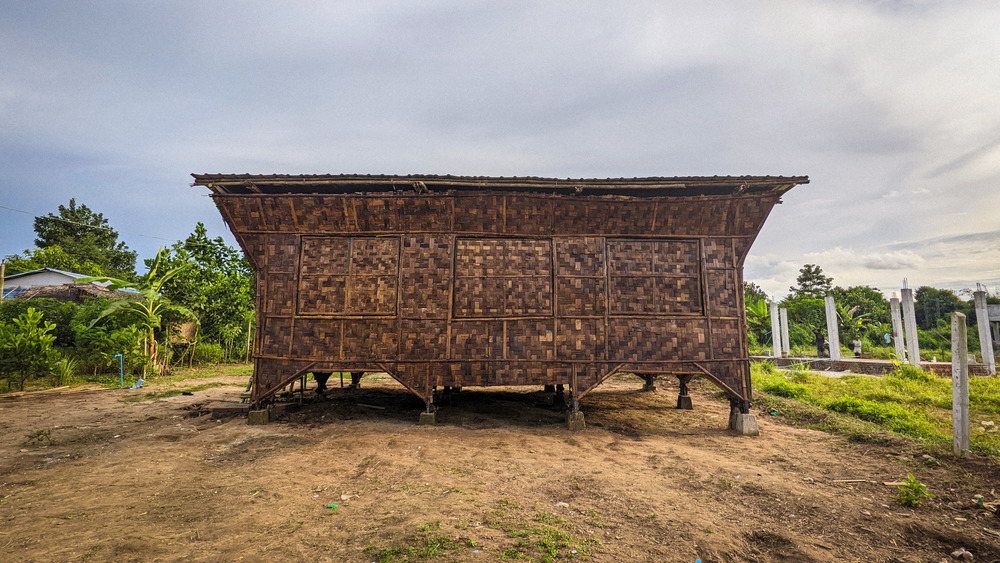
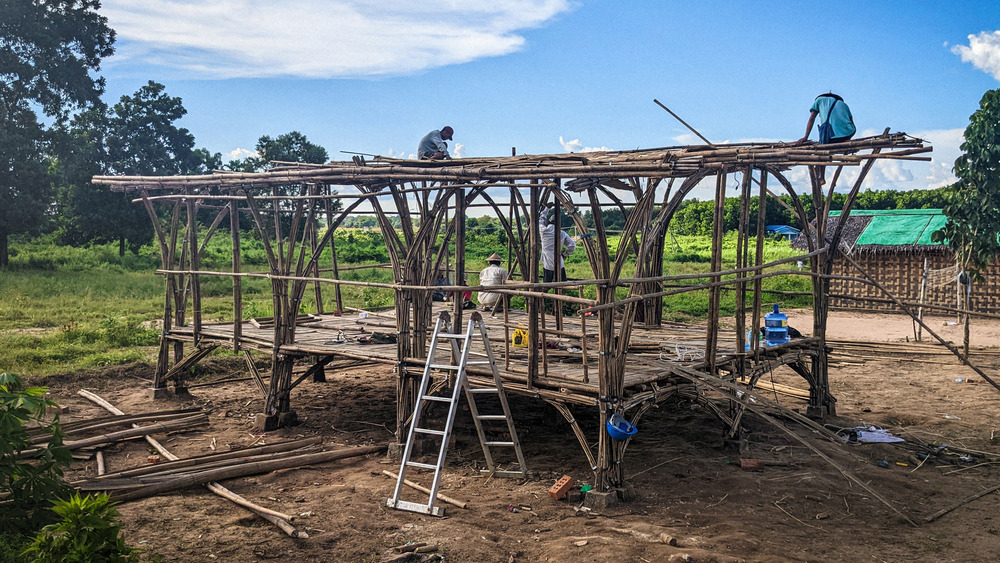
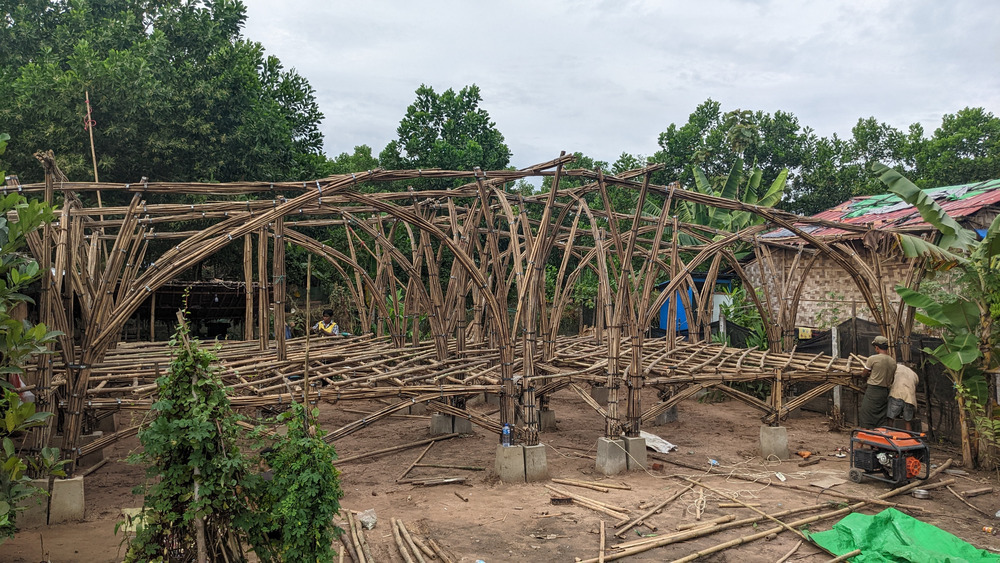
In March 2025, a 7.7-magnitude earthquake struck central Myanmar and caused major damage in Mandalay. Yet only 15 kilometres from the epicentre, a group of 26 bamboo houses for displaced families stayed completely intact. Blue Temple, an architecture studio based in Yangon, designed these modular homes for the Housing NOW initiative. Their work shows how biobased materials can offer safety, speed and dignity, even in extreme situations. Each home costs about the same as a smartphone.
Bundled Bamboo Becomes a Strong Structural System
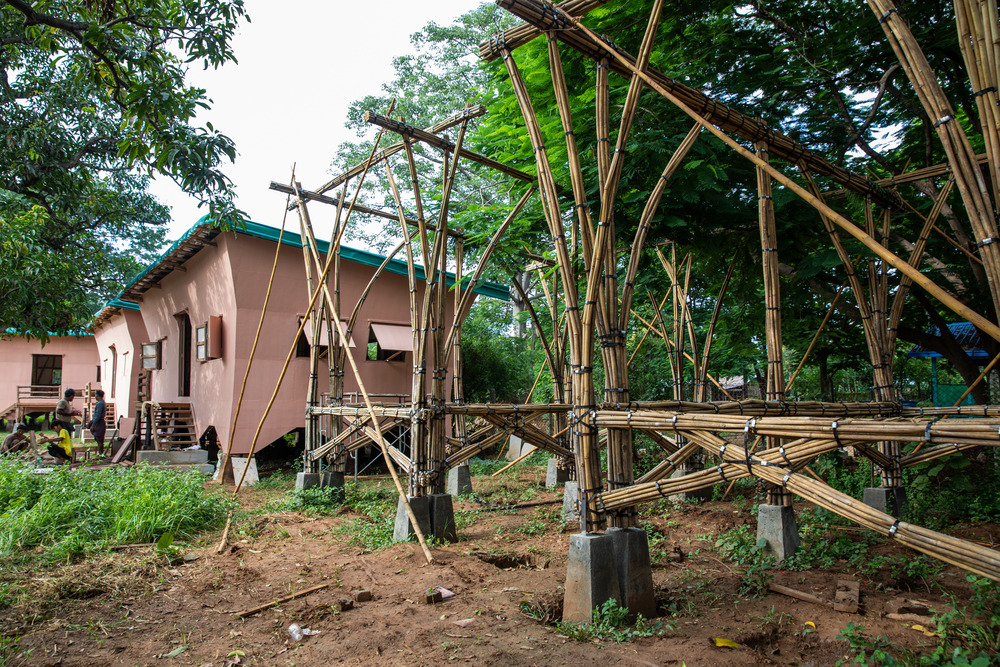
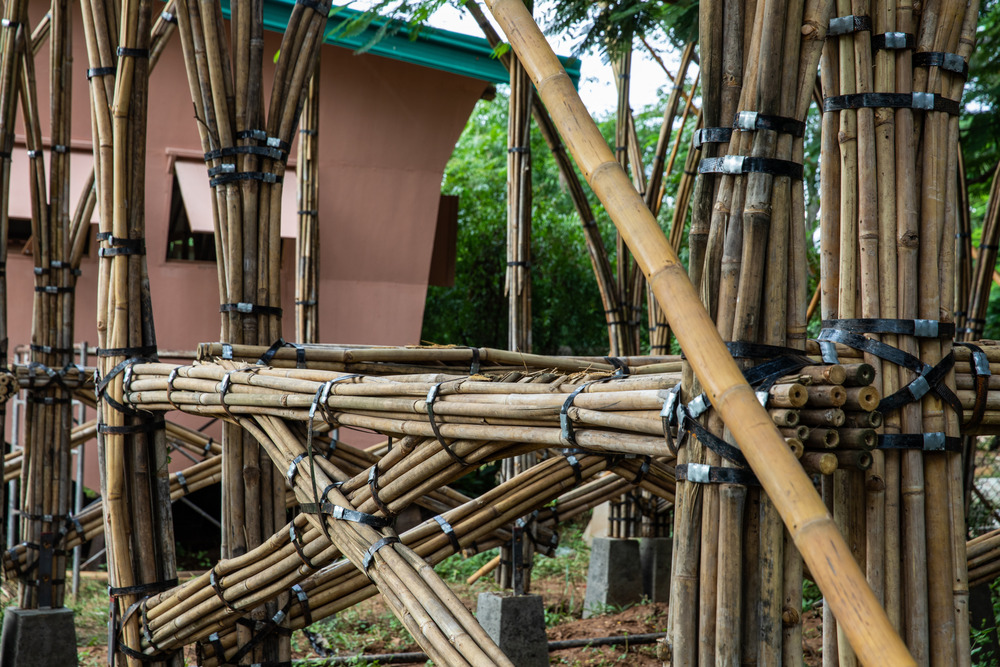
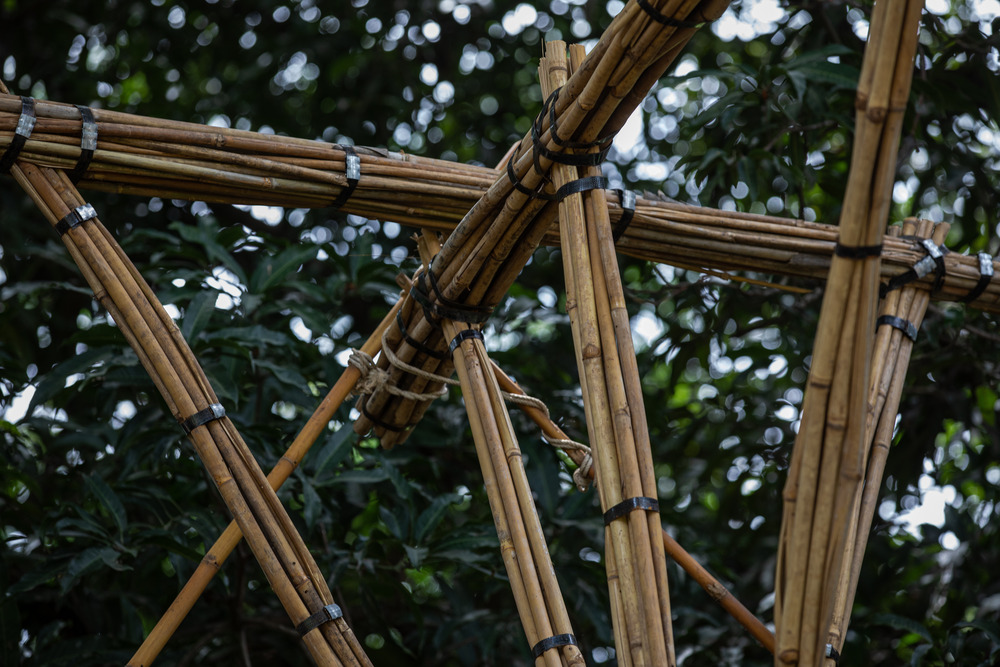
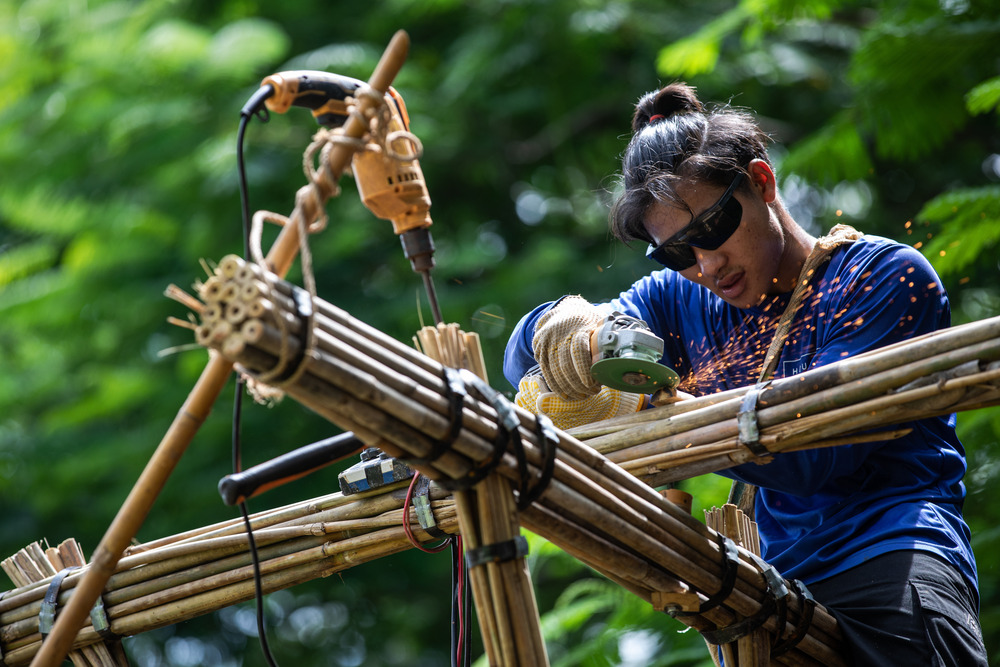
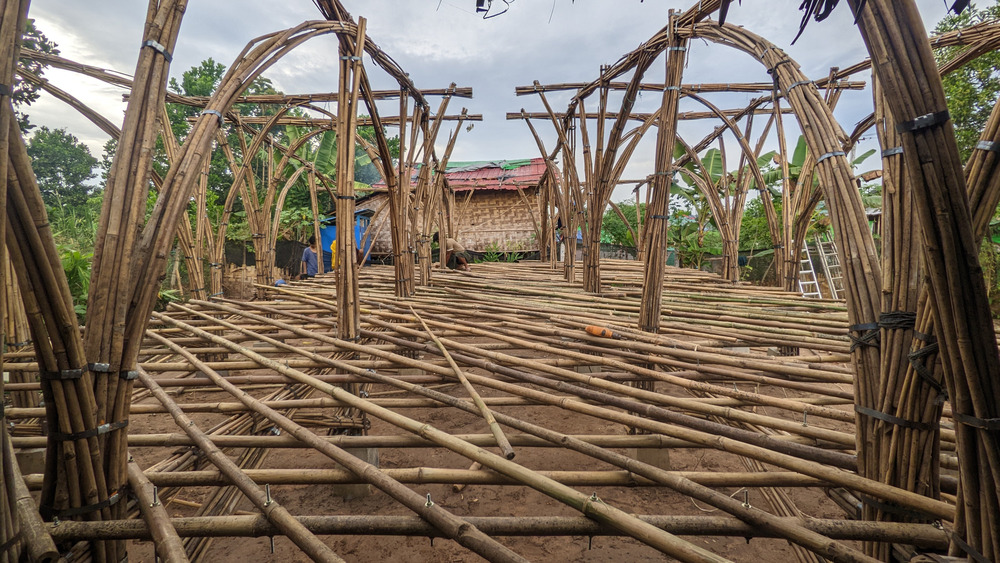
The strength of the houses comes from an innovative technique that bundles small-diameter bamboo. By combining several slender culms into a single structural element, the team creates a frame that locks together through geometry. This system spreads seismic forces and makes the structure more stable during an earthquake.
For designers, the project highlights the potential of bamboo as a renewable and low-carbon material. It grows quickly, stores carbon during its lifetime and is widely available in Myanmar. It also requires little industrial processing. The method fits well with circular design principles, because builders can disassemble and reuse bamboo elements at the end of their life cycle.
Fast Construction With Strong Community Involvement
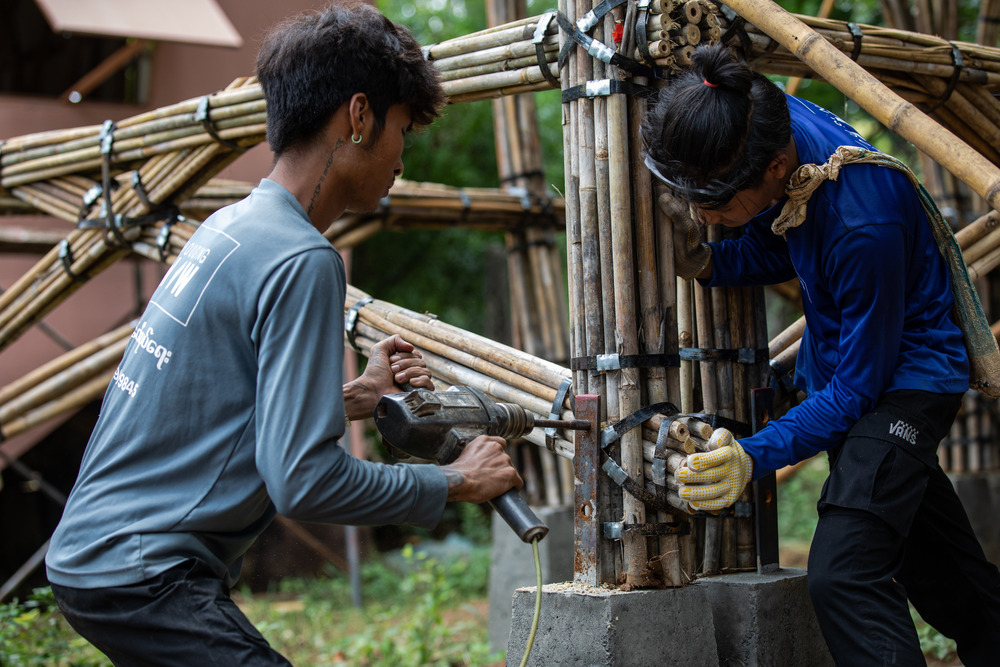
A team can build one house in less than a week. Families help with the construction, working with support from Housing NOW’s technical staff. This approach strengthens local knowledge and builds confidence within the community. The modular system also offers flexibility. Households can adjust layouts and façades to suit cultural needs, climate conditions or available materials.
Housing NOW expands its impact through more than one building model. The organisation created a bamboo-building manual, which helps communities construct simple and safe structures with local tools. It also supports families who want to improve their self-built homes through professional guidance. These efforts form a wider strategy for safe and affordable housing in conflict-affected areas.
A Material Inspiration for Designers
For architects, interior designers and product designers, the project shows how bamboo can perform as a structural material in modular and lightweight construction. Its high tensile strength, low weight and natural flexibility make it suitable for emergency shelters, community buildings and climate-responsive design. The bundled system also opens up opportunities for prefabrication and parametric design using natural fibres.
As interest grows in biobased and circular materials, Housing NOW provides a clear example of how renewable resources can deliver reliable, affordable and resilient architecture at scale.
Source: Blue Temple / Housing NOW via v2com
Photos: Aung Htay Hlaing / Raphaël Ascoli

Comments