Eco-Friendly Desert Sand Bricks Offer Low-Carbon Alternative To Portland Cement
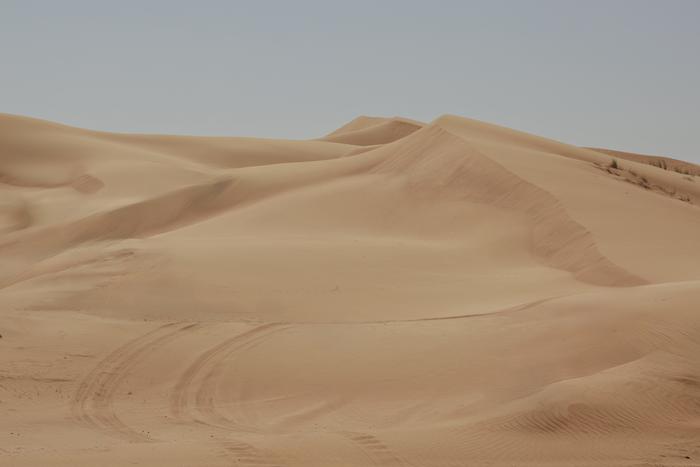
Researchers at the University of Sharjah have developed sustainable bricks made from desert sand and alkali-activated binders. The innovation offers a lower-carbon alternative to Portland cement and fired-clay bricks. It could help reduce the environmental impact of masonry construction, especially in arid regions.
From Desert Sand To Sustainable Masonry
Desert sand is widely available in the Gulf region. However, the construction industry has long considered it unsuitable for structural use. The researchers set out to change that perception.
They combined locally sourced desert sand from the Sharjah region with alkali-activated binders (AABs). These binders use alkaline solutions to trigger chemical reactions that form strong, rock-like structures. Unlike conventional systems, the team cured the bricks at ambient temperature. This avoids heat-intensive processing and reduces energy consumption.
The binder system can also incorporate industrial by-products such as blast-furnace slag and fly ash. This approach supports circular construction by turning secondary materials into valuable resources.
Reducing Carbon In The Built Environment
Portland cement production accounts for up to 10% of global CO₂ emissions. The construction sector consumes around 40% of global energy. Architects and designers increasingly seek low-carbon building materials to address this impact.
These desert sand bricks reduce reliance on carbon-intensive cement. They also use locally available resources, which can lower transport emissions. The research supports the development of regionally sourced, climate-resilient materials for sustainable architecture.
Strong Performance In Harsh Conditions
Sustainability alone is not enough. Building materials must also meet strict performance standards.
The researchers tested the bricks for mechanical strength, water absorption and durability. The desert sand bricks showed higher mechanical performance than conventional cement-based bricks. They also absorbed less water, which improves long-term durability.
The team exposed the material to aggressive chemical environments. In sulfate-rich conditions, common in coastal and marine areas, the bricks maintained their structural integrity. In several cases, they outperformed traditional cement-based bricks.
The material met ASTM standards for strength and durability. Tests included wetting and drying cycles, efflorescence assessment and sulfate resistance.
Scaling Up Production
The researchers now aim to move from laboratory testing to industrial production. They plan pilot-scale manufacturing to verify quality and consistency. The team will also conduct a detailed cost and environmental impact analysis.
This development shows how designers and engineers can rethink locally abundant materials. By transforming desert sand and industrial by-products into durable masonry units, the project supports circularity, reduces embodied carbon and opens new possibilities for sustainable construction in arid climates.
Source: University of Sharjah via EurekAlert!
Photo: Abdul Wahid Muhammad Ikram

Comments