Edible Fungus Creates Natural Waterproof Coatings for Textiles, Paper and Wood
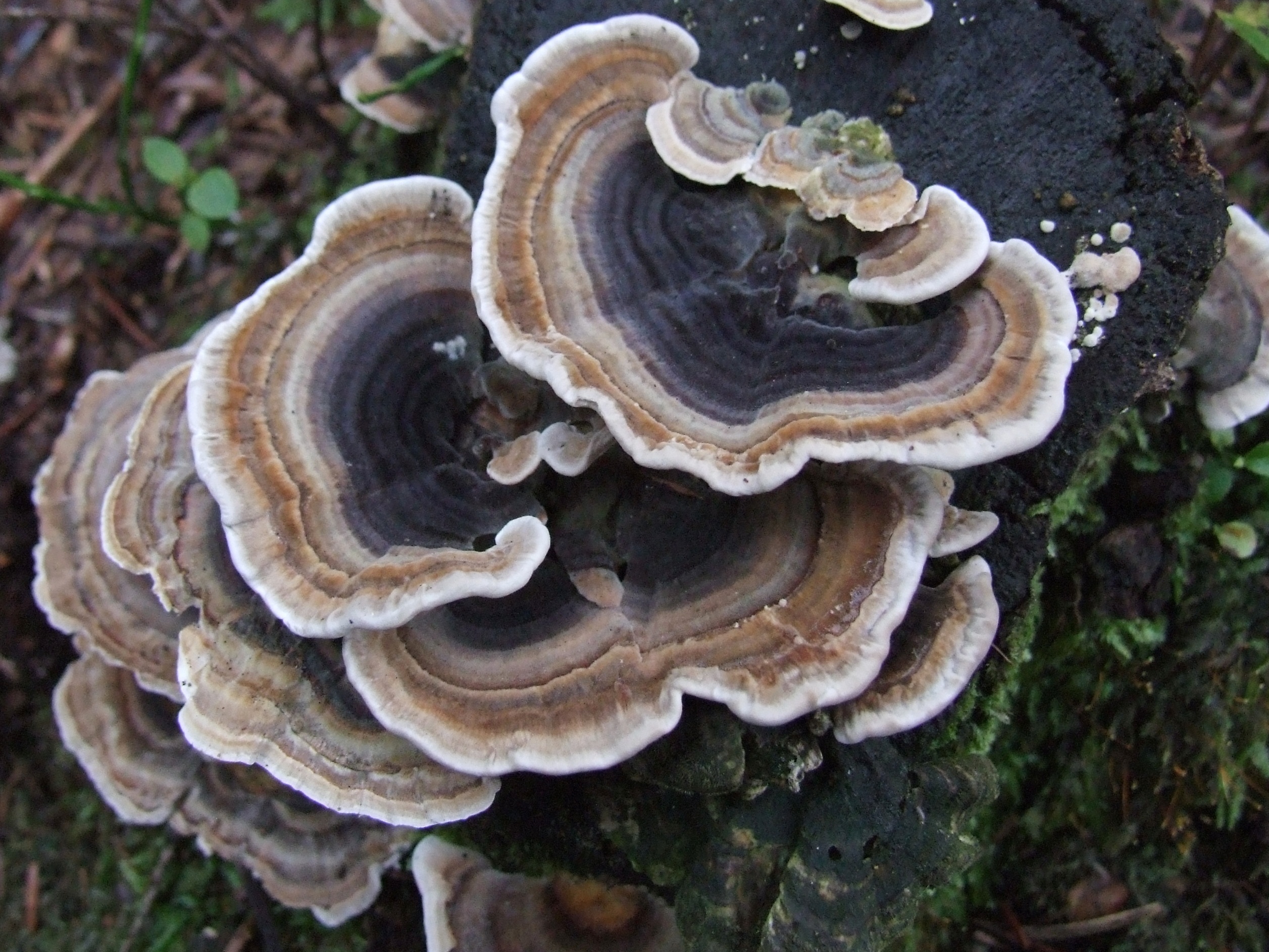
Researchers have created a biobased, food-safe coating made from edible fungal mycelium. This new material offers designers a natural alternative to plastic-based waterproof layers used in packaging, textiles and lightweight products. The study, published in Langmuir, shows how the “turkey tail” fungus (Trametes versicolor) can grow directly on surfaces such as paper, denim, polyester felt and thin wood veneer. The resulting layer repels water, oils and grease.
Moving Beyond Plastic Coatings
Single-use plastics continue to dominate many coated materials, from takeaway cups to grease-resistant food packaging. These coatings often rely on synthetic polymers or chemicals that are hard to recycle. Mycelium provides a more sustainable option. It forms a dense network of fibres that naturally resist moisture. When combined with cellulose nanofibrils — tiny wood-based fibres known for blocking oxygen and oils — the fungus can create a renewable and biodegradable barrier layer. This combination supports designers who are searching for safe, low-impact and circular materials.
Growing a Functional Coating
To make the coating, the research team mixed living mycelium with a nutrient-rich suspension of cellulose nanofibrils. They then spread this mixture onto materials in thin layers. Over several days, the fungus grew into a continuous film. A brief heat treatment stopped the growth and dried the coating. The new layer added very little thickness, similar to a thin coat of paint. It also introduced soft natural colours, including yellow, orange and tan, which may appeal to designers who value organic surface finishes.
Tests showed clear differences between treated and untreated materials. Water droplets remained on the surface of the coated samples, while untreated fibres absorbed moisture immediately. The coating also blocked liquids such as n-heptane, toluene and castor oil. These results show that the fungus can create a wide-spectrum protective layer using only biobased ingredients.
Opportunities for Designers
This growing method offers new possibilities for architects, interior designers, fashion designers, product developers and packaging specialists. A natural waterproof coating could support fibre-based packaging that resists grease, textiles that stay dry without synthetic finishes, or thin wood products that benefit from extra protection. Because the coating grows directly on the material, it could also reduce processing steps and support circular manufacturing systems.
As interest in regenerative design increases, this fungal coating shows how nature can offer practical alternatives to single-use plastics. The approach demonstrates the potential of biofabrication to create materials that are safe, renewable and effective.
Source: American Chemical Society
Photo: Jerzy Opioła

Comments