Engineered Timber Roof Defines Material Strategy of Sydney Fish Market
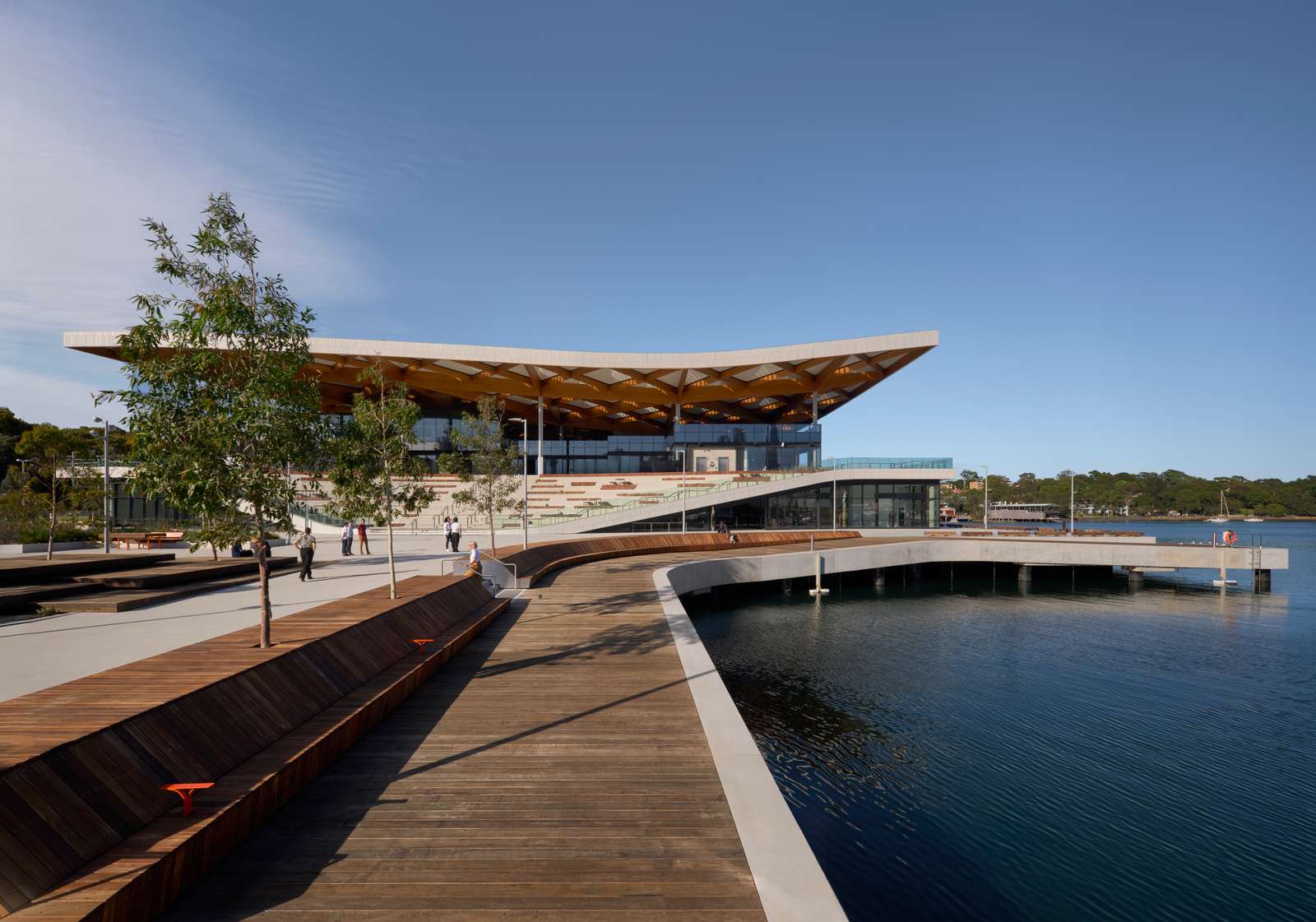
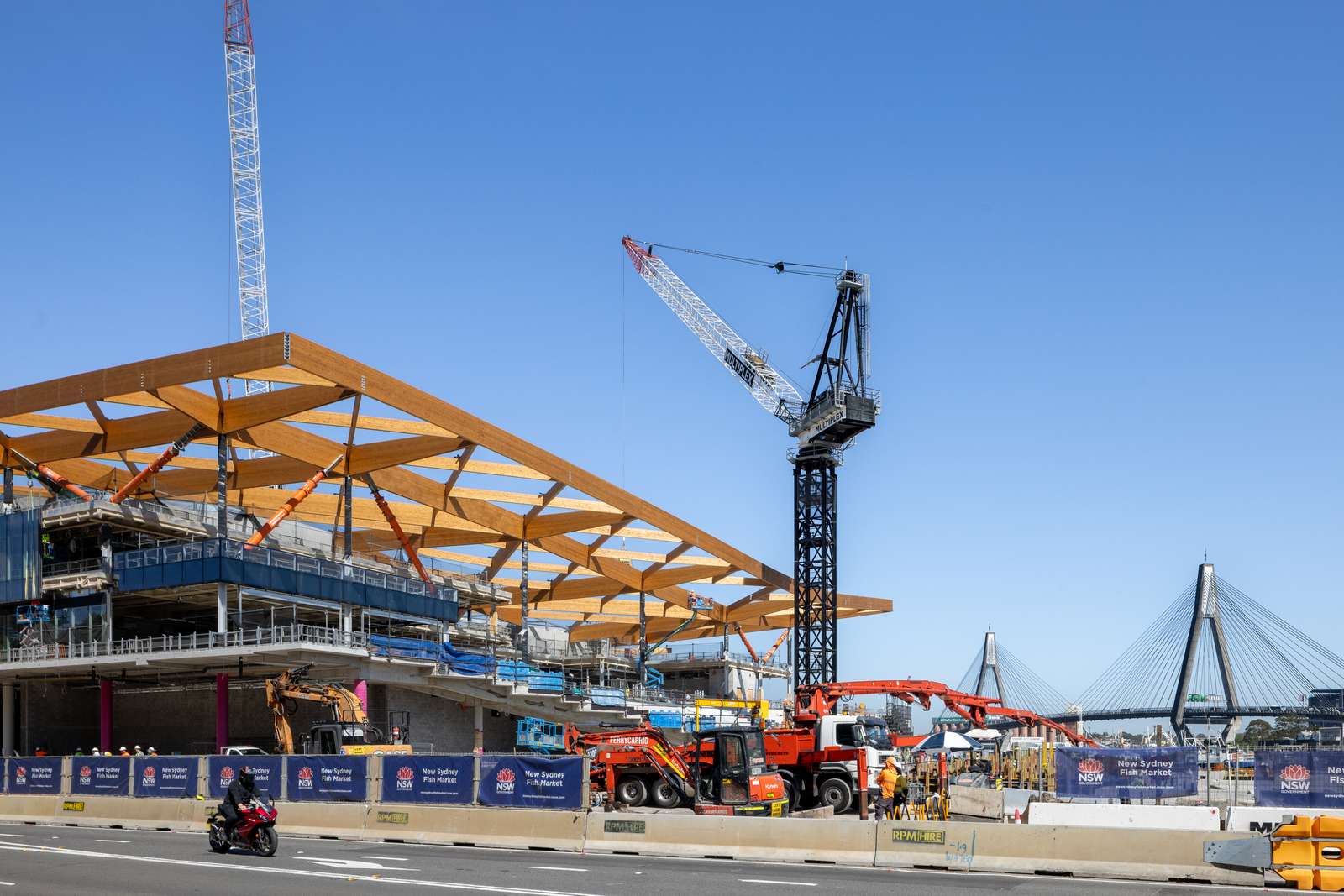
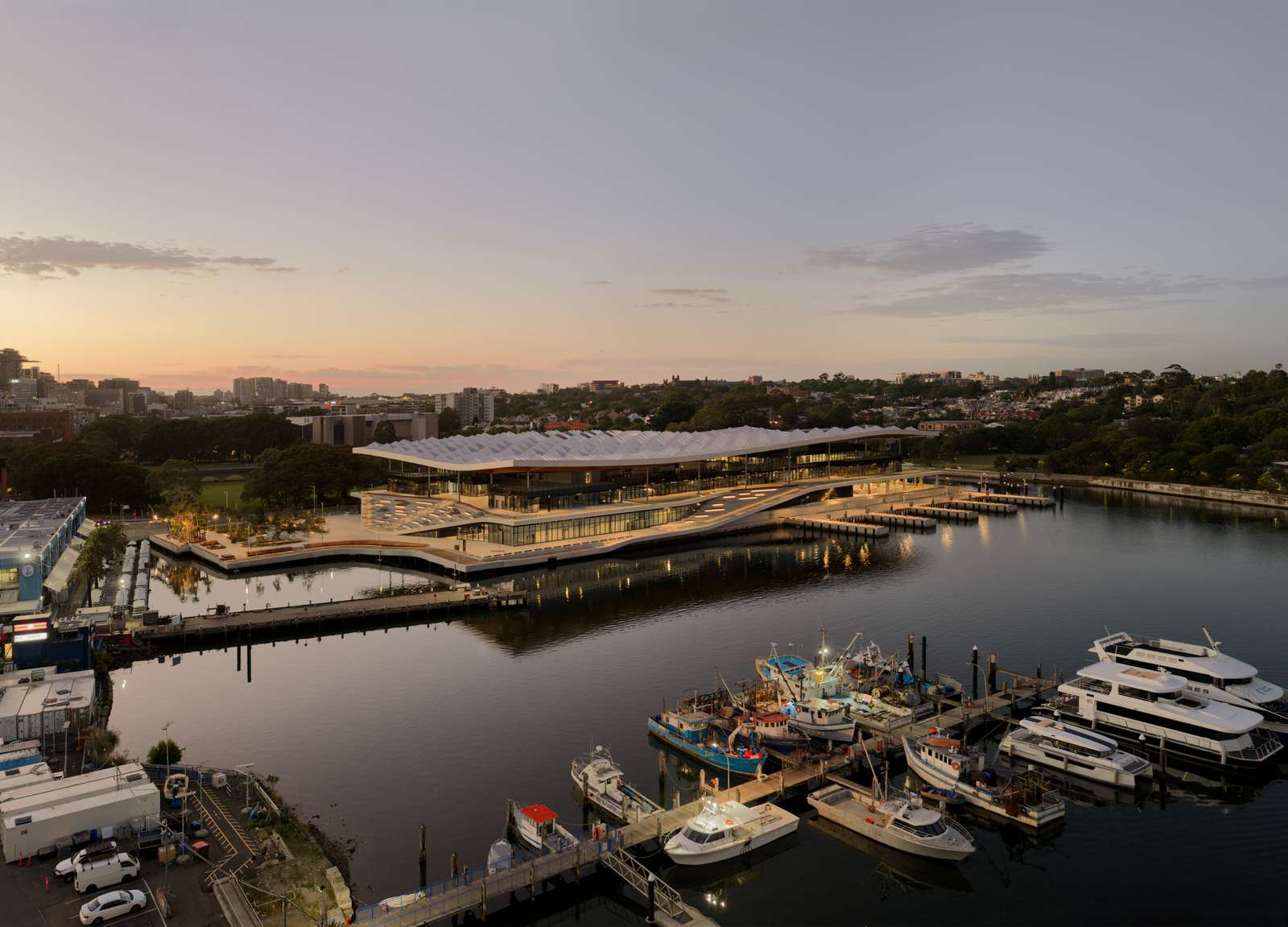
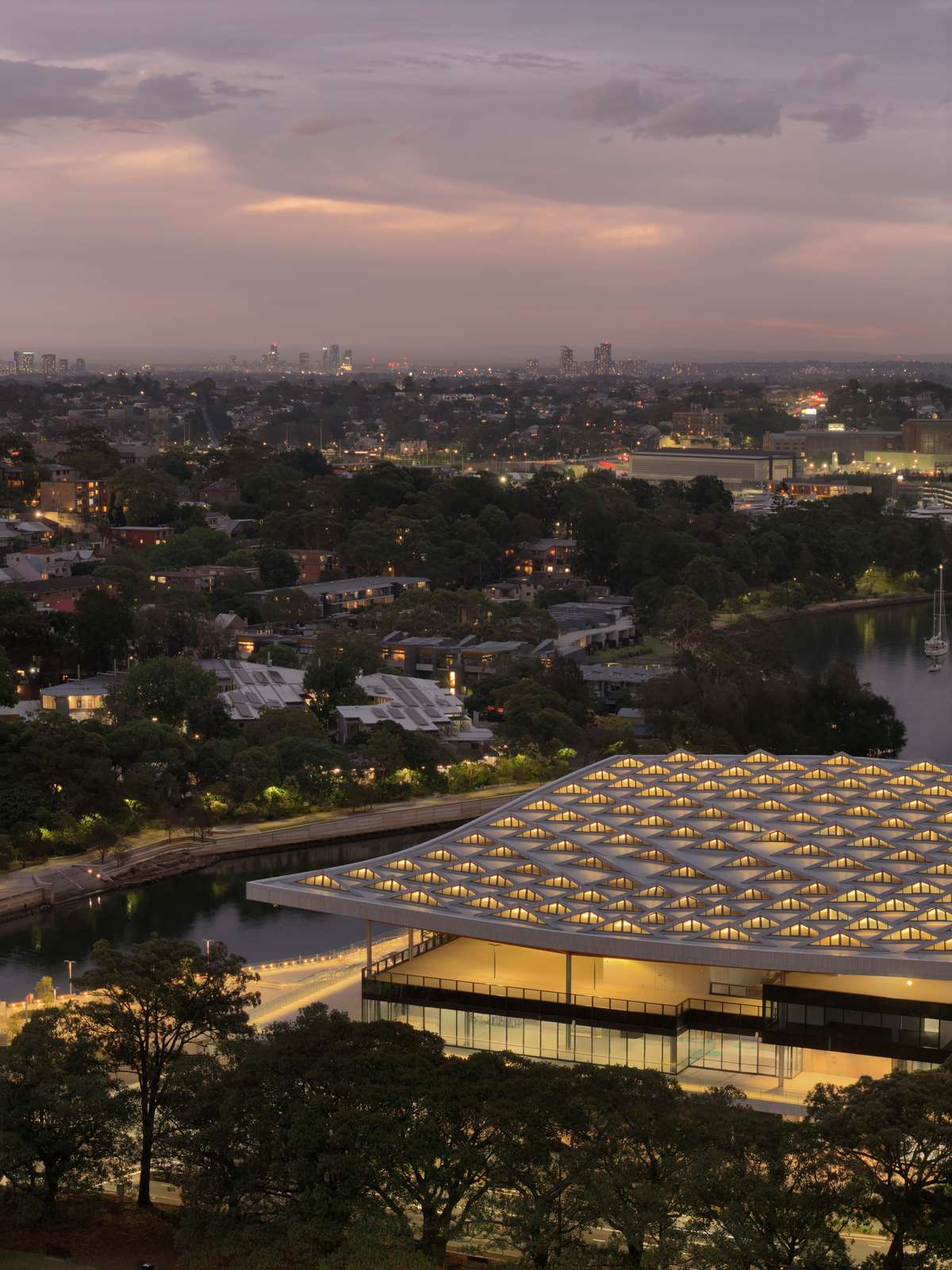
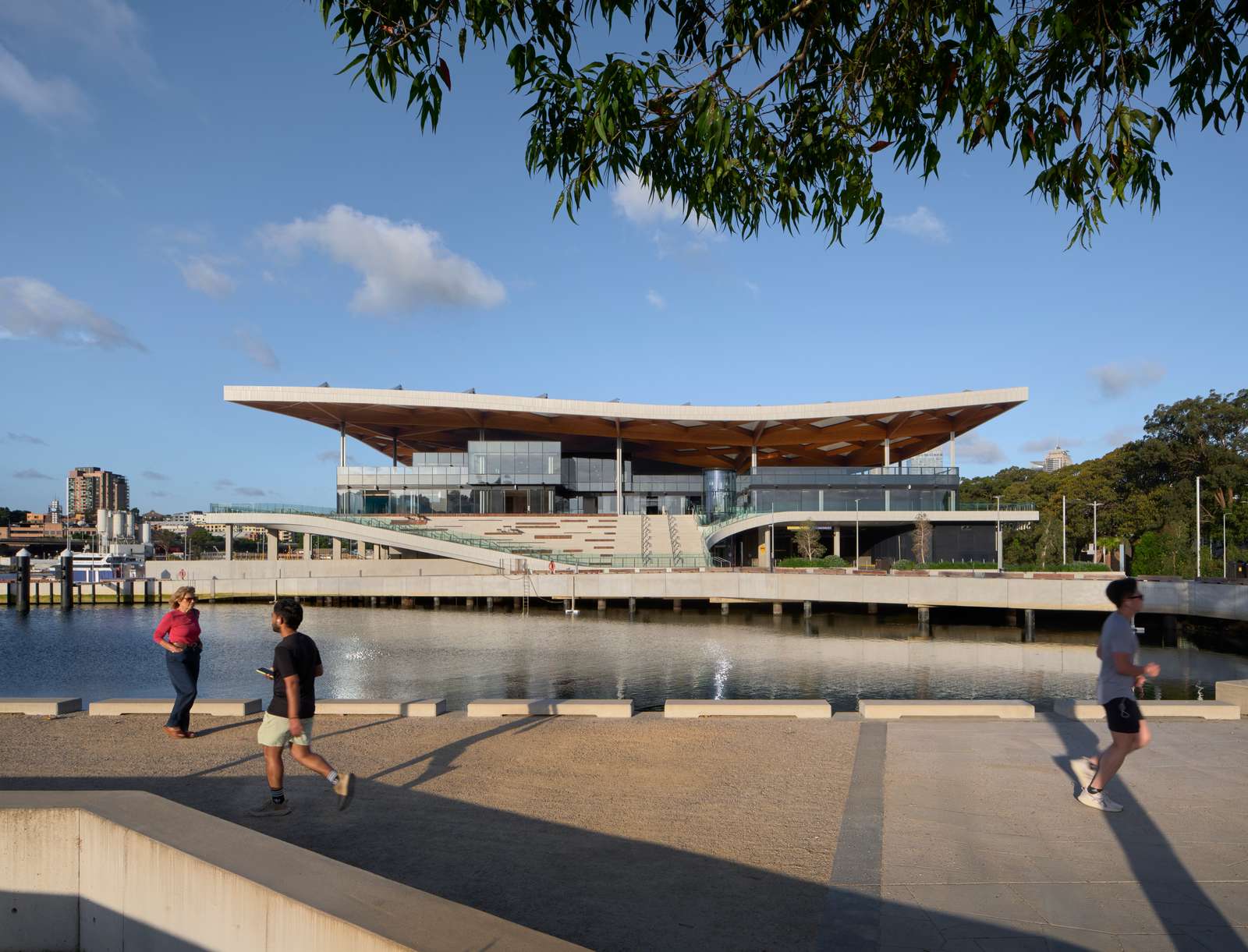
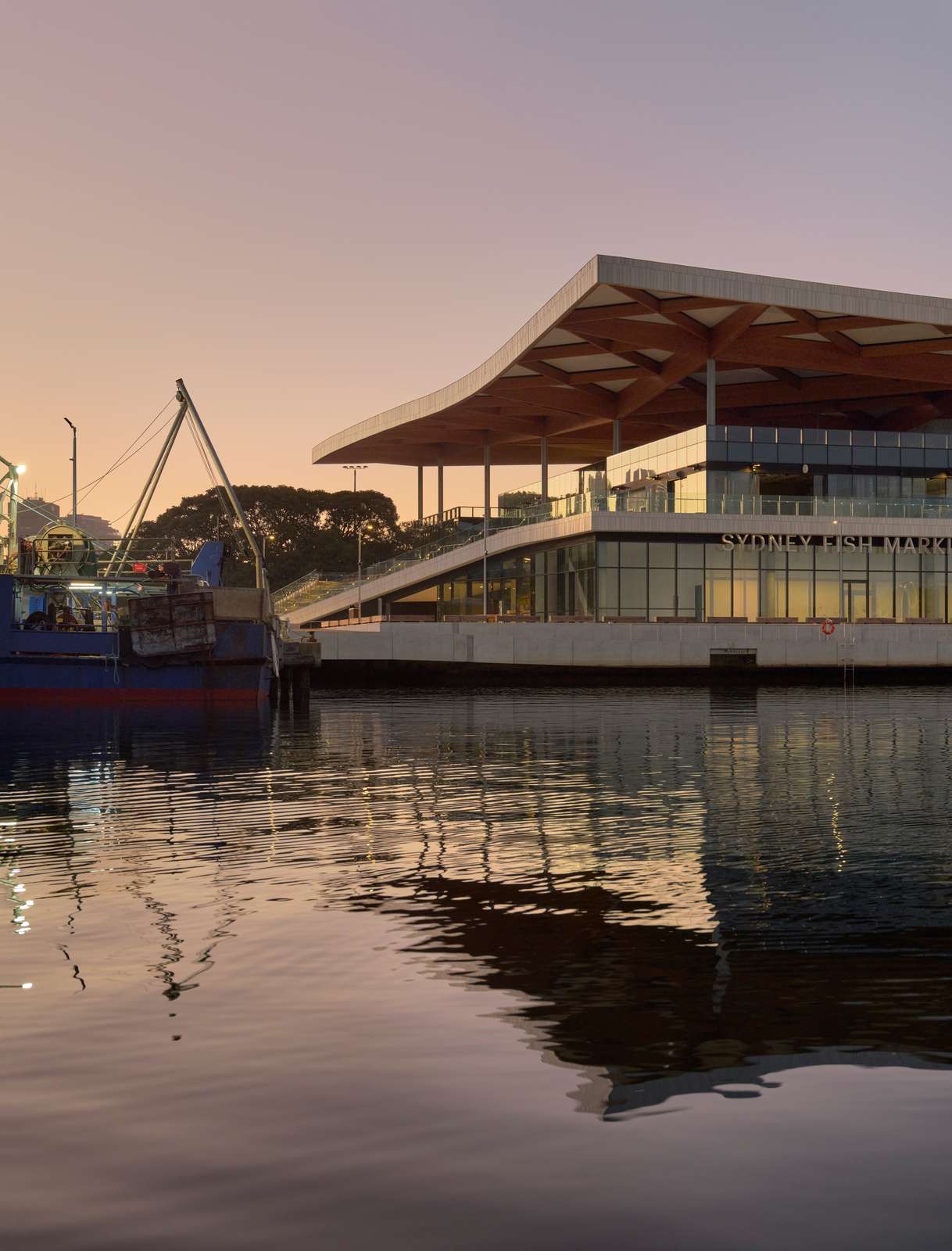
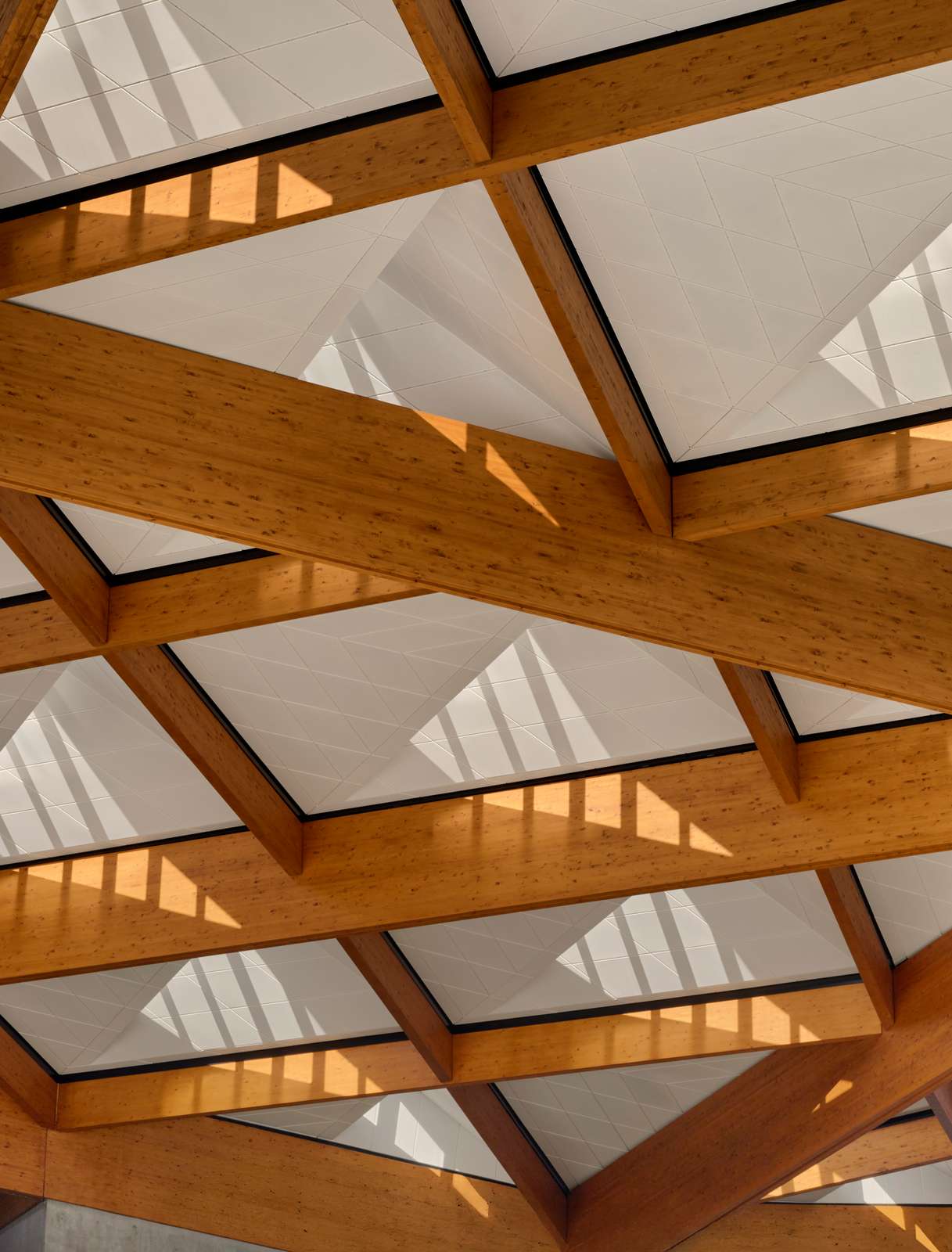
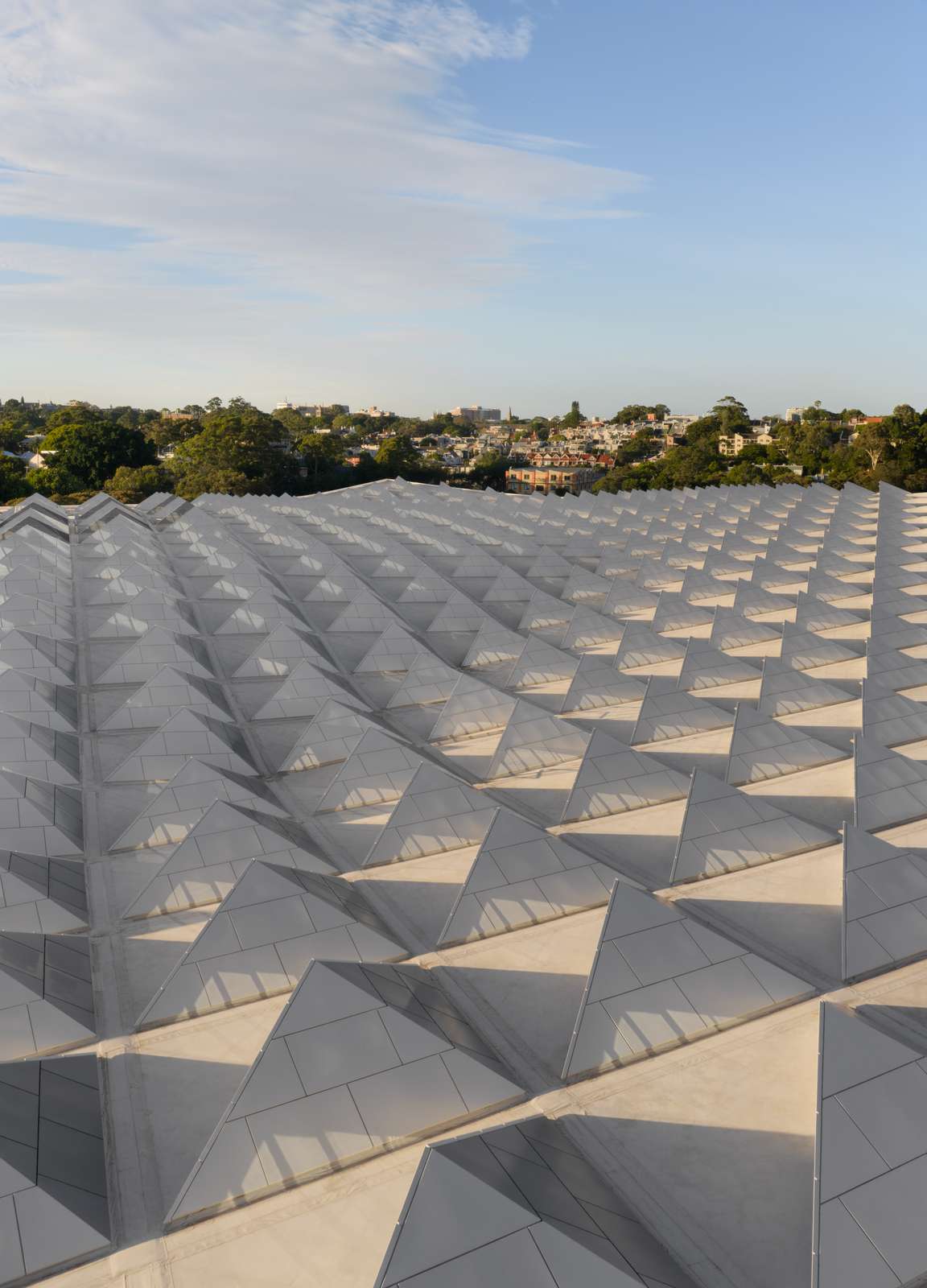
The New Sydney Fish Market in Sydney uses engineered timber and steel as key structural materials. The project stands on a 3.6-hectare site at Blackwattle Bay and forms part of the city’s waterfront redevelopment. 3XN Architects designed the building in collaboration with BVN, GXN Innovation and landscape architect Aspect Studios. The market has a total floor area of around 65,000 m² and combines wholesale functions, public market halls, retail spaces and restaurants.
The design responds to a coastal location that demands durable materials, efficient construction and long-term flexibility.
Spruce Glulam as the Main Roof Structure
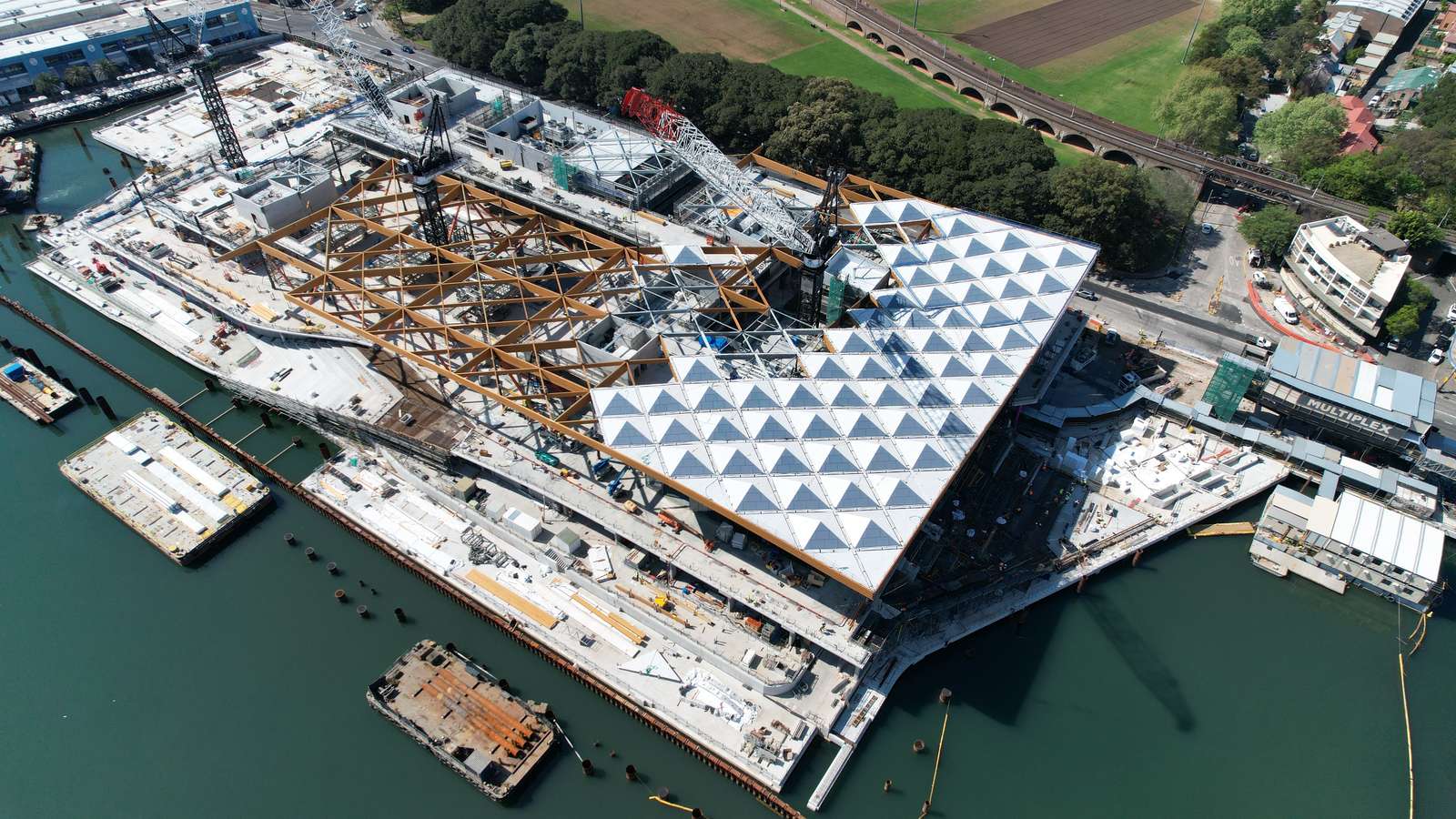
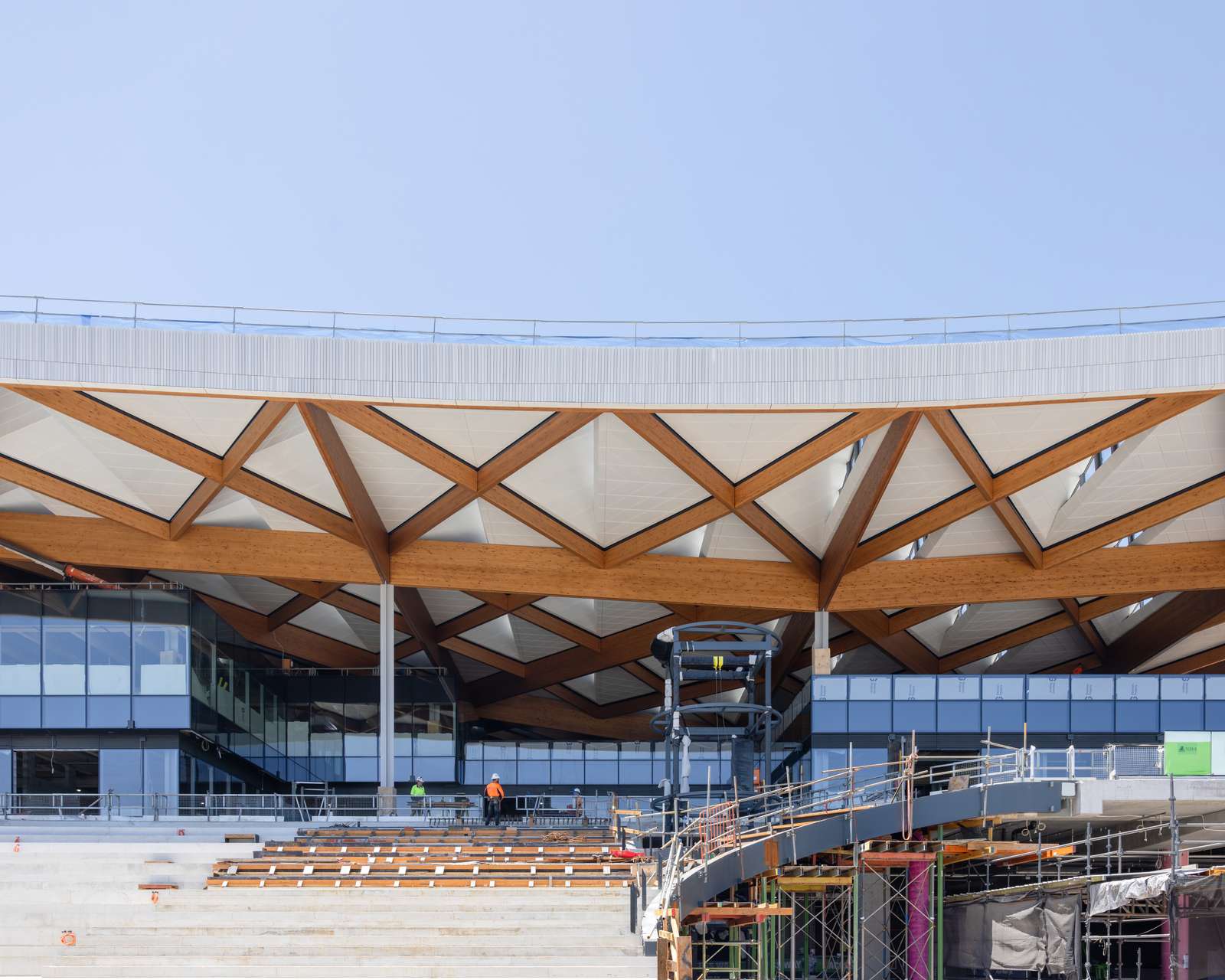
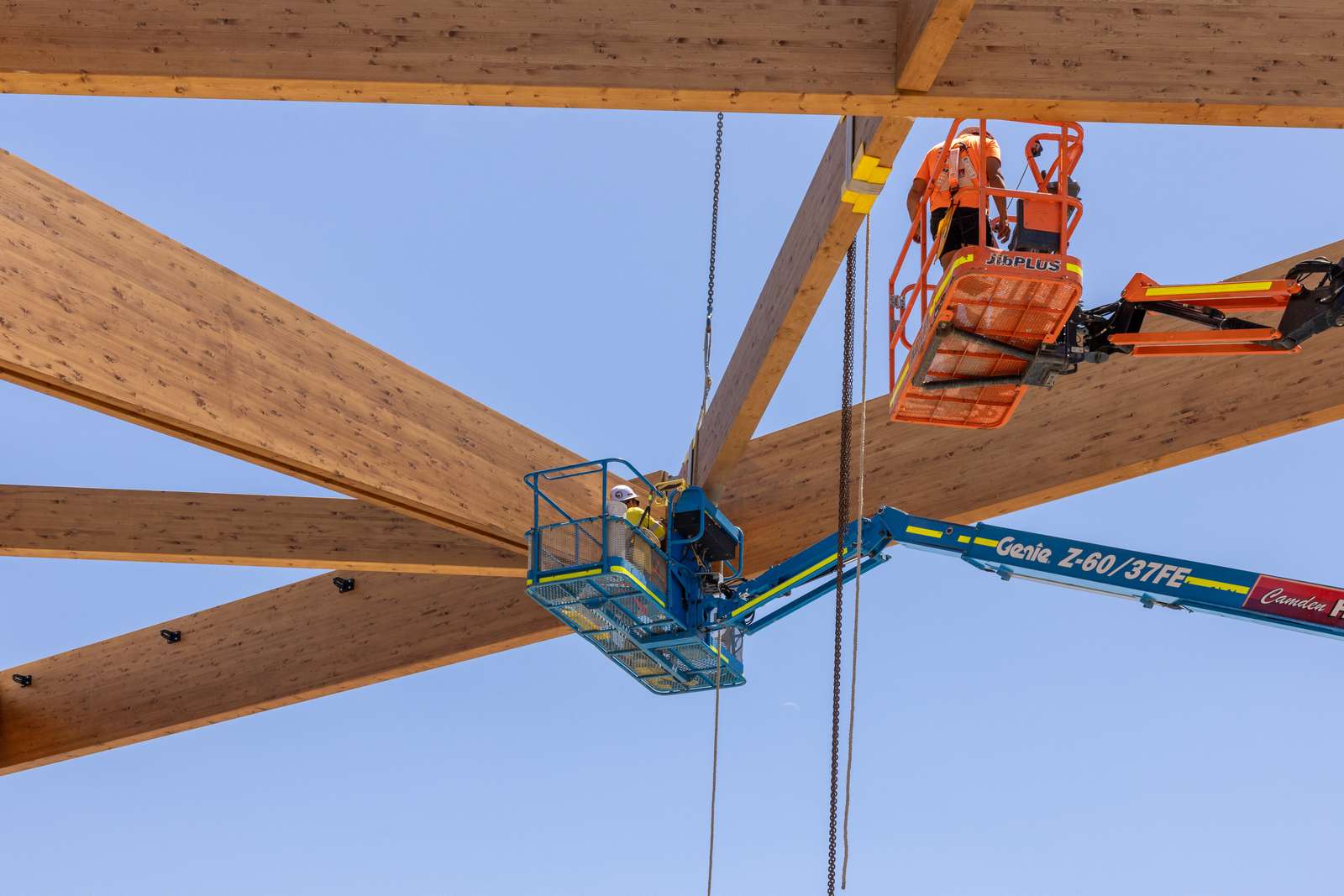
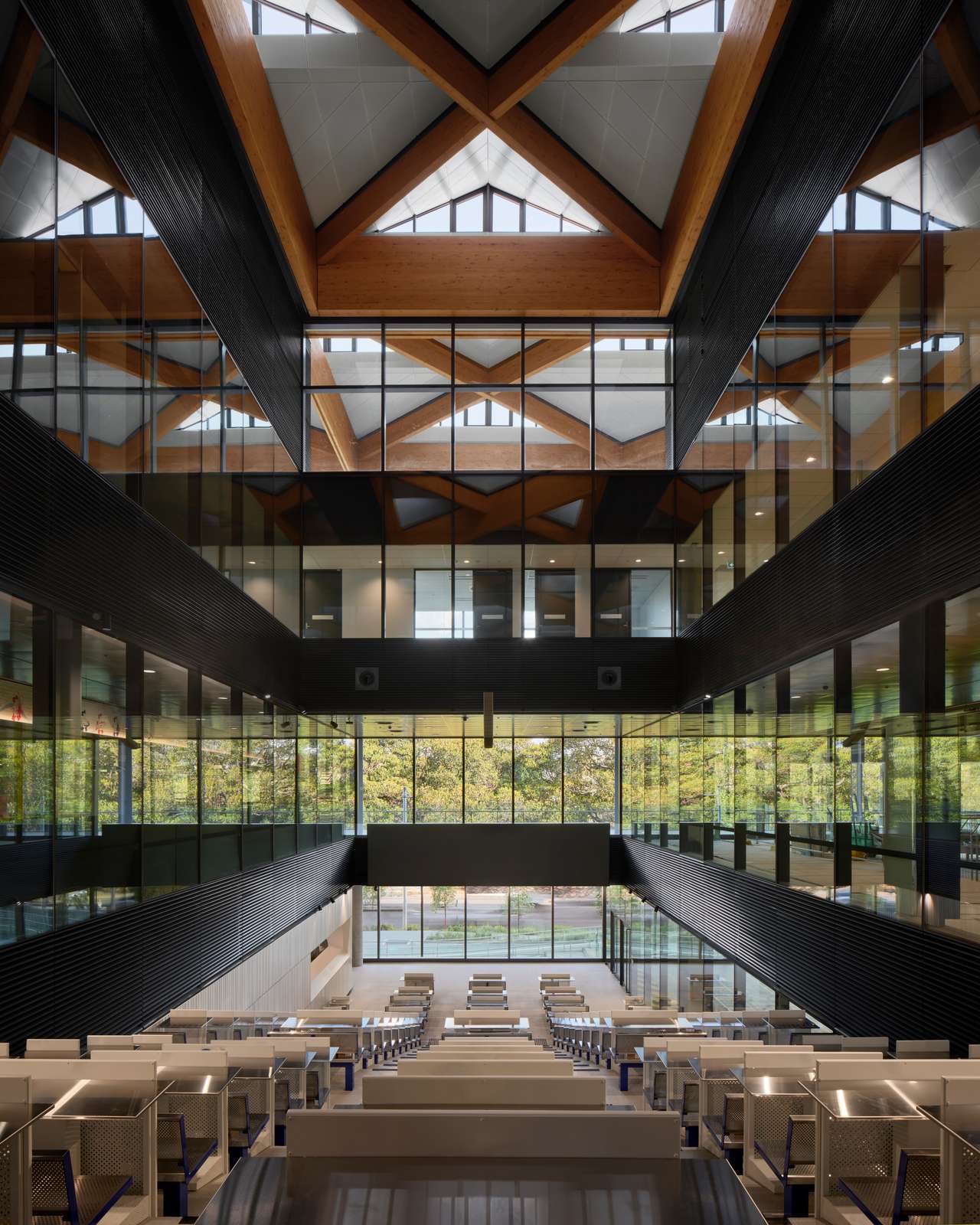
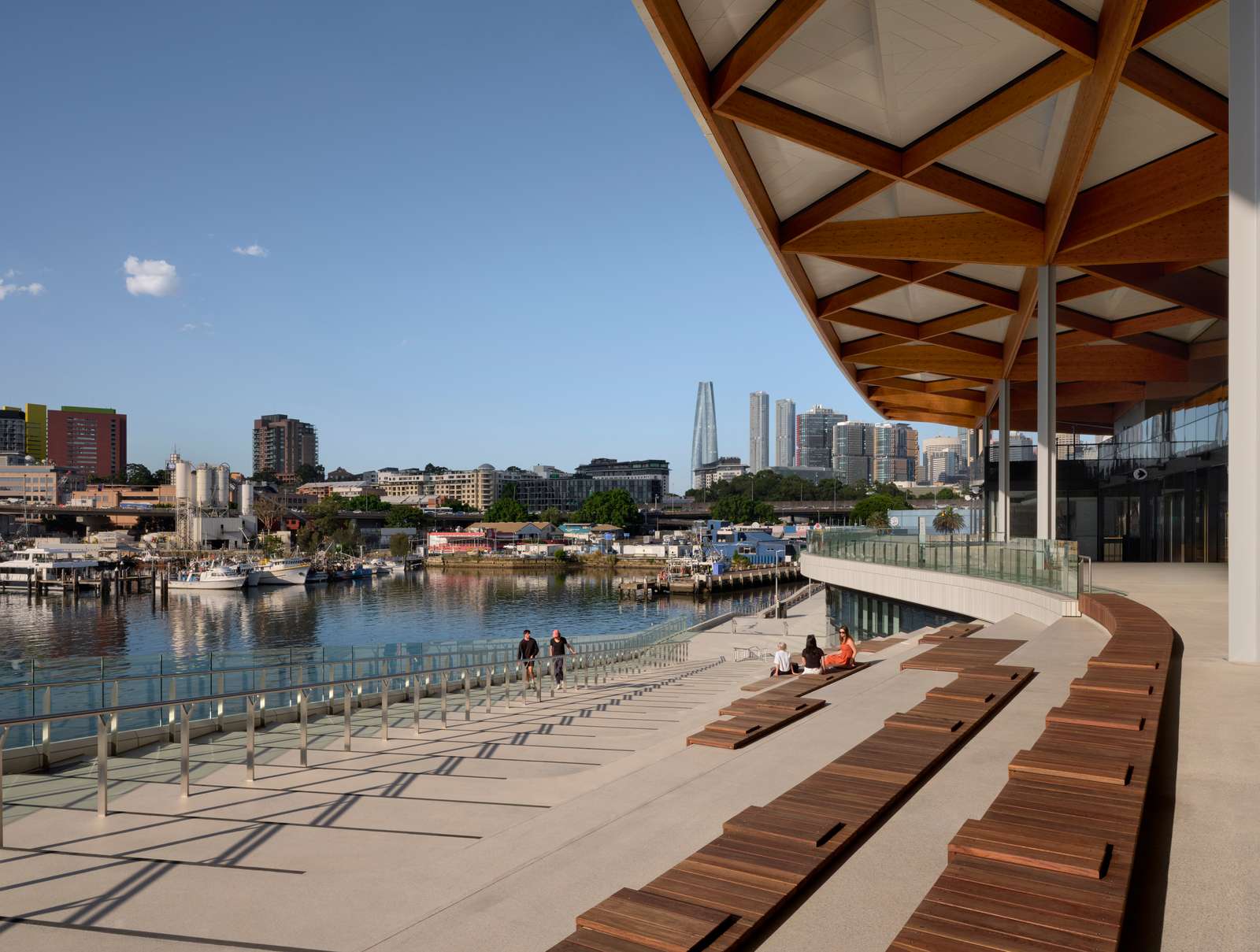
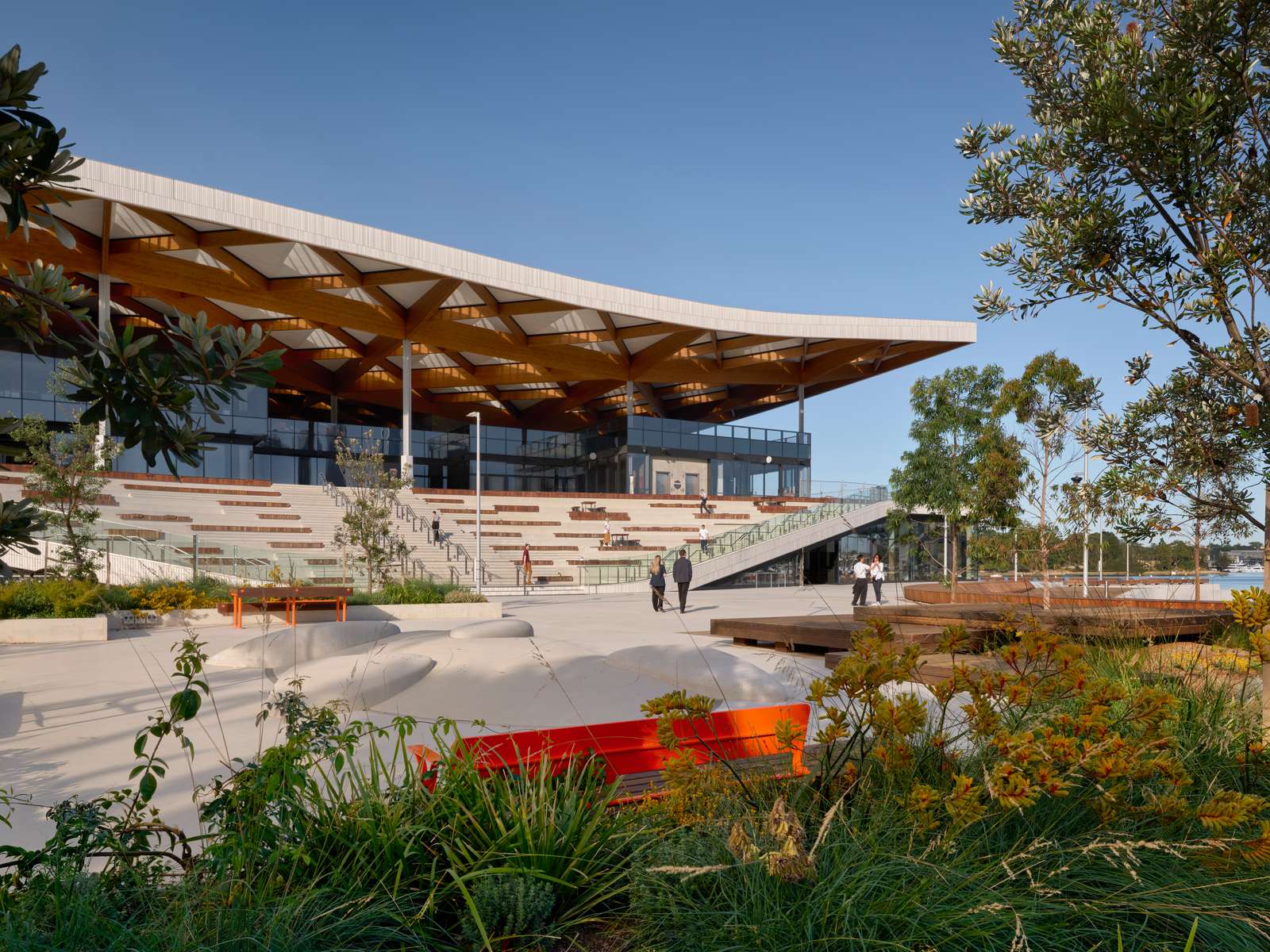
The roof structure defines the project’s material approach. The 200-metre-long canopy consists of approximately 1,600 m³ of spruce glulam and more than 150 tonnes of steel. Timber engineering company Rubner Holzbau handles the structural design, fabrication and delivery of the roof.
Glulam allows large spans and curved forms while keeping the structure relatively lightweight. The material also supports a reduced embodied carbon footprint compared to steel-only solutions, especially when sourced from responsibly managed forests. Steel elements strengthen the structure where higher loads occur. This hybrid system combines the compressive strength of timber with the tensile capacity of steel.
Modular System and Prefabrication
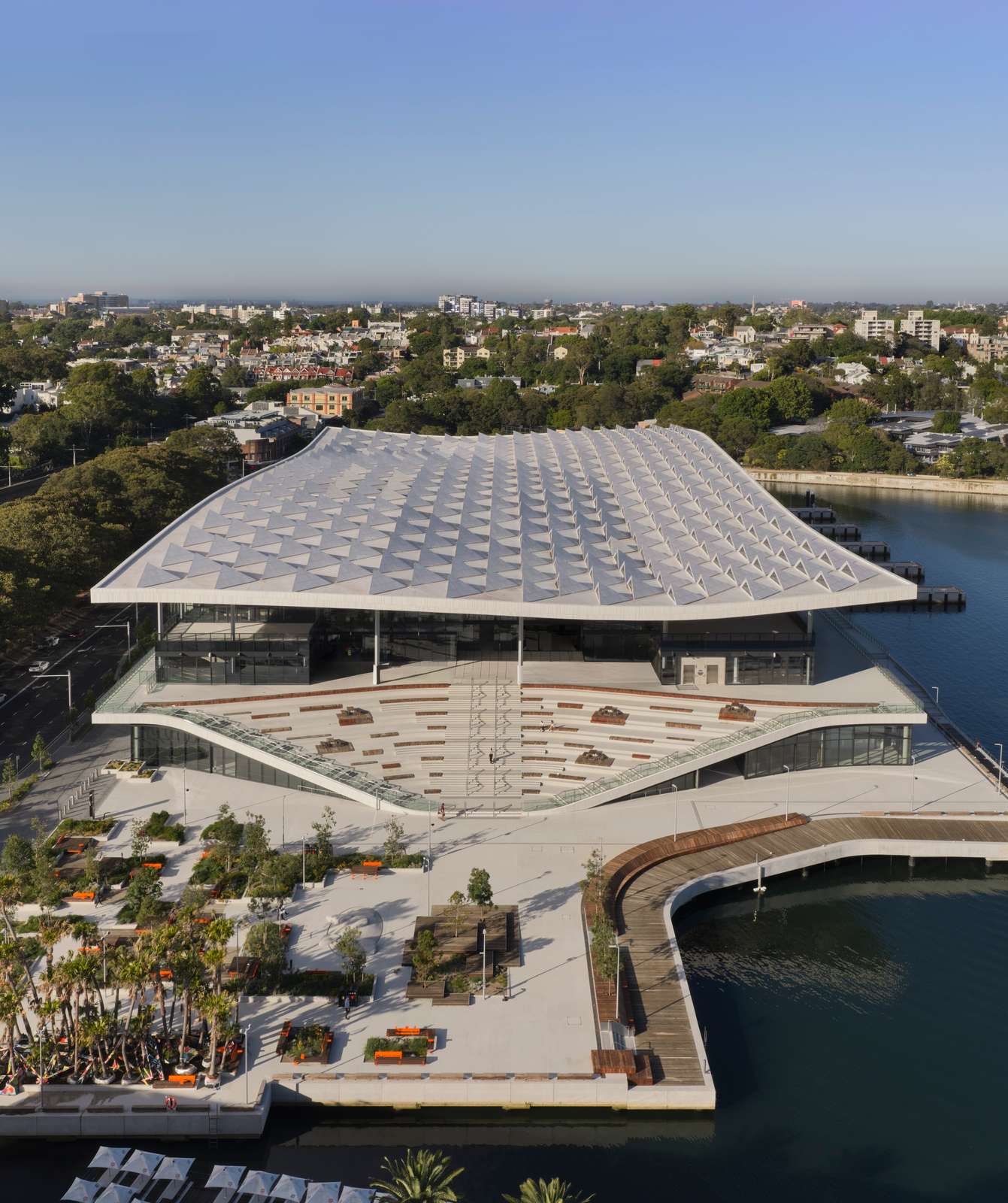
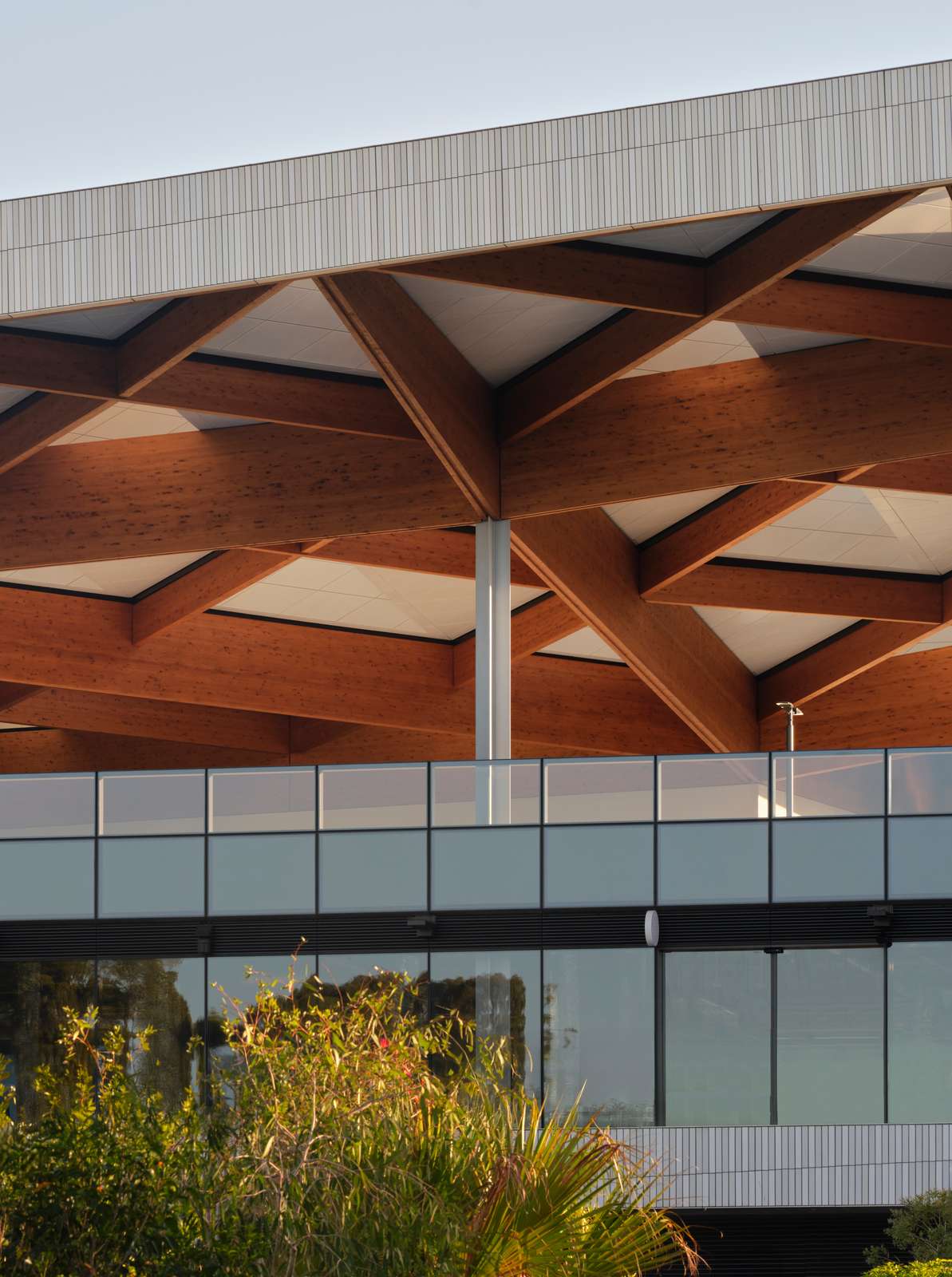
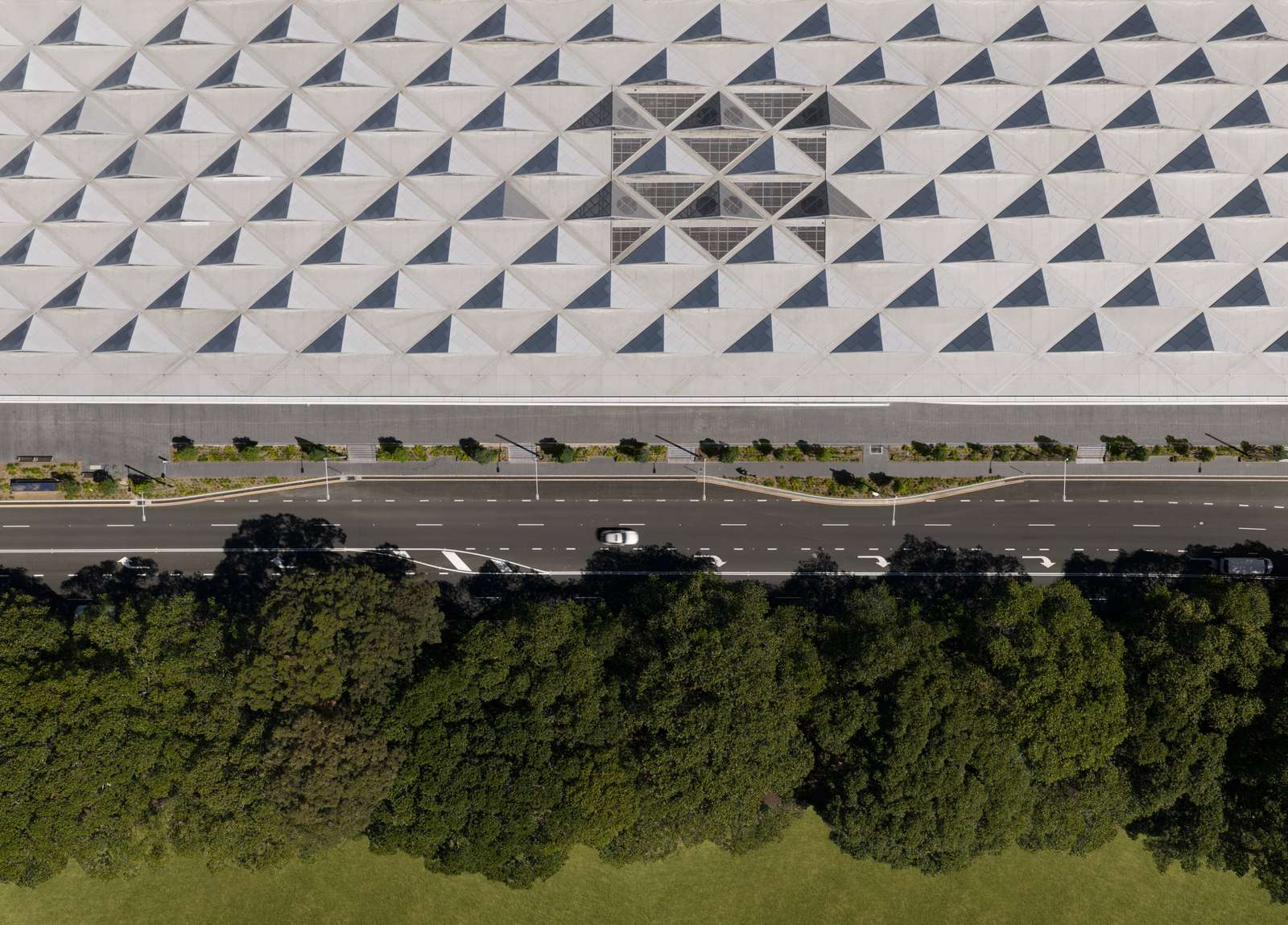
The roof consists of modular cassettes with triangular panels. This system supports prefabrication and improves accuracy during construction. It also reduces material waste and limits on-site assembly time.
The modular layout allows access to individual elements for maintenance or replacement. This approach supports longer building life cycles and more efficient material use over time.
Passive Climate Strategies Through Material Design
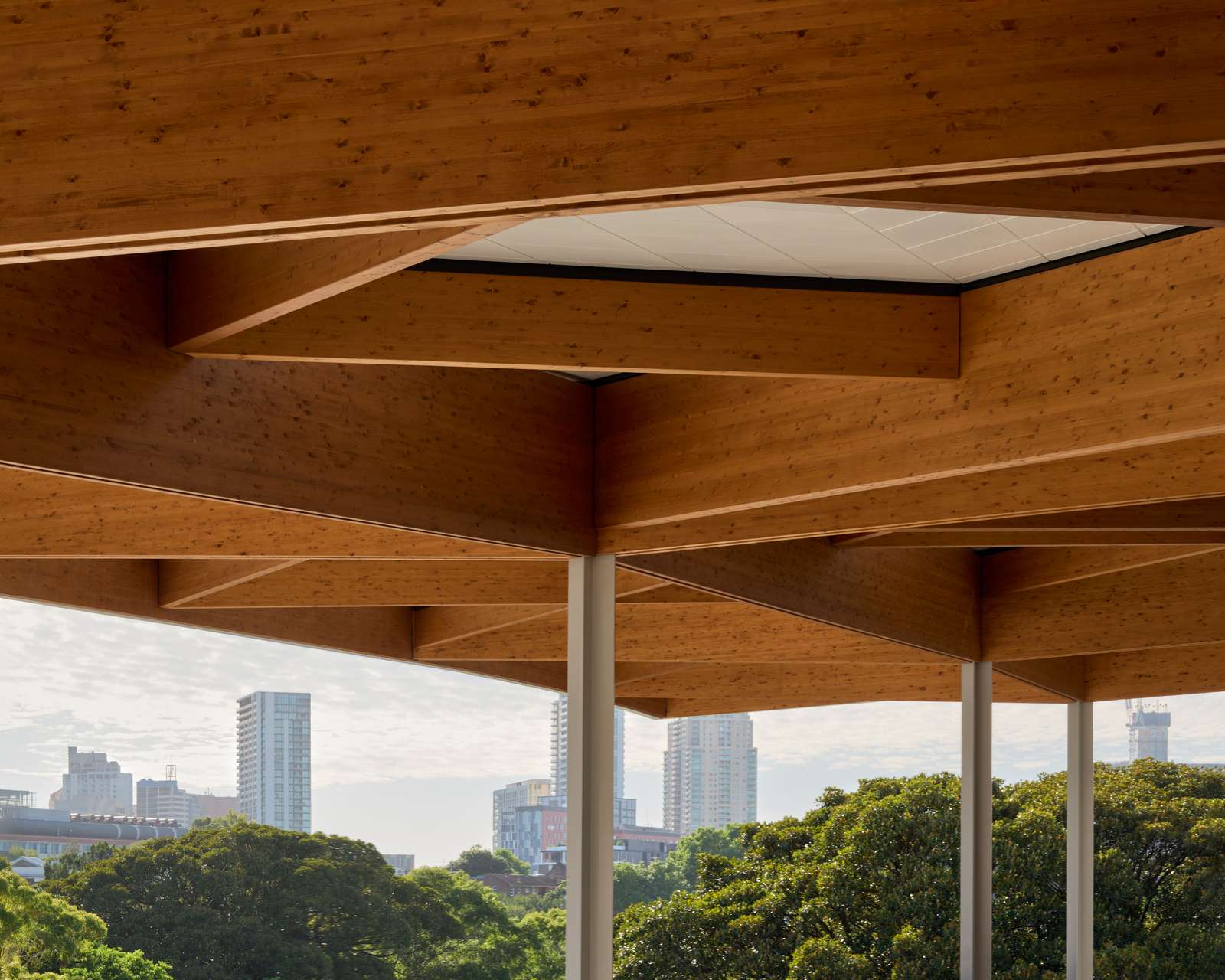
The roof geometry supports passive environmental performance. Triangular openings bring daylight deep into the building and reduce the need for artificial lighting. The openings also support natural ventilation by allowing warm air to escape.
The canopy limits direct solar gain during hot periods and reduces the need for mechanical cooling. Its surface also collects rainwater and accommodates photovoltaic panels for on-site energy generation. These functions integrate directly into the structural system instead of relying on additional technical layers.
Material Use at Infrastructure Scale
The New Sydney Fish Market is scheduled to open in January 2026. The project shows how engineered timber can function at a large infrastructural scale when combined with steel.
For architects, engineers and designers, the building offers a clear reference for hybrid structures, prefabricated timber systems and climate-responsive material use in complex public buildings.
Source: Architecture & Design / BVN / 3XN Architects
Photos: Tom Roe / 3XN

Comments