Europe’s Largest On-Site 3D Printed Apartment Building Completed in France

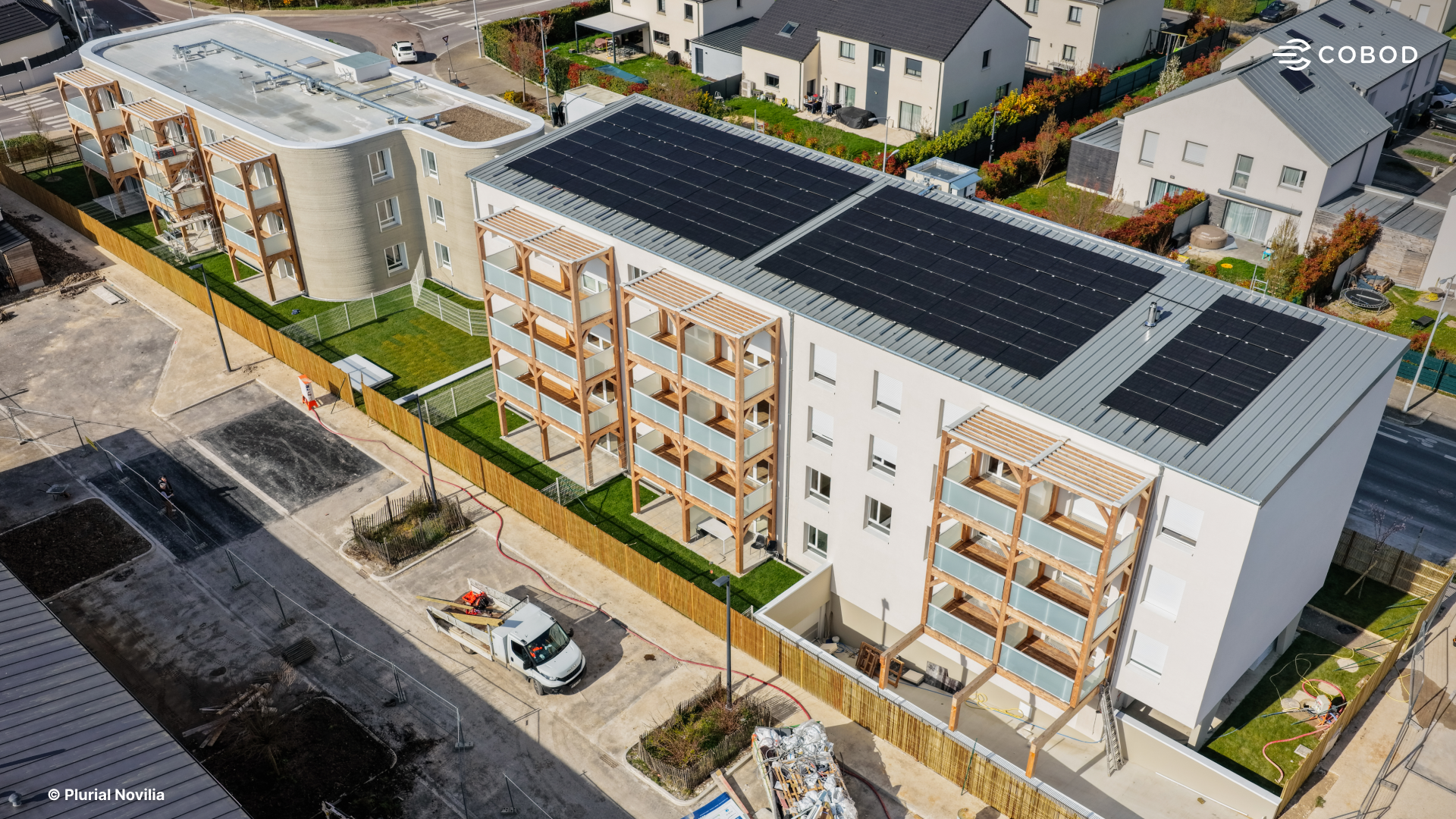
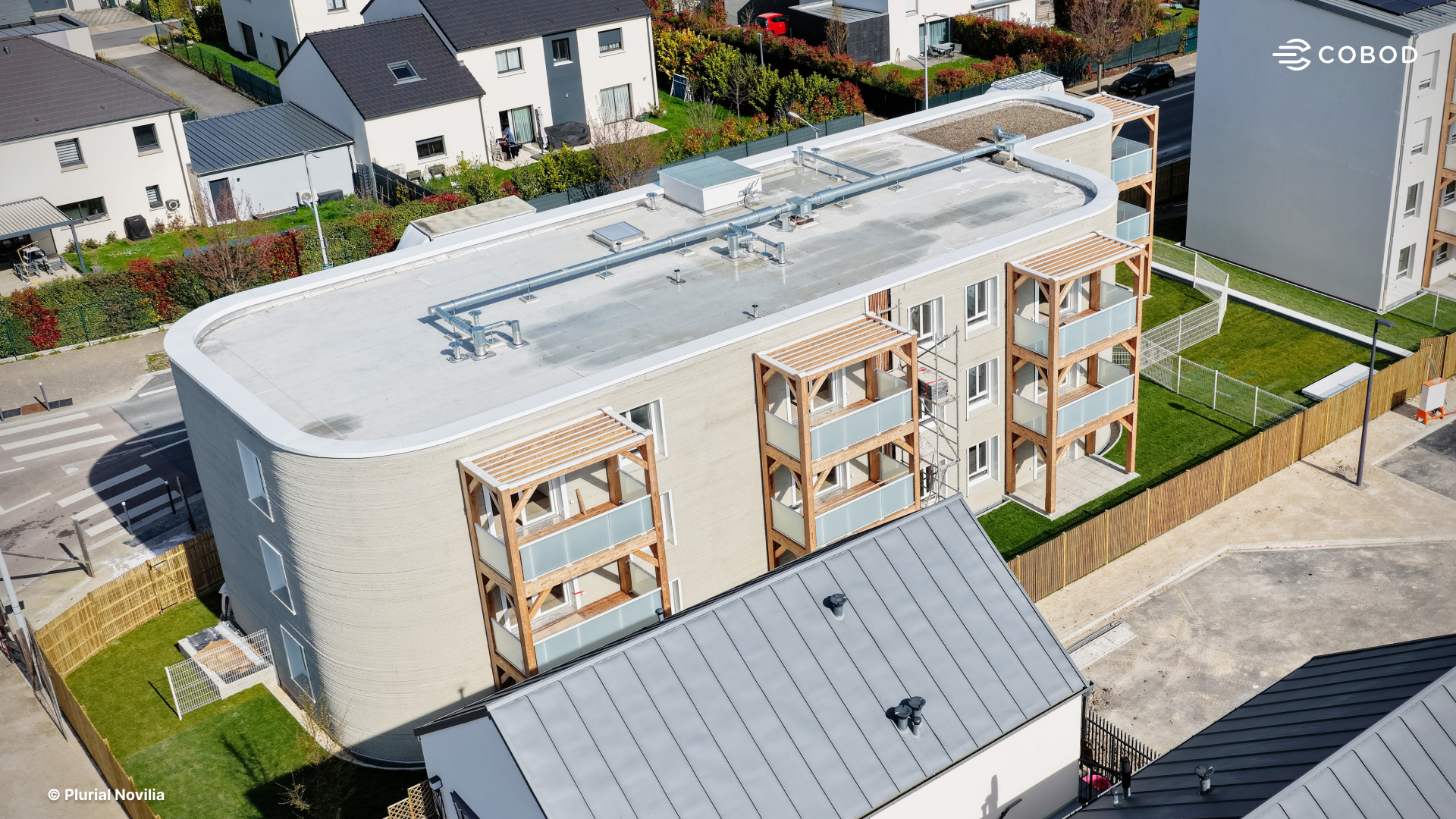
Plurial Novilia has completed ViliaSprint², a social housing development in Bezannes, France. The project, realised in collaboration with PERI 3D Construction and COBOD International, comprises 12 apartments across three storeys and provides approximately 800 m² of living space.
According to the project partners, ViliaSprint² is currently the largest 3D printed multi-family residential building in Europe. They also describe it as the first building in France where teams printed both the load-bearing structure and all walls directly on site.
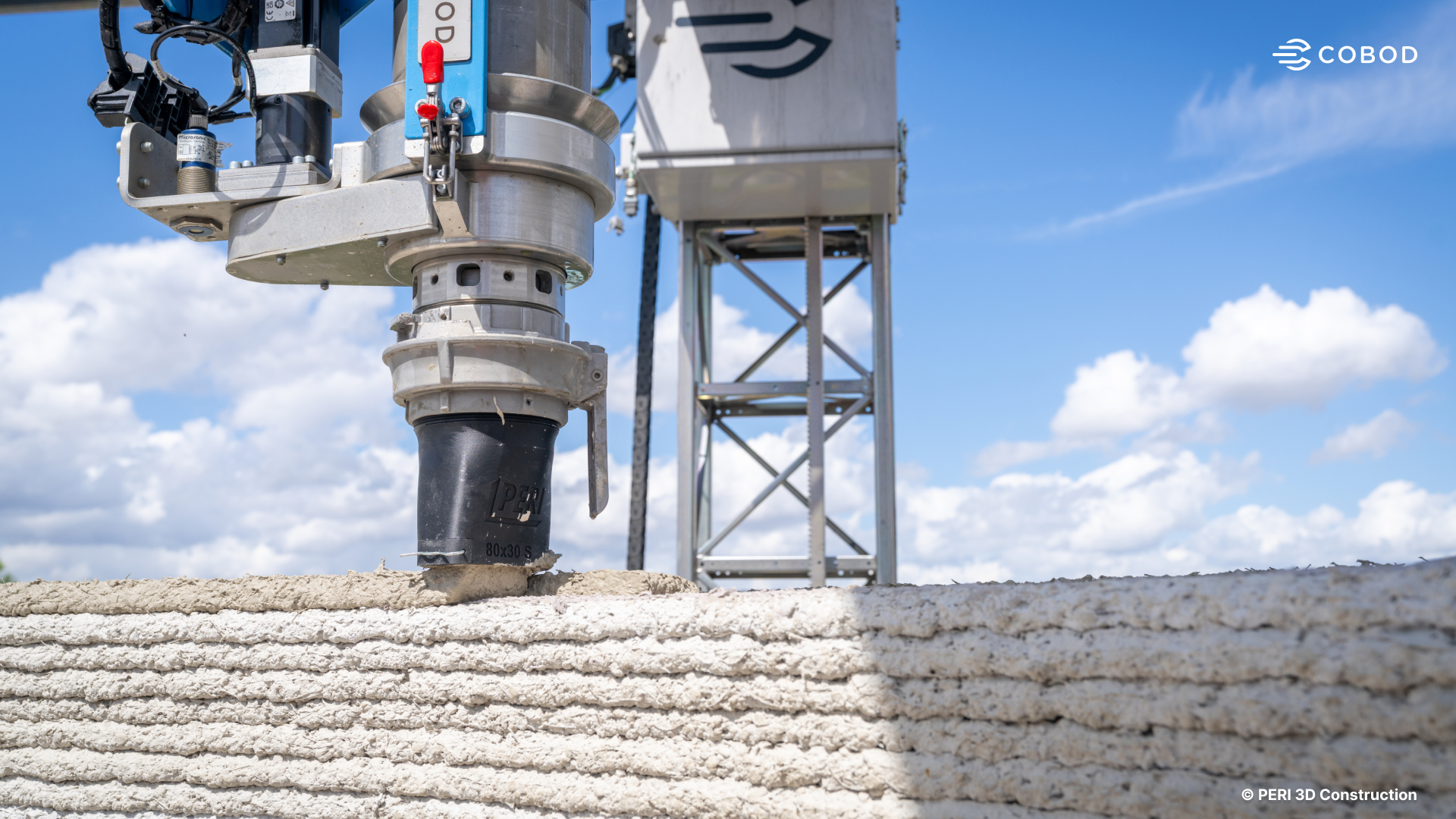
PERI 3D Construction used a COBOD BOD2 printer to deposit concrete layer by layer and create the building’s structural shell and walls. The team carried out all printing activities on site.
Comparing Construction Methods
The project team developed a similar residential building on the same site using conventional construction methods. This allowed them to compare both approaches during construction and operation.
According to the published results, the team completed the printed building around three months faster than the conventionally built reference project. The printing phase took 34 effective working days, compared with an initial estimate of 50 days.
The construction process required three operators to manage the printer, while the conventional building needed six workers for shell construction. Operators controlled the printing process digitally via tablets, reducing the amount of manual handling on site.
The project partners also reported lower material waste. They estimate that waste fell from around 10% to approximately 5%. In addition, the building’s curved geometry reduced concrete consumption by about 10% compared with a more conventional design.
Materials and Energy Strategy
Holcim supplied the printable concrete used for the project. The material is based on the company’s TectorPrint technology and forms part of its ECOPact range of lower-carbon concrete products. The mix also contains synthetic macrofibres for reinforcement.
The building combines the printed concrete structure with perlite insulation, timber balcony elements and approximately 500 m² of photovoltaic panels. A hybrid heating system that combines a heat pump and a gas boiler supports the building’s energy performance. According to the project team, these measures provide around 60% energy self-sufficiency and comply with France’s RE2020 2025 requirements.
Design Possibilities Enabled by 3D Printing
ViliaSprint² features a curved façade and rounded floor plan. Such geometries often require complex formwork in conventional construction. The project illustrates how additive manufacturing can produce these forms while using material only where needed.
Following the completion of ViliaSprint², the partners have announced plans for a larger development of approximately 40 apartments. The proposed project would use two 3D construction printers operating simultaneously.
Source & images: Plurial Novilia / COBOD International

Comments