Farmers Growing Building Materials Earn Millions in Carbon Credits
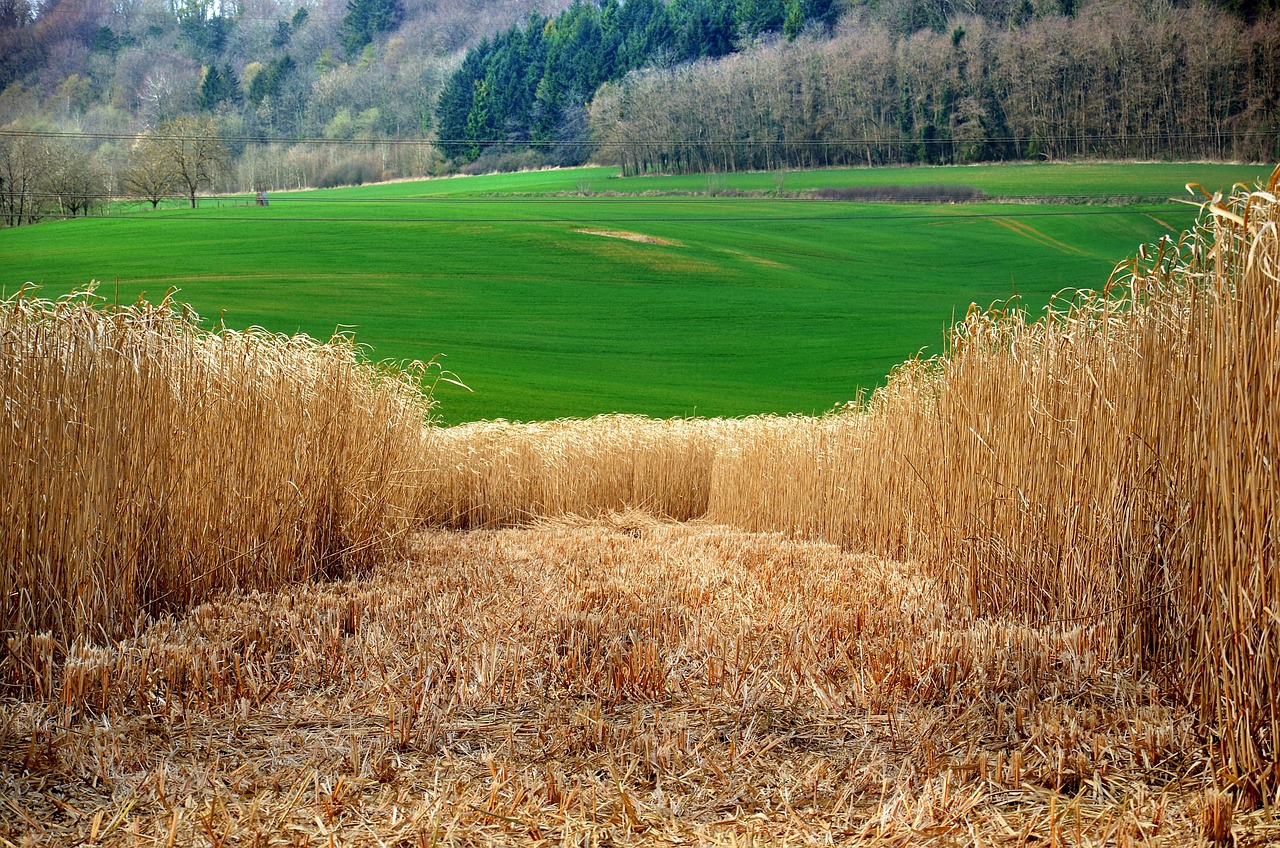
A new initiative in the Netherlands is rewarding farmers who grow natural fibre crops for construction—such as hemp, flax, straw, and elephant grass—with millions of euros in carbon credits. The National Green Fund (Nationaal Groenfonds) will purchase €2.5 million worth of carbon credits from these farmers on behalf of the Ministry of Agriculture, Fisheries, Food Security and Nature, providing financial security for those planning to cultivate biobased materials next year.
Stimulating a Biobased Construction Market
The fund’s investment aims to accelerate the development of the biobased building sector, where natural crops are processed into materials that store carbon. As these plants grow, they absorb CO₂; when used in construction, that carbon remains locked within the material for decades, reducing atmospheric emissions and slowing climate change.
The approach, known as construction stored carbon credits, allows the agricultural and construction sectors to participate in carbon trading schemes similar to the European Emissions Trading System (ETS). Each certificate represents one tonne of CO₂ stored or avoided.
Following a successful pilot in 2024, which distributed €1.2 million in carbon credits across 82 farmers cultivating over 1,100 hectares, the programme is expanding. About two-thirds of the pilot fields grew hemp, with the remainder dedicated to straw, miscanthus, willow, bamboo, and fast-growing Paulownia trees—all potential feedstocks for biobased insulation panels, facade cladding, or lightweight composites.
From Farm to Building
The construction industry is responsible for 40 percent of global CO₂ emissions and consumes around 60 percent of all extracted raw materials. Substituting part of that demand with fast-growing, renewable crops could significantly lower emissions while improving resource circularity. The Dutch government’s National Approach to Biobased Construction (NABB) sets a target that by 2030, 30 percent of all new housing should use at least 30 percent biobased materials.
The next tender, opening in November, will also allow not just farmers but processing companies—those turning fibre crops into construction products—to apply. They can earn between €95 and €110 per carbon credit, depending on their bids. This inclusion supports the full supply chain, from field to factory to building site.
Towards a Circular Building Future
For architects and designers, this initiative signals an emerging supply of locally sourced, carbon-storing materials that combine aesthetic, environmental, and structural potential. Hempcrete walls, straw insulation, and biobased panels offer sustainable options that can transform both building performance and environmental impact.
The National Green Fund plans to repeat the tender for the next three years, further developing the biobased construction market and stimulating innovation across design and agriculture.
Source: Change.org
Photo: ybernardi

Comments