Flax Fibre String Instruments As A Case Study In Biobased Material Innovation
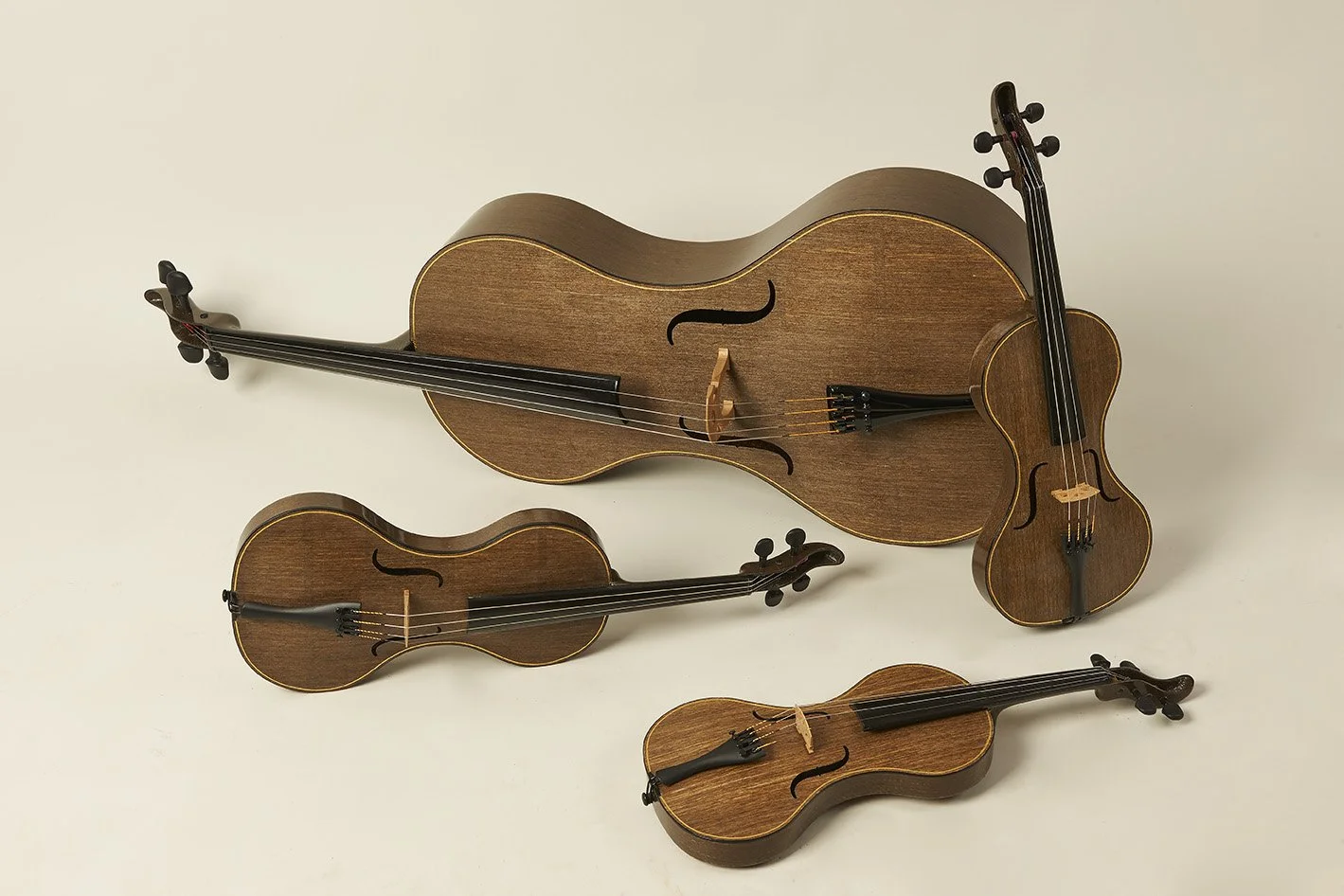

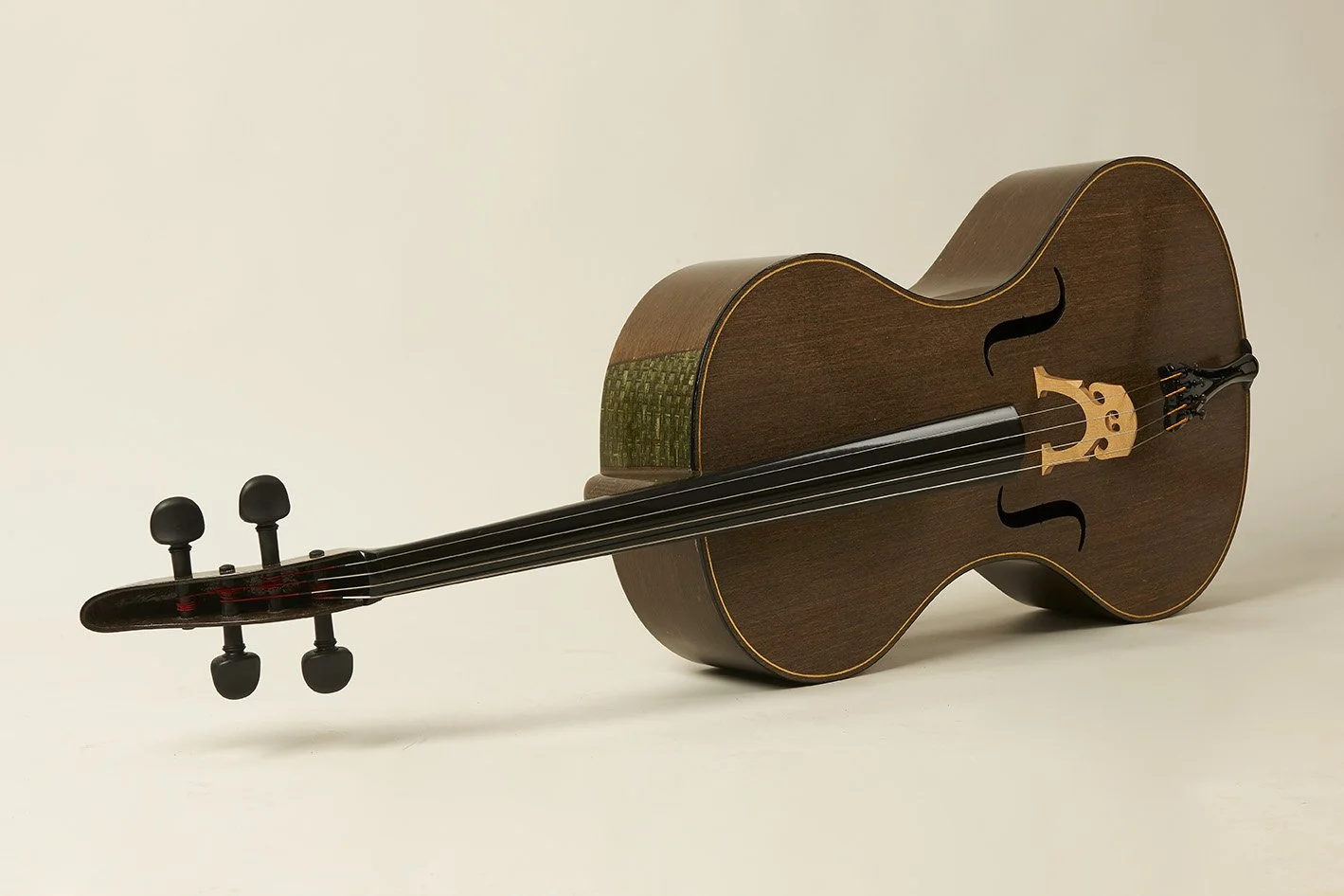
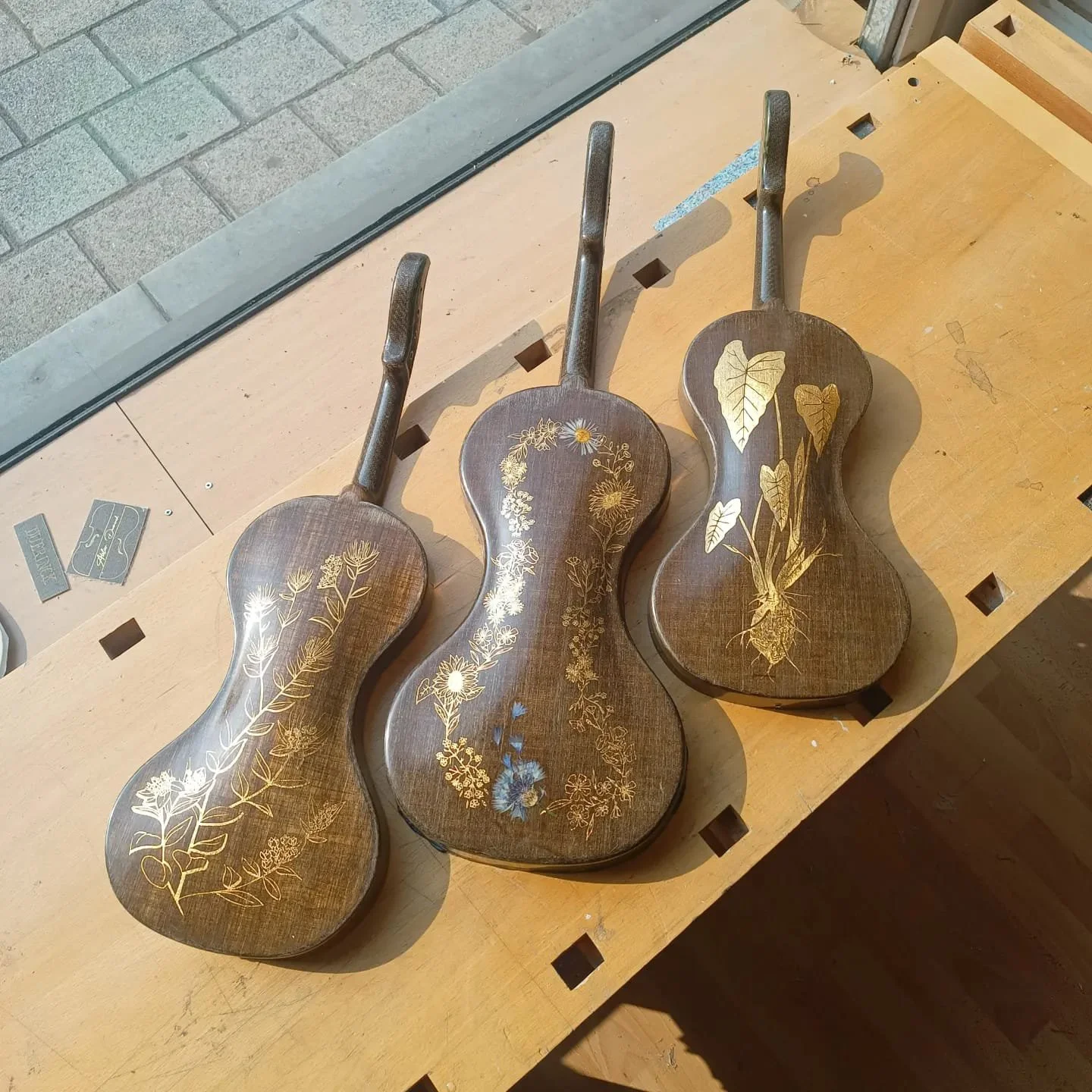
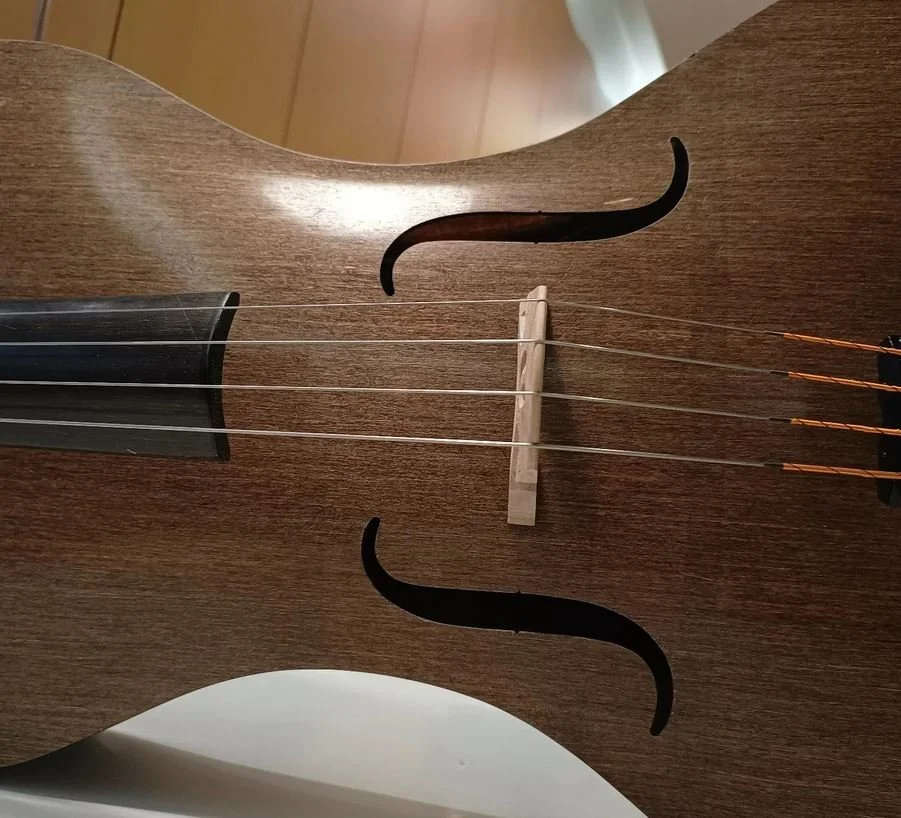
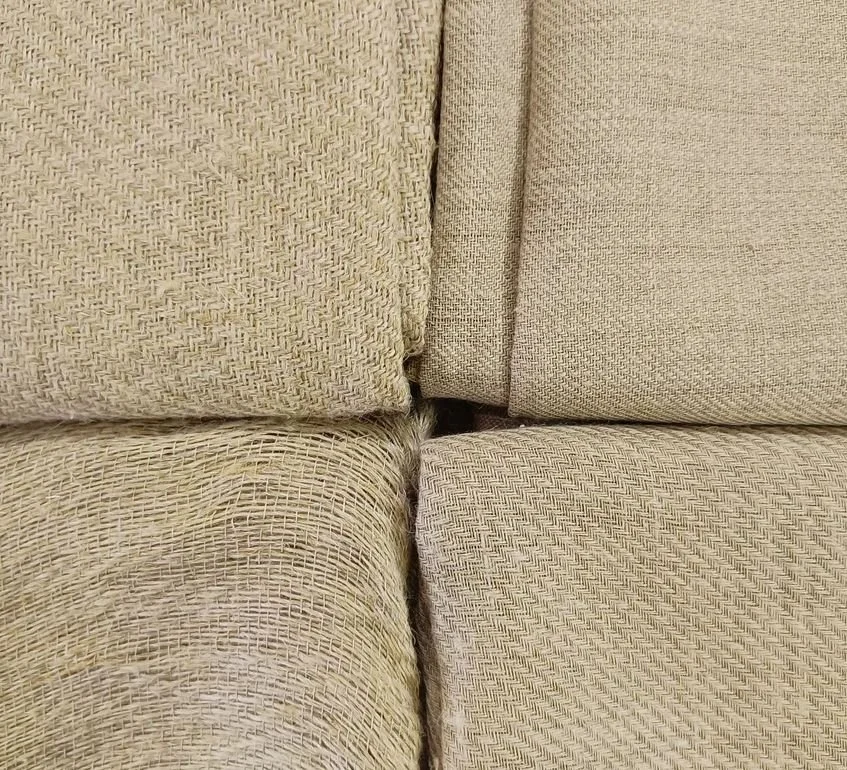

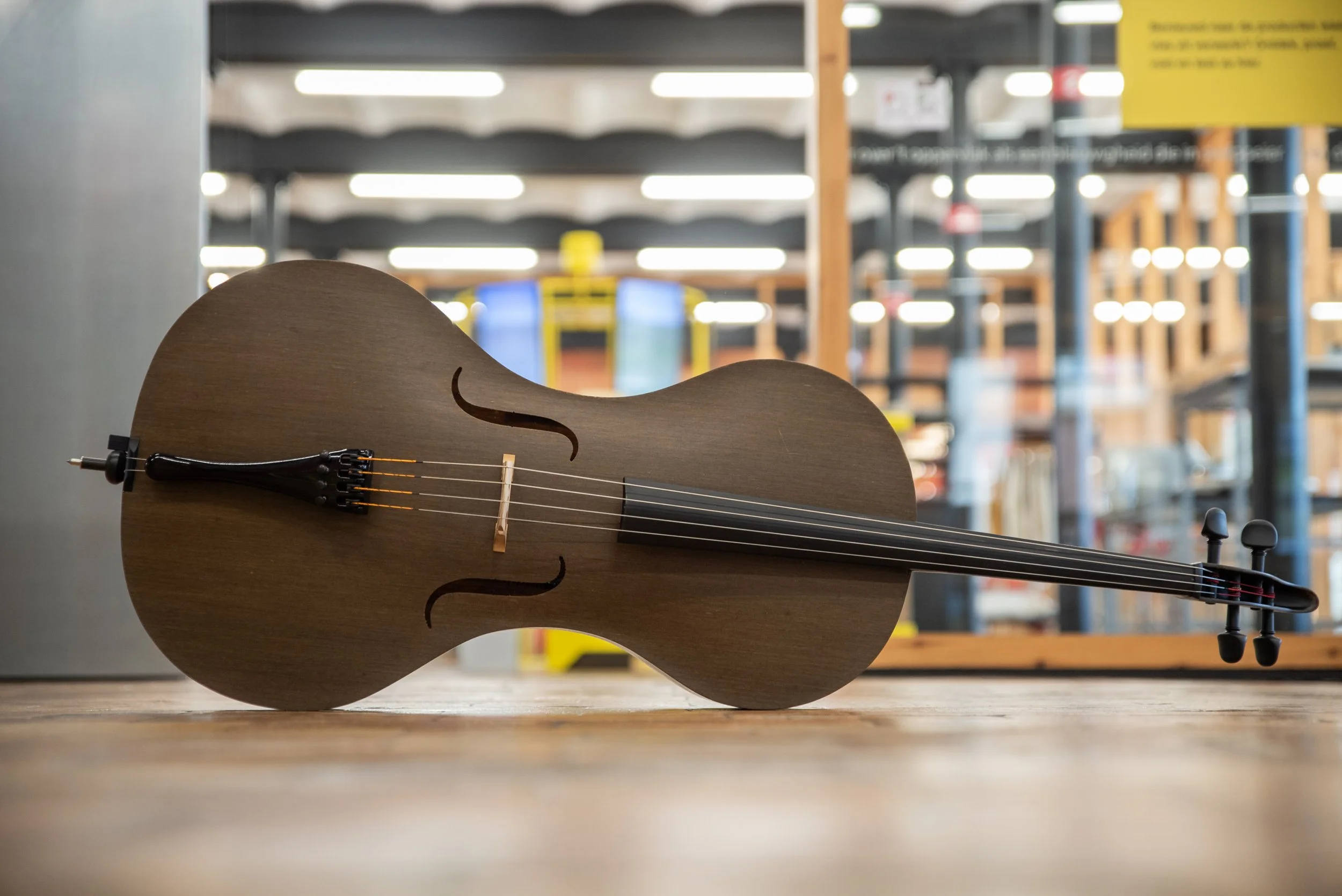
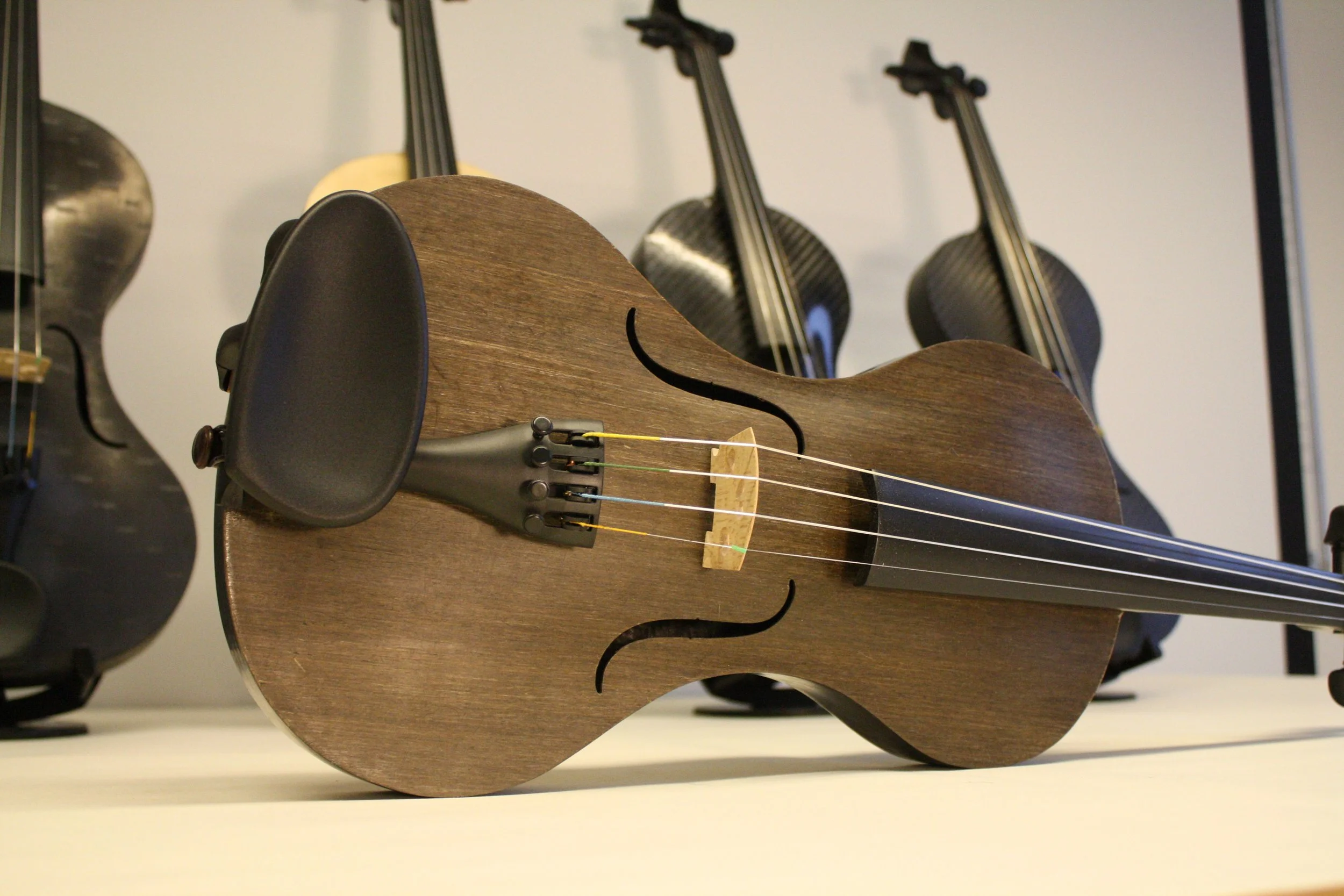
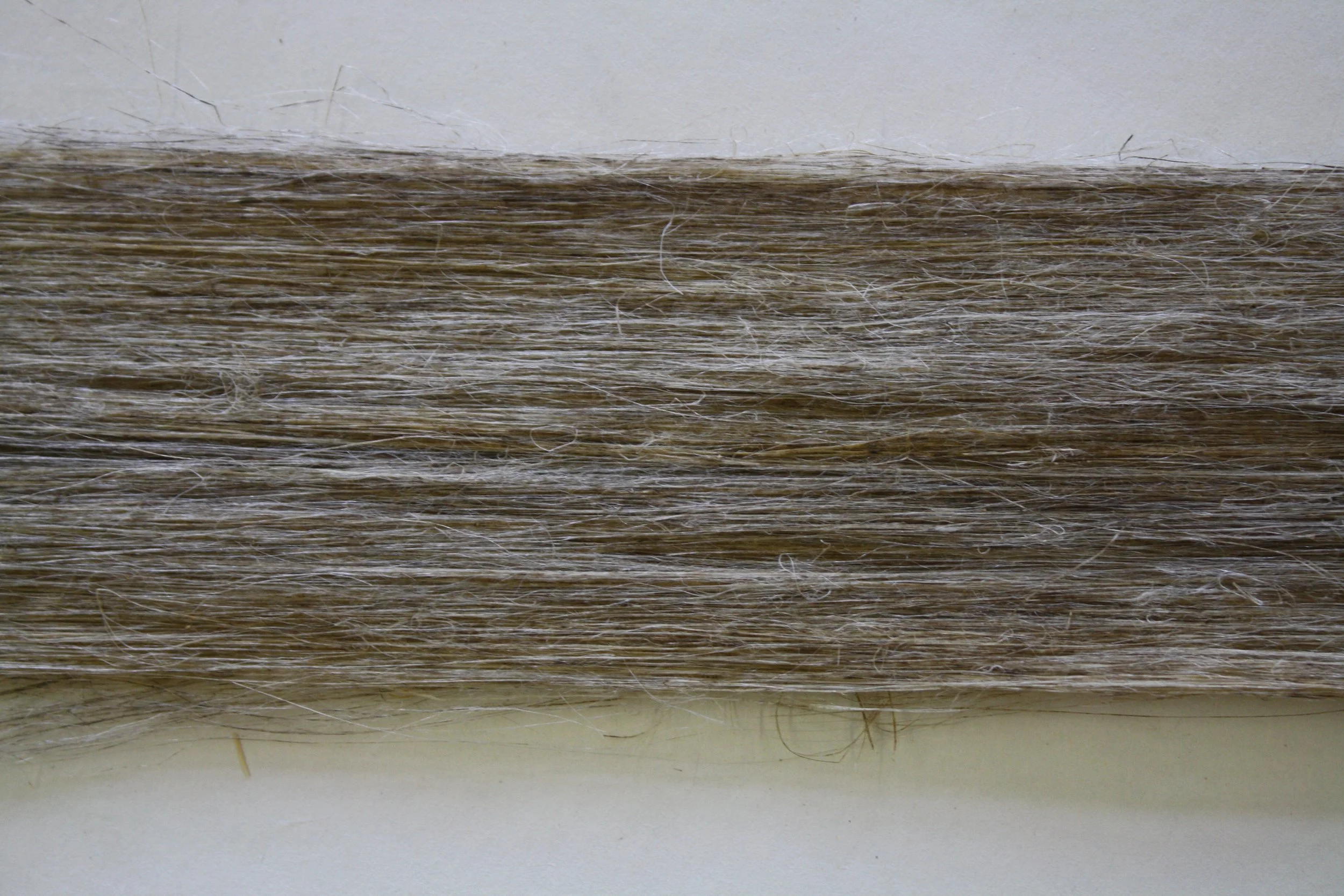
The Belgian start-up Atelier Duerinck produces string instruments such as cellos and violins using flax fibre composite rather than traditional tonewoods or carbon fibre. The initiative grew out of long-term research at HOGENT, KASK & Conservatorium and Ghent University, and focuses on alternative materials for acoustic instruments.
Until now, musicians mainly chose between wooden instruments or carbon fibre versions. Flax fibre offers a third option with different material characteristics. Compared to wood, flax fibre composite is more dimensionally stable and less sensitive to changes in humidity and temperature. Compared to carbon fibre, it provides a more natural tactile quality and acoustic response. These properties make flax fibre relevant for applications where stability, durability and material experience matter.
Local Materials And Production
Flax is a renewable natural fibre with a strong regional presence in Europe. Around 75–90% of global flax production takes place in Belgium, the Netherlands and France. Atelier Duerinck sources its material locally and produces all instruments in-house at its workshop in Ghent. This approach shortens supply chains and allows close control over material quality and production methods.
The use of flax fibre also extends to components that are traditionally made from scarce hardwoods. The fingerboards, for example, are produced from flax fibre composite rather than ebony. This substitution reduces dependence on tropical wood species and reflects a broader shift towards alternative, bio-based materials in high-quality products.
Research-Driven Material Development
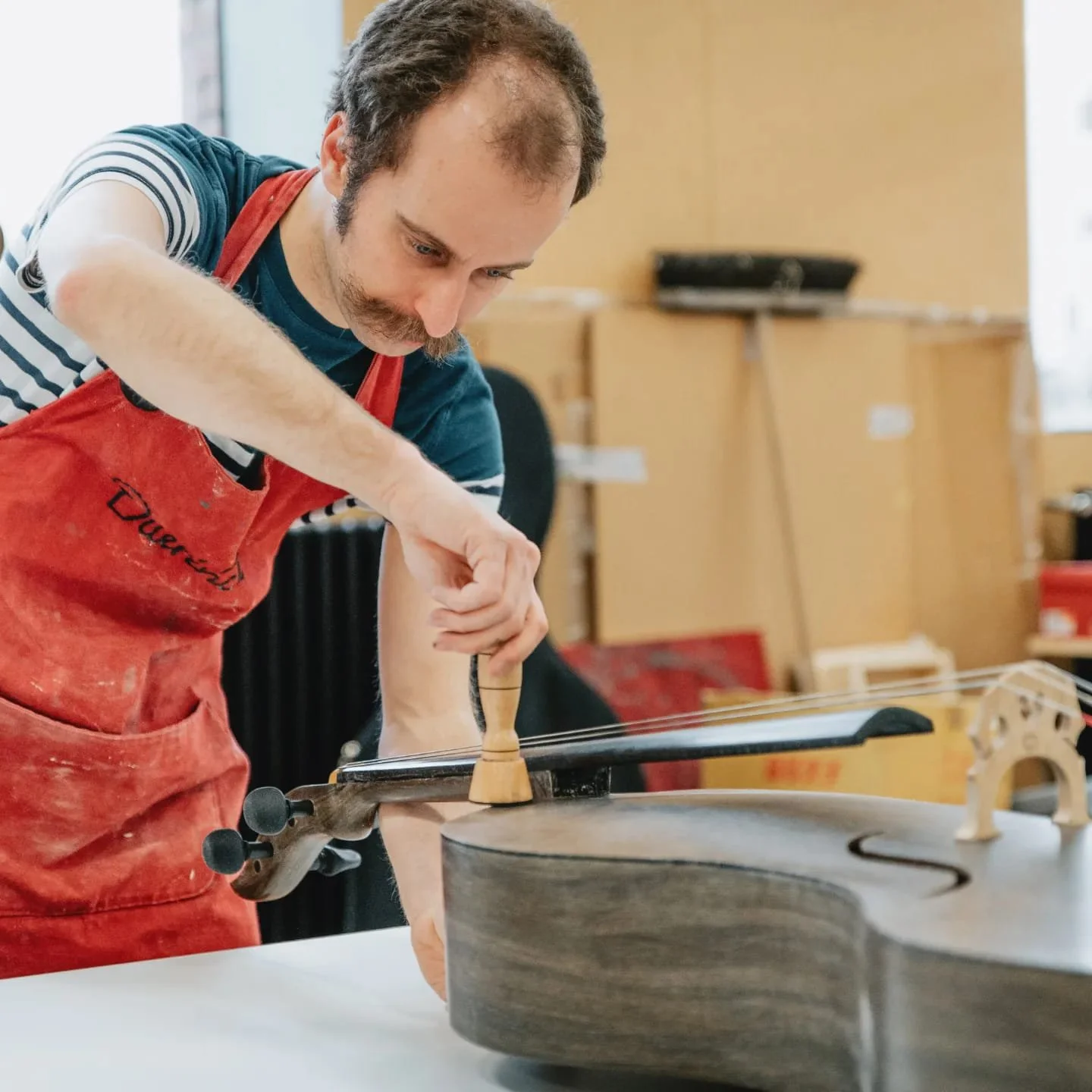
The transition from wood to flax fibre required new manufacturing techniques. These processes were developed through doctoral research by master luthier Dr Tim Duerinck, who combined traditional instrument-making knowledge with material research and acoustic testing. His work explored how fibre orientation, resin systems and construction methods affect sound, durability and playability.
This research-led approach resulted in instruments that meet professional performance requirements while using a different material base. The work has been recognised within the Belgian design and research landscape, including the receipt of a Henry Van de Velde Gold Award in 2021.
Technology And Performance
In addition to the instrument bodies, Atelier Duerinck developed a built-in pickup system specifically for flax fibre instruments. The system supports amplification while aiming to maintain acoustic qualities and reduce feedback. This integration shows how material development and technical components can be designed together rather than added at a later stage.
A Broader Material Perspective
As a material application, flax fibre string instruments demonstrate how biobased composites can function in demanding contexts that require precision, stability and long-term performance. The project illustrates how local fibres, scientific research and specialised craftsmanship can come together in a commercially oriented product, offering insights that extend beyond the music sector.
Source: HOGENT / Atelier Duerinck
Photos: Atelier Duerinck

Comments